Imagine the joy of watching your dog run freely, safe and happy, without a leash holding them back. You want that freedom for your furry friend, but you also need control and trust.
Training your dog off the leash can feel challenging, but it’s completely possible with the right steps. You’ll discover simple, effective techniques that make off-leash training easier than you think. Stick with me, and soon your dog will enjoy more freedom while you stay confident in their behavior.
Ready to transform your walks and playtime? Let’s get started!
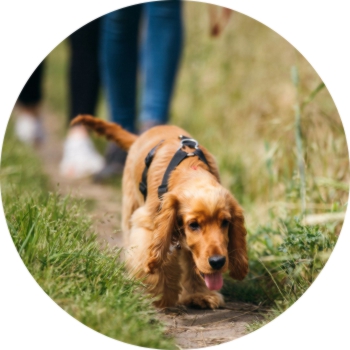
Credit: www.pittapattaboutique.com.au
Benefits Of Off-leash Training
Training your dog to respond off the leash opens up a world of advantages for both you and your furry friend. It’s about more than just convenience—off-leash training can deeply improve your dog’s quality of life and your relationship. Let’s look at some real benefits that might change how you think about training.
Improved Freedom For Dogs
Dogs naturally love to explore. Off-leash training gives them the freedom to roam and satisfy their curiosity safely. This freedom boosts their mental and physical health by encouraging natural behaviors like sniffing, running, and playing.
Think about a time when your dog was on a leash and suddenly saw something interesting but couldn’t reach it. How frustrating must that be for them? Off-leash training lets your dog experience the world more fully, which often results in a happier, more relaxed pet.
Enhanced Bond Between Owner And Dog
Training off the leash requires clear communication and trust between you and your dog. This process naturally strengthens your connection, as your dog learns to listen and respond to your commands even without physical restraint.
In my experience, those moments when my dog stops and comes back on command, even with distractions, are powerful. It’s a sign of respect and understanding that deepens your relationship. How often do you get to see your dog respond because they want to, not because they have to?
Safety Considerations
Safety is a key concern when letting your dog off the leash. Proper training ensures your dog listens well, reducing risks like running into traffic or approaching aggressive animals.
Setting clear boundaries and practicing recall in various environments can help keep your dog safe. Always assess the area and your dog’s behavior before allowing off-leash freedom. Isn’t your dog’s safety worth the extra effort?

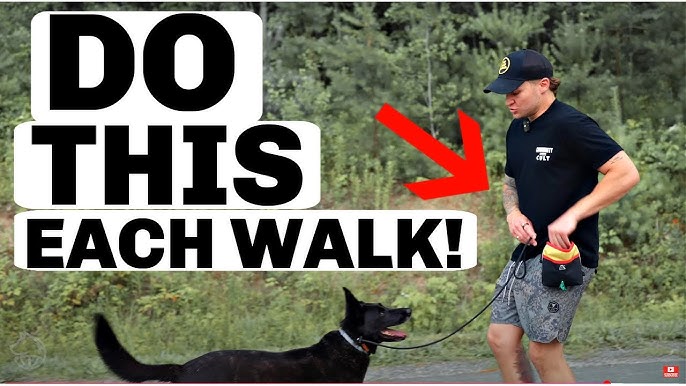
Credit: www.youtube.com
Essential Commands To Teach
Teaching basic commands like “come,” “stay,” and “heel” builds a strong foundation for off-leash training. Clear communication helps your dog understand boundaries and respond safely. Consistent practice creates trust and improves control during outdoor activities.
Training your dog to behave well off the leash is a rewarding challenge that strengthens your bond. Mastering essential commands is crucial for safety and control. These commands form the foundation of your dog’s behavior when exploring the world without a leash. Let’s explore some key commands that will help you and your pup enjoy off-leash adventures confidently.Reliable Recall
Reliable recall is the cornerstone of off-leash training. It ensures your dog returns to you promptly, regardless of distractions. Start in a controlled environment, using a consistent cue like “Come” or “Here.” Reward them with high-value treats or their favorite toy. Consistency and patience are key. Imagine the peace of mind knowing your dog will come back every time you call. Practice in different settings to reinforce their learning. Have you ever tried recall games? They make training fun and effective.Stay And Wait
The “Stay” and “Wait” commands teach your dog patience and impulse control. Begin by asking your dog to sit, then use a hand signal or verbal cue to make them stay. Gradually increase the distance and duration. “Stay” is especially useful when you need your dog to pause momentarily, like at a crosswalk. “Wait” comes in handy when you’re opening doors or want them to hold a position. How confident are you in your dog’s ability to stay calm when excitement is high?Heel And Loose Leash Walking
Off-leash walking doesn’t mean your dog should roam freely without direction. The “Heel” command keeps your dog close to you, maintaining a safe distance. Practice this by having your dog walk beside you on a loose leash, rewarding them for staying close. Loose leash walking is about maintaining control while giving your dog some freedom. It prevents them from pulling and ensures a pleasant walking experience. Ever noticed how a calm walk can set the tone for the rest of the day?Building Trust And Focus
Building trust and focus is the first step to training a dog off the leash. Dogs listen best when they feel safe and connected to their owner. Trust creates a strong bond, making your dog eager to follow commands. Focus helps your dog ignore distractions and pay attention to you. Together, trust and focus lay the foundation for successful off-leash training.
Using Positive Reinforcement
Positive reinforcement means rewarding your dog for good behavior. Use treats, praise, or toys to motivate your dog. Reward your dog immediately after they follow a command. This helps your dog link the action to the reward. Keep rewards consistent to build trust and encourage focus.
Creating Distraction-free Environments
Start training in quiet, calm places with few distractions. A distraction-free area helps your dog concentrate on you. Remove toys, other animals, and loud noises during training sessions. This makes it easier for your dog to learn commands. Once your dog is focused here, move to places with more distractions.
Gradual Exposure To Challenges
Slowly introduce new distractions and challenges during training. Begin with small distractions like a person walking by. Increase difficulty step by step, like other dogs or busy parks. Watch your dog’s reactions and adjust the pace. Gradual exposure builds your dog’s confidence and focus off the leash.
Step-by-step Off-leash Training Process
Training a dog to walk off the leash takes patience and careful steps. The process builds trust and clear communication between you and your dog. Start small and increase challenges slowly to keep your dog confident and focused. Follow these simple steps to help your dog learn off-leash skills safely.
Starting Indoors Or Enclosed Spaces
Begin training in a quiet, enclosed area like a room or fenced yard. This limits distractions and helps your dog focus on you. Use a leash at first, then let your dog explore off-leash while staying close. Call your dog often and reward with treats or praise when they respond. Keep sessions short and positive. Repeat until your dog comes reliably when called.
Practicing In Secure Outdoor Areas
Move training to a safe outdoor space, such as a fenced park or backyard. This exposes your dog to new sights and sounds but still controls the environment. Use a long leash or training lead to prevent running away. Practice basic commands off-leash like “come,” “sit,” and “stay.” Reward good behavior with treats or toys. Watch for signs of distraction and bring your dog back to focus quickly.
Increasing Distance And Distractions
Slowly increase the distance between you and your dog during training. Add distractions like other dogs, people, or noises to test your dog’s focus. Use a long training lead to keep control while giving your dog freedom. Call your dog frequently and reward immediately when they come. Always stay calm and patient. Repeat exercises often to build strong off-leash reliability.
Common Challenges And Solutions
Training your dog to be off the leash is a rewarding journey, but it comes with its own set of challenges. Understanding these common obstacles and how to tackle them can make your training more effective and less stressful. Here are key challenges you might face and practical ways to overcome them.
Handling Distractions
Distractions can pull your dog’s attention away from you quickly. Busy parks, other dogs, or even a squirrel can cause your dog to lose focus. To handle this, start training in a quiet area and gradually introduce distractions.
Use high-value treats or favorite toys to keep your dog’s focus. If your dog looks at you despite distractions, reward immediately. This teaches your dog that paying attention to you is more rewarding than the distractions around.
Managing Recall Failures
Recall failures happen when your dog doesn’t come back when called. This can be frustrating and dangerous. To improve recall, make coming back to you the best part of your dog’s day.
- Call your dog with an enthusiastic voice and open body language.
- Reward with treats, praise, or play when they return quickly.
- Practice recall in different environments to build reliability.
Ask yourself: Does your dog see coming back to you as a positive experience? If not, change how you reward recall.
Overcoming Fear And Anxiety
Fear and anxiety can stop your dog from enjoying off-leash freedom. Signs include trembling, hiding, or refusing to move. To help, create a safe and calm environment during training sessions.
Use gentle encouragement and avoid forcing your dog into uncomfortable situations. Slow exposure to new places and sounds helps build confidence. Celebrate small victories like taking a few steps away from you or approaching a new area.
Have you noticed any triggers that make your dog anxious? Understanding these can guide you in making training more comfortable.
Safety Tips For Off-leash Freedom
Giving your dog the freedom to roam off the leash can be a joyful experience for both of you. But it demands careful attention to safety to avoid risks that could spoil the moment. These safety tips will help you protect your dog while enjoying that well-earned off-leash time together.
Identifying Safe Locations
Choose areas where dogs are allowed off-leash and where hazards are minimal. Parks specifically designed for off-leash play often have fenced spaces that prevent your dog from running into traffic or getting lost.
Look for spots with good visibility so you can keep an eye on your dog at all times. Avoid places with dense brush, wild animals, or heavy foot traffic. Have you ever noticed how your dog reacts in crowded areas? Their comfort level can guide your location choice.
Using Identification And Microchips
Even the best-trained dogs can get distracted or startled and run off. Always equip your dog with a collar that has up-to-date ID tags displaying your contact information.
Microchipping is a reliable backup for identification that can reunite you with your pet if they get lost far from home. It’s a simple procedure that can save you a lot of worry. How confident are you that your dog can be identified quickly if they wander off?
Monitoring Weather And Environment
Check the weather before heading out. Hot pavement can burn paws, while icy conditions may cause slips or frostbite. Bring water to keep your dog hydrated, especially on warm days.
Watch for environmental dangers like ticks, snakes, or poisonous plants. These risks change with the season and location, so stay informed. What environmental hazards have you encountered during your outdoor adventures?
Tools And Equipment For Training
Training a dog off the leash needs the right tools and equipment. These help keep control and keep your dog safe. Proper gear makes training easier and more effective. Choose items that fit well and suit your dog’s size and behavior.
Collars And Harnesses
Collars and harnesses are basic tools for training. A flat collar works for most dogs. It holds ID tags and attaches to a leash. Harnesses spread pressure over the dog’s body. They are good for dogs that pull or have neck problems.
Look for adjustable collars and harnesses. Make sure they are snug but not tight. Avoid choke chains or prong collars for gentle training. The right fit keeps your dog comfortable and safe.
Long Lines And Training Leads
Long lines and training leads give your dog freedom while staying in control. These are long leashes, usually 15 to 30 feet. They allow your dog to explore and learn recall commands.
Choose strong, lightweight lines that don’t tangle easily. Nylon or biothane materials work well. Use a secure clip to attach to the collar or harness. Training leads help bridge the gap between on-leash and off-leash training.
Treats And Toys For Motivation
Treats and toys keep your dog interested during training. Use small, tasty treats your dog loves. High-value treats make your dog focus better and obey faster.
Toys work as rewards too. Play with a ball or tug toy to encourage good behavior. Switch between treats and toys to keep training fun. Motivated dogs learn commands quicker and enjoy training sessions more.
Maintaining Off-leash Skills Long-term
Maintaining off-leash skills over time requires dedication and routine. Dogs can forget commands without consistent reinforcement. Keeping their training sharp ensures safety and fun during free-roam time.
Regular Practice Sessions
Short, frequent practice sessions help keep commands fresh. Consistency builds confidence and obedience. Practice in different places to generalize skills. Use positive reinforcement to encourage good behavior.
Refreshing Commands
Review basic commands often to prevent confusion. Introduce new challenges slowly to maintain interest. Use clear, simple commands that your dog knows well. Reward success with treats or praise immediately.
Adapting To Dog’s Age And Health
Adjust training based on your dog’s physical condition. Older dogs may need gentler exercises and shorter sessions. Pay attention to signs of fatigue or discomfort. Modify activities to keep training safe and enjoyable.

Credit: offleashk9nova.com
Frequently Asked Questions
How Do I Start Off-leash Dog Training Safely?
Begin in a secure, fenced area to prevent escapes. Use a long training leash for control. Reward your dog for staying close and responding to commands consistently. Gradually increase freedom as your dog proves reliability.
What Commands Are Essential For Off-leash Training?
Essential commands include “come,” “stay,” “heel,” and “leave it. ” These ensure your dog’s safety and responsiveness. Practice regularly to reinforce these commands in various environments and distractions.
How Long Does Off-leash Training Usually Take?
Training duration varies by dog’s age, breed, and temperament. Typically, consistent daily sessions for several weeks yield good results. Patience and repetition are key for successful off-leash behavior.
Can All Dog Breeds Be Trained Off-leash?
Most breeds can learn off-leash control with proper training. However, some breeds have higher prey drives or independence, requiring extra focus. Tailor training methods to your dog’s personality and breed traits.
Conclusion
Training a dog off the leash takes time and patience. Start with small steps in safe areas. Use clear commands and positive rewards. Stay calm and consistent during every session. Trust builds slowly between you and your dog. Keep practicing daily to strengthen good habits.
Enjoy the process and celebrate small wins. Off-leash training improves your dog’s freedom and safety. Stay committed, and success will follow naturally.

Emily Barker is the founder of ChillDogLife.com, a space dedicated to helping pup parents discover the best dog products, lifestyle tips, and cozy ideas for happier homes.
A lifelong dog lover, Emily combines her passion for pets with a knack for research to share trusted recommendations on everything from toys and furniture to health and everyday care.
Her goal is simple: to make life easier, stylish, and more joyful for dogs and the people who love them.




