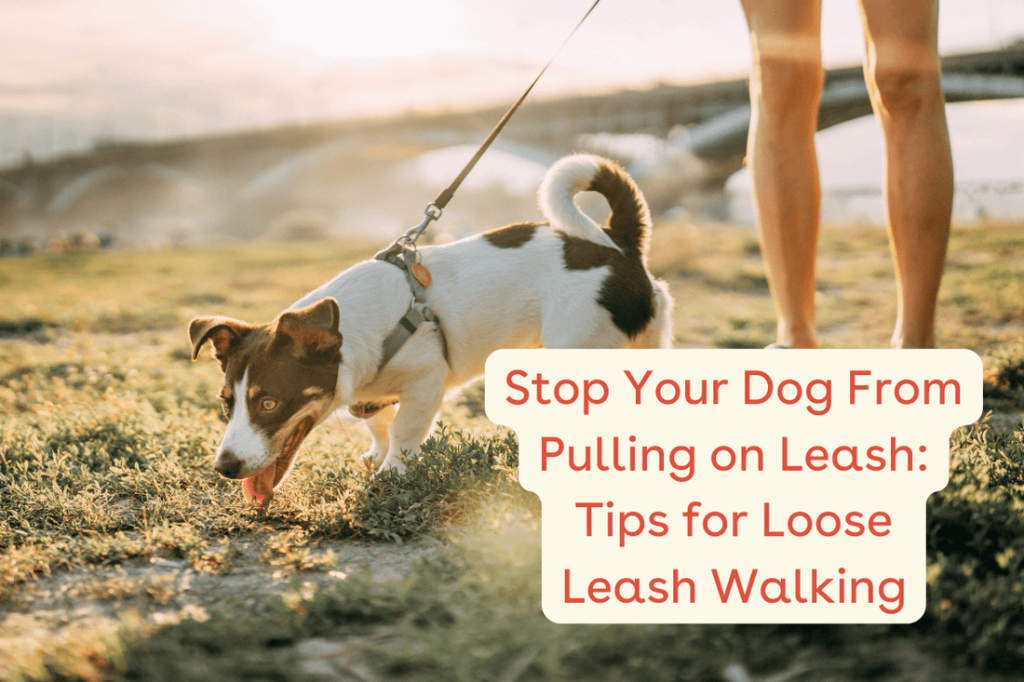
Leash training your dog can feel like a challenge, but it doesn’t have to be. Imagine walking your dog calmly by your side, enjoying every step without pulling or tugging.
You can get there, and this guide will show you exactly how. Whether you have a playful puppy or an older dog, these simple steps will help you build a strong connection and make walks more enjoyable for both of you.
Ready to take control and make leash time stress-free? Keep reading to discover the secrets to successful leash training.

Credit: www.youtube.com
Choosing The Right Leash And Collar
Choosing the right leash and collar is key to a smooth leash training experience. The right tools help your dog feel safe and comfortable. They also make training easier and more effective. Consider your dog’s size, behavior, and comfort when selecting these items.
Types Of Leashes
Leashes come in different styles and materials. Each type serves a unique purpose. Pick one that fits your training goals and your dog’s needs.
- Standard Leash:Made of nylon or leather. Usually 4 to 6 feet long. Good for everyday walks.
- Retractable Leash:Extends and retracts. Gives your dog more freedom. Use carefully to avoid tangles.
- Chain Leash:Durable and strong. Best for dogs that chew their leash.
- Slip Leash:Easy to put on. Tightens if the dog pulls. Ideal for quick control in training.
Selecting A Comfortable Collar
Choose a collar that fits well and feels soft. It should not be too tight or loose. Your dog should be able to breathe and move freely.
- Flat Collar:Common and adjustable. Suitable for most dogs.
- Martingale Collar:Tightens slightly if the dog pulls. Good for dogs that slip out.
- Harness:Fits around the body. Reduces strain on the neck. Best for dogs with respiratory issues or small breeds.
Safety Considerations
Safety is important in leash training. Check the leash and collar for strong materials and secure clips. Replace worn or broken parts immediately.
A collar with a quick-release buckle helps in emergencies. Avoid collars that choke or cause pain. Always supervise your dog during training.
Preparing Your Dog For Leash Training
Begin by letting your dog wear the leash indoors to get used to its feel. Use treats and praise to create a positive connection with the leash. Keep sessions short and calm to avoid overwhelming your dog.
Preparing your dog for leash training requires patience and a calm environment. This foundational step sets the stage for a positive training experience. Dogs can feel anxious with new routines. So, easing them into leash training is essential. Start in a familiar setting, like your home. This helps reduce distractions and makes your dog feel secure. Below are key steps to prepare your dog effectively.Introducing The Collar And Leash Indoors
Begin with the collar. Let your dog sniff and explore it. Ensure it’s comfortable and not too tight. Once your dog is at ease, attach the leash. Allow your dog to drag it around indoors. This helps them get used to the weight and feel. Keep these sessions short and positive. Praise your dog to reinforce good behavior.Getting Your Dog Comfortable
Gradually extend the time your dog wears the collar and leash. Watch for signs of discomfort. Use treats and praise to create positive associations. Play games or engage in fun activities while your dog wears the leash. This encourages them to see it as a normal part of life. Consistency is key. Regular short sessions build confidence.Basic Commands To Know
Teach basic commands like “sit” and “stay” before leash training outside. These commands help maintain control and focus. Use treats and verbal praise to reward success. Practice these commands in various indoor settings. This builds your dog’s ability to follow instructions. Consistent practice helps your dog associate commands with rewards.Starting Leash Training Sessions
Starting leash training sessions sets the tone for your dog’s behavior on walks. It’s important to create a calm and focused environment where your dog feels safe and motivated. Early sessions should build trust and understanding between you and your dog, making the leash a positive part of their routine.
Short And Positive Sessions
Keep initial training sessions brief—around 5 to 10 minutes. Dogs, especially puppies, have short attention spans and can get overwhelmed quickly. Ending sessions on a positive note helps your dog stay eager for the next training.
Try to stop before your dog shows signs of frustration or distraction. For instance, if your dog starts pulling or whining, it’s a good signal to wrap up. This way, you build excitement and avoid negative associations with the leash.
Using Treats And Rewards
Treats play a key role in encouraging your dog to enjoy leash training. Use small, tasty treats that your dog loves to keep their focus on you. Reward your dog immediately when they walk calmly by your side or respond well to your cues.
You can also mix in verbal praise and petting as rewards. This combination helps your dog understand that good leash behavior earns positive attention. Have treats ready and visible, so your dog knows good things happen when they behave well on the leash.
Encouraging Proper Walking Behavior
Guide your dog gently to walk beside you rather than pulling ahead. Use a consistent cue like “let’s go” or “heel” to signal the desired position. When your dog starts to pull, stop walking and wait for them to return to your side before moving again.
Patience is key here. It might take several tries before your dog learns that pulling doesn’t get them anywhere faster. How do you handle moments when your dog just wants to sprint ahead? Try turning in the opposite direction to regain their attention and keep control of the walk.
Credit: www.youtube.com
Handling Common Leash Problems
Handling common leash problems can feel frustrating, but understanding the root causes helps you guide your dog calmly and confidently. Many leash issues arise from your dog’s excitement, fear, or distractions in the environment. Addressing these challenges with patience and clear techniques makes walks more enjoyable for both of you.
Preventing Pulling
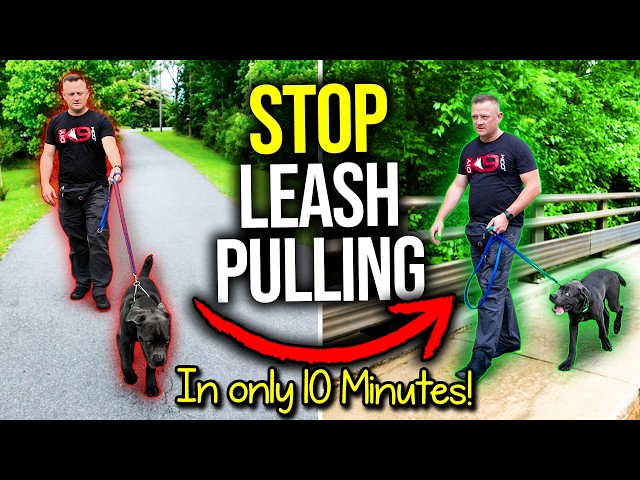
Pulling is one of the most common leash problems. Instead of tugging back, try stopping immediately when your dog pulls. This teaches them that pulling won’t get them where they want to go.
Use treats to reward your dog when they walk beside you with a loose leash. You can also try changing direction suddenly—this keeps your dog focused on you. Have you noticed how your dog’s attention shifts when you change pace or direction?
Managing Distractions
Distractions like other dogs, squirrels, or loud noises can cause your dog to lose focus. Start training in a quiet place and gradually add distractions as your dog improves. This step-by-step exposure helps build their attention span.
- Keep your dog close to you during walks.
- Use a high-value treat to redirect their attention.
- Call your dog’s name to regain focus.
Sometimes, walking near distracting sights without reacting is progress. How do you keep your dog’s focus when a tempting distraction appears?
Dealing With Anxiety Or Fear
Some dogs feel anxious or scared on leash, especially around new environments or loud noises. If your dog freezes or pulls to get away, try to identify what triggers their fear.
Use calm tones and slow movements to reassure your dog. Offering treats or toys can help associate positive experiences with the walk. Consider short, frequent walks to build confidence gradually.
Have you noticed what calms your dog down during stressful moments? Understanding this can turn tense walks into bonding opportunities.
Advancing Leash Skills
Once your dog is comfortable walking on a leash, it’s time to build on that foundation. Advancing leash skills means making walks more enjoyable and controlled for both of you. It involves pushing your dog’s limits gradually while keeping training positive and consistent.
Increasing Distance And Duration
Start by extending the length of your walks bit by bit. If your dog tires or gets distracted, shorten the walk and try again later. Pay attention to their energy and stress levels to avoid pushing too hard.
Try walking for five more minutes each session or moving a little farther from home. This helps your dog get used to staying focused on the leash for longer periods. Have treats ready to reward calm behavior throughout the walk.
Walking In Different Environments
Change up your walking locations to expose your dog to new sights and sounds. Parks, busy streets, and quiet trails all provide unique distractions and learning opportunities.
This variety teaches your dog to stay attentive no matter where you go. It can be tough at first, especially in noisy or crowded places. You might notice your dog pulling more or getting nervous—this is normal and means you’re challenging their skills.
- Stay calm and patient.
- Use treats or toys to regain focus.
- Keep sessions short if needed.
Introducing Commands While Walking
Adding commands during your walks deepens your dog’s understanding and control. Commands like “heel,” “sit,” and “wait” become useful tools to manage behavior in real time.
Practice these commands in low-distraction areas first, then use them gradually in busier spots. Reward your dog immediately when they respond well to encourage repeating the behavior.
Ask yourself: How can I make commands part of our daily routine without turning walks into a training session? Balancing fun and discipline keeps your dog eager to learn and walk with you happily.
Maintaining Good Leash Habits
Maintaining good leash habits is essential for both you and your dog to enjoy safe, stress-free walks. It’s not just about teaching your dog to walk by your side but about reinforcing behaviors that keep your outings pleasant every time. Consistency, regular practice, and recognizing progress all play a key role in building these habits.
Consistency And Patience
Your dog learns best when you stay consistent with rules and commands during walks. If you allow pulling sometimes but correct it other times, your dog will get confused. Patience is crucial—dogs don’t master leash manners overnight.
Think about a time when you rushed through training only to see your dog slip back into bad habits. How did that feel? Staying calm and consistent helps your dog understand what you expect clearly, reducing frustration for both of you.
Regular Practice Tips
- Set aside short, daily sessions rather than long, irregular ones to reinforce leash skills.
- Practice in different environments—quiet streets, parks, or busy sidewalks—to build your dog’s confidence.
- Use treats and praise to reward your dog for walking politely, keeping motivation high.
Try varying your routes to keep your dog engaged. A familiar setting helps, but new sights and smells teach your dog to focus despite distractions.
Celebrating Progress
Recognize even small improvements during walks. Has your dog stayed by your side a little longer? Did they respond quickly to a stop command? Celebrate these moments with enthusiastic praise or a favorite treat.
How often do you take time to acknowledge your dog’s wins? Celebrating progress builds a positive connection to leash training and encourages your dog to keep improving. Your excitement makes the journey rewarding for both of you.
Credit: www.youtube.com
Frequently Asked Questions
How Long Does Leash Training Take For Dogs?
Leash training duration varies by dog age and temperament. Most dogs learn basic leash manners within 1 to 3 weeks with consistent practice. Patience and positive reinforcement speed up progress. Regular short sessions are more effective than infrequent long ones.
What Are Common Leash Training Mistakes To Avoid?
Common mistakes include pulling the leash too hard, inconsistent commands, and rushing training. Avoid punishing your dog for pulling. Instead, use treats and praise to encourage good behavior. Consistency and patience are key to successful leash training.
When Should I Start Leash Training My Puppy?
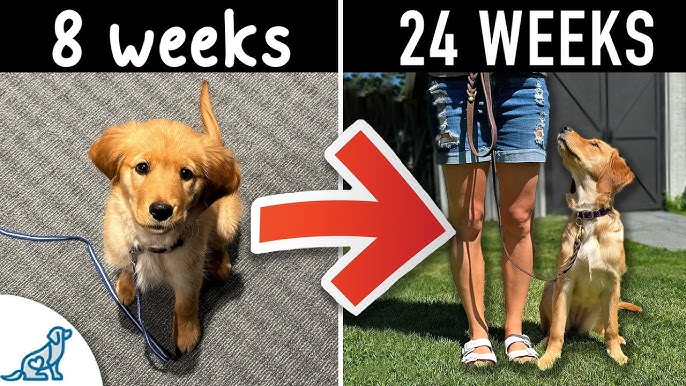
Start leash training as early as 8 weeks old. Early training helps puppies adapt to the leash and build good walking habits. Keep sessions short and positive to maintain your puppy’s interest and comfort.
How To Stop My Dog From Pulling On The Leash?
To stop pulling, stop walking when the dog pulls and resume only when the leash is slack. Use treats to reward walking beside you. Teaching the “heel” command also helps control pulling effectively.
Conclusion
Leash training your dog takes time and patience. Start slow and keep sessions short. Reward good behavior to encourage learning. Practice daily to build strong habits. Stay calm and consistent throughout the process. Soon, your dog will walk nicely beside you.
Enjoy safer, happier walks together every day. Training creates a better bond and trust. Keep practicing, and success will follow.

Emily Barker is the founder of ChillDogLife.com, a space dedicated to helping pup parents discover the best dog products, lifestyle tips, and cozy ideas for happier homes.
A lifelong dog lover, Emily combines her passion for pets with a knack for research to share trusted recommendations on everything from toys and furniture to health and everyday care.
Her goal is simple: to make life easier, stylish, and more joyful for dogs and the people who love them.




