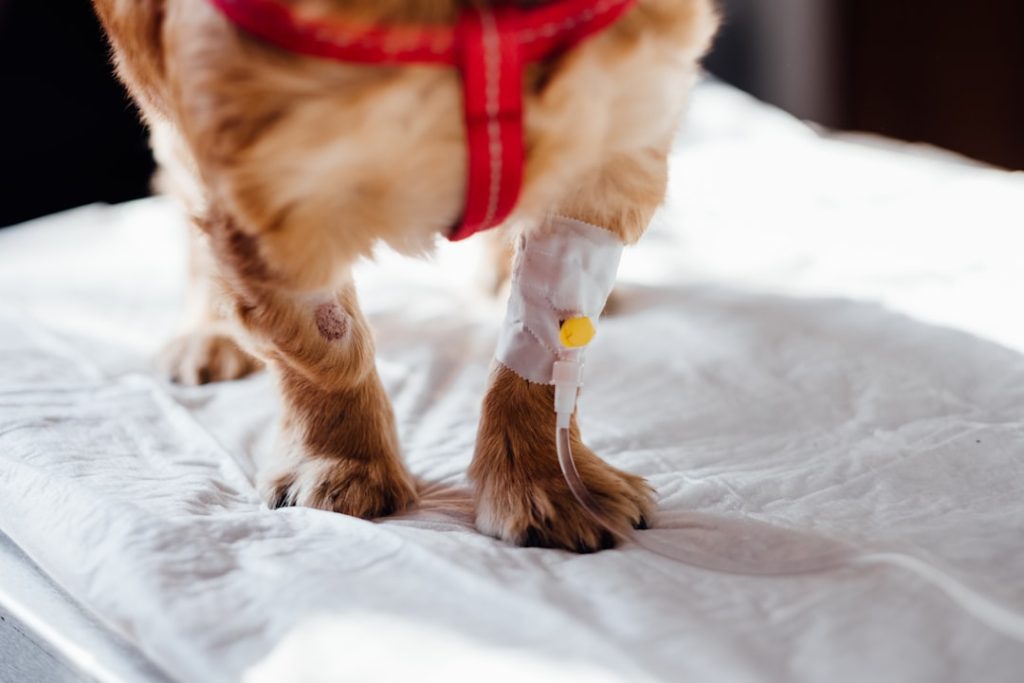
Is your dog suddenly having accidents inside the house? It can be frustrating and confusing, especially if your furry friend has been well-trained.
You might be wondering, “Why is this happening now? ” Understanding the reasons behind these accidents is the first step to fixing the problem. You’ll discover the common causes and simple solutions to help your dog get back on track.
Keep reading to find out how you can make life easier for both you and your pet.
Common Reasons For Accidents
Accidents happen when dogs urinate or defecate inside the house. Understanding why this happens helps solve the problem fast. Several common reasons cause these accidents. Some relate to health, others to behavior or environment. Training issues also play a big role. Let’s explore these factors to find the cause and fix it.
Medical Issues
Health problems often cause accidents. Urinary tract infections make it hard for dogs to hold urine. Kidney disease or diabetes increase urination frequency. Older dogs may have weak bladder muscles. Pain or discomfort can also stop them from going outside. A vet checkup can rule out or treat medical causes.
Behavioral Problems
Stress and anxiety lead to accidents. Dogs may feel nervous in loud or new places. Separation anxiety makes them urinate when alone. Some dogs mark their territory by peeing inside. Fear of punishment can cause hiding accidents. Understanding your dog’s emotions is key to help.
Environmental Changes
Changes at home affect a dog’s bathroom habits. Moving to a new house can confuse them. New family members or pets change routines. Changes in schedule or walking times disrupt habits. A sudden change in the yard or access to it can cause accidents. Keeping a routine helps dogs adjust.
Lack Of Training
Improper or incomplete training causes indoor accidents. Puppies need time and patience to learn. Dogs may not understand where to go. Owners sometimes miss signs of needing to go out. Consistent praise and regular bathroom breaks teach good habits. Training helps dogs know the right place to relieve themselves.
Credit: pethelpful.com
Signs To Watch For
Noticing your dog having accidents can be frustrating and worrying. It’s important to spot early warning signs that something might be wrong. Watching closely for changes can help you understand the cause and get your dog the right care quickly.
Changes In Urination Habits
If your dog suddenly starts urinating more often or in unusual places, pay attention. Are they having accidents right after going outside? This could mean they’re struggling to hold it or feeling pain when they pee.
You might also notice your dog straining or having a weak stream. These signs can point to infections or bladder issues. Have you observed any changes in how your dog drinks water? Drinking more than usual can also signal a problem.
Unusual Behavior
Dogs often try to hide discomfort by acting differently. If your dog seems restless, pacing, or whining, they might be trying to tell you they need help. Sometimes, they may avoid going outside or appear confused about where to relieve themselves.
Has your dog become more clingy or withdrawn? Changes like these can be linked to anxiety or cognitive issues that affect bathroom habits. Watching for shifts in mood and energy can give you clues beyond just accidents.
Physical Symptoms
Look for signs like redness, swelling, or discharge around your dog’s genitals. These can indicate infections or irritation causing accidents. Also, check for any lumps or bumps that weren’t there before.
Does your dog seem to be in pain when you touch certain areas? Limping, stiffness, or changes in posture might affect their ability to hold urine. Physical discomfort often plays a bigger role in accidents than you might expect.
Medical Causes To Consider
Accidents in dogs can be frustrating, but sometimes they signal underlying medical issues you need to know about. Ignoring these signs may worsen your dog’s health and behavior. Understanding the medical causes can help you act quickly and provide better care for your furry friend.
Urinary Tract Infections
Urinary tract infections (UTIs) are a common cause of accidents in dogs. They cause discomfort and urgency, making it hard for your dog to hold their bladder. If your dog suddenly starts having accidents, especially if they also lick their private area more often, a UTI might be the culprit.
UTIs are treatable with antibiotics, but only a vet can confirm the diagnosis through urine tests. Have you noticed your dog straining or whining when trying to pee? These signs warrant a vet visit immediately.
Kidney Problems
Kidney problems can make it difficult for your dog to control urination. Damaged kidneys can’t filter waste properly, which can increase urine production and lead to accidents. Older dogs are especially at risk, but younger pets can develop kidney issues too.
If your dog seems more tired, drinks more water, or has a change in appetite alongside accidents, kidney trouble could be the cause. Early diagnosis can improve the quality of life, so don’t wait if you spot these symptoms.
Diabetes
Diabetes causes excess sugar in the blood, which leads to increased thirst and urination. This means your dog may need to pee more frequently, making accidents more likely. If your dog is drinking and urinating a lot, diabetes should be on your radar.
Managing diabetes requires a vet’s help with insulin and diet changes. Have you seen your dog losing weight despite eating well? This could be another warning sign of diabetes.
Age-related Issues
As dogs age, they may lose muscle tone and bladder control. Cognitive decline can also confuse them about where and when to go. These changes don’t mean your dog is misbehaving; they need patience and sometimes medical support.
Have you noticed your senior dog forgetting their training or having accidents after years of being house-trained? Discussing age-related issues with your vet can open options like medication or special diets to ease this phase.
Credit: medium.com
Behavioral Causes Explained
Behavioral issues are common reasons dogs have accidents inside the house. Understanding these behaviors helps in addressing the problem properly. Dogs use urination to communicate feelings and mark spaces. Sometimes, accidents are not about health but about emotions and habits. Exploring common behavioral causes clarifies why your dog may be struggling with accidents.
Anxiety And Stress
Anxiety makes dogs feel unsafe and nervous. This can cause them to urinate unexpectedly. New environments or loud noises increase stress levels. Changes in routine also confuse dogs. They might not hold their bladder well during these times. Signs include pacing, whining, or hiding.
Marking Territory
Dogs mark territory by urinating on objects. This behavior is natural and linked to instincts. It helps dogs feel secure and communicate with others. Both male and female dogs can mark areas. Marking is different from regular urination. It is usually small and on vertical surfaces.
Separation Anxiety
Dogs with separation anxiety feel panic when alone. They may urinate as a response to fear. This behavior is common in dogs attached strongly to their owners. Signs include barking, chewing, and destruction besides accidents. Separation anxiety accidents often happen soon after the owner leaves.
Quick Fixes For Accidents
Accidents happen, but they don’t have to become a constant issue in your home. Quick fixes can make a big difference in managing and reducing your dog’s accidents. The key is to act fast, stay consistent, and create an environment that supports good habits.
Consistent Potty Training
Consistency is the backbone of successful potty training. Set a regular schedule for bathroom breaks and stick to it every day. Dogs thrive on routine, so taking your dog out first thing in the morning, after meals, and before bedtime helps them learn when and where to go.
Pay attention to signs your dog needs to go, like sniffing or circling. Reward them immediately after they eliminate outside to reinforce positive behavior. Have you noticed how even a few missed cues can lead to setbacks? Staying vigilant helps prevent accidents before they start.
Cleaning And Deodorizing
Accidents leave more than just stains; odors can invite your dog to go in the same spot again. Use an enzymatic cleaner designed specifically for pet messes to break down the smell completely. Ordinary cleaners might mask the odor but won’t stop your dog from returning to that spot.
Don’t rush through cleanup—thoroughly soak the area and let it dry before allowing your dog back inside. This prevents repeat accidents and keeps your home smelling fresh. How often do you inspect your home for hidden smells your dog might detect but you can’t?
Creating A Safe Space
Dogs often have accidents out of stress or confusion. Creating a safe, quiet space can help your dog feel secure and reduce anxiety-related accidents. Use a crate or a designated room with their bed, toys, and water where they can relax comfortably.
Limit access to other parts of the house until your dog shows consistent control. This controlled environment helps you monitor their behavior closely and catch signs of needing to go out. Have you tried giving your dog a calm retreat during stressful times?
When To Visit The Vet
Knowing when to visit the vet is crucial if your dog starts having accidents indoors. Sometimes, accidents are more than just behavior issues—they can signal underlying health problems that need professional care. If you notice unusual patterns or other worrying signs, don’t wait to get a vet’s opinion.
Persistent Accidents
If your dog continues to have accidents despite consistent training, it’s time to consider a vet visit. Persistent accidents can indicate urinary tract infections, bladder stones, or other medical conditions. Don’t ignore these signs just because your dog is house-trained.
Think about how often the accidents happen. Is it every day or just once in a while? Regular accidents suggest something more than just a temporary problem.
Signs Of Illness
Watch for symptoms like vomiting, diarrhea, or unusual odors in your dog’s urine or feces. These signs often accompany accidents and hint at illness. If your dog seems uncomfortable, in pain, or restless, a vet check is necessary.
Remember, dogs can’t tell you what’s wrong. Their accidents might be their way of showing distress. Early diagnosis can prevent serious complications.
Changes In Appetite Or Energy
Has your dog’s eating habits changed? Are they less playful or more tired than usual? These shifts often go hand-in-hand with accidents and signal health issues.
Sometimes, even a small drop in energy or appetite can reveal a big problem. You should note these changes and bring them up during your vet visit. Your observations are valuable clues for the vet to make the right diagnosis.
Preventing Future Accidents
Preventing future accidents is key to maintaining a happy and healthy relationship with your dog. Understanding the reasons behind accidents helps you take practical steps to reduce them. Consistency, patience, and attention to your dog’s needs play a huge role in preventing these mishaps.
Regular Bathroom Breaks
Dogs need frequent opportunities to relieve themselves, especially puppies and senior dogs. Skipping bathroom breaks can lead to accidents indoors. Try setting a schedule that matches your dog’s age and activity level, and stick to it.
For example, I noticed my dog’s accidents decreased dramatically when I started taking him out every two hours during the day. Have you tracked how often your dog really needs to go outside? You might be surprised.
Positive Reinforcement
Rewarding your dog for going outside encourages good habits. Use treats, praise, or playtime immediately after your dog finishes in the right spot. This helps your dog connect outdoor bathroom habits with positive outcomes.
Remember, scolding or punishment can confuse your dog and worsen accidents. Instead, focus on celebrating successes and gently guiding your dog back on track when accidents happen.
Routine And Environment
Dogs thrive on routine, and so do their bathroom habits. Feeding and walking your dog at the same times daily can reduce surprises indoors. Changing your dog’s environment suddenly may cause stress and accidents.
Think about any recent changes at home—new furniture, visitors, or even a different walking route. Could these be affecting your dog’s comfort and control? Keeping a calm, consistent environment often leads to fewer accidents.

Credit: www.youtube.com
Frequently Asked Questions
Why Is My Dog Suddenly Having Accidents Indoors?
Sudden indoor accidents often result from medical issues, stress, or changes in routine. Consult a vet to rule out infections or bladder problems. Consistent training and a calm environment also help reduce accidents.
Could Health Problems Cause My Dog’s Accidents?
Yes, urinary tract infections, kidney disease, or diabetes can cause accidents. A vet visit can diagnose these conditions early. Treating underlying health issues usually stops the accidents.
How Can Stress Lead To My Dog’s Accidents?
Stress from new environments, loud noises, or changes in family can cause accidents. Dogs may lose control or mark territory. Reducing stress and creating a secure space helps manage this behavior.
Are Age-related Issues Behind My Dog’s Accidents?
Older dogs may develop cognitive decline or incontinence, leading to accidents. Regular vet check-ups and special care can improve their quality of life. Adjusting routines to their needs is essential.
Conclusion
Understanding why your dog has accidents is crucial. It helps ensure their well-being. Stress, medical issues, or diet changes can be reasons. Keep a close watch on their behavior. Consult a vet if problems persist. Training and patience are key to resolving issues.
Dogs need guidance and love. They rely on you for care. Stay attentive to their needs. Consistency in routines helps them feel secure. A happy dog means fewer accidents. Your bond grows stronger with understanding and patience. Always be gentle and patient with your furry friend.
They deserve your best efforts.

Emily Barker is the founder of ChillDogLife.com, a space dedicated to helping pup parents discover the best dog products, lifestyle tips, and cozy ideas for happier homes.
A lifelong dog lover, Emily combines her passion for pets with a knack for research to share trusted recommendations on everything from toys and furniture to health and everyday care.
Her goal is simple: to make life easier, stylish, and more joyful for dogs and the people who love them.




