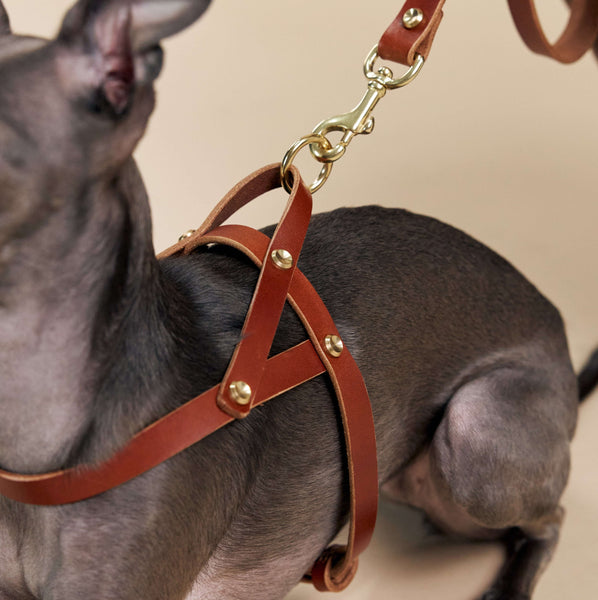
Are you wondering if dog harnesses might actually be bad for your furry friend? You’ve probably seen plenty of harness options out there, each promising safety and comfort.
But are they really as safe as they seem? Understanding the truth about dog harnesses can make a big difference in your pet’s health and happiness. Keep reading to discover what you need to know before choosing the right gear for your dog’s walks.
Types Of Dog Harnesses
Dog harnesses come in different types. Each type serves a specific purpose. Choosing the right harness depends on your dog’s needs and behavior. Understanding these types helps you pick the best option for safe walks.
Back-clip Harnesses
Back-clip harnesses have a leash ring on the dog’s back. They are easy to put on and comfortable for dogs. These harnesses work well for dogs that walk calmly. They do not control pulling effectively.
Front-clip Harnesses
Front-clip harnesses have a leash ring on the chest. They help reduce pulling by steering the dog back. These harnesses give better control during walks. They are good for dogs that pull a lot.
No-pull Harnesses
No-pull harnesses often combine front and back clips. They discourage pulling by distributing pressure evenly. These harnesses train dogs to walk nicely on leash. They are helpful for strong or energetic dogs.
Step-in Harnesses
Step-in harnesses are easy to wear by stepping into them. They secure around the dog’s legs and chest. These harnesses are simple for dogs that dislike overhead styles. They offer comfort and security during walks.
Benefits Of Using Harnesses
Dog harnesses offer several benefits that enhance walking experiences for both dogs and their owners. They provide better control, safety, and comfort, making them a preferred choice for many pet parents.
Improved Control And Safety
A harness gives owners more control over their dogs. It wraps around the dog’s body, distributing pressure evenly. This design helps guide and control the dog more effectively during walks. With a harness, the risk of the dog slipping out is reduced. This makes walks safer for both the dog and the owner.
Reduced Strain On Dog’s Neck
Traditional collars can strain a dog’s neck, especially if they pull. Harnesses distribute the pressure across the dog’s chest and back. This reduces the risk of injury to the neck and throat. It’s a gentler option for dogs who pull or have respiratory issues.
Better For Small Or Delicate Breeds
Small or delicate breeds often have fragile necks. Harnesses provide support and comfort for these breeds. They prevent neck injuries and ensure a comfortable walking experience. A harness can be especially beneficial for puppies and small dogs.
Potential Drawbacks Of Harnesses
Harnesses are often praised for their control and safety benefits, but they aren’t without flaws. Understanding the potential drawbacks can help you make better choices for your dog’s comfort and health. Let’s look closely at some common issues that can arise from using dog harnesses.
Improper Fit Issues
A harness that doesn’t fit well can cause more harm than good. If it’s too tight, your dog might feel restricted or even experience breathing difficulties. On the other hand, a loose harness can lead to slipping out, which defeats its purpose entirely.
Think about the last time you tried on something that was either too tight or too loose—it’s uncomfortable and distracting. Your dog feels the same way. Checking fit regularly as your dog moves or grows is essential to avoid these problems.
Risk Of Chafing Or Discomfort
Harnesses can rub against your dog’s skin, especially if worn for long periods. This constant friction might cause chafing, redness, or even sores, particularly in sensitive areas like under the armpits. The material and design of the harness play a big role in how much irritation occurs.
When I first used a harness on my energetic Labrador, I noticed redness after a few walks. Switching to a padded, breathable fabric made a noticeable difference. Have you checked your dog’s skin after walks lately? Small signs of discomfort can add up quickly.
Possible Impact On Natural Movement
Some harness designs can restrict your dog’s natural movement, affecting their gait and overall comfort. A bulky or poorly designed harness might limit shoulder or leg motion, making walking or running feel awkward. Over time, this can lead to muscle strain or joint issues.
Watching your dog move freely before and after putting on a harness can reveal a lot. Does your dog hesitate or change pace? These subtle changes might signal that the harness isn’t a good fit for their natural style. What adjustments can you make to improve their freedom of movement?
Common Misconceptions About Harnesses
There are many myths floating around about dog harnesses that can confuse pet owners. These misunderstandings might make you hesitate before choosing a harness for your dog. Let’s clear up some common misconceptions so you can make the best choice for your furry friend’s comfort and safety.
Harnesses Cause Behavior Problems
Some believe that using a harness leads to bad behavior like pulling or aggression. Actually, a well-fitted harness can reduce pulling by giving you better control without hurting your dog’s neck. I once switched to a no-pull harness with my hyperactive lab, and walks became calmer and more enjoyable for both of us.
Behavior issues usually come from how you train and interact with your dog, not the harness itself. Have you noticed how your dog reacts differently when you change the way you walk them?
Harnesses Are Only For Training
Many people think harnesses are just training tools. In reality, harnesses are useful for everyday walks, hiking, and even car rides with a safety tether. They spread pressure evenly across your dog’s body, which is gentler than a collar that focuses force on the neck.
If you’re worried about safety or comfort, using a harness regularly can be a smart choice, not just during training sessions. Does your dog seem more comfortable with a harness compared to a collar?
Harnesses Are Less Safe Than Collars
This is a common concern, but harnesses often provide better safety than collars. Collars can cause neck injuries if your dog pulls hard or suddenly jerks. Harnesses minimize this risk by distributing force across the chest and shoulders.
Plus, some harness designs include reflective strips and secure buckles for added protection. Would you prefer a safer option that can prevent choking or neck strain during your daily walks?
Choosing The Right Harness
Choosing the right harness is important for your dog’s safety and comfort. A well-fitting harness can prevent injuries and make walks enjoyable. It also helps control your dog gently without causing pain or stress. Focus on size, material, and comfort features to find the best option.
Measuring Your Dog Correctly
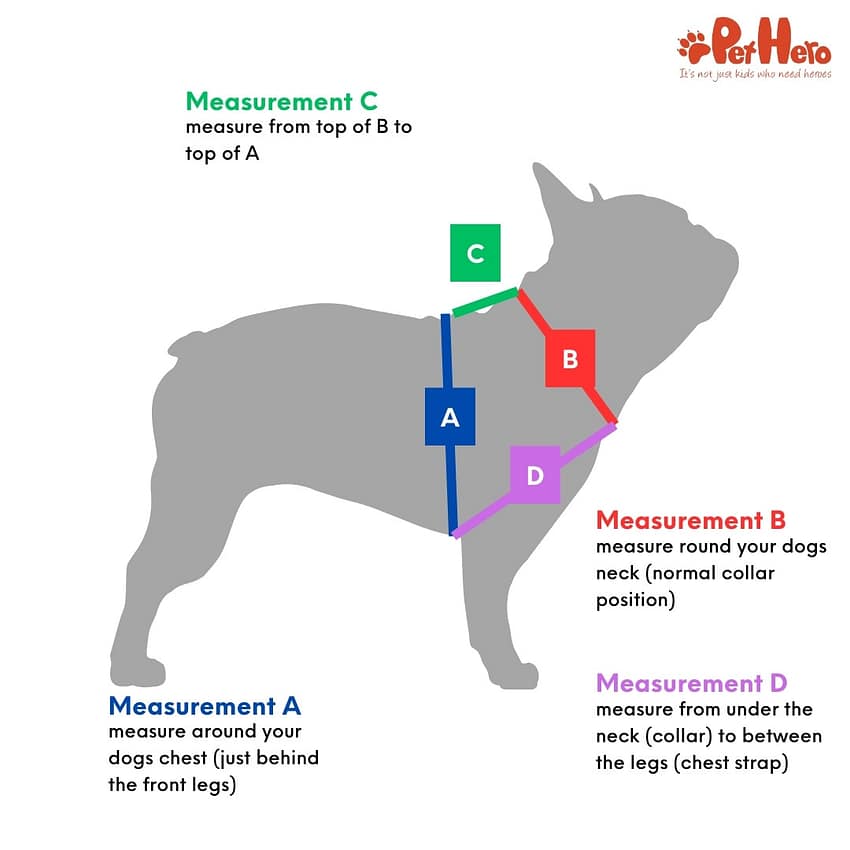
Measure your dog before buying a harness. Use a soft tape to get accurate sizes. Measure around the widest part of the chest, just behind the front legs. Also, measure the neck where the collar usually sits. Check the harness size chart to match these numbers. A harness too tight can cause chafing. Too loose, and your dog might slip out.
Material And Durability
Choose materials that are strong and gentle on the skin. Nylon and polyester are common and last long. Look for padded sections to reduce rubbing and irritation. Avoid cheap materials that can break easily. Durable harnesses save money and keep your dog safe. Weather-resistant fabrics are good for outdoor walks.
Adjustability And Comfort Features
Adjustable straps help fit the harness perfectly to your dog’s shape. Look for harnesses with multiple adjustment points around the neck and chest. Padding adds extra comfort for long walks or active dogs. Some harnesses have breathable mesh to keep your dog cool. Easy-to-use buckles make putting on and taking off quick and simple.
Credit: pethero.co.za
Proper Harness Usage Tips
Proper harness usage makes all the difference in your dog’s comfort and safety. A well-used harness prevents injuries and improves control. It also helps your dog feel secure and enjoy walks more. Follow these tips to get the best from your dog harness.
Fitting And Adjusting The Harness
Choose a harness that fits your dog’s size and shape. Measure your dog’s chest and neck before buying. Adjust all straps so the harness is snug but not tight. You should fit two fingers between the harness and your dog’s skin. Check that the harness does not rub or pinch anywhere. A loose harness can cause chafing or let your dog slip out. Proper fit supports your dog’s movement without restriction.
Training Your Dog To Wear It
Introduce the harness slowly and calmly. Let your dog sniff and explore it first. Use treats and praise to create positive feelings. Put the harness on for short times at first. Gradually increase the time as your dog gets used to it. Never force the harness on your dog. Make wearing the harness a fun part of daily routine. Training helps your dog stay calm and cooperative.
Regular Inspection And Maintenance
Check the harness before each walk. Look for worn straps, broken buckles, or loose stitching. Clean the harness regularly to remove dirt and sweat. Use mild soap and water, then air dry. Replace the harness if it shows signs of damage. A strong, clean harness lasts longer and stays safe. Regular care keeps your dog comfortable and protected.
Alternatives To Harnesses
If harnesses don’t feel right for your dog, you have other choices that might suit your needs better. Each alternative offers different benefits depending on your dog’s behavior and your walking style. Let’s look at some options that keep your dog safe and comfortable without relying on a harness.
Collars And Leashes
Simple collars paired with strong leashes remain a popular choice. They come in various styles, from flat collars to martingale collars, which tighten slightly if your dog pulls but don’t choke. I once switched to a martingale collar for my dog who loved to slip out of his harness, and it worked wonders without causing discomfort.
Choose collars made of comfortable materials like nylon or leather. Make sure the fit is snug but not too tight—two fingers should fit between the collar and your dog’s neck. Using a sturdy leash with a comfortable grip will give you better control during walks.
Head Halters
Head halters wrap around your dog’s muzzle and neck, gently guiding the head to control pulling. They don’t hurt if used correctly but require some training for your dog to accept them. When my friend used a head halter on her strong Labrador, she noticed walks became calmer and more enjoyable for both of them.
This tool works best for dogs that pull hard or are easily distracted. Start by letting your dog wear the halter indoors for short periods, rewarding calm behavior. Patience is key here, but the results can be impressive if you stick with it.
No-leash Training Options
Training your dog to walk calmly without any leash can be a rewarding experience. It demands consistent practice, clear commands, and a secure, safe environment. I’ve seen dogs respond positively when their owners invested time in no-leash training, leading to freedom and trust on walks.
Start in a fenced area or a quiet park where your dog won’t run off. Use positive reinforcement to encourage your dog to stay close and come when called. If you’re up for the challenge, this method can deepen your bond and reduce dependency on physical restraints.

Credit: www.cnn.com

Credit: pupford.com
Frequently Asked Questions
Are Dog Harnesses Harmful To Dogs?
Dog harnesses are generally safe when properly fitted. They reduce strain on the neck and distribute pressure evenly. Poorly fitted harnesses can cause discomfort or chafing, so choose the right size and style for your dog’s breed and activity level.
Do Harnesses Cause Choking In Dogs?
No, harnesses do not cause choking because they avoid the neck area. Unlike collars, harnesses distribute pressure across the chest and shoulders, reducing the risk of throat injury or choking during walks or training.
Can Dog Harnesses Prevent Pulling Effectively?
Yes, many harnesses are designed to reduce pulling. Front-clip harnesses redirect your dog’s motion, discouraging pulling behavior. Consistent training combined with the right harness can make walks more enjoyable and controlled.
Are Harnesses Better Than Collars For Puppies?
Harnesses are often safer for puppies as they protect the delicate neck area. They provide better control and prevent choking, making walks safer and more comfortable during early training stages.
Conclusion
Dog harnesses offer many benefits but also come with some risks. Choosing the right harness matters a lot. It should fit well and suit your dog’s size and activity. Always watch your dog for signs of discomfort or irritation. Proper use helps avoid common problems like chafing or pulling.
Harnesses are not bad by nature; how you use them makes the difference. Careful selection and regular checks keep your dog safe and happy. In the end, a harness can be a helpful tool with simple care.

Emily Barker is the founder of ChillDogLife.com, a space dedicated to helping pup parents discover the best dog products, lifestyle tips, and cozy ideas for happier homes.
A lifelong dog lover, Emily combines her passion for pets with a knack for research to share trusted recommendations on everything from toys and furniture to health and everyday care.
Her goal is simple: to make life easier, stylish, and more joyful for dogs and the people who love them.




