
Are you looking for a safe and comfortable space for your dog that fits perfectly in your home? Building your own dog crate might be the best choice you make.
Not only can you customize it to suit your dog’s size and personality, but you’ll also save money and create something truly special. Imagine having a crate that feels like a cozy den for your furry friend, built by your own hands.
Ready to learn how you can make this happen? Keep reading to discover simple steps and tips that will make your DIY dog crate project easy and fun.
Choosing The Right Materials
Selecting sturdy and safe materials ensures your dog crate lasts long and keeps your pet comfortable. Wood and metal are common choices that offer strength and stability. Choose materials that are easy to clean and fit your dog’s size well.
Choosing the right materials is crucial for your DIY dog crate project. The right materials ensure durability, safety, and a pleasant appearance. This section will guide you through selecting the best materials. Let’s look at wood types, safe paints, and essential tools.Wood Types For Durability
Wood is a popular choice for dog crates. It provides strength and a natural look. Choose hardwoods like oak or maple for durability. Pine is a softer option but still reliable. Consider plywood for budget-friendly builds. Ensure the wood is smooth to prevent splinters. Sand all surfaces well.Safe Paints And Finishes
Safety is key when selecting paints. Use non-toxic, pet-safe paints and finishes. Look for water-based options. They emit fewer harmful fumes. Avoid lead-based paints. For a glossy finish, choose a non-toxic varnish. Ensure all coatings dry thoroughly before use. This prevents potential ingestion.Essential Tools Needed
Gather the right tools for a smooth build. Basic tools include:- Saw for cutting wood
- Drill for creating holes
- Screwdriver for assembling parts
- Hammer for securing nails
- Sandpaper for smoothing edges
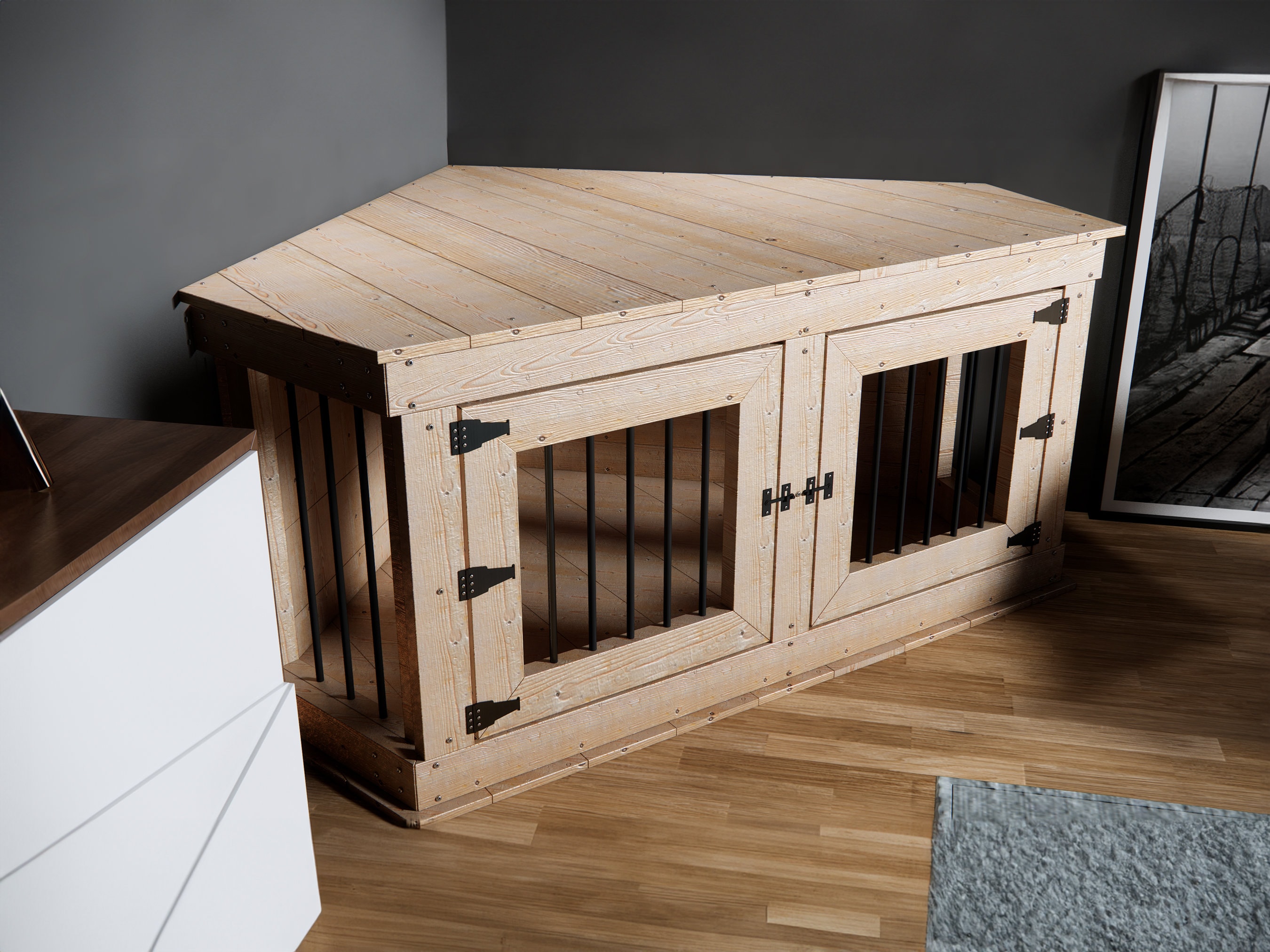
Credit: www.etsy.com
Designing Your Dog Crate
Designing your dog crate is more than just building a box—it’s about creating a safe and comfy space for your furry friend. The right design supports your dog’s wellbeing and makes crate training easier. Paying attention to details like size, airflow, and door design can make a big difference in how your dog feels inside.
Sizing For Comfort
Your dog’s crate should feel like a cozy den, not a tight cage. Measure your dog’s length from nose to tail and height while sitting to find the perfect size.
Give your dog enough room to stand up, turn around, and lie down comfortably. Too small can cause stress, too big might feel unsafe. Think about your dog’s growth if they are still a puppy—planning ahead saves time and money.
Ventilation And Visibility
Good airflow keeps the crate fresh and prevents overheating. Plan for plenty of openings or mesh panels to let air move freely.
Your dog likes to see outside but also needs privacy. Balancing visibility with some solid panels can reduce anxiety by letting your dog watch you while still feeling secure.
Have you noticed how dogs prefer different spots in the house? Their crate should offer similar comfort by connecting them visually with their environment without overwhelming them.
Door And Latch Options
Choosing the right door and latch affects both safety and ease of use. Sliding doors work well in small spaces, while hinged doors give a more traditional look.
Secure latches prevent accidental escapes but should be simple enough for you to open quickly. Consider double-latch designs if your dog is a clever escape artist.
Think about your daily routine—do you want to open the door with one hand while carrying something? Small details like this improve your experience and your dog’s comfort.
Step-by-step Construction
Building a dog crate yourself offers more than just savings—it allows you to tailor the design to fit your space and your dog’s comfort perfectly. Each phase of construction requires care and precision, but the satisfaction of seeing your furry friend settle into a crate you made is unmatched. Let’s break down the process into clear, manageable tasks that make the project less daunting and more rewarding.
Cutting And Preparing Wood
Start by selecting sturdy, pet-safe wood like pine or plywood. Measure your dog carefully to determine the crate’s size, ensuring enough room to stand, turn, and lie down comfortably.
Cut the wood panels according to your measurements. Smooth all edges with sandpaper to prevent splinters—your dog will thank you for that extra attention to detail.
Do you have a reliable saw? A circular saw works well for straight cuts, but a jigsaw might be better for any curves or custom shapes you want to add.
Assembling The Frame
Lay out the cut wood pieces on a flat surface. Align the base, sides, back, and top panels before fastening them together.
Use wood screws for a strong hold, and pre-drill holes to avoid splitting the wood. Clamps can help keep the frame steady while you work.
Consider reinforcing corners with metal brackets to add durability. This is especially useful if your dog is a strong chewer or tends to scratch the crate.
Installing Doors And Hardware
Choose a door design that suits your dog’s personality and your home’s style—a sliding door or a hinged door can work well.
Attach hinges to the door panel and then secure it to the frame. Test the door’s swing to make sure it opens smoothly and closes securely.
Add a latch or lock that’s easy for you to operate but keeps your dog safely inside. Remember, the hardware should be pet-safe with no sharp edges or small parts that could be swallowed.
Adding Comfort Features
Adding comfort features to your DIY dog crate transforms it from a simple enclosure into a cozy retreat your dog will love. Comfort isn’t just about softness; it’s about creating a space that feels safe and inviting. Think about your dog’s favorite spots at home—what makes those places special? You can bring those elements into the crate to make it truly theirs.
Choosing Bedding Materials
Start by selecting the right bedding. Soft, washable fabrics like fleece or cotton work well because they are gentle on your dog’s skin and easy to clean. Memory foam pads provide extra support, especially for older dogs with joint issues.
Consider layering different materials—a firm base with a soft top layer offers both comfort and durability. If your dog tends to chew, look for tougher fabrics or covers that can be replaced easily. Have you noticed your dog prefers warm spots? Adding a heated pad or blanket might be the perfect touch.
Including Toys And Accessories
Toys keep your dog entertained and reduce anxiety when they’re in the crate. Pick chew toys or puzzle toys that suit your dog’s play style and size. You could also include a favorite blanket or a small stuffed animal to make the crate feel more familiar.
Think about what your dog enjoys outside the crate and bring those elements inside. Hanging a soft toy or attaching a treat-dispensing accessory can keep them occupied. What kind of accessories does your dog interact with the most? Adding those can make your crate a place they look forward to.
Personalizing With Paint Or Stencils
Personalizing the crate makes it unique and shows your dog that this space is theirs. Use non-toxic, pet-safe paint to add colors or patterns that match your home or your dog’s personality. Stencils are great for adding names, paw prints, or fun shapes without requiring artistic skills.
Think about the style you want—modern, rustic, or playful—and choose colors accordingly. Bright colors can make the crate more inviting, while soft tones create a calming vibe. Have you tried letting your dog “choose” a color by seeing their reaction? Sometimes their interest can guide your design choices.
Safety And Maintenance Tips
Keeping your DIY dog crate safe and clean is key for your pet’s health. Regular care helps prevent accidents and keeps the crate comfortable. Follow simple safety and maintenance tips to ensure your dog’s space stays fresh and secure.
Regular Cleaning Routines
Clean the crate often to remove dirt and odors. Use mild soap and warm water for washing. Dry the crate completely before letting your dog inside. Wash bedding and toys weekly to avoid bacteria. A clean crate keeps your dog happy and healthy.
Inspecting For Wear And Tear
Check the crate regularly for damage. Look for sharp edges, loose parts, or broken wires. Tighten any screws or bolts that are loose. Replace worn-out materials to avoid injury. Early inspection stops small problems from becoming big ones.
Preventing Common Hazards
Remove any small objects that your dog could swallow. Avoid toxic paints and chemicals when building the crate. Make sure there is no splintered wood or exposed nails. Keep the crate in a safe area away from heat or water. A hazard-free crate protects your dog every day.
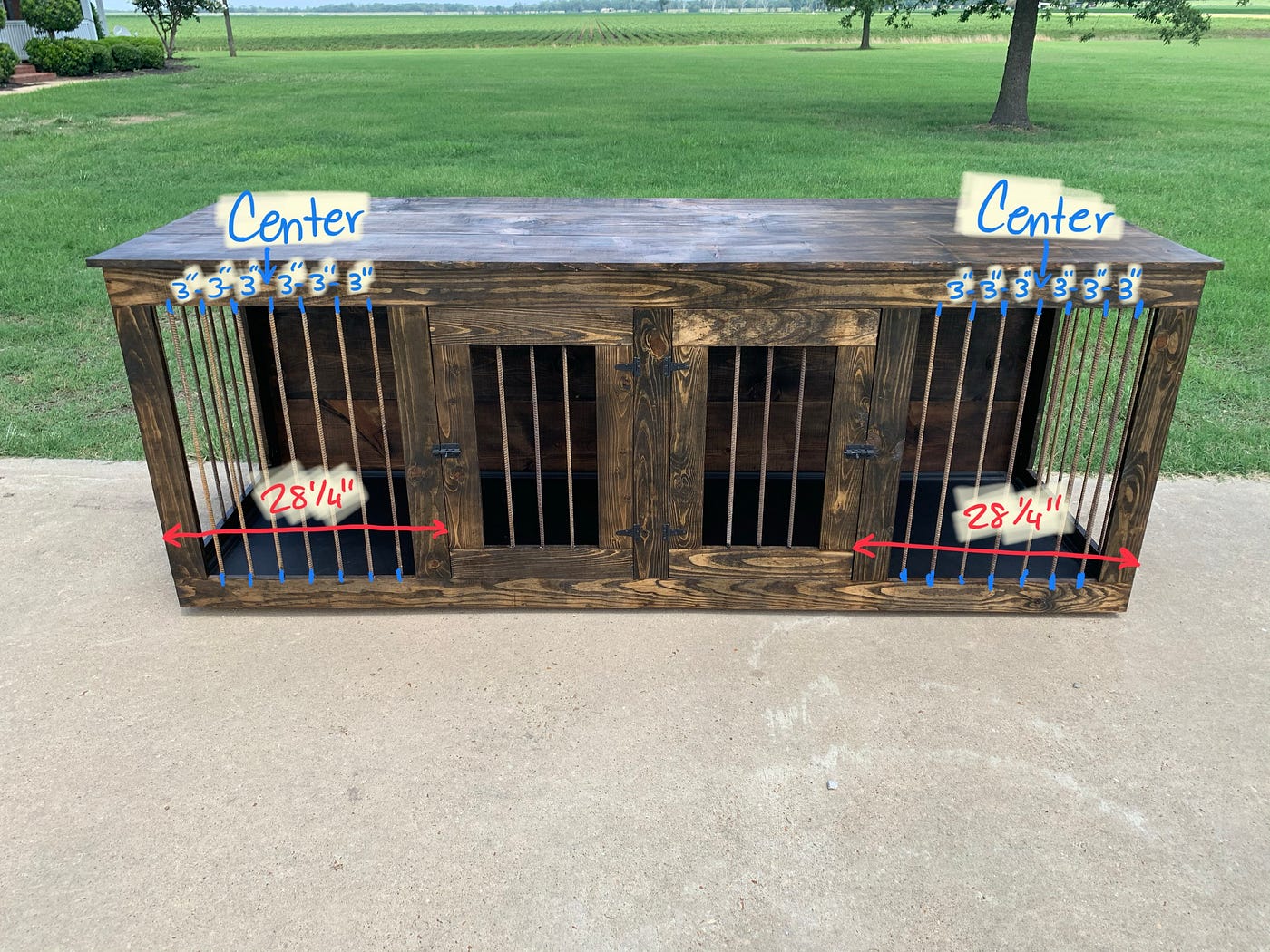
Credit: gagejohnson19.medium.com
Training Your Dog To Use The Crate
Training your dog to use a crate takes patience and care. It helps your dog feel safe and comfortable in a new space. A well-trained dog will see the crate as a cozy den, not a place of punishment. Consistency and kindness are key to success.
Introducing The Crate Gradually
Start by placing the crate in a quiet room. Leave the door open so your dog can explore freely. Put soft bedding and some toys inside for comfort. Let your dog enter and exit the crate at will. Spend short times near the crate, praising calm behavior. Slowly increase the time your dog spends inside with the door closed.
Positive Reinforcement Techniques
Use treats to reward your dog for entering the crate. Speak in a calm, happy voice to encourage them. Give a treat each time your dog stays calm inside. Avoid forcing your dog into the crate. Praise your dog often to build positive feelings. Make crate time a happy part of daily routine.
Managing Separation Anxiety
Start crate training during short separations. Leave your dog alone for a few minutes at first. Return before your dog feels stressed. Gradually increase the time apart to build trust. Provide toys that keep your dog busy inside. Keep arrivals and departures calm to reduce anxiety. If your dog cries, wait for calm before opening the door.
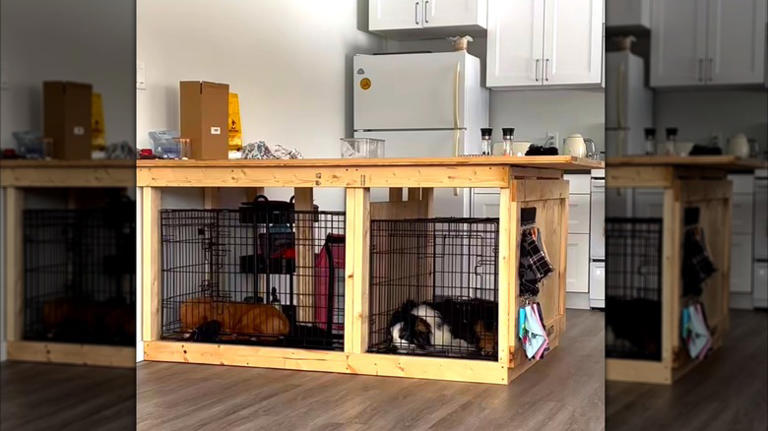
Credit: www.msn.com
Frequently Asked Questions
What Materials Do I Need For A Diy Dog Crate?
You need wood panels, screws, hinges, and a latch. Sandpaper and non-toxic paint are useful for finishing. Ensure materials are sturdy and pet-safe for durability and safety.
How Do I Choose The Right Size For A Diy Crate?
Measure your dog’s length, height, and width. Add extra space for comfort and movement. The crate should be large enough for your dog to stand, turn, and lie down.
Is Building A Diy Dog Crate Cost-effective?
Yes, DIY crates often cost less than store-bought options. You control material quality and design. This can save money while creating a custom, personalized crate for your dog.
How Can I Ensure My Diy Crate Is Safe?
Use smooth, splinter-free wood and secure all parts tightly. Avoid sharp edges and toxic finishes. Proper ventilation and sturdy construction prevent accidents and ensure your dog’s safety.
Conclusion
Building your own dog crate saves money and fits your dog’s needs. It gives you control over size and design. You can use safe materials and make it comfortable. Plus, it feels good to create something with your own hands.
Just follow simple steps and take your time. Your dog will love having a cozy, custom space. DIY dog crates bring both fun and function together. Start your project and enjoy the process!

Emily Barker is the founder of ChillDogLife.com, a space dedicated to helping pup parents discover the best dog products, lifestyle tips, and cozy ideas for happier homes.
A lifelong dog lover, Emily combines her passion for pets with a knack for research to share trusted recommendations on everything from toys and furniture to health and everyday care.
Her goal is simple: to make life easier, stylish, and more joyful for dogs and the people who love them.




