Choosing the right harness size for your dog is more important than you might think. A harness that fits perfectly keeps your dog comfortable, safe, and happy during every walk.
But how do you know which size is best for your furry friend? If you’ve ever struggled with harnesses that are too tight, too loose, or just plain uncomfortable, you’re not alone. You’ll discover simple tips and easy steps to find the perfect fit for your dog.
Keep reading to make sure your next walk is the best one yet!
Choosing The Right Harness Size
Choosing the right harness size for your dog ensures comfort and safety during walks. A well-fitted harness prevents chafing and slipping. It also gives you better control. Knowing how to measure your dog and understand sizing charts helps you pick the perfect fit.
Measuring Your Dog Correctly
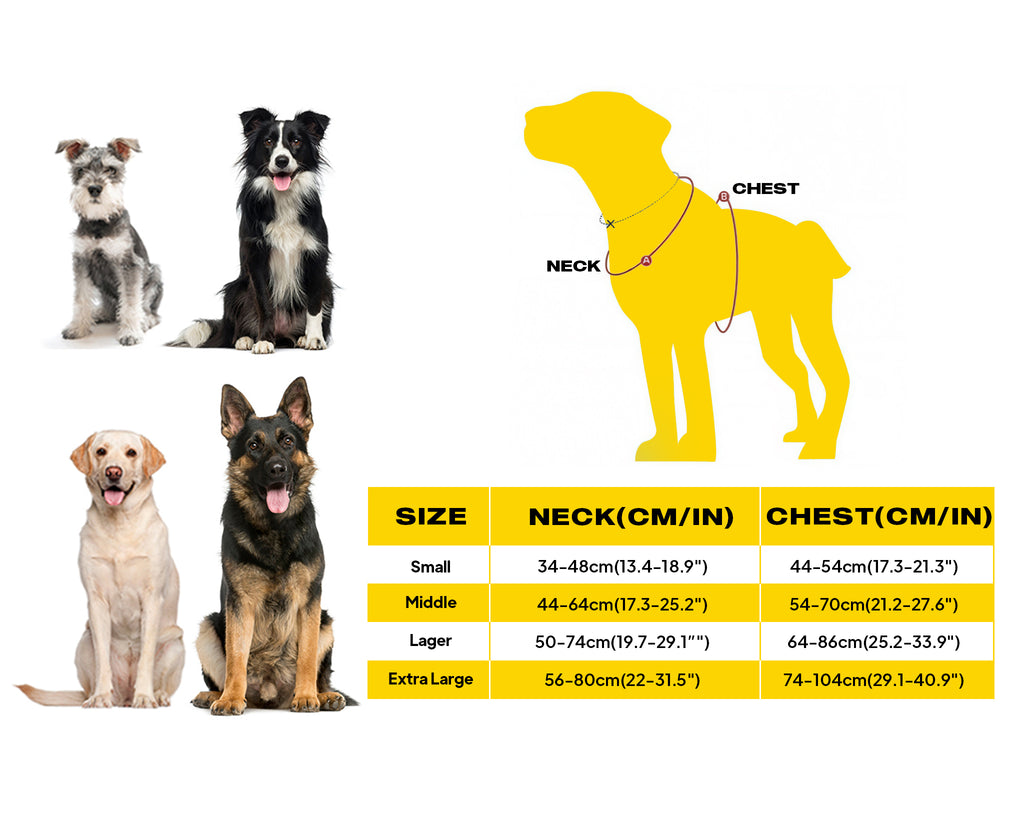
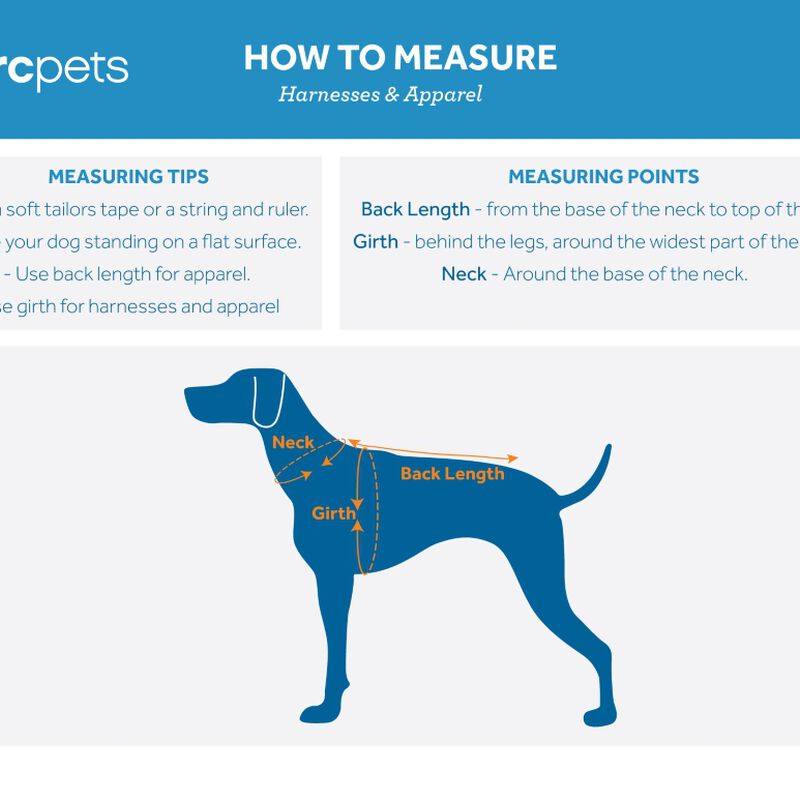
Use a soft tape measure for accurate results. Measure your dog’s chest at the widest part, usually just behind the front legs. Measure around the neck where the collar usually sits. Keep the tape snug but not tight. Write down these numbers for reference.
Key Measurements To Consider
- Chest Girth:Most important for harness fit. It should be snug but allow two fingers to fit underneath.
- Neck Circumference:Helps avoid a harness that is too tight or loose at the neck.
- Length:Some harnesses require back length to ensure proper coverage.
Common Sizing Charts Explained
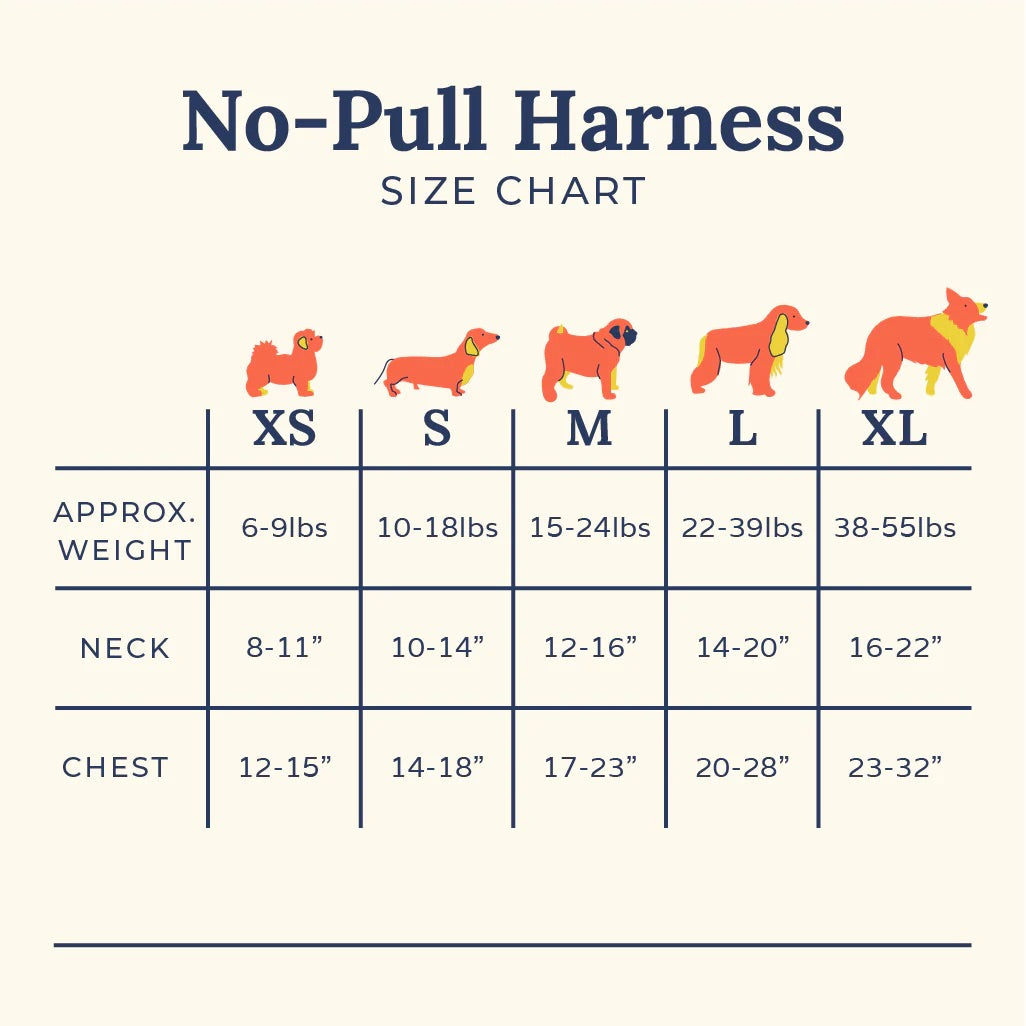
Sizing charts vary by brand but usually list chest and neck measurements. Sizes often range from XS to XL. Here is a simple example:
| Size | Chest Girth (inches) | Neck Circumference (inches) |
|---|---|---|
| XS | 12 – 16 | 8 – 12 |
| S | 16 – 20 | 12 – 14 |
| M | 20 – 26 | 14 – 18 |
| L | 26 – 32 | 18 – 22 |
| XL | 32 – 38 | 22 – 26 |
Always check the brand’s own chart before buying. Sizes can differ between makers.
Credit: www.lucyand.co
Types Of Dog Harnesses
Choosing the right harness type helps control your dog during walks. Different harnesses suit different needs and dog behaviors. Some focus on comfort, others on training or safety. Understanding each type makes picking easier and safer for your pet.
Back-clip Harness
This harness has a clip on the dog’s back. It is simple and comfortable for most dogs. It works well for dogs who walk calmly. The clip attaches to the leash on the dog’s back. This style gives the dog freedom to move.
Front-clip Harness
The leash clip is on the dog’s chest in this harness. It helps control dogs that pull during walks. When the dog pulls, it turns their body toward you. This discourages pulling and improves walking behavior. Front-clip harnesses offer more control than back-clip ones.
Dual-clip Harness
This harness has clips both on the back and front. It gives you options to choose the clip based on the situation. Use the back clip for calm walks. Switch to the front clip for training or pulling control. Dual-clip harnesses are versatile and practical for many dogs.
Step-in Harness
Dogs step into this harness with their front legs. It fastens on the back after stepping in. This design is easy to put on and take off. It fits snugly and is good for small or nervous dogs. Step-in harnesses offer comfort and simplicity.
Material And Comfort Factors
Choosing the right harness material is key for your dog’s comfort and safety. The right fabric keeps your dog cool and happy during walks. Comfort also depends on padding and how well the harness fits. A good harness should adjust easily to your dog’s body. Let’s explore these important factors.
Breathable Fabrics
Breathable fabrics prevent overheating and skin irritation. Mesh and nylon are common choices. Mesh lets air flow freely and keeps your dog cool. Nylon is strong and dries quickly after rain or baths. Avoid heavy or non-breathable materials that trap heat.
Padding And Support
Soft padding protects your dog’s chest and shoulders from pressure. Look for harnesses with foam or neoprene padding. Padding reduces chafing and discomfort during long walks. Support helps distribute force evenly, preventing strain on your dog’s neck.
Adjustability Features
Adjustable straps ensure a snug but comfortable fit. Check for harnesses with multiple adjustment points. This helps customize the fit for different body shapes. Easy adjustments mean you can tighten or loosen the harness quickly. A proper fit stops your dog from slipping out or feeling too tight.
Special Considerations For Different Breeds
Choosing the right harness size depends on your dog’s breed. Different breeds have unique body types. These differences affect harness fit and comfort. Knowing these special considerations helps ensure safety and ease. Each group has specific needs to keep in mind.
Small Breeds
Small breeds need lightweight, soft harnesses. Their bones and joints are delicate. Padding prevents chafing and discomfort. Adjustable straps help achieve a snug fit without tightness.
Common small breeds like Chihuahuas or Pomeranians benefit from harnesses that:
- Distribute pressure evenly
- Avoid bulky designs
- Include reflective materials for visibility
Large Breeds
Large breeds require durable, strong harnesses. Their size and strength demand extra support. A well-built harness reduces strain on the neck and back.
Breeds like German Shepherds or Labradors thrive with harnesses that:
- Have wide straps for better weight distribution
- Feature reinforced stitching
- Include secure buckles to withstand pulling
Dogs With Unique Body Shapes
Some breeds have unusual body shapes. Examples include Dachshunds with long bodies or Bulldogs with broad chests. These shapes need special harness styles to fit well.
Look for harnesses that:
- Offer extra adjustability around the chest and neck
- Have flexible materials to adapt to curves
- Provide comfort without restricting movement
Common Sizing Mistakes To Avoid
Choosing the right harness size for your dog is important for comfort and safety. Many dog owners make simple mistakes that cause discomfort or poor fit. Avoid these common errors to keep your dog happy and secure during walks.
Too Tight Or Too Loose
A harness that is too tight can hurt your dog’s skin and restrict movement. It may cause chafing or breathing problems. On the other hand, a loose harness can slip off or cause your dog to trip. Always leave enough room to fit two fingers between the harness and your dog’s body.
Ignoring Weight And Age
Weight and age affect your dog’s size and shape. Puppies grow quickly and need adjustable harnesses. Older dogs may lose muscle or gain weight, changing their fit. Choose a harness that suits your dog’s current body and allows for changes over time.
Not Testing Fit Before Purchase
Buying a harness without trying it on your dog can lead to wrong sizes. Always measure your dog’s chest and neck first. Check the harness fit by putting it on your dog and adjusting straps. A good fit feels snug but not tight and lets your dog move freely.
Credit: www.renspets.com
Tips For Trying Harnesses On Your Dog
Trying a harness on your dog needs patience and care. A good fit keeps your dog safe and comfortable. Start slowly and watch your dog’s reactions closely. Use treats and praise to make the experience positive. This helps your dog feel calm and happy with the new gear.
How To Introduce The Harness
Let your dog sniff and see the harness first. Hold it near your dog and offer a treat. Put the harness on for a few seconds, then remove it. Repeat this several times to build trust. Gradually increase the time your dog wears the harness.
Checking For Proper Fit
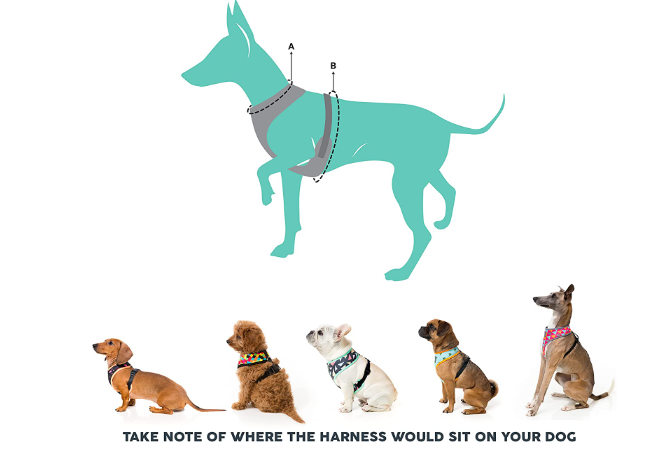
Check the harness fits snugly but not tight. You should fit two fingers between the harness and your dog’s body. Make sure it does not rub or pinch the skin. The harness should allow free movement without slipping off. Look for signs of discomfort like scratching or biting.
Adjusting Straps Safely
Adjust straps slowly and evenly on both sides. Avoid pulling straps too tight in one area. Use the buckles to secure the harness firmly. Check strap positions after your dog moves around. Re-adjust if the harness shifts or feels loose.
When To Replace Your Dog’s Harness
Knowing when to replace your dog’s harness is just as important as choosing the right size. A worn-out or ill-fitting harness can cause discomfort or even injury to your furry friend. Paying attention to specific signs and changes will help you decide the perfect time to get a new one.
Signs Of Wear And Tear
Check your dog’s harness regularly for any damage. Look for frayed straps, broken buckles, or loose stitching that could fail during a walk. A harness showing these signs is no longer safe and should be replaced immediately.
Have you ever noticed your dog slipping out of the harness? That could be a red flag indicating the harness no longer fits securely due to wear. Don’t wait for a close call—replace it before your dog escapes.
Changes In Your Dog’s Size
Dogs grow, lose weight, or gain muscle, and their harness needs to keep up. If your dog’s harness feels too tight or loose, it’s time to measure their chest and neck again. A snug, comfortable fit prevents chafing and keeps your dog safe on every walk.
I once ignored my pup’s changing size and kept using an old harness. He started pulling uncomfortably, and I realized a new harness was necessary to avoid injury. Measuring your dog every few months saves you from similar trouble.
Upgrading For Activity Level
Your dog’s lifestyle might change, requiring a different kind of harness. If you’ve started hiking, running, or training, look for a harness designed for high activity. These often offer better support and durability for energetic dogs.
Think about the activities you enjoy with your dog. Does your current harness support those adventures? Upgrading ensures your dog stays comfortable and secure, no matter the activity.
Credit: medium.com
Frequently Asked Questions
How Do I Measure My Dog For A Harness?
Measure your dog’s chest girth at the widest point behind the front legs. Also, measure the neck circumference. Use a soft tape measure for accuracy. These measurements help select a harness that fits snugly without causing discomfort or restricting movement.
What Harness Size Fits Small Dog Breeds?
Small dog breeds typically fit harnesses labeled XS or S. Check the manufacturer’s size chart against your dog’s measurements. A proper fit ensures safety and comfort during walks. Avoid harnesses that are too loose or too tight.
Can A Wrong Harness Size Harm My Dog?
Yes, an incorrect harness size can cause chafing, discomfort, and injury. A tight harness restricts movement, while a loose one risks slipping off. Choosing the right size ensures your dog’s safety and comfort during walks.
Should I Consider Breed When Choosing Harness Size?
Breed gives a general idea but always rely on actual measurements. Different dogs within the same breed vary in size. Measure your dog for the best fit rather than guessing by breed alone.
Conclusion
Choosing the right harness size keeps your dog safe and comfy. Measure carefully. Check the fit regularly as your dog grows. A snug, secure harness prevents escapes and injuries. Different breeds need different styles. Always consider your dog’s unique body shape.
Visit a pet store if unsure. Experts can help with the right choice. Remember, a well-fitted harness makes walks enjoyable for both you and your dog. Prioritize comfort and safety. Happy walking with your furry friend!

Emily Barker is the founder of ChillDogLife.com, a space dedicated to helping pup parents discover the best dog products, lifestyle tips, and cozy ideas for happier homes.
A lifelong dog lover, Emily combines her passion for pets with a knack for research to share trusted recommendations on everything from toys and furniture to health and everyday care.
Her goal is simple: to make life easier, stylish, and more joyful for dogs and the people who love them.




