
Are you tired of your dog barking all night in their crate? You’re not alone.
Many dog owners struggle with this issue, and it can make nights stressful for both you and your furry friend. The good news is, you can teach your dog to stay calm and quiet while in their crate at night.
You’ll discover simple, effective steps that work. By the end, you’ll have a peaceful nighttime routine that benefits both you and your dog. Keep reading to find out how to stop dog barking in the crate at night once and for all.
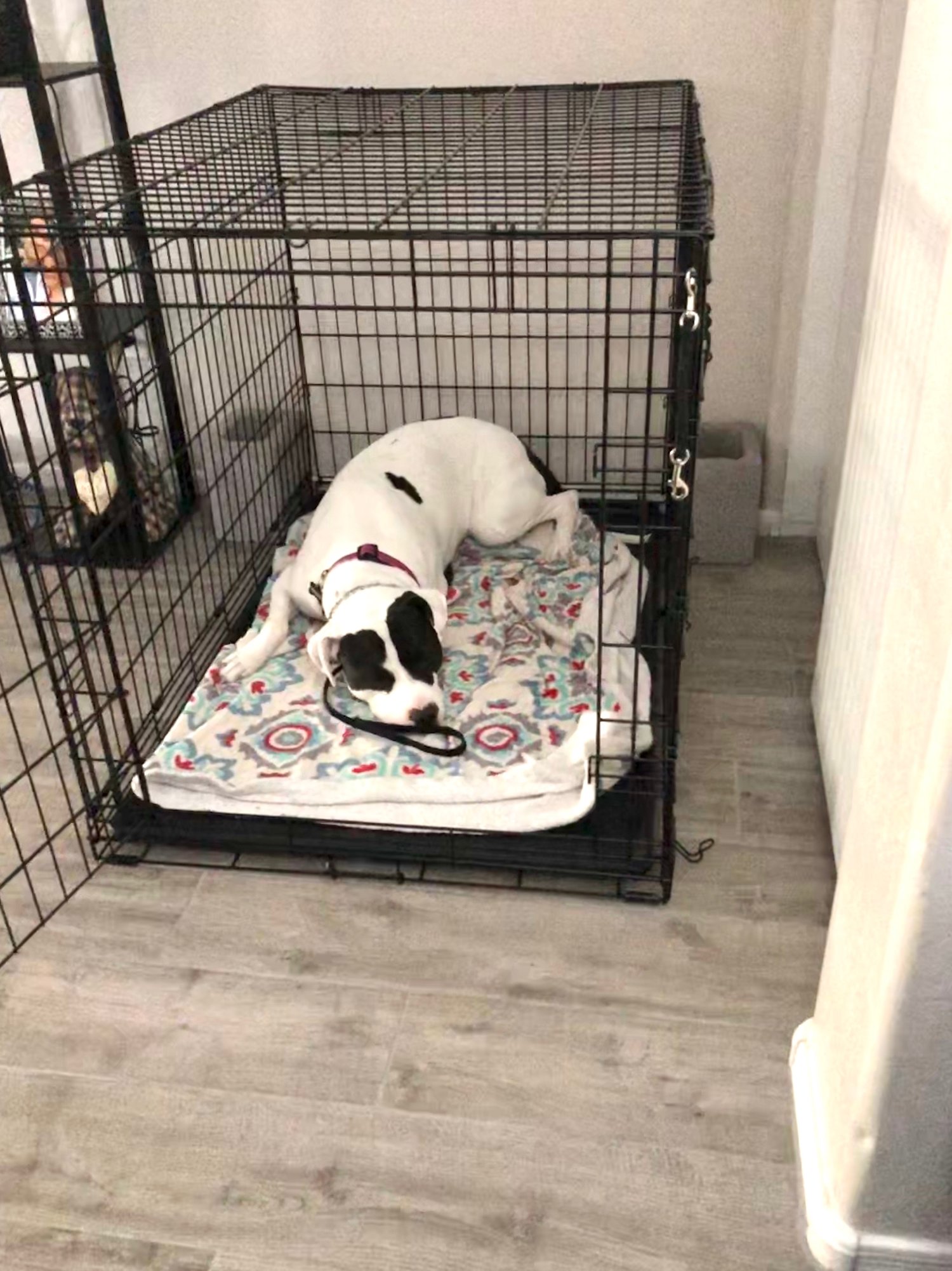
Credit: www.sadiesrulesk9training.com
Reasons Dogs Bark In Crates
Understanding why your dog barks in their crate at night is key to stopping the behavior. Barking is a form of communication, and your dog may be trying to tell you something important. Identifying the root cause helps you address their needs effectively and create a calm sleeping environment.
Separation Anxiety
Dogs often bark in their crate because they feel anxious being away from you. They might see the crate as a lonely place and express their distress through barking. If your dog’s barking sounds desperate or continuous, separation anxiety could be the reason.
Have you noticed your dog pacing or whining before barking? These signs often come with anxiety. Helping your dog feel safe by gradually increasing crate time and using comforting items like a worn shirt can reduce this stress.
Discomfort Or Need
Sometimes, barking means your dog is uncomfortable or has a basic need. They might be too hot, cold, or need to relieve themselves. Check if the crate is the right size or if your dog has access to water before bedtime.
Think about your dog’s last bathroom break and meal time. Could they be hungry, thirsty, or needing to go out? Addressing these needs before crate time can prevent barking caused by discomfort.
Lack Of Exercise
A tired dog is a quiet dog. Barking can be a sign of pent-up energy that your dog hasn’t released during the day. If your dog is restless in the crate, consider adding more playtime or a longer walk before bedtime.
Do you notice your dog has trouble settling down at night? Increasing daily physical activity helps calm their mind and body, making crate time easier and quieter.
Attention Seeking
Dogs quickly learn that barking gets your attention. If you rush to them every time they bark, you might unintentionally encourage this behavior. It’s important to reward quiet behavior instead of responding to barking.
Try ignoring the barking and only giving attention when your dog is calm and quiet. This teaches them that silence, not noise, is what earns your focus and love.
Preparing The Crate Environment
Creating the right crate environment can make a huge difference in stopping your dog from barking at night. Dogs need to feel safe and comfortable in their space to relax and settle down. You can’t expect your dog to rest if the crate feels more like a cage than a cozy den.
Comfortable Bedding
Soft bedding can calm your dog and invite restful sleep. Choose materials that are gentle on your dog’s skin and easy to clean. Adding a familiar blanket can also provide warmth and a sense of security.
I once switched to a memory foam bed for my dog, and the nighttime barking dropped dramatically. It seemed like the extra comfort helped her settle faster. Have you noticed how a simple change like bedding can affect your dog’s mood?
Proper Crate Size
Make sure the crate is just the right size—not too big, not too small. Your dog should be able to stand, turn, and lie down comfortably. A crate that’s too large might encourage your dog to use one corner as a bathroom, while a cramped space can cause stress and barking.
Think about your dog’s size now and in the future. Puppies grow quickly, so choose a crate with adjustable dividers or plan to upgrade as needed. Would you feel calm if you were stuck in a space that didn’t fit you properly?
Soothing Sounds
Background noise can help mask outside sounds that trigger barking. A white noise machine or soft classical music can create a peaceful atmosphere. This little addition can help your dog focus on rest instead of reacting to every noise.
Try leaving the radio on low volume or a fan running. Sometimes, these simple sounds make the difference between barking and sleeping. What noises seem to soothe your dog during the day?
Favorite Toys
Including your dog’s favorite toys in the crate can provide comfort and distraction. Chew toys, soft plushies, or puzzle toys keep your dog engaged and reduce anxiety. Toys also make the crate feel like a positive space rather than a punishment.
Rotate the toys regularly to keep your dog interested. I noticed my dog barked less when she had her favorite squeaky toy inside the crate. What toys does your dog reach for when they want to feel safe?
Establishing A Nighttime Routine
Establishing a nighttime routine helps your dog feel safe and calm in the crate. Dogs thrive on predictability. A steady routine signals that it is time to settle down for the night. This reduces anxiety and stops barking in the crate.
Consistent Bedtime
Set the same bedtime every night. Dogs respond well to regular schedules. This routine helps their body clock adjust. They learn when to expect sleep and rest better. Consistency reduces confusion and nighttime barking.
Exercise Before Bed
Give your dog a good walk or playtime before bedtime. Physical activity tires them out. A tired dog is less likely to bark or feel restless in the crate. Keep exercise calm and not too close to bedtime to avoid overstimulation.
Bathroom Breaks
Take your dog out for a bathroom break before bedtime. This prevents discomfort and the need to bark for attention. A full bladder can cause restless behavior in the crate. A quick potty break helps your dog sleep peacefully.
Calming Activities
Engage your dog in calming activities before placing them in the crate. Gentle petting, soft music, or quiet chew toys work well. These activities ease stress and prepare your dog for rest. A calm mind means less barking and more sleep.

Credit: m.youtube.com
Training Techniques To Reduce Barking
Training your dog to stop barking in the crate at night takes patience and consistency. Using the right techniques can help your dog feel safe and quiet while inside. Here are some effective ways to reduce barking through training that you can start tonight.
Positive Reinforcement
Reward your dog when they stay quiet in the crate. Use treats, gentle praise, or their favorite toy to show them that silence brings good things. This helps your dog understand that calm behavior gets attention and rewards.
Try giving a treat right after your dog stops barking, not while they bark. This timing makes the connection clear. Over time, your dog will learn that being quiet is more rewarding than barking.
Ignoring Barking
Sometimes, attention fuels barking. If your dog barks for attention, try ignoring them instead of responding. Avoid eye contact, speaking, or letting them out of the crate while they bark.
This can be tough, but if you respond every time, your dog thinks barking works. The silence you keep will eventually teach them barking doesn’t get results. Stay consistent and don’t give in, even if it’s hard at first.
Using Commands
Teach your dog a simple command like “quiet” to stop barking on cue. Start by saying the command when your dog is calm, then reward them. Gradually use the command when they start barking and reward silence.
Practice this during the day first. Once your dog understands, use it in the crate at night. A clear command gives your dog a way to know what you want instead of just guessing.
Gradual Crate Time Increase
If your dog barks because they feel trapped or anxious, increase crate time slowly. Start with just a few minutes and add more time each day. This helps your dog get used to the crate without stress.
During these sessions, keep the crate comfortable with blankets and toys. Short, calm crate times build positive feelings. You’ll see less barking as your dog feels safer and more relaxed.
Managing Anxiety And Stress
Managing anxiety and stress is key to stopping your dog from barking in the crate at night. When dogs feel uneasy, their natural response is to vocalize their discomfort. Understanding how to ease these feelings can make a huge difference in your dog’s nighttime behavior.
Calming Aids
Calming aids can help soothe your dog’s nerves and reduce barking. Options like calming chews or supplements containing ingredients such as chamomile or valerian root often work well. Have you tried these with your dog? Sometimes a simple addition to their routine can provide the comfort they need.
Remember to choose products made specifically for dogs and consult your vet before trying new supplements. You want to ensure what you give your pet supports their health and helps them relax effectively.
Massage And Touch
Gentle massage and touch can work wonders in calming an anxious dog. Try softly rubbing your dog’s ears, chest, or back before bedtime. This physical connection signals safety and helps your dog feel secure.
Many pet owners notice their dogs settle faster and bark less after a calming massage. Could adding this quiet moment to your nightly routine ease your dog’s stress?
Pheromone Diffusers
Pheromone diffusers release synthetic versions of comforting natural chemicals dogs produce. These diffusers can create a calming environment in the room where your dog sleeps. Plug one in near the crate and observe if the barking decreases over a few nights.
These products are easy to use and often provide subtle but effective relief from anxiety. Have you noticed how a familiar scent can instantly relax you? Dogs experience something similar with pheromones.
Professional Help
If your dog’s anxiety seems severe or persistent, seeking professional help is a smart step. A veterinarian or animal behaviorist can assess your dog’s specific needs and recommend tailored strategies. Sometimes, behavior modification or medical intervention is necessary to tackle deep-rooted stress.
Don’t hesitate to reach out for expert advice—it could be the key to peaceful nights for both you and your dog. What might your dog’s behavior be trying to tell you beyond the barking?
Avoiding Common Mistakes
Stopping your dog from barking in the crate at night can be tricky, especially if you make common mistakes that unknowingly encourage the behavior. Recognizing and avoiding these pitfalls can make a huge difference in helping your dog feel calm and secure. Let’s look at some key errors to avoid so you can create a peaceful bedtime routine.
Not Using Crate As Punishment
Using the crate as a punishment can create fear and anxiety. Your dog might start associating the crate with negative experiences, leading to more barking and resistance. Instead, make the crate a safe and positive space by adding treats, toys, and comfy bedding.
Think about how you’d feel being locked somewhere as a punishment. Would you want to go back? Your dog feels the same way. Turning the crate into a cozy den encourages calm behavior, reducing nighttime barking.
Avoiding Late-night Feeding
Feeding your dog right before bedtime can cause discomfort and the need to go out during the night. This often leads to barking as your dog tries to get your attention. Schedule the last meal at least a couple of hours before bedtime to help your dog settle.
Consider your dog’s digestion and bathroom needs. A well-timed feeding routine prevents unnecessary nighttime disruptions. Have you noticed your dog barking more after a late dinner? Adjusting mealtime might be the simple fix you need.
Ignoring Health Issues
Barking can sometimes signal discomfort or pain. If your dog suddenly starts barking more at night, don’t dismiss it. Check for signs like restlessness, limping, or changes in appetite, and consult your vet if needed.
Ignoring health problems can make the barking worse and harm your dog’s well-being. Your dog depends on you to notice when something is wrong. Could your dog’s barking be a cry for help rather than misbehavior?

Credit: www.dogsavvylosangeles.com
Frequently Asked Questions
How Can I Calm My Dog In The Crate?
To calm your dog in the crate, ensure it’s comfortable. Provide a cozy blanket and favorite toys. Maintain a consistent bedtime routine and use calming aids like music or pheromone diffusers. Regular exercise and mental stimulation during the day can also help reduce nighttime barking.
Why Does My Dog Bark In The Crate?
Dogs bark in crates due to anxiety, discomfort, or lack of exercise. They might also be reacting to external noises or seeking attention. Ensuring they’re comfortable and tired before bedtime can help. Consider crate training to create a positive association with the crate.
Is It Okay To Ignore Barking At Night?
Ignoring barking can help break the habit if it’s for attention. Ensure your dog is comfortable and safe first. If barking persists, assess for underlying issues like anxiety or discomfort. Consistency is key to training your dog to sleep quietly in the crate.
Can Crate Location Affect Barking?
Yes, crate location can influence barking. Place the crate in a quiet, familiar area. Avoid high-traffic zones and ensure it’s away from loud noises. Being near your bedroom can provide comfort and reduce anxiety-induced barking. Adjusting the location can sometimes resolve persistent barking issues.
Conclusion
Stopping your dog from barking in the crate at night takes patience. Consistent training helps your dog feel safe and calm. Offer comfort with a soft bed and toys inside. Avoid giving attention when barking starts. Quiet rewards teach your dog good behavior.
Nighttime routines make your dog relaxed and ready to sleep. Small steps lead to big changes over time. Keep trying and stay patient. Your dog will learn to enjoy quiet nights in the crate. Peaceful sleep is possible for both of you.

Emily Barker is the founder of ChillDogLife.com, a space dedicated to helping pup parents discover the best dog products, lifestyle tips, and cozy ideas for happier homes.
A lifelong dog lover, Emily combines her passion for pets with a knack for research to share trusted recommendations on everything from toys and furniture to health and everyday care.
Her goal is simple: to make life easier, stylish, and more joyful for dogs and the people who love them.




