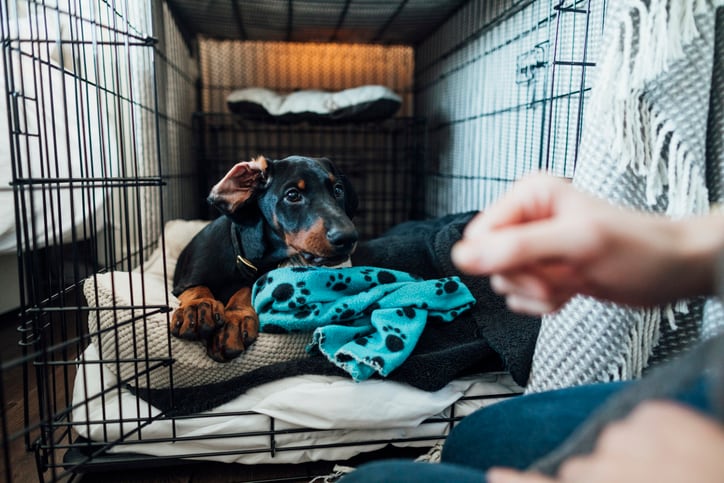
Are you wondering how long you can leave your dog in a kennel without causing stress or harm? It’s a question many dog owners ask but don’t always find clear answers to.
You want what’s best for your furry friend, and knowing the right amount of time can make all the difference in their happiness and health. Keep reading, because understanding the limits of kennel time will help you protect your dog’s well-being and keep your bond strong.

Credit: thejeera.com
Ideal Kennel Duration
Knowing the ideal kennel duration for your dog is key to keeping them happy and healthy. Too long in a kennel can lead to stress and discomfort, while too short may not provide the structure or safety you need. Understanding the right amount of time depends on several factors unique to your dog’s situation.
Age-based Time Limits
Puppies need frequent breaks—typically every 1 to 2 hours—because their bladders are small and they have lots of energy. Young dogs can usually handle up to 3 or 4 hours comfortably, but this varies.
Older dogs often do well with longer kennel times, around 4 to 6 hours, as they tend to be less active. However, very senior dogs or those with health issues may need more frequent attention.
Have you noticed how your puppy’s needs change as they grow? Adjusting kennel time as they age helps avoid accidents and keeps them comfortable.
Breed And Size Considerations
Smaller breeds usually have less bladder control and get restless faster, so shorter kennel periods work best for them. Larger breeds, especially calm ones, often tolerate longer durations.
Working or sporting breeds often have higher energy levels and may become anxious if kenneled too long. On the other hand, some toy breeds might feel stressed even after a short time confined.
Think about your dog’s breed traits when setting kennel time. Are they naturally energetic or more laid-back? This insight will guide you in planning their day.
Activity Level Impact
Dogs with high activity levels need more frequent breaks outside the kennel to release pent-up energy. A restless dog stuck inside for hours may develop behavioral problems or anxiety.
Less active dogs can handle longer kennel sessions, but even they benefit from regular walks and playtime. Mixing kennel time with physical and mental activity creates a balanced routine.
What activities does your dog love? Tailoring kennel duration to their energy needs keeps them calm and cooperative.
Health Effects Of Prolonged Kenneling
Prolonged kenneling can cause stress and anxiety in dogs, affecting their mental health. Limited movement may lead to muscle weakness and joint problems over time. Dogs need regular breaks to stay healthy and happy.
Kenneling your dog for extended periods can have several health effects that you might not anticipate. While kennels can be a safe space for your pet, overuse can lead to physical and mental challenges. Understanding these effects can help you make informed decisions about your pet’s well-being.Physical Discomforts
Prolonged kenneling can lead to a range of physical discomforts for your dog. Limited space can restrict movement, which may cause joint stiffness or muscle atrophy. Imagine being confined to a small space with minimal room to stretch—it’s not comfortable for humans, and it’s certainly not for dogs. Additionally, if the kennel is not cleaned regularly, it can become a breeding ground for germs. This can lead to skin infections or respiratory issues. It’s essential to ensure that your dog’s kennel is spacious and clean to mitigate these risks.Mental Health Concerns
The mental well-being of your dog is just as crucial as its physical health. Dogs are social animals and need interaction and stimulation. Being isolated in a kennel for too long can lead to anxiety or depression. Have you ever noticed your dog looking lethargic or disinterested after being kenneled? A lack of mental engagement can also lead to destructive behaviors. Dogs might chew on inappropriate items or even develop obsessive habits. Providing toys or rotating them regularly can help alleviate some of these mental stressors.Behavioral Changes
Extended time in a kennel can result in significant behavioral changes. Your once-friendly dog may become aggressive or withdrawn. Think about how your mood changes when you’re cooped up for too long. Some dogs may also become overly dependent on their kennel, making them anxious when outside of it. Alternatively, they might become fearful of returning to it. Observe your dog’s behavior for these signs and consider if kenneling might be a contributing factor. Balancing kennel time with outdoor activities and social interactions can help maintain your dog’s health. Have you considered how much kennel time is too much for your pet?Signs Your Dog Needs A Break
Kenneling a dog for too long can cause stress and discomfort. Dogs need breaks to stay happy and healthy. Watch for signs that your dog needs time out of the kennel. These signs show your dog is not comfortable and needs a change.
Restlessness And Anxiety
Your dog may pace or move a lot inside the kennel. They might whine or try to escape. This behavior shows they feel anxious or bored. Restlessness means they need exercise and attention.
Excessive Barking
Barking more than usual is a clear sign of distress. Dogs bark to express frustration or loneliness. Constant barking means they want to get out and interact. It signals they cannot stay in the kennel for long.
Chewing And Destructive Behavior
Dogs may chew the kennel bars or bedding. This shows stress or boredom. Chewing can hurt their teeth and damage the kennel. It means your dog needs a break to release energy.
Safe Kenneling Practices
Keeping your dog safe and comfortable during kennel time is very important. Safe kenneling practices help prevent stress, injury, and health problems. Dogs need space, comfort, and regular breaks to stay happy in a kennel. Follow these guidelines to create a secure and pleasant environment for your dog.
Proper Crate Size
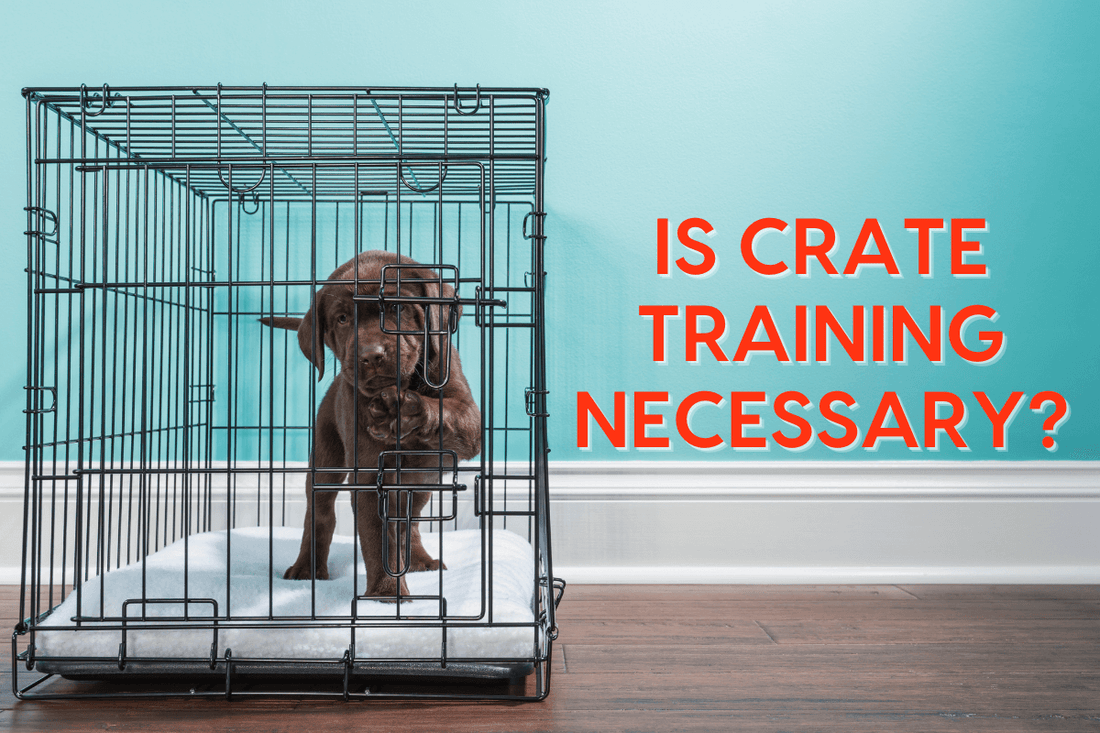
Choose a crate big enough for your dog to stand, turn, and lie down. A crate that is too small causes discomfort and anxiety. Avoid crates that are too large, as dogs may use one corner as a bathroom. Measure your dog’s length and height before buying a crate. This ensures proper fit and safety.
Comfort And Bedding
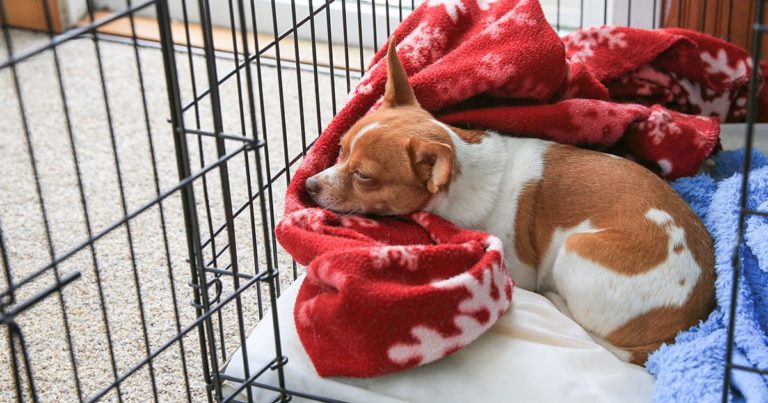
Add soft bedding to the crate for warmth and comfort. Use washable blankets or dog beds to keep the area clean. Avoid materials that can be chewed and swallowed. Keep the crate dry and free from sharp objects. Comfort helps dogs relax and reduces kennel stress.
Regular Exercise And Playtime
Dogs need daily exercise outside the crate. Short walks and play sessions help burn energy and keep dogs healthy. Exercise reduces boredom and destructive behavior. Plan frequent breaks to let your dog stretch and relieve itself. This balance improves your dog’s mood and wellbeing.
Adjusting Crate Time For Special Needs
Adjusting crate time for dogs with special needs requires extra care and attention. These dogs may have different physical, emotional, or medical requirements that affect how long they should stay in a kennel. Understanding their unique needs helps you create a safe and comfortable space without causing stress or harm.
Puppies And Senior Dogs
Puppies have small bladders and lots of energy, so they need shorter crate times with frequent breaks. Too long in a crate can cause discomfort and anxiety. Senior dogs might have arthritis or other health issues that make long confinement painful.
Watch for signs like restlessness or whining. Adjust crate time by adding extra potty breaks and gentle stretching sessions. Have you noticed your older dog struggling to get up after a nap? That could mean it’s time to shorten their crate stay.
Dogs With Medical Conditions
Dogs with medical issues such as diabetes, urinary tract infections, or injuries need special crate schedules. They might require more frequent bathroom breaks or easier access to water and medication. Crating too long can worsen their condition or delay healing.
Talk to your vet about how long your dog can safely stay in a crate. You might also need to modify the crate with padding or temperature controls. How often do you check on your dog’s comfort during crate time?
Rescue And Traumatized Dogs
Rescue dogs or those with trauma may feel scared or anxious in a crate. They often need shorter crate periods combined with positive reinforcement to build trust. Forcing them to stay too long can increase fear and resistance.
Use calming aids like soft bedding, toys, or pheromone sprays to help them feel safe. Gradually increase crate time as they become more comfortable. Have you tried sitting near the crate and speaking softly to your dog while they adjust?
Credit: pupford.com
Alternatives To Kenneling
If you’re worried about how long you can kennel your dog, it’s smart to think about other ways to keep your pet safe and happy while you’re away. Kenneling isn’t the only option, and sometimes it’s not the best for your dog’s comfort or mental health. There are several alternatives that give your dog more freedom and stimulation without the risks of being cooped up too long.
Playpens And Gates
Playpens and baby gates create a safe space where your dog can move around freely but stay out of trouble. Unlike kennels, they offer more room to stretch and explore. You can block off a part of a room or hallway, giving your dog a comfortable area with toys, water, and a cozy bed.
Have you tried setting up a playpen near where you work or relax? This way, your dog feels close to you and less isolated. It’s a great balance between freedom and safety.
Interactive Toys And Enrichment
Keeping your dog mentally active is just as important as physical space. Interactive toys, like treat-dispensing puzzles or chew toys, can keep your dog busy and engaged. These toys challenge your dog’s mind and reduce boredom, which can lead to destructive behavior.
Think about what your dog likes most—does your dog enjoy problem-solving or chewing? Choose toys that match those interests to keep them entertained for longer periods. This makes the time spent apart feel shorter to your dog.
Supervised Free Time
Whenever possible, give your dog supervised free time outside of a kennel or confined area. This means being nearby to watch and interact, but allowing your dog to explore safely. Even short sessions of free time can boost your dog’s mood and reduce anxiety.
Can you schedule breaks during your day to check in on your dog? These moments provide comfort and reassurance. Plus, it’s a chance to reward good behavior and strengthen your bond.
Expert Tips For Crate Training Success
Crate training helps dogs feel safe and secure. It can also make life easier for owners. Success depends on how you introduce and use the crate. Use these expert tips to create a positive experience for your dog. This will improve their comfort and behavior in the crate.
Positive Reinforcement
Reward your dog with treats and praise when they enter the crate. Make the crate a happy place with toys and soft bedding. Never use the crate as punishment. This builds trust and encourages your dog to enjoy crate time.
Gradual Increase Of Crate Time
Start with short crate sessions of a few minutes. Slowly add more time as your dog gets used to it. Watch for signs of stress or discomfort. Stop increasing time if your dog seems anxious. Patience helps your dog adjust comfortably.
Consistency And Routine
Use the crate at the same times daily, like nap or bedtime. Consistent use helps dogs understand the crate’s purpose. Keep a routine to reduce anxiety and improve behavior. Regular schedules make crate training smoother for both of you.
Credit: www.diamondpet.com
Frequently Asked Questions
How Many Hours Can A Dog Stay In A Kennel?
Dogs should not stay in a kennel for more than 4-6 hours. Longer periods can cause stress and discomfort. Puppies and older dogs need more frequent breaks. Always ensure your dog has water, comfort, and exercise outside kennel time.
Is It Safe To Kennel A Dog Overnight?
Kenneling a dog overnight is generally safe if done properly. Provide adequate space, water, and a comfortable environment. Ensure the dog has been exercised before bedtime. Avoid extended overnight confinement exceeding 8-10 hours to prevent anxiety and physical health issues.
How To Make Kenneling Comfortable For My Dog?
Use soft bedding and familiar toys inside the kennel. Keep the kennel in a quiet, temperature-controlled area. Positive reinforcement helps dogs associate kenneling with safety. Regular breaks and exercise reduce stress and improve comfort during kennel time.
Can Kenneling Affect My Dog’s Behavior?
Yes, prolonged or improper kenneling can cause anxiety and behavioral issues. Dogs may become fearful, aggressive, or depressed. Proper training and gradual introduction to the kennel help prevent negative effects. Always monitor your dog’s response to kenneling.
Conclusion
Keeping your dog in a kennel should be short and safe. Dogs need exercise, love, and company every day. Too long in a kennel can make them lonely or stressed. Always watch your dog’s behavior for signs of discomfort. Give breaks for walks, play, and bathroom time.
A happy dog feels loved and cared for. Use kennels wisely and kindly. Your dog will thank you with wagging tails and joy.

Emily Barker is the founder of ChillDogLife.com, a space dedicated to helping pup parents discover the best dog products, lifestyle tips, and cozy ideas for happier homes.
A lifelong dog lover, Emily combines her passion for pets with a knack for research to share trusted recommendations on everything from toys and furniture to health and everyday care.
Her goal is simple: to make life easier, stylish, and more joyful for dogs and the people who love them.




