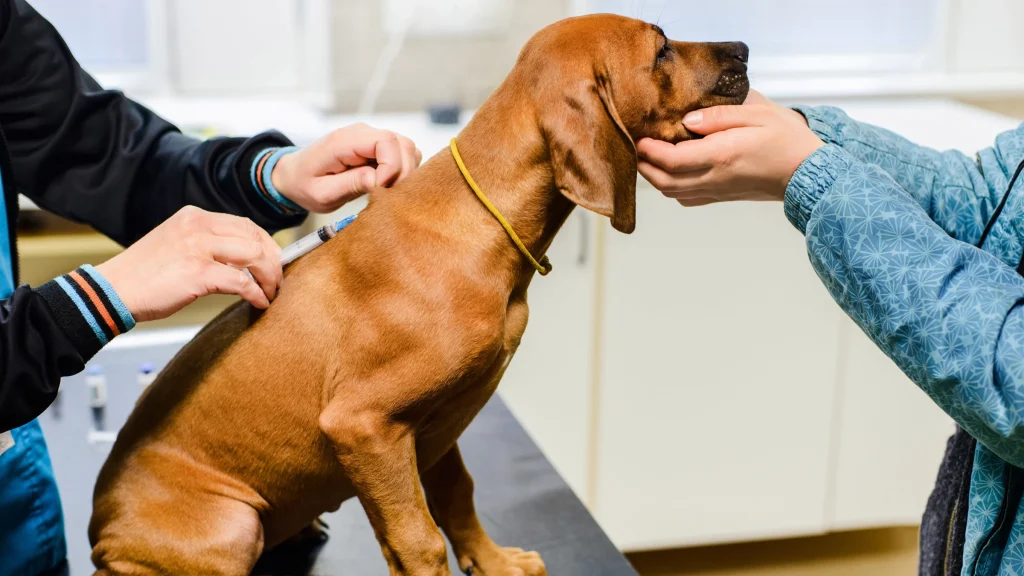
If your dog has kennel cough, you want to help them feel better fast. You might be wondering, what do you give a dog for kennel cough to ease their discomfort and speed up recovery?
Knowing the right treatment can make all the difference for your furry friend’s health and happiness. You’ll discover simple, effective ways to care for your dog and get them back to their playful self. Keep reading to learn exactly what you can do to support your dog through kennel cough.
Symptoms Of Kennel Cough
Recognizing the symptoms of kennel cough early can make a huge difference in how quickly your dog recovers. This contagious respiratory infection often starts subtly but can escalate if ignored. Knowing what to look for helps you provide timely care and comfort to your furry friend.
Coughing Patterns
The hallmark of kennel cough is a persistent, dry cough. It often sounds like your dog is trying to clear something stuck in its throat. You might notice this cough intensifies after exercise or excitement, which can be alarming.
Sometimes, the cough is harsh and repetitive, almost like a honking sound. This unique pattern is a useful clue to distinguish kennel cough from other respiratory issues. Have you ever noticed your dog coughing more when they get excited or pull on the leash?
Other Common Signs
- Sneezing and nasal discharge:Your dog might have a runny nose or sneeze more than usual.
- Low energy:A dog with kennel cough may seem tired or less playful.
- Loss of appetite:You might observe your dog eating less, especially if the cough is uncomfortable.
- Mild fever:Sometimes, dogs develop a slight fever along with other symptoms.
Keep in mind, kennel cough symptoms can be mild or severe depending on your dog’s health and environment. If you notice these signs, especially the distinctive cough, it’s wise to consult your vet quickly. What small changes have you seen in your dog that hinted at a bigger health issue?
Credit: www.lilyskitchen.co.uk
Causes Of Kennel Cough
Understanding the causes of kennel cough can help you better protect your furry friend. This highly contagious respiratory disease affects many dogs, especially those in close quarters like kennels, dog parks, or grooming salons. Knowing what triggers this condition can empower you to prevent it and ensure your pup stays happy and healthy.
Bacterial Infections
One of the primary causes of kennel cough is bacterial infections. The most common bacterial culprit is Bordetella bronchiseptica, which can easily spread through direct contact or shared airspace. Have you ever noticed how quickly a cold can spread in a household? The same applies to dogs in a kennel setting.
If your dog is frequently around other dogs, they may be at higher risk. Consider regular vet check-ups and vaccinations to reduce the likelihood of infection. Prevention is always better than cure, especially when it comes to your pet’s health.
Viral Triggers
Viral infections also play a significant role in causing kennel cough. Canine parainfluenza virus and canine adenovirus are common viruses that can contribute to this condition. Just like how we catch the flu, dogs can easily pick up these viruses through sneezes or coughs from other dogs.
Think about how you might avoid getting sick during flu season—similar precautions apply to your dog. Avoid crowded dog events during outbreaks and ensure your pet is up-to-date with their vaccinations. This proactive approach can save you both a lot of discomfort.
Environmental Factors
Environmental conditions can exacerbate the spread of kennel cough. Poor ventilation, dust, and cigarette smoke are just a few factors that can irritate your dog’s respiratory system. Have you ever felt suffocated in a stuffy room? Imagine how it feels for your dog.
Make sure your pet’s living area is well-ventilated and clean. Reducing irritants in their environment can minimize the risk of kennel cough. Consider this a small investment in your dog’s long-term health and happiness.
Home Remedies For Kennel Cough
Dealing with kennel cough can be tough for dogs and owners alike. Many seek gentle ways to ease symptoms at home. Home remedies offer comfort and support the healing process. They help soothe the throat and improve breathing naturally. Here are some simple remedies that can help your dog feel better.
Honey And Natural Soothers
Honey is a natural cough suppressant for dogs. It coats the throat and reduces irritation. Use a small amount, about half a teaspoon, mixed in water or given directly. Never give honey to puppies under one year old.
Other natural soothers include coconut oil and slippery elm. Coconut oil can reduce inflammation. Slippery elm creates a protective layer in the throat. Always check with your vet before adding new remedies.
Humidifiers And Steam Therapy
Moist air helps soothe dry, irritated airways. A humidifier adds moisture to your home’s air. This can ease coughing and congestion in dogs.
Steam therapy works similarly. Bring your dog into the bathroom while running a hot shower. The steam helps loosen mucus and calm the cough. Keep sessions short to avoid overheating.
Rest And Hydration
Rest is vital for healing kennel cough. Limit your dog’s activity to conserve energy. Create a quiet, comfortable space for recovery.
Hydration keeps the throat moist and helps thin mucus. Offer fresh water often. Wet food can also increase fluid intake. Avoid cold drinks, as they might worsen coughing.
Veterinary Treatments
Veterinary treatments play a key role in managing kennel cough effectively. This contagious respiratory infection can cause discomfort and prolonged coughing in dogs. Proper medical care helps reduce symptoms and prevents complications. A vet will assess the severity and recommend suitable treatments. Understanding these options ensures your dog gets the right care to recover quickly.
Antibiotics And Medications
Veterinarians often prescribe antibiotics to fight bacterial infections in kennel cough. These medicines target bacteria causing inflammation in the airways. Not all kennel cough cases need antibiotics, only those with bacterial involvement or risk of secondary infection. Your vet may also suggest anti-inflammatory drugs to ease swelling and pain. Always follow the exact dosage and duration prescribed to avoid resistance.
Cough Suppressants
Cough suppressants help reduce harsh, persistent coughing that tires your dog. These medications calm the cough reflex and improve rest. Use only vet-approved cough medicines, as some human products can harm dogs. Suppressants do not cure the infection but relieve symptoms, making your pet more comfortable during recovery. Your vet will decide if cough suppressants are appropriate based on your dog’s condition.
When To See A Vet
Seek veterinary care if your dog’s cough lasts more than two weeks. Also, visit a vet if your dog shows:
- Difficulty breathing or rapid breathing
- Loss of appetite or lethargy
- Fever or nasal discharge
- Severe coughing fits or coughing up blood
Early vet intervention prevents worsening symptoms and complications. Do not attempt home treatment without professional advice, especially if your dog is young or has other health issues. Timely medical care improves recovery and keeps your dog healthy.
Preventing Kennel Cough
Preventing kennel cough is key to keeping your dog healthy and happy. This contagious respiratory infection spreads easily in places where dogs gather. Taking proactive steps reduces the risk of infection and protects your pet from discomfort. Simple habits and care can make a big difference.
Vaccinations
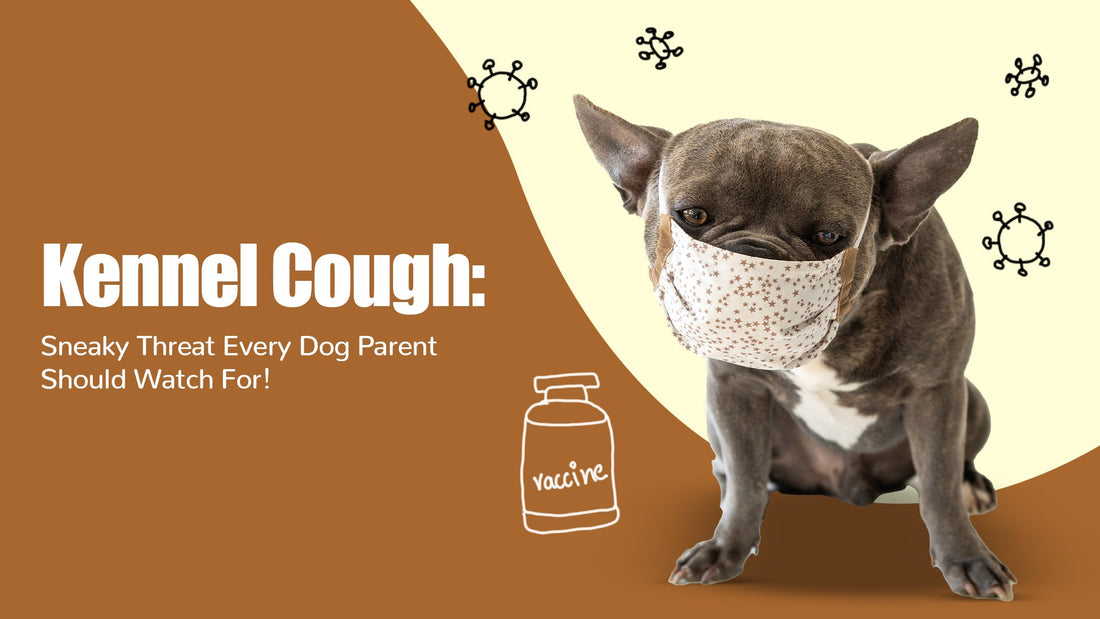
Vaccinations are the first defense against kennel cough. Your veterinarian can recommend the right vaccine for your dog. These vaccines help the immune system fight the infection. They are often given as a nasal spray or injection. Regular vaccination lowers the chance of catching kennel cough, especially before visits to dog parks or boarding facilities.
Avoiding High-risk Areas
Crowded places increase the risk of kennel cough. Avoid dog parks, boarding kennels, and grooming salons during outbreaks. Stay away from areas where many dogs gather in a small space. Outdoor walks in less busy places reduce exposure. Watch for signs of illness in other dogs and keep your pet away from sick animals.
Proper Hygiene Practices
Cleanliness helps stop kennel cough from spreading. Wash your dog’s bedding, toys, and bowls regularly. Disinfect surfaces where your dog spends time. Use hand sanitizer before and after touching different dogs. Keep your dog’s nose and mouth clean with gentle wipes. Good hygiene lowers germs in your dog’s environment and protects their health.
Credit: zigly.com
Managing Kennel Cough At Home
Managing kennel cough at home requires careful attention and a gentle approach to help your dog recover comfortably. You’ll need to create an environment that supports healing while keeping your dog safe and stress-free. Understanding simple techniques can make a big difference in how your pet handles this common but contagious illness.
Isolation Techniques
Kennel cough spreads easily, so keeping your dog away from other pets is essential. Set up a quiet space where your dog can rest without contact with other dogs or crowded areas. Even short interactions can prolong the illness or spread it, so be strict about isolation for at least two to three weeks.
Clean your dog’s bedding and toys regularly to reduce bacteria and virus buildup. If you take your dog outside, avoid places where many dogs gather, like parks or pet stores. Have you considered how limiting your dog’s social time might actually speed up recovery?
Monitoring Symptoms
Keep a daily log of your dog’s cough frequency, energy levels, and appetite to notice any changes quickly. If the cough worsens, becomes more frequent, or your dog starts showing signs like difficulty breathing or lethargy, contact your vet immediately. Early detection of complications can prevent serious issues.
Watch for fever or nasal discharge as these could signal a secondary infection. Sometimes symptoms look mild but hide underlying problems—your observations are crucial. How closely do you watch your dog when they’re under the weather?
Comfort Measures
Providing comfort helps reduce stress and supports your dog’s immune system. Use a humidifier or take your dog into a steamy bathroom to ease throat irritation. Soft bedding and a calm environment encourage rest, which is vital for recovery.
Offer plenty of fresh water to keep your dog hydrated and consider warming their food slightly to make it more appealing. Avoid strenuous exercise but allow gentle walks if your dog feels up to it. How can small comfort changes improve your dog’s healing process?

Credit: www.amazon.com
Frequently Asked Questions
What Are Common Treatments For Kennel Cough In Dogs?
Common treatments include antibiotics, cough suppressants, and rest. Veterinarians may also recommend anti-inflammatory medications to ease symptoms. Always consult your vet before giving any medication.
Can I Give My Dog Human Cough Medicine For Kennel Cough?
No, human cough medicines can be harmful to dogs. Always use medications specifically prescribed by a vet to treat kennel cough safely.
How Long Does Kennel Cough Last In Dogs?
Kennel cough typically lasts 1 to 3 weeks. With proper care and treatment, most dogs recover fully without complications.
Are There Home Remedies For Kennel Cough In Dogs?
Some home remedies include humidifiers, honey, and keeping your dog hydrated. However, always consult a vet before trying home treatments.
Conclusion
Treating kennel cough in dogs requires care and patience. Give your dog the right medicine your vet suggests. Keep your dog warm and rested. Avoid places where other dogs gather to stop spreading. Watch your dog’s symptoms daily. Call the vet if coughing lasts or gets worse.
Early care helps your dog feel better fast. Stay calm and gentle with your pet. Good care makes a big difference. Your dog will soon be happy and healthy again.

Emily Barker is the founder of ChillDogLife.com, a space dedicated to helping pup parents discover the best dog products, lifestyle tips, and cozy ideas for happier homes.
A lifelong dog lover, Emily combines her passion for pets with a knack for research to share trusted recommendations on everything from toys and furniture to health and everyday care.
Her goal is simple: to make life easier, stylish, and more joyful for dogs and the people who love them.




