Have you ever worried that your dog’s cough might be more than just a simple cold? If your furry friend has kennel cough, you might be asking yourself, “Can I catch kennel cough from my dog?” It’s natural to feel concerned about your own health when your pet is sick.
Understanding how kennel cough spreads and whether it can affect you is important. Keep reading to discover the facts you need to protect yourself and your dog.
What Is Kennel Cough?
Kennel cough is a common respiratory infection in dogs that often raises concern for pet owners. It’s similar to a chest cold in humans and can make your dog cough and feel uncomfortable. Understanding what kennel cough is helps you protect your furry friend and know when to seek help.
Common Symptoms In Dogs
One of the first signs you might notice is a persistent, dry cough that sounds harsh and hacking. Your dog may also gag or retch, especially after coughing fits. Other symptoms include:
- Runny nose
- Sneezing
- Lethargy or decreased energy
- Loss of appetite
- Mild fever
Most dogs stay active despite these symptoms, but if your dog seems very weak or has difficulty breathing, immediate veterinary care is necessary.
How It Spreads Among Dogs
Kennel cough spreads easily between dogs, especially where they gather in close contact. Places like dog parks, boarding kennels, and grooming salons can be hotspots for transmission.
The infection spreads through:
- Airborne droplets when an infected dog coughs or sneezes
- Direct nose-to-nose contact
- Shared water bowls, toys, or surfaces
Have you noticed your dog coughing after visiting a crowded dog park or daycare? That’s a common way kennel cough can sneak into your home. Being aware of these risks helps you take steps to reduce your dog’s exposure and keep them healthy.
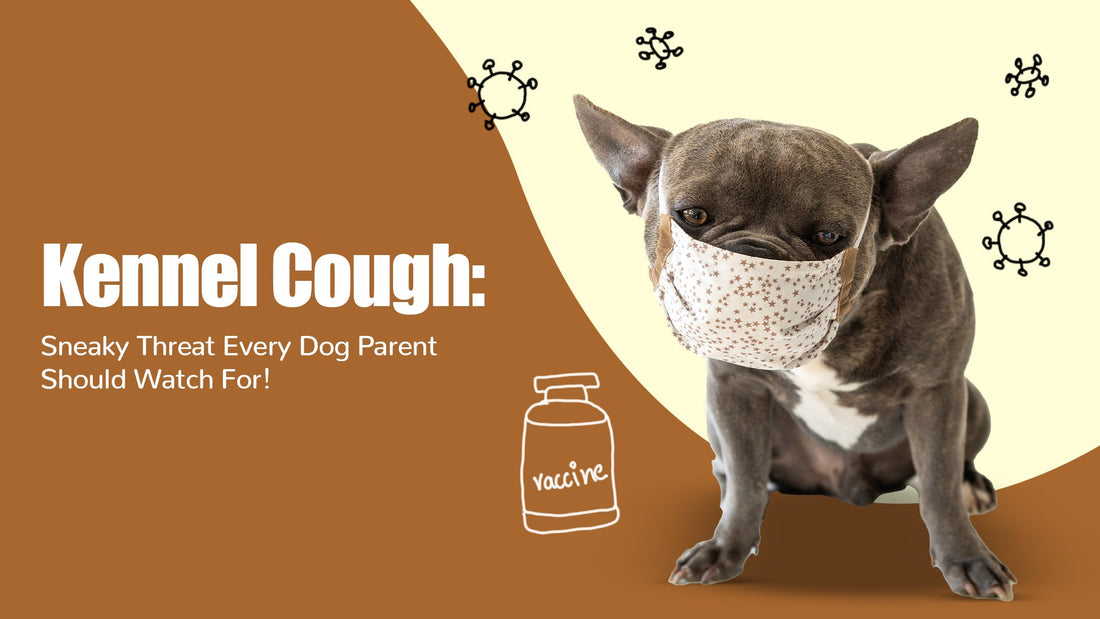
Credit: zigly.com
Transmission To Humans
Transmission of kennel cough from dogs to humans is a common concern for many pet owners. Understanding how the infection spreads helps in taking the right precautions. While kennel cough mainly affects dogs, the risk of it passing to humans is generally low. Still, it is important to know the facts about human infection and ways to protect yourself.
Is Kennel Cough Contagious To People?
Kennel cough is caused by bacteria and viruses that mostly target dogs. The main agents are Bordetella bronchiseptica and canine parainfluenza virus. Humans have different immune systems, making it hard for these germs to infect people. Cases of kennel cough in humans are very rare and usually mild.
People with strong immune systems rarely catch kennel cough. It is not a common illness for humans. Most infections happen through close contact with infected dogs, such as touching or breathing in cough droplets. Still, human transmission is not a typical concern.
Risk Factors For Human Infection
Some groups face a higher risk of catching kennel cough from dogs. These include:
- Young children with weak immunity
- Older adults with health issues
- People with weakened immune systems
- Those with chronic lung diseases
- Individuals in close contact with many dogs
For these people, kennel cough may cause mild respiratory symptoms. Simple hygiene practices can reduce the risk. Washing hands after touching dogs and avoiding close contact with coughing pets help keep you safe.
Preventing Kennel Cough Spread
Preventing the spread of kennel cough is key to keeping your dog healthy and safe. This contagious respiratory infection can easily pass between dogs in close contact. Taking the right steps helps reduce the risk of transmission and protects your pet.
Vaccination Options For Dogs
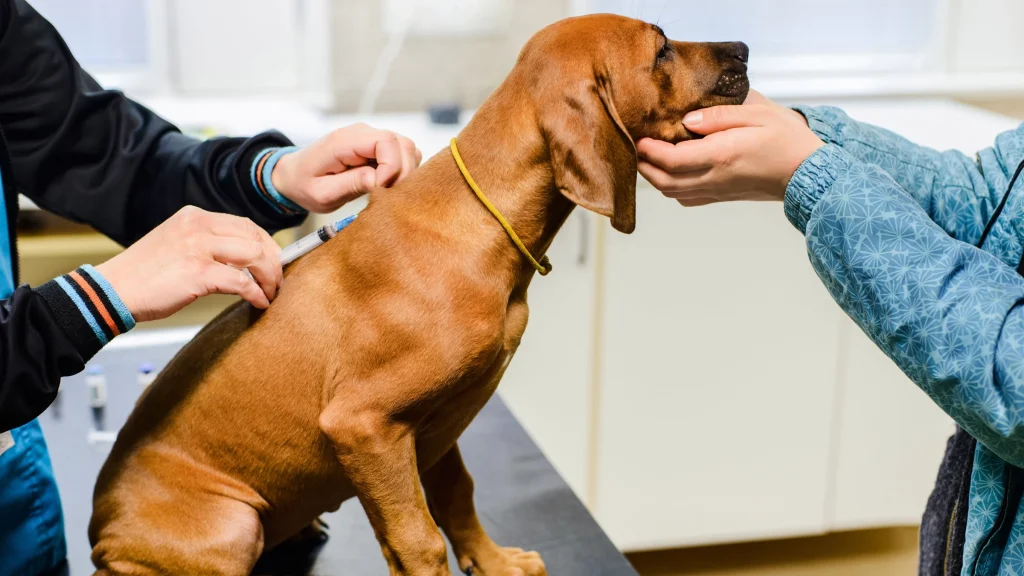
Vaccines help protect dogs from kennel cough. Two main types exist: intranasal and injectable. Intranasal vaccines work quickly by stimulating local immunity in the nose and throat. Injectable vaccines build systemic immunity but take longer to be effective.
Vaccination does not guarantee complete protection, but it lowers severity and spread. Ask your vet about the best vaccine based on your dog’s lifestyle and risk level.
Hygiene Practices To Follow
- Clean your dog’s bedding and toys regularly with disinfectant.
- Wash your hands after handling your dog or their items.
- Avoid sharing food bowls and water containers with other dogs.
- Keep your dog’s living area well-ventilated and dry.
- Disinfect surfaces in areas frequented by dogs, like kennels.
These steps reduce germs and lower chances of infection spreading.
Isolation And Care Tips
Keep a dog with kennel cough separated from healthy pets. Limit their contact to prevent passing the infection. Provide a calm, comfortable space for rest and recovery.
Use separate feeding and water bowls. Monitor symptoms closely and visit the vet if coughing worsens or breathing becomes difficult. Early care supports faster healing and stops outbreaks.
.png)
Credit: drfrommdvm.com
When To See A Doctor
Knowing when to see a doctor after potential exposure to kennel cough is crucial for your health. While kennel cough primarily affects dogs, the bacteria and viruses involved can sometimes infect humans, especially those with weakened immune systems. Being alert to symptoms and understanding available medical treatments can help you respond quickly and avoid complications.
Symptoms To Watch For In Humans
Keep an eye out for persistent coughing, which may start dry but can develop into a more severe, hacking cough. Other signs include a sore throat, mild fever, or fatigue that doesn’t improve after a few days.
If you notice any of these symptoms after close contact with a dog showing kennel cough, don’t ignore them. Pay attention if your cough worsens or if you start experiencing shortness of breath or chest pain. These could indicate that the infection is more serious and needs professional evaluation.
Medical Treatments Available
Doctors usually prescribe antibiotics if the kennel cough infection is confirmed or strongly suspected in humans. These medications help fight the bacteria involved and reduce the duration of symptoms.
In some cases, cough suppressants and anti-inflammatory drugs may be recommended to ease discomfort. If symptoms become severe, especially respiratory issues, hospitalization and more intensive treatments might be necessary.
Have you ever caught a cough after spending time with your dog? Watching for these warning signs can make all the difference in getting the right care early.
Caring For An Infected Dog
Caring for a dog with kennel cough requires patience and attention. The illness can make your dog uncomfortable and tired. Providing proper care helps your dog heal faster and stay calm during recovery. Watch your dog closely and create a quiet space for rest. Keep your dog away from other pets to prevent spreading the infection.
Home Remedies And Comfort Measures
Keep your dog warm and dry to avoid chills. Use a humidifier or sit with your dog in a steamy bathroom. This helps ease coughing and soothes irritated airways. Offer fresh water often to keep your dog hydrated. Soft, easy-to-digest food can help if your dog’s appetite is low.
- Limit exercise to reduce coughing stress
- Use a harness instead of a collar to avoid throat pressure
- Clean your dog’s bedding regularly
- Avoid smoke, strong perfumes, or dusty areas
When To Consult A Veterinarian
Seek veterinary help if coughing lasts more than two weeks. Watch for worsening symptoms like:
- High fever
- Difficulty breathing
- Loss of appetite
- Weakness or lethargy
Your vet may prescribe medication to reduce coughing or fight infection. Follow the vet’s advice carefully for the best recovery. Early treatment prevents complications and helps your dog feel better sooner.

Credit: www.lilyskitchen.co.uk
Frequently Asked Questions
Can Humans Get Kennel Cough From Dogs?
Kennel cough is primarily a canine illness, but humans can occasionally contract it. It’s rare and mostly affects those with weakened immune systems. Symptoms in humans may resemble a mild respiratory infection. If you suspect exposure, consult a healthcare provider for guidance and appropriate measures to protect your health.
What Are The Symptoms Of Kennel Cough?
Kennel cough in dogs presents as a persistent, dry cough. It may be accompanied by sneezing, a runny nose, and lethargy. In severe cases, dogs might develop a fever or have difficulty breathing. If your dog shows these symptoms, consult a veterinarian for a proper diagnosis and treatment plan.
How Can I Prevent Kennel Cough Transmission?
To prevent kennel cough spread, vaccinate your dog regularly. Avoid exposing your dog to infected animals. Maintain good hygiene by washing hands after handling pets. Clean and disinfect your dog’s living area frequently. If your dog exhibits symptoms, isolate it from other animals to prevent transmission.
Is Kennel Cough Dangerous For Humans?
Kennel cough is generally not dangerous for humans. However, individuals with compromised immune systems should exercise caution. Symptoms in humans are usually mild and include coughing and sneezing. It’s advisable to seek medical advice if symptoms appear after exposure, to ensure proper care and management.
Conclusion
Kennel cough mostly spreads between dogs, not humans. People rarely catch it from their pets. Still, good hygiene helps keep everyone safe. Wash hands after playing with your dog. Keep your dog away from sick animals. Watch for signs like coughing or sneezing.
Visit the vet if your dog shows symptoms. Staying informed protects both you and your dog. Enjoy time with your pet without worry. Simple steps make a big difference in health.

Emily Barker is the founder of ChillDogLife.com, a space dedicated to helping pup parents discover the best dog products, lifestyle tips, and cozy ideas for happier homes.
A lifelong dog lover, Emily combines her passion for pets with a knack for research to share trusted recommendations on everything from toys and furniture to health and everyday care.
Her goal is simple: to make life easier, stylish, and more joyful for dogs and the people who love them.




