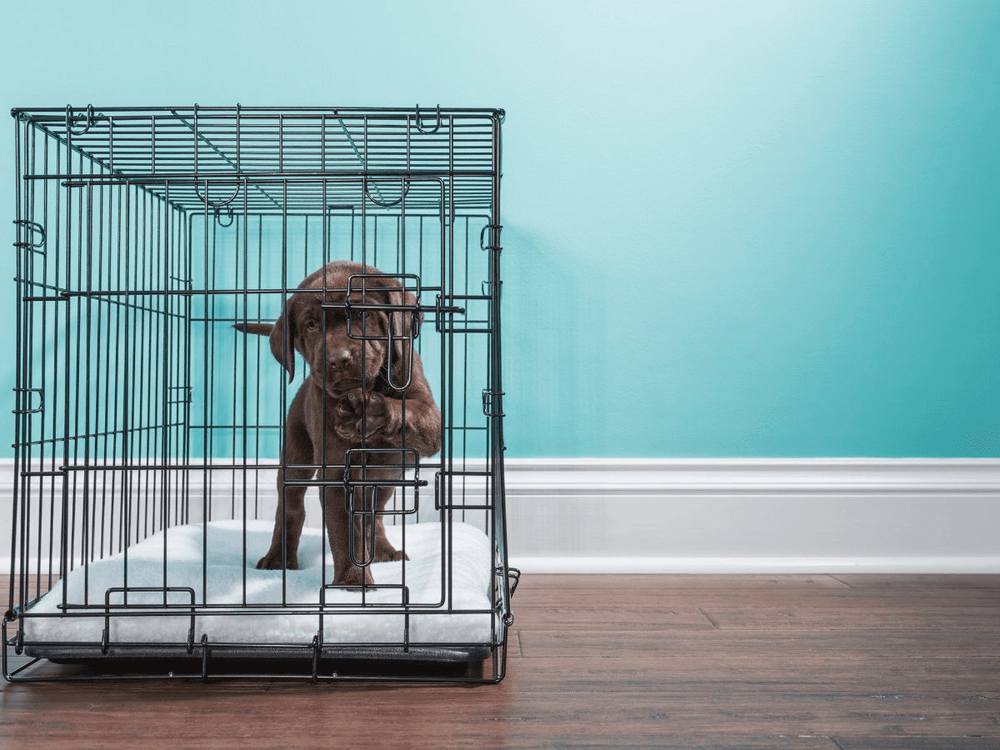
Choosing the right size dog crate for your Lab is more important than you might think. If the crate is too small, your dog won’t be comfortable.
Too big, and it won’t feel like a safe space. You want your Lab to feel cozy, secure, and happy every time they step inside. You’ll discover exactly how to pick the perfect crate size that fits your Lab’s needs.
Keep reading to make sure your furry friend has the best spot to relax and feel at home.
Credit: www.somerzby.com.au
Lab Dog Crate Basics
Choosing the right crate for your Labrador is more than just picking a box. It’s about creating a safe, comfortable space where your Lab feels secure and relaxed. Understanding the basics of Lab dog crates helps you provide that perfect fit, making crate time a positive experience for both of you.
Why Crate Size Matters
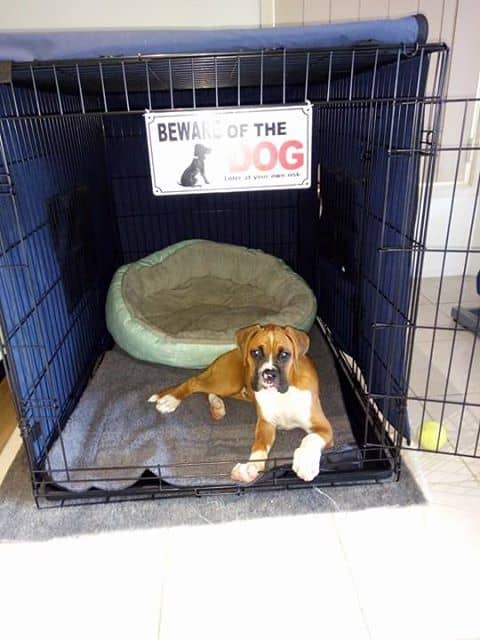
Your Lab’s crate size affects their comfort and behavior. A crate too small can make your dog feel cramped and stressed. Too large, and it may encourage unwanted habits like using one corner as a bathroom.
Think about how your Lab moves and rests. They need enough room to stand, turn around, and lie down comfortably. This balance helps them relax and see the crate as a safe retreat, not a punishment.
Labrador Size Variations
Labs come in different shapes and sizes depending on their genetics and age. Male Labs generally weigh between 65-80 pounds, while females tend to be slightly smaller, around 55-70 pounds.
Puppies grow fast, so their crate needs will change quickly. A crate that fits a 3-month-old Lab may be too small at 6 months. Consider adjustable crates or buying a size that fits their adult size for long-term use.
Have you noticed your Lab’s unique build? Some Labs are stockier, others leaner. Measure your dog’s height and length from nose to tail base to pick a crate that fits their specific frame.
Credit: www.killarneymetals.com
Measuring Your Lab
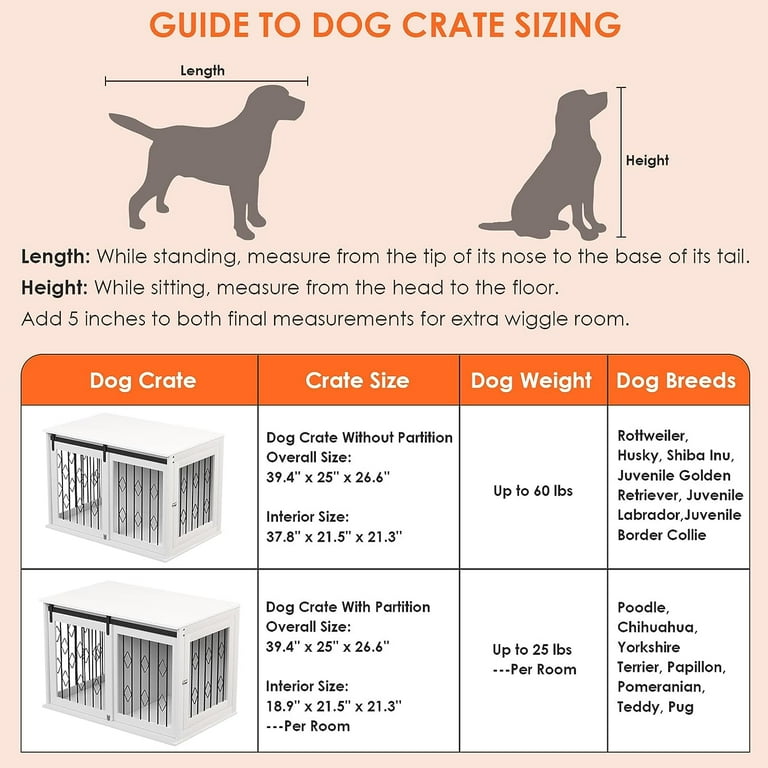
Choosing the right dog crate size ensures your Lab feels safe and comfortable. Measure your dog’s length and height for the best fit. Allow extra space for movement and growth.
Measuring your Lab is essential for choosing the right crate size. A well-fitted crate ensures comfort and security for your furry friend. Taking accurate measurements helps avoid space-related issues. Follow these tips for a snug fit.Height Measurement Tips
Start with the dog’s shoulder height. Use a measuring tape or ruler. Ask your Lab to stand up. Measure from the floor to the top of the shoulder. Add a few inches for headroom.Length Measurement Tips
Measure from the nose to the base of the tail. Your Lab should be in a natural standing position. Add a few inches to the measurement. This extra space ensures comfort and ease.Choosing The Right Crate Size
Choosing the right crate size for your Labrador is crucial for their comfort and safety. A crate that’s too small can make your dog feel cramped and anxious, while one that’s too large might encourage unwanted behavior like soiling in one corner. Understanding the right fit helps create a cozy space your Lab will actually enjoy.
Small, Medium, Or Large Crate
Labs grow quickly and typically need a large crate as adults. A crate around 42 inches long is usually a good fit for most adult Labradors. However, if your Lab is still a puppy, you might start with a medium crate and upgrade later.
Keep in mind, the crate should be big enough for your dog to stand up, turn around, and lie down comfortably. If you choose a crate based only on current size without thinking about growth, you may need to buy another one soon.
Adjustable Crate Options
Adjustable crates with divider panels can solve the growth problem. You can start with a smaller space for your puppy and expand it as they grow. This flexibility saves money and keeps your dog comfortable throughout their development.
These crates also help with potty training by limiting space, which discourages accidents. When your Lab reaches full size, simply remove the divider for a roomy adult crate. Have you considered how much easier crate training could be with an adjustable option?
Credit: www.kitchenlink.co.zw
Types Of Dog Crates
Choosing the right crate for a Labrador is essential for comfort and safety. Dog crates come in different styles, each with unique features. Understanding these types helps pick the best one for your Lab’s needs.
Wire Crates
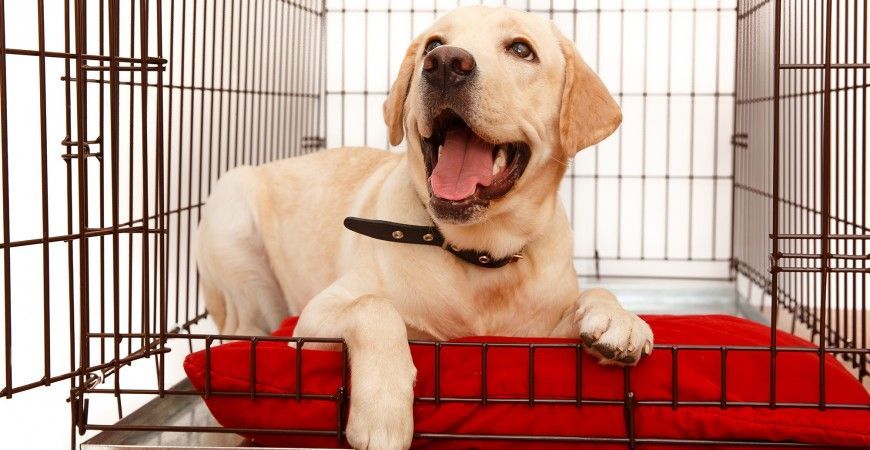
Wire crates are popular for their strength and ventilation. They have metal bars that allow your Lab to see outside and get fresh air. These crates usually fold flat, making them easy to store or transport. Wire crates often come with a removable plastic tray for easy cleaning. They provide good visibility and are great for dogs who like to watch their surroundings.
Plastic Crates
Plastic crates are sturdy and enclosed, giving Labs a cozy, den-like space. They offer more privacy and can reduce noise from outside. These crates are good for travel, especially by car or plane. Plastic crates protect dogs from weather and keep them warm in cooler places. They are usually lightweight but very strong, making them easy to carry.
Soft-sided Crates
Soft-sided crates are made from fabric and mesh panels. They are lightweight and easy to fold, perfect for short trips or calm dogs. These crates offer good ventilation but less protection than wire or plastic crates. Soft-sided crates are ideal for indoor use or gentle Labs who don’t chew. They provide a comfortable space but may not suit all Labrador personalities.
Crate Features To Consider
Choosing the right crate for your Labrador means paying attention to key features. These features affect comfort, safety, and convenience. Understanding what to look for helps in selecting the best crate size and type for your dog. Focus on ventilation, portability, durability, and ease of cleaning. These factors ensure your Lab feels secure and happy inside the crate.
Ventilation And Visibility
Good airflow keeps your Lab cool and comfortable. Look for crates with plenty of vents or mesh panels. These allow fresh air to circulate well. Visibility is important too. Your Lab likes to see around and feel less confined. Crates with open sides or wire frames offer better visibility. This reduces anxiety and keeps your dog calm.
Portability And Durability
Durability means the crate can handle your Lab’s strength and activity. Choose strong materials like heavy-duty plastic or metal. Portability matters if you travel or move the crate often. Lightweight crates with handles or wheels make transport easier. A durable, portable crate fits both home use and travel needs.
Ease Of Cleaning
Labs can be messy, so cleaning the crate should be easy. Look for removable trays or bottoms that slide out. Smooth surfaces help wipe away dirt quickly. Crates that resist stains and odors save time and effort. This keeps the crate fresh for your dog and your home.
Crate Training Tips For Labs
Crate training your Labrador can make life easier for both you and your dog. It provides a safe space for your Lab and helps manage their energy and curiosity. Getting the crate training right involves patience and the right approach tailored to your Lab’s personality.
Introducing The Crate
Start by placing the crate in a busy area where your Lab can see family members. Leave the door open and toss in some tasty treats or favorite toys to invite curiosity. Resist the urge to force your dog inside; instead, let them explore at their own pace.
You might notice your Lab sniffing around or even napping in the crate voluntarily. This gradual introduction helps build positive associations. Have you noticed your dog’s reaction when they discover a new comfy spot?
Creating A Comfortable Space
Make the crate feel like a cozy den by adding soft bedding and familiar scents. A blanket or an old t-shirt with your smell can ease separation anxiety. Keep water nearby but avoid feeding inside the crate initially to prevent accidents.
Ensure the crate size is right—your Lab should comfortably stand, turn around, and lie down without feeling cramped. Too big a crate can encourage your Lab to use one corner as a bathroom, so balance is key.
Avoiding Common Mistakes
Don’t use the crate as punishment; it should be a place your Lab wants to return to. Avoid leaving your dog in the crate for too long—labs are social and need interaction and exercise. Pay attention to signs of stress like whining or excessive scratching and adjust your approach accordingly.
Remember, rushing the process can make your Lab resist the crate. Have you been patient enough to let your dog set the pace? Sometimes stepping back and observing can teach you more than pushing forward.
Adjusting Crate Size As Lab Grows
Adjusting the size of your Lab’s crate as they grow is essential for their comfort and safety. A crate that is too small can restrict movement and cause distress, while one that is too large may not provide the cozy den-like feel dogs naturally seek. Paying close attention to your Lab’s growth stages helps you provide the right space at the right time.
Crate Size For Puppies
Puppy Labs are small but grow quickly, so their crate should offer enough room to stand, turn, and lie down comfortably. A good rule is to choose a crate with adjustable dividers. This allows you to shrink the space to prevent accidents and expand it as your puppy grows.
For example, a 24-inch crate is often suitable for young Lab puppies. It keeps the area cozy without feeling cramped. As they grow, you can move the divider to create more space instead of buying a new crate immediately.
Transitioning To Adult Crate
By the time your Lab reaches about 6-8 months, they’ll need a larger crate that fits their adult size. Adult Labs usually require a crate around 42 inches in length. This size gives them enough room to stretch out fully and relax.
Transitioning smoothly means introducing the bigger crate gradually. Place the smaller crate inside the larger one or put familiar bedding in the new crate to help your Lab feel secure. Have you noticed how your dog reacts to crate changes? Their comfort level can guide your timing.
Safety And Comfort Considerations
Choosing the right dog crate size for a Labrador is about safety and comfort. A crate that fits well helps your Lab feel secure and relaxed. Too small a crate can cause stress and discomfort. Too large a crate may invite bad habits like soiling inside. Proper crate size supports your dog’s health and well-being.
Proper Bedding Choices
Soft bedding makes the crate cozy and warm for your Lab. Use washable mats or cushions that fit the crate size. Avoid thick bedding that reduces crate space. Choose materials that are easy to clean and dry quickly. This keeps the crate hygienic and comfortable. Replace bedding regularly to prevent odors and dirt buildup.
Avoiding Crate Overcrowding
Give your Lab enough room to stand, turn, and lie down. Crate overcrowding restricts movement and causes discomfort. A Lab should have space for natural positions without feeling cramped. Avoid placing toys or bedding that clutter the crate floor. Clear space helps your dog feel calm and safe inside the crate.
Frequently Asked Questions
What Size Crate Is Best For A Labrador Retriever?
A 42-inch crate is ideal for adult Labradors. It offers enough space for comfort and movement. This size prevents your dog from feeling cramped and supports healthy resting positions.
Can A Lab Puppy Use The Same Crate As An Adult?
No, Lab puppies need smaller crates initially. Use a 24 to 30-inch crate for puppies. Upgrade to a 42-inch crate as they grow to ensure comfort and safety.
How To Measure My Lab For The Right Crate Size?
Measure your Lab from nose to tail and floor to head top. Add 2 to 4 inches to each measurement. This ensures the crate offers enough room for standing, turning, and lying down.
Why Is Crate Size Important For A Labrador?
Proper crate size ensures safety, comfort, and training success. Too small crates cause discomfort; too large crates reduce effectiveness in house training. The right size supports your Labrador’s well-being and behavior.
Conclusion
Choosing the right dog crate size helps your Lab feel safe and comfortable. A crate too small can cause stress and discomfort. Too large, and it loses its cozy feel. Measure your dog carefully before buying. Think about your Lab’s growth and activity level.
A good crate supports training and travel ease. Your dog will enjoy a happy, calm space. The right crate makes life better for both of you. Simple steps lead to a happy, healthy Lab.

Emily Barker is the founder of ChillDogLife.com, a space dedicated to helping pup parents discover the best dog products, lifestyle tips, and cozy ideas for happier homes.
A lifelong dog lover, Emily combines her passion for pets with a knack for research to share trusted recommendations on everything from toys and furniture to health and everyday care.
Her goal is simple: to make life easier, stylish, and more joyful for dogs and the people who love them.




