
Choosing the right dog crate for your Labrador is more important than you might think. If the crate is too small, your dog won’t be comfortable.
If it’s too big, it won’t feel like a safe space. You want a crate that fits your Labrador perfectly, giving them a cozy spot to relax and helping you keep your home tidy. You’ll discover exactly what size dog crate works best for your Labrador, so you can make the best choice for both you and your furry friend.
Keep reading to find out how to create a happy and secure space your Labrador will love.
Choosing The Right Crate Size
Choosing the right crate size for your Labrador is more than just picking the biggest option available. The crate should feel like a safe haven, offering enough space to move comfortably without being too roomy. This balance helps your dog feel secure and makes crate training much smoother.
Measuring Your Labrador
Start by measuring your dog’s height and length. Measure from the tip of the nose to the base of the tail for length, and from the floor to the top of the head or ears for height.
Make sure your Labrador can stand up, turn around, and lie down without restrictions. If your dog struggles with these movements, the crate is too small. Remember, a well-fitting crate supports your dog’s comfort and confidence.
Considering Growth Stages
Labradors grow quickly, especially in their first year. If you have a puppy, think about the adult size your dog will reach. Crates that are adjustable or come with dividers can be a smart choice to adapt as your Labrador grows.
Choosing a crate that only fits your puppy now can mean buying another one later. Are you ready to invest in a crate that grows with your dog? This can save time and money, and reduce stress for both of you.
Weight Vs. Dimensions
While weight helps estimate the crate size, dimensions give the real picture. Labradors of the same weight can have different body shapes and lengths.
Look for crates that specify interior dimensions and compare them to your dog’s measurements. A crate sized by weight alone might not provide the comfort your Labrador needs. Always check the crate’s length, height, and width to ensure a perfect fit.
Types Of Dog Crates
Choosing the right size dog crate helps a Labrador feel safe and comfortable. Medium to large crates, around 42 inches, suit most Labradors well. Crates should allow enough space for standing, turning, and lying down easily.
Choosing the right type of dog crate for your Labrador is crucial for their comfort and security. Different crates offer varied benefits, and understanding these can help you make a better decision. Let’s delve into the main types of dog crates available, ensuring your furry friend has a cozy and secure space.Wire Crates
Wire crates are a popular choice due to their excellent ventilation and visibility. They allow your Labrador to feel part of the family while still having their own space. Easy to clean and often foldable, these crates are practical for both home use and travel. Consider wire crates with dividers, which can be adjusted as your puppy grows. This ensures you invest in a crate that lasts through different life stages. However, ensure the crate is sturdy enough to withstand a Labrador’s energy.Plastic Crates
Plastic crates offer a more enclosed space, which can be comforting for dogs who prefer a den-like environment. They are also ideal for travel, especially air travel, due to their solid build and safety features. While they may not offer as much visibility as wire crates, the solid sides can provide a sense of security for anxious dogs. Be sure to choose a size that allows your Labrador to stand, turn, and lie down comfortably.Soft-sided Crates
Soft-sided crates are lightweight and portable, making them perfect for short trips and indoor use. These crates are not typically recommended for strong or chew-happy Labradors, as they can be easily damaged. If your Labrador is calm and well-behaved, a soft-sided crate can be a cozy spot for naps or a temporary travel solution. Always supervise your dog when using a soft-sided crate to ensure their safety. When selecting a crate, have you considered your Labrador’s personality and habits? This can greatly influence the type of crate that will work best for them.Ideal Crate Dimensions For Labradors
Choosing the right crate size for your Labrador is crucial for their comfort and safety. The ideal crate should be spacious enough for your dog to stand, turn around, and lie down comfortably. Getting the dimensions right helps your Labrador feel secure without feeling cramped or overwhelmed.
Small Labradors
Small Labradors, often younger or smaller-breed mixes, need crates that accommodate their current size while allowing room to grow. A crate measuring about 30 inches in length, 20 inches in width, and 22 inches in heightusually works well for these pups.
This size provides enough space without being too large, which can make training harder. Think about your puppy’s growth—will this crate still fit them in a few months? If not, consider a crate with a divider panel that adjusts as they grow.
Adult Labradors
Adult Labradors typically require a more generous space due to their size and energy level. A crate around 42 inches long, 28 inches wide, and 30 inches highgenerally suits most adult Labradors.
This size allows them to move comfortably and relax without feeling confined. Have you noticed your dog stretching or turning awkwardly in their current crate? That’s a clear sign you might need a bigger size.
Senior Labradors
Senior Labradors often benefit from crates that offer ease of access and extra comfort. While the size is similar to adult crates, adding features like cushioned flooring or lower entry points can make a big difference.
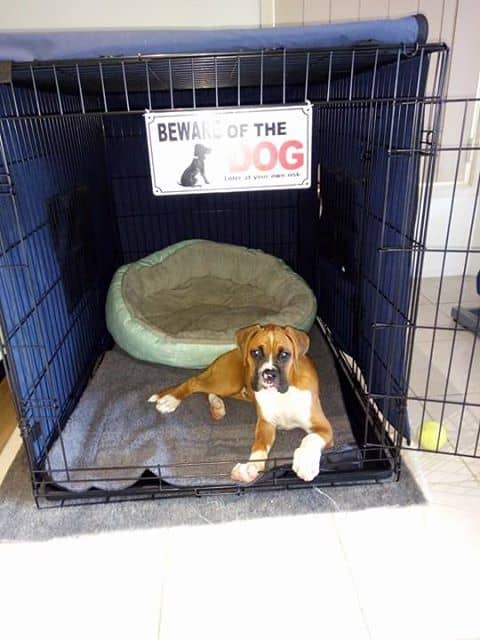
Dimensions of about 42 inches by 28 inches by 30 inchesstill apply, but focus on accessibility. Could a crate with a side door or ramp help your older dog enter and exit more easily?
Credit: www.somerzby.com.au
Crate Features To Look For
Choosing the right crate for your Labrador isn’t just about size—it’s also about features that ensure comfort, safety, and convenience. The right crate will feel like a cozy den for your dog and a practical tool for you. Keep these key features in mind as you shop to make sure both you and your Labrador get the best experience.
Ventilation And Visibility
Good airflow is essential to keep your Labrador cool and comfortable, especially during warmer months. Look for crates with plenty of vents or mesh panels that allow air to circulate freely. Visibility matters too—your dog should be able to see you and the surroundings, which helps reduce anxiety and makes the crate feel less like confinement.
Have you noticed how your Labrador reacts when they can’t see you? A well-ventilated crate with open sides often helps dogs feel more relaxed and secure.
Portability And Durability
If you plan to travel or move the crate frequently, portability is a must. Lightweight materials combined with sturdy construction make a crate easy to carry without sacrificing strength. Check for secure latches and reinforced corners that can withstand your Labrador’s energy and any bumps during travel.
Remember, Labradors are strong and curious. A flimsy crate won’t last long, and you’ll end up replacing it sooner than expected. Would you rather invest in something tough that lasts or keep fixing a crate that falls apart?
Ease Of Cleaning
Cleaning your dog’s crate should be straightforward to maintain hygiene and keep odors away. Choose crates with removable trays or floors that slide out easily for quick cleaning. Materials that resist stains and dry fast will save you time and effort.
Think about how often you clean your Labrador’s crate. Does the current setup make you dread the chore? A crate designed for easy cleaning can change that feeling completely.
Training Your Labrador To Use A Crate
Training your Labrador to use a crate takes patience and consistency. It helps your dog feel safe and secure. A crate also aids in house training and prevents destructive behavior. The key is to make the crate a positive place for your Labrador. Start slow and build comfort over time.
Introducing The Crate
Place the crate in a quiet, familiar spot in your home. Leave the door open so your dog can explore freely. Encourage your Labrador to enter by placing treats or toys inside. Avoid forcing your dog into the crate. Let them go at their own pace. Short visits are best at the start.
Making The Crate Comfortable
Add a soft blanket or bed to the crate floor. Use familiar scents, like a piece of your clothing. This helps your dog feel calm and relaxed. Keep the crate clean and dry. Avoid overcrowding the crate with too many items. Comfort makes your Labrador want to stay inside.
Positive Reinforcement Techniques
Reward your Labrador with treats and praise when they enter the crate. Use a cheerful tone to encourage good behavior. Gradually increase the time your dog spends inside. Avoid using the crate for punishment. Consistent rewards teach your Labrador that the crate is safe and fun.

Credit: homemoovers.com
Common Crate Mistakes To Avoid
Choosing the right dog crate for your Labrador isn’t just about picking a size. Many pet owners make avoidable mistakes that can affect your dog’s comfort, safety, and training success. Recognizing these common errors helps you create a positive space your Lab will love.
Choosing Too Small Or Too Large Crate
Picking a crate that’s too small can make your Labrador feel cramped and stressed. Your dog needs enough room to stand, turn around, and lie down comfortably. But a crate that’s too large may encourage your Lab to use one corner as a bathroom, defeating the purpose of crate training.
Think about your dog’s current size and how much they’ll grow. A good rule is to add a few inches to their length and height for future growth. Have you measured your Labrador from nose to tail and from paws to shoulders yet?
Ignoring Safety Considerations
Safety is crucial when selecting a crate. Some crates have sharp edges or poorly secured doors that can injure your dog. Always check for sturdy construction and smooth finishes before buying.
Also, consider the crate’s material. Plastic crates offer more security and privacy but less ventilation. Wire crates provide better airflow but may feel less cozy. Which suits your dog’s temperament better?
Overusing The Crate
A crate should never be your Labrador’s only world. Leaving your dog inside for too long can cause anxiety and behavioral problems. Use the crate as a safe haven, not a confinement zone.
Balance crate time with play, exercise, and social interaction. How often do you let your Lab out to explore and bond with you? Ensuring this balance keeps your dog happy and healthy.
Adjusting Crate Size As Your Dog Grows
Adjusting the size of your Labrador’s crate as they grow is essential for their comfort and safety. A crate that fits well encourages positive crate habits and prevents your dog from feeling cramped or overwhelmed. Knowing when and how to make changes can save you from unnecessary stress and keep your pup happy.
When To Upgrade The Crate
You should consider upgrading your Labrador’s crate when they start to outgrow their current space. A good sign is when your dog can no longer stand up, turn around, or lie down comfortably inside the crate. This usually happens between 6 to 12 months, depending on your Labrador’s growth rate.
Watch for signs like your dog trying to squeeze into smaller areas or pacing nervously inside the crate. These behaviors indicate the crate is too small. Upgrading to a larger crate gives your dog the room they need and prevents them from feeling trapped.
Temporary Solutions For Growing Pups
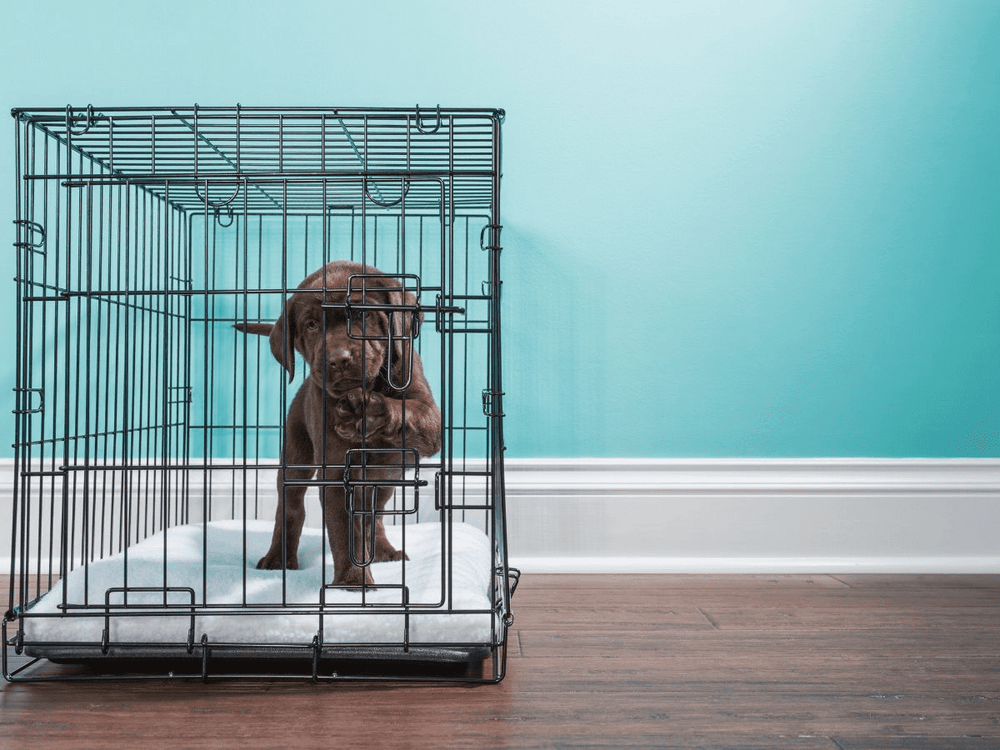
Before buying a new crate, you can use temporary solutions to adjust the space for your growing Labrador. Many crates come with dividers, which allow you to block off part of the crate and expand it as your puppy grows.
This helps keep your puppy cozy while preventing them from using excess space for accidents or chewing. If your crate doesn’t have a divider, try using safe barriers or even a crate liner to create smaller sections temporarily.
Have you tried adjusting your Labrador’s crate size as they grew? What worked best for you? Sharing your experience can help others find the right balance between comfort and space.
Credit: www.prwe.com
Additional Accessories For Crate Comfort
Making your Labrador’s crate a cozy and inviting space can make a big difference in how they feel about spending time there. Adding the right accessories not only boosts comfort but also keeps your dog mentally and physically engaged. Think about what your Labrador needs to relax, play, and stay hydrated while inside the crate.
Bedding Options
Start with soft, supportive bedding that fits the size of your Labrador’s crate perfectly. Look for washable materials that hold up well against your dog’s activity and occasional accidents. Memory foam beds or orthopedic pads work great for larger breeds like Labradors, especially if your dog is older or has joint issues.
Have you noticed how your dog curls up differently depending on the type of bedding? Choosing the right texture and thickness can encourage your Labrador to settle in comfortably. Don’t forget to add a washable cover for easy cleaning.
Toys And Chews
Including toys and chews keeps your Labrador entertained and helps reduce anxiety when they’re in the crate alone. Durable chew toys made from rubber or nylon can withstand their strong jaws and keep them busy. Puzzle toys also challenge their mind and prevent boredom.
Try rotating toys every few days to keep things fresh and exciting. Which toys does your dog favor most? Observing their preferences can help you select the best options to include regularly.
Water And Food Bowls
Access to water inside the crate is essential, especially if your Labrador spends long periods there. Attach spill-proof bowls to the crate walls to prevent messes and ensure your dog stays hydrated. Some bowls come with secure mounts designed for crates, making them a practical choice.
If you plan to feed your dog in the crate, consider the same spill-proof design for food bowls. Do you notice your Labrador drinking less when confined? Offering fresh water regularly and monitoring intake helps keep them healthy and comfortable.
Frequently Asked Questions
What Is The Ideal Crate Size For A Labrador?
A 42-inch crate is ideal for most adult Labradors. It provides enough space for comfort and movement without being too large.
Should A Labrador’s Crate Be Bigger Than Its Size?
Yes, the crate should be slightly bigger than the dog. This allows room to stand, turn, and lie down comfortably.
How To Measure A Labrador For The Crate Size?
Measure your Labrador from nose to tail and floor to top of head. Add a few inches to these measurements for the crate size.
Can A Labrador Puppy Use The Same Crate Size As An Adult?
No, a puppy crate should be smaller or adjustable. Use dividers in a large crate to accommodate growth.
Conclusion
Choosing the right crate size helps your Labrador feel safe and comfy. A crate too small can cause stress and discomfort. Too large, and your dog may lose the cozy feel. Measure your dog’s length and height before buying. Aim for a crate that allows space to stand, turn, and lie down.
This makes crate training easier and more effective. A well-sized crate supports good behavior and restful sleep. Your Labrador will enjoy a happy, secure space to call their own.

Emily Barker is the founder of ChillDogLife.com, a space dedicated to helping pup parents discover the best dog products, lifestyle tips, and cozy ideas for happier homes.
A lifelong dog lover, Emily combines her passion for pets with a knack for research to share trusted recommendations on everything from toys and furniture to health and everyday care.
Her goal is simple: to make life easier, stylish, and more joyful for dogs and the people who love them.




