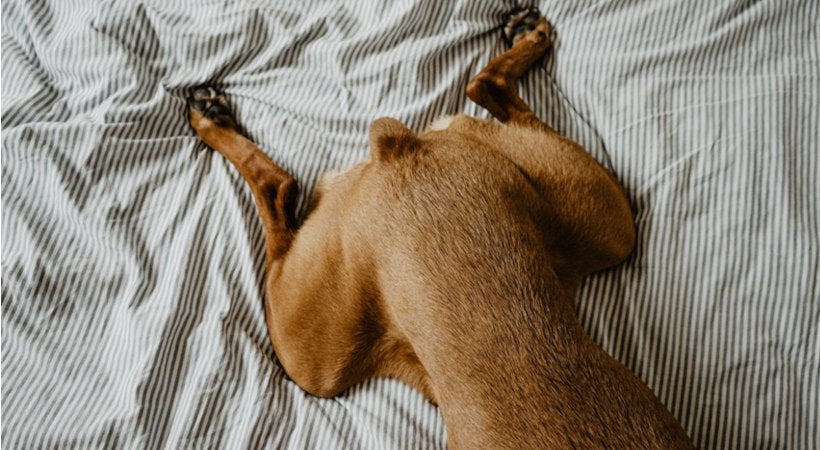
You love your dog, but waking up to find pee on your bed can be frustrating and confusing. You might wonder, “Why does my dog pee in bed?” It’s a common problem that many pet owners face, and it’s not always easy to understand.
But don’t worry—there are reasons behind this behavior, and you can find solutions. Keep reading to discover why your dog might be doing this and what you can do to stop it for good. Your bed—and your peace of mind—deserve it.
Credit: bullybeds.com
Common Causes Of Bedwetting
Bedwetting in dogs can confuse and frustrate owners. Understanding the causes helps find the right solution. Several common reasons make dogs pee in bed. These include health problems, behavior, stress, and marking territory. Each reason needs a different approach for care and training.
Medical Issues
Health problems often cause bedwetting in dogs. Urinary tract infections can make dogs urinate suddenly. Bladder stones or kidney disease also lead to accidents. Older dogs might suffer from incontinence due to aging. A vet check is important to rule out these issues. Treating medical problems can stop bedwetting quickly.
Behavioral Factors
Behavior plays a big role in bedwetting. Dogs may not have learned proper bathroom habits. Puppies especially need consistent training and patience. Changes in routine or environment can confuse dogs. Some dogs pee in bed out of habit or laziness. Reinforcing good behavior helps reduce accidents over time.
Anxiety And Stress
Stress can trigger bedwetting in dogs. Loud noises, new places, or separation cause anxiety. Dogs might pee to show fear or discomfort. Stress-related bedwetting often happens during changes. Calming techniques and comfort can ease anxiety. A calm dog is less likely to wet the bed.
Territorial Marking
Some dogs pee in bed to mark territory. This is common in unneutered males but can happen in any dog. The bed smells like the owner, so dogs want to claim it. Marking is a natural behavior but unwanted indoors. Neutering and training help reduce marking habits effectively.
How Age Affects Bedwetting
Understanding why your dog pees in bed can be challenging. Age plays a significant role in this behavior. Both puppies and senior dogs may struggle with bedwetting. Their reasons often differ, influenced by their stage of life. Let’s explore how age affects this behavior.
Puppy Training Challenges
Puppies are bundles of energy and excitement. They are still learning about the world. Potty training is a part of this learning process. Puppies have small bladders. They need frequent bathroom breaks. Accidents happen, especially in cozy places like beds. Consistent training and patience help reduce these accidents.
Senior Dog Health Concerns
Senior dogs might face different challenges. Aging can bring health issues. Incontinence is common in older dogs. They may not control their bladder well. Diseases or medications can also contribute. Regular veterinary check-ups are important. They help manage health-related bedwetting in senior dogs.
Environmental Triggers
Dogs often react strongly to changes around them. Their environment plays a big role in their behavior, including where they choose to pee. Understanding environmental triggers helps identify why your dog pees in bed. These triggers can cause stress or confusion, leading to accidents.
Changes In Routine
Dogs thrive on routine and predictability. Sudden changes in feeding, walking, or sleeping times can cause anxiety. This stress may lead to your dog peeing in bed. Even small shifts, like a later walk or different meal time, can upset your dog’s sense of security.
New Household Members
Introducing a new family member, whether a baby or another pet, can unsettle your dog. They may feel insecure or jealous. This emotional stress can cause accidents in their usual safe spots, like your bed. Your dog might be trying to mark territory or get attention.
Sleeping Area Problems
Your dog’s sleeping space must feel safe and comfortable. Dirty bedding, loud noises, or strong smells can stress your dog. A cold or hard sleeping spot may also cause discomfort. These issues can make your dog avoid their bed and pee there instead.

Credit: rockykanaka.com
Quick Fixes To Stop Bedwetting
Bedwetting can frustrate both you and your dog. Finding quick fixes helps keep your bed clean and your dog comfortable. These simple steps create good habits and reduce accidents.
Start by setting a clear routine. Dogs respond well to consistency. Use training tools and clean thoroughly to remove smells. Sometimes, protective gear can help during training.
Consistent Potty Schedule
Take your dog outside at regular times. Early morning, after meals, and before bedtime are best. This routine reduces the chance of accidents indoors. Praise your dog when they go outside. It encourages good behavior.
Crate Training Benefits
Dogs usually avoid soiling their sleeping area. A crate offers a safe, cozy space. It helps your dog learn bladder control. Keep the crate the right size—big enough to turn, small enough to discourage peeing.
Cleaning And Odor Removal
Clean accidents quickly with pet-safe cleaners. Use products that eliminate urine smell completely. Lingering odors invite your dog to pee again. Avoid ammonia cleaners; they smell like urine to dogs.
Using Dog Diapers
Dog diapers protect your bed during training. They are useful for older dogs or those with medical issues. Change diapers often to keep your dog comfortable. Use diapers as a temporary aid, not a long-term solution.
When To See A Veterinarian
Noticing your dog peeing in bed can be frustrating and confusing. Sometimes, this behavior signals a health problem that needs urgent attention. Knowing when to see a veterinarian can save your pet from discomfort and prevent serious complications.
Signs Of Health Problems
Watch for sudden changes in your dog’s bathroom habits. Is your dog drinking more water than usual? Are they straining to urinate or showing discomfort?
Other signs include frequent accidents, blood in the urine, or excessive licking of the genital area. If your dog seems lethargic, has a fever, or shows signs of pain, these are strong indicators to seek veterinary help immediately.
Diagnostic Tests
Your vet will likely start with a physical exam and ask detailed questions about your dog’s behavior and medical history. They may recommend tests like a urinalysis to check for infections or crystals.
Blood tests can reveal kidney function or diabetes, common causes of incontinence. In some cases, imaging such as X-rays or ultrasounds help identify bladder stones or tumors that might be causing the problem.
Treatment Options
Treatment depends on the diagnosis. If an infection is present, antibiotics are usually prescribed and can work quickly to relieve symptoms.
For chronic issues like bladder stones or hormonal imbalances, your vet might suggest surgery or hormone therapy. Behavioral training and environmental changes can also support recovery and prevent future accidents.
Credit: heoupet.com
Frequently Asked Questions
Why Does My Dog Pee In Bed At Night?
Dogs may pee in bed due to medical issues, anxiety, or incomplete house training. Nighttime accidents often link to bladder control or stress. Identifying the cause helps in finding the right solution for your dog’s comfort.
Can Stress Cause Dogs To Pee In Bed?
Yes, stress and anxiety can trigger bed-wetting in dogs. Changes in routine, new environments, or loud noises increase stress. Reducing anxiety through training and comfort can prevent this behavior.
Is A Urinary Tract Infection Causing My Dog’s Bed Peeing?
Urinary tract infections (UTIs) often cause frequent urination and accidents. If your dog pees in bed suddenly, a vet check can confirm a UTI. Early treatment prevents discomfort and ongoing accidents.
How Can I Stop My Dog From Peeing In Bed?
To stop bed peeing, address medical issues first. Reinforce house training and create a calm sleeping space. Regular bathroom breaks and positive reinforcement improve your dog’s behavior.
Conclusion
Dogs peeing in bed can mean many things. It might be health issues or stress. Sometimes, training needs a little refresh. Watch your dog closely for signs or changes. Clean accidents quickly to avoid smells. Patience and care help your dog feel safe.
Seek help from a vet if problems continue. Understanding your dog’s needs makes a big difference. Your love and attention can fix this problem. Keep trying—your dog will learn and improve.

Emily Barker is the founder of ChillDogLife.com, a space dedicated to helping pup parents discover the best dog products, lifestyle tips, and cozy ideas for happier homes.
A lifelong dog lover, Emily combines her passion for pets with a knack for research to share trusted recommendations on everything from toys and furniture to health and everyday care.
Her goal is simple: to make life easier, stylish, and more joyful for dogs and the people who love them.




