If you want your dog to feel safe and comfortable in their crate, getting the right size is key. But how do you measure your dog correctly to make sure the crate fits perfectly?
You might think it’s simple, but one wrong measurement can leave your furry friend cramped or with too much empty space. You’ll learn exactly how to measure your dog step-by-step. By the end, you’ll know how to choose a crate that feels like a cozy little home for your pet.
Keep reading to make crate training easier and more enjoyable for both you and your dog.
Why Proper Crate Size Matters
Choosing the right crate size for your dog is more important than many realize. A crate that fits well helps your dog feel safe and comfortable, turning it into a true haven. On the other hand, a crate that’s too small or too large can cause stress and disrupt training.
Have you ever wondered why some dogs seem reluctant to enter their crates? Often, it’s because the space doesn’t feel right. Understanding why proper crate size matters can change how you approach crate training and improve your dog’s overall wellbeing.
Comfort And Security
Your dog needs enough room to stand up, turn around, and lie down comfortably. If the crate is too small, they’ll feel cramped and anxious, which defeats the purpose of providing a safe space.
Think about your own personal space—would you feel relaxed in a tight closet? Dogs feel the same way. A well-sized crate offers a sense of security without causing discomfort.
Effective Training
Crate training works best when your dog associates the crate with a positive experience. A proper size prevents your dog from using one end as a bathroom and the other as a sleeping area.
If the crate is too large, your dog might develop bad habits, like soiling inside the crate. Keeping the crate just the right size encourages good hygiene and speeds up housebreaking.
Health And Safety
An ill-fitting crate can lead to health problems, such as joint strain or muscle cramps. Dogs that can’t move freely might develop stiffness or discomfort over time.
Your dog’s safety is also at risk if they try to squeeze into a too-small space and get stuck or injured. Proper sizing helps avoid these risks by giving your dog enough room to be comfortable but not excessive space that encourages unsafe behavior.

Credit: www.amazon.com
Essential Measurements To Take
Getting the right crate size for your dog starts with accurate measurements. These measurements ensure your pet stays comfortable and safe without feeling cramped or overwhelmed. Understanding what to measure and how to do it can save you from costly returns or unhappy pets.
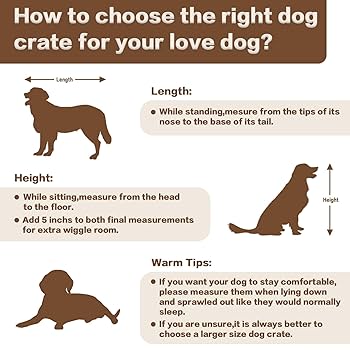
Measuring Your Dog’s Length
Begin by measuring from the tip of your dog’s nose to the base of their tail. This length helps determine the minimum crate length your dog needs to stretch out comfortably. Make sure your dog is standing or lying straight to get the most accurate measurement.
If your dog has a longer tail, don’t include it in the length measurement. Instead, focus on the body length to avoid choosing a crate that’s too long or bulky.
Measuring Height And Width
Measure your dog’s height from the floor to the top of their head or ears when they’re standing. This helps you pick a crate tall enough so your dog can sit or stand without hitting their head. For width, measure across the widest part of your dog’s body, usually the shoulders or hips.
Adding a few extra inches to both height and width gives your dog space to turn around easily. Don’t forget to check if your dog likes to stretch sideways or curl up tight—this affects the width you’ll need.
Considering Weight And Breed
Weight plays a key role in crate selection, especially for sturdiness and ventilation. Heavier dogs might need crates with stronger materials and secure locks. Knowing your dog’s breed also helps since some breeds have unique body shapes that affect crate fit.
For example, a Greyhound’s slender frame needs a longer crate, while a Bulldog’s broad chest demands more width. Asking yourself, “Does my dog have special space needs based on breed or weight?” can guide your final choice.
Tools Needed For Measuring
Measuring your dog accurately is key to choosing the right crate size. Having the right tools makes this task simple and precise. Without the proper tools, you might end up with a crate that’s too tight or too loose, which can affect your dog’s comfort and safety.
Measuring Tape Or Ruler
A flexible measuring tape is ideal for measuring your dog’s length and height. It bends around curves easily, giving you accurate measurements from nose to tail and floor to shoulder. If you don’t have a measuring tape, a standard ruler can work, but it may be harder to measure longer dimensions.
Notebook And Pen
Write down your dog’s measurements as you go. This keeps your data organized and helps you avoid mistakes. You can also note any special considerations, like extra space your dog might need to stretch or turn around comfortably.
Helper Or Assistant
Dogs often wiggle during measuring, which can make it tricky. Having someone to gently hold your dog still can speed up the process and improve accuracy. If you’re measuring alone, try to keep your dog calm with treats or toys.
Flat Surface
Your dog should stand on a flat, even surface for the most accurate height measurement. Measuring on a soft or uneven floor can distort the results. A tiled floor or hardwood surface works well.
Optional: Treats Or Toys
Use treats or favorite toys to keep your dog focused and still while you measure. This small trick can make the process smoother and less stressful for both of you. Have them ready before you start measuring.
Step-by-step Measuring Process
Measuring your dog accurately is key to choosing the right crate size. The process is simple if you follow clear steps. Take your time and make sure your dog is calm and comfortable for the best results.
Prepare Your Dog
Start by finding a quiet space where your dog feels safe. Use treats or toys to keep them still and focused. If your dog is nervous or fidgety, try measuring after a walk to help them relax.
Measure Length From Nose To Tail
Have your dog stand or lie down naturally. Use a soft measuring tape to measure from the tip of their nose to the base of their tail—not the tail tip. This length helps ensure the crate is long enough for your dog to stretch out comfortably.
Measure Height From Floor To Shoulders
Measure your dog’s height at the shoulders while they are standing. This is usually the tallest part of their body when upright. Knowing this height helps you pick a crate tall enough for your dog to sit and stand without hitting their head.
Measure Width Across The Body
Measure the widest part of your dog’s body, usually around the chest or hips. Make sure your dog is standing naturally and not pulling in their legs. This width ensures the crate is spacious enough for your dog to turn around freely.
Choosing The Right Crate Size
Choosing the right crate size is key for your dog's comfort and safety. A crate too small feels cramped. One too big may not feel secure. Proper measurement helps pick a crate that fits your dog’s body and needs.
Allowing Extra Space For Comfort
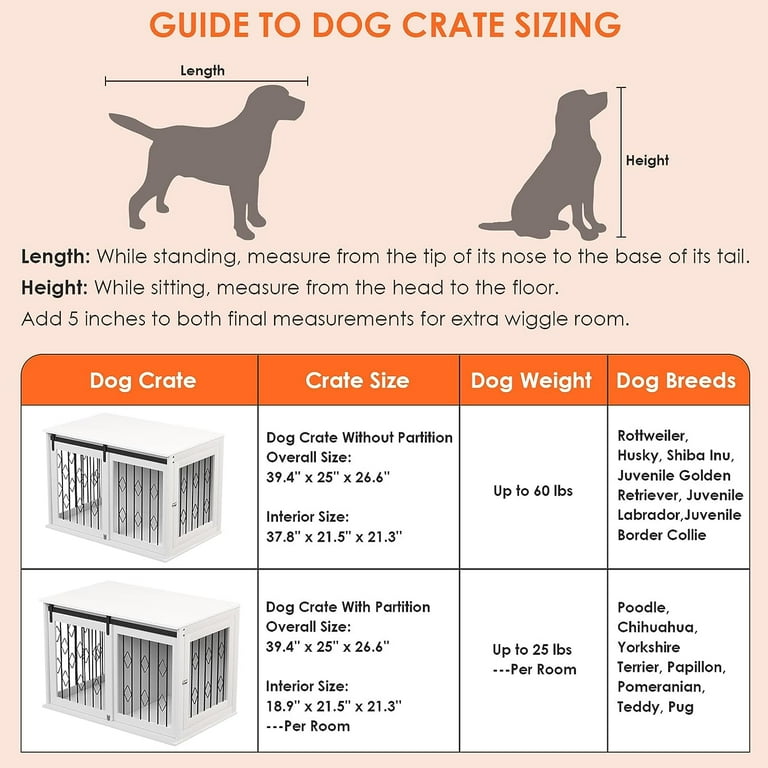
Measure your dog’s length from nose to tail base. Then, measure height from paws to top of head. Add 2 to 4 inches to each measurement. This extra space lets your dog stand, turn, and lie down comfortably.
Too tight a crate causes stress and discomfort. Too large a crate may encourage bad behavior. The right balance keeps your dog calm and happy.
Types Of Crates And Size Guidelines
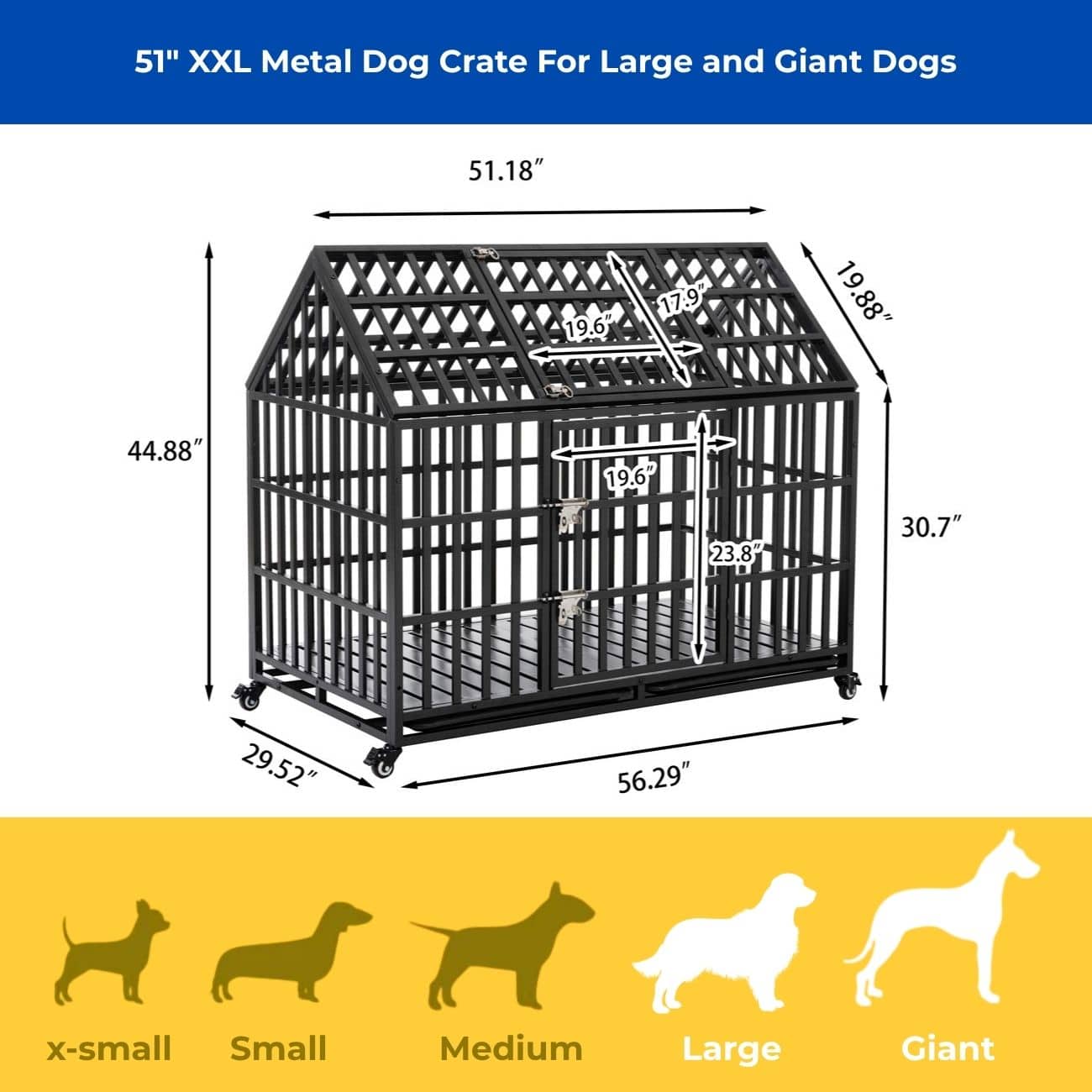
Crates come in wire, plastic, and soft-sided types. Each type has size charts you can follow. Wire crates often have adjustable dividers for growing dogs.
- Wire crates:Add 4 inches to length and height for comfort.
- Plastic crates:Choose one that fits your dog with 2 to 3 inches extra.
- Soft-sided crates:Usually fit snugly, so add 3 to 4 inches.
Check the manufacturer’s size guide for best results. Measure your dog carefully before buying. The right crate size helps your dog feel safe and cozy.
Common Mistakes To Avoid
Measuring your dog for a crate can be tricky. Many pet owners make simple errors that affect comfort and safety. Avoiding these mistakes ensures the crate fits well and your dog feels secure.
Take your time and measure carefully. Use the right tools and follow clear steps. This section highlights common mistakes to watch out for during the process.
Not Measuring The Dog While Standing
Measure your dog while it stands on all four legs. Sitting or lying down changes the dog’s height and length. A standing position gives the most accurate crate size.
Ignoring Extra Space Needs
A crate should be roomy enough for your dog to turn around. Add a few inches to length, height, and width. Too small crates cause discomfort and stress.
Using Only Weight Instead Of Size
Weight alone does not show your dog’s crate size. Two dogs with the same weight can have different shapes. Always measure length, height, and width, not just weight.
Measuring The Dog’s Length Incorrectly
Length means from nose tip to tail base, not the tail tip. Measure carefully to avoid buying a crate that is too short.
Forgetting To Measure The Dog’s Height Properly
Measure from the floor to the top of the head or ears. This ensures the crate’s height fits your dog comfortably.
Using Inaccurate Tools
A soft tape measure works best for dogs. Avoid using rulers or strings that can stretch or bend. Accurate tools give precise measurements.
Not Checking The Dog’s Growth
Puppies grow fast. Measure often to update crate size. Choosing a crate too small for growth can cause problems later.
Adjusting Crate Size For Growth
Adjusting the size of a dog crate is important as your puppy grows. Puppies grow fast, and their crate needs to change to fit them properly. A crate that is too small feels cramped. A crate that is too big can feel unsafe and uncomfortable.
Changing the crate size keeps your dog comfortable and secure. It also helps with training and travel. Measure your dog regularly to find the right crate size as they grow.
Signs Your Dog Needs A Bigger Crate
- Your dog can’t stand up fully inside the crate.
- Your dog’s tail touches the crate walls when lying down.
- Your dog shows signs of discomfort or tries to escape.
- The crate feels crowded during rest or sleep.
How To Measure Your Growing Dog
Measure your dog from the tip of the nose to the base of the tail. Add a few inches for comfort. Measure your dog’s height from the floor to the top of the head or ears. Add an extra inch to this number.
Choosing An Adjustable Crate
- Select crates with adjustable dividers to grow with your dog.
- Use the divider to create a smaller space for a puppy.
- Move the divider back as your dog grows.
- This avoids buying a new crate every few months.
When To Upgrade To A Larger Crate
Upgrade the crate when your dog outgrows the current space. Check measurements monthly during rapid growth phases. Choose a crate size that allows your dog to stand, turn, and lie down comfortably.
Credit: www.lillyandmax.com
Credit: www.walmart.com
Frequently Asked Questions
How Do I Choose The Right Crate Size?
To choose the right crate size, measure your dog’s length and height. Ensure the crate is large enough for your dog to stand, turn, and lie down comfortably. Use a measuring tape for accuracy. A proper fit ensures safety and comfort for your furry friend.
What Tools Do I Need For Measurement?
You will need a measuring tape and a piece of paper. Use the measuring tape to measure your dog’s length from nose to tail base. Measure height from floor to top of the head. Write down these measurements to find the perfect crate size.
Why Is Accurate Measurement Important For Dog Crates?
Accurate measurement ensures your dog’s safety and comfort in the crate. A properly sized crate prevents stress and injury. It allows your dog to move freely without feeling cramped. A well-measured crate also aids in training and travel convenience.
Can I Use A Weighing Scale For Crate Size?
A weighing scale is not useful for measuring crate size. It only provides your dog’s weight. Instead, use a measuring tape for precise length and height measurements. This ensures you select a crate that fits your dog’s dimensions perfectly.
Conclusion
Measuring your dog for a crate helps ensure the right fit. A well-fitted crate keeps your dog safe and comfortable. Use a tape measure to check length, height, and width. Allow extra space for your dog to stand and turn easily.
Proper measurements prevent stress and encourage positive crate use. Taking time to measure shows care and helps your dog feel secure. A good crate size supports happy, healthy crate training. Simple steps make a big difference in your dog’s comfort.

Emily Barker is the founder of ChillDogLife.com, a space dedicated to helping pup parents discover the best dog products, lifestyle tips, and cozy ideas for happier homes.
A lifelong dog lover, Emily combines her passion for pets with a knack for research to share trusted recommendations on everything from toys and furniture to health and everyday care.
Her goal is simple: to make life easier, stylish, and more joyful for dogs and the people who love them.




