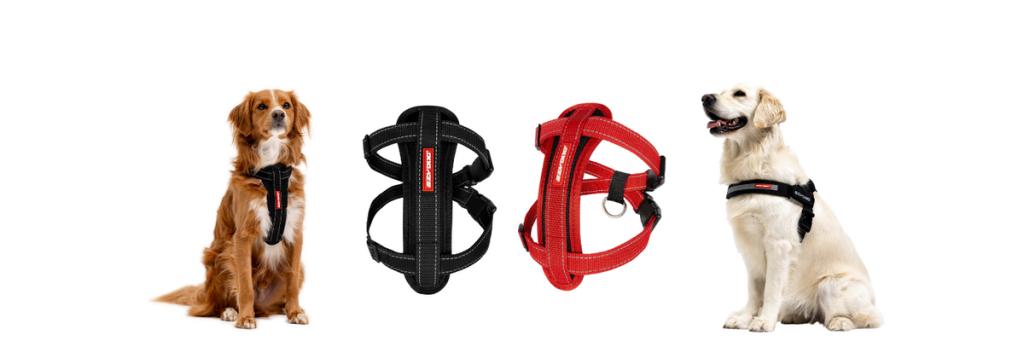
Putting on a dog harness might seem simple, but if it’s not done right, it can be uncomfortable for your furry friend and tricky for you. You want your dog to feel safe and secure, while you stay in control during walks or outings.
You’ll discover easy steps to put on a dog harness quickly and correctly. By the end, you’ll feel confident, and your dog will be ready to enjoy every adventure by your side. Keep reading to learn how to make harness time a breeze for both of you.
Choosing The Right Harness
Choosing the right harness is key to your dog’s safety and comfort. A good harness fits well and suits your dog’s activity level. Picking the right one makes walks easier and more enjoyable for both of you.
Types Of Dog Harnesses
There are several types of dog harnesses. Each serves a different purpose and fits differently.
- Back-clip harness:The leash attaches on the dog’s back. Good for small or calm dogs.
- Front-clip harness:The leash attaches on the chest. Helps control pulling.
- Step-in harness:The dog steps into it. Easy to put on and take off.
- No-pull harness:Designed to reduce pulling by redirecting the dog’s movement.
Sizing Your Dog
Measure your dog’s chest and neck to find the right size. Use a soft tape measure for accuracy.
Check the size chart from the harness maker. The harness should be snug but not tight.
You should fit two fingers between the harness and your dog’s body. This keeps your dog comfortable and safe.
Material And Comfort
Choose a harness made from soft, durable materials. Look for padded straps to prevent chafing.
Breathable fabrics help keep your dog cool during walks. Avoid rough or stiff materials that can irritate the skin.
Adjustable straps improve fit and comfort. Make sure the harness allows easy movement for your dog.

Credit: www.youtube.com
Preparing Your Dog
Begin by calming your dog to make the process smooth. Gently place the harness over its head, then secure the straps around the body. Check the fit to ensure comfort and safety before moving.
Preparing your dog for a harness is an essential step to ensure a smooth and stress-free experience for both of you. Dogs, like humans, can be apprehensive about new experiences, especially when it involves something unfamiliar being strapped onto their bodies. By taking the time to prepare your dog properly, you’re not only fostering a positive environment but also reinforcing your bond.Getting Your Dog Comfortable
Your dog’s comfort is paramount. Begin by creating a relaxed atmosphere. Choose a quiet room where there are no distractions. Sit with your dog and offer treats to build a sense of trust. Speak softly and praise them often. This sets a positive tone, making your dog more receptive to the harness. Remember that dogs are sensitive to your emotions. Stay calm and patient. If you’re nervous, your dog might pick up on that.Introducing The Harness Slowly
Introduce the harness gradually to avoid overwhelming your dog. Start by showing the harness to your dog without putting it on. Allow them to sniff and explore it at their own pace. Reward them with treats and praise for any positive interactions. Next, gently place the harness on their back without fastening it. This helps them get used to the feel of it. You can even let them wear it for short periods indoors while supervised. Observe their body language to gauge their comfort level. Have you ever considered that a dog might have a favorite harness color or style? Just like us, they can have preferences too. Involve your dog in the process. Let them associate the harness with fun activities like walks or playtime. This makes the harness a symbol of adventure rather than a constraint.Step-by-step Harness Application
Putting on a dog harness correctly helps keep your pet safe and comfortable. Follow these clear steps for a smooth harness application. Take your time and be gentle to make your dog feel at ease.
Positioning The Harness
Place the harness on the floor or hold it open. Let your dog step into the harness with their front legs. Make sure the part with the buckle is on your dog’s back. The chest piece should sit comfortably between the front legs.
Securing The Straps
Bring the straps around your dog’s body. Clip or fasten the buckles securely. Check that all clips are locked and the harness feels snug. Avoid straps that are twisted or tangled.
Adjusting For Fit
Adjust the straps so the harness fits well but is not tight. You should fit two fingers between the harness and your dog’s skin. Ensure your dog can move freely without rubbing or pinching. Re-check the fit after a short walk to keep your dog comfortable.
Credit: goobypet.reamaze.com
Tips For A Stress-free Experience
Putting on a dog harness can be a smooth and calm process if you approach it with patience and the right techniques. Stress-free harnessing not only makes your dog more comfortable but also strengthens your bond. Here are some practical tips to help you and your furry friend enjoy the experience every time.
Positive Reinforcement
Use treats and praise to create a positive association with the harness. Let your dog sniff and explore the harness before trying to put it on. Reward your dog immediately after securing the harness to reinforce good behavior.
Have you noticed how your dog responds to gentle encouragement versus rushing? Taking a moment to celebrate small wins can change the whole dynamic.
Dealing With Resistance
If your dog hesitates or pulls away, stay calm and avoid forcing the harness on. Try breaking the process into smaller steps, like fastening just one strap at a time. Distraction with toys or treats can also help redirect your dog’s attention.
Remember, pushing too hard can make your dog more anxious. Instead, ask yourself what might be causing their discomfort and adjust your approach accordingly.
Safety Checks Before Walks
After putting on the harness, double-check all buckles and straps to ensure a snug but comfortable fit. Make sure the harness isn’t too tight—two fingers should fit between the harness and your dog’s body. Inspect for any signs of wear or damage that could affect safety.
Have you ever experienced a loose harness slipping during a walk? Taking a moment for these checks can prevent unexpected escapes and keep your dog safe.
Common Mistakes To Avoid
Putting on a dog harness might seem straightforward, but many dog owners make mistakes that can affect their pet’s safety and comfort. Avoiding these common errors helps ensure your dog stays secure and happy during walks. Let’s look at some pitfalls to watch out for.
Incorrect Sizing
Choosing the wrong harness size is a frequent mistake. A harness that’s too small can pinch or restrict your dog’s movement, causing discomfort or even injury. On the other hand, a harness that’s too big can slip off, making it useless for control.
Measure your dog carefully around the chest and neck before buying. If you’re unsure, try adjustable harnesses to get a better fit. Have you ever noticed your dog slipping out of their harness during a walk? It’s often because of poor sizing.
Loose Or Tight Fitting
Many people think a tighter harness means better control, but that’s not true. A harness that’s too tight can chafe your dog’s skin and restrict breathing. Too loose, and it won’t keep your dog secure.
A good rule is to fit the harness snugly but leave enough room to slide two fingers between the harness and your dog’s body. This balance keeps your dog safe without causing discomfort. Next time you put on a harness, ask yourself: can my dog move freely without slipping out?
Ignoring Your Dog’s Comfort
Comfort is often overlooked when putting on a harness. Dogs may try to pull away or show signs of distress if the harness irritates them. Your dog’s reaction is a clear signal to check the fit or material.
Look for padded straps and smooth edges to reduce rubbing. Spend some time letting your dog wear the harness indoors before heading out. How does your dog behave when the harness is on? Their comfort should guide your choice every time.

Credit: ezydog.co.nz
Maintenance And Care
Proper maintenance and care keep your dog harness safe and comfortable. A clean harness prevents skin irritation and bad smells. Regular checks help spot damage before it becomes a problem. This care extends the life of the harness and protects your dog during walks.
Cleaning The Harness
Clean the harness regularly to remove dirt and bacteria. Hand wash with mild soap and warm water. Avoid harsh chemicals that can damage the material or irritate your dog’s skin. Rinse well to remove all soap. Let the harness air dry completely before use. Never use a dryer, as heat can weaken the fabric and buckles.
Inspecting For Wear And Tear
Check the harness before each walk. Look for frayed straps, loose stitching, or broken buckles. Test the clips and adjusters to make sure they work properly. Replace the harness if you see any damage that could affect safety. Regular inspection helps prevent accidents and keeps your dog secure.
Frequently Asked Questions
How Do You Measure A Dog For A Harness?
Measure your dog’s chest girth behind the front legs. Also, measure the neck circumference for a proper fit. Use a flexible tape for accuracy. These measurements help select the right harness size for comfort and security.
What Is The Easiest Way To Put On A Dog Harness?
Unclip the harness and let your dog step into it. Slip the harness over the head and fasten buckles securely. Adjust the straps for a snug fit, ensuring it’s comfortable but not too tight.
How Tight Should A Dog Harness Fit?
The harness should be snug but allow two fingers to fit between the harness and your dog’s body. This ensures comfort and prevents slipping or chafing during walks.
Can Puppies Wear Harnesses From An Early Age?
Yes, puppies can wear harnesses once they are walking steadily. Choose a lightweight, adjustable harness designed for small or growing dogs to ensure comfort and safety.
Conclusion
Putting on a dog harness takes patience and care. Start slowly and let your dog get used to it. Make sure the harness fits snugly but not tight. Check all straps before walking. A proper fit keeps your dog safe and comfortable.
Practice often to help your dog feel relaxed. Enjoy your walks together with confidence and ease. Small steps lead to a happy, secure dog. Keep trying, and the process will get easier. Your dog will thank you for the gentle approach.

Emily Barker is the founder of ChillDogLife.com, a space dedicated to helping pup parents discover the best dog products, lifestyle tips, and cozy ideas for happier homes.
A lifelong dog lover, Emily combines her passion for pets with a knack for research to share trusted recommendations on everything from toys and furniture to health and everyday care.
Her goal is simple: to make life easier, stylish, and more joyful for dogs and the people who love them.




