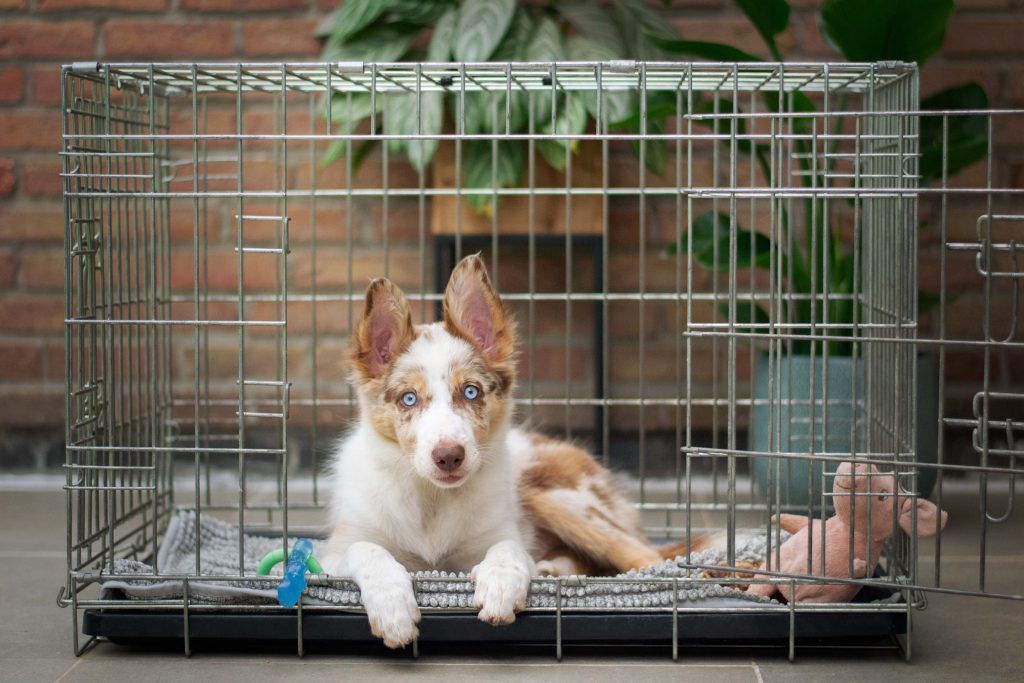
If you want your dog to feel safe and comfortable while keeping your home tidy, kennel training is the key. You might wonder how to start or if it’s even possible without stress for both of you.
This guide will show you simple, effective steps to help your dog enjoy their kennel. By the end, you’ll have the tools to create a calm, happy space for your furry friend—and peace of mind for yourself. Keep reading to discover how easy kennel training can be!

Credit: www.care.com
Choosing The Right Kennel
Choosing the right kennel is key to successful training. It affects your dog’s comfort and safety. The right kennel feels like a safe space for your pet. Think about size, materials, and placement. These factors make a big difference in your dog's kennel experience.
Size And Comfort
Pick a kennel large enough for your dog to stand, turn, and lie down comfortably. Too small feels cramped and causes stress. Too big may reduce the sense of security. Add soft bedding for extra comfort. Keep it simple and cozy to encourage your dog to rest inside.
Materials And Safety
Choose sturdy, non-toxic materials that last long. Metal kennels offer good ventilation and durability. Plastic kennels give a den-like feel and protect from drafts. Avoid kennels with sharp edges or loose parts. Check for secure latches to prevent escapes. Safety should always come first.
Location Tips
Place the kennel in a quiet, low-traffic area. Avoid spots near loud appliances or direct sunlight. A calm location helps your dog relax and sleep better. Keep it near family rooms so your dog feels included. This balance builds trust and reduces anxiety.

Credit: www.prwe.com
Introducing Your Dog To The Kennel
Introducing a dog to a kennel takes patience and gentle encouragement. Make the space comfortable and use treats to create positive feelings. Gradually increase time spent inside to help your dog feel safe and calm.
Introducing your dog to the kennel can be an exciting journey. A kennel offers comfort and safety, becoming a haven for your furry friend. Starting the process with care ensures a smooth transition. Below are key steps to create a welcoming kennel experience for your dog.Creating A Positive Space
Make the kennel inviting and cozy. Use soft bedding to add comfort. Choose a quiet spot for the kennel, away from noise. Ensure there’s enough light and ventilation. Keep the space clean and fresh. Introduce the kennel gradually, allowing your dog to explore it at their own pace.Using Treats And Toys
Incentivize your dog with treats and toys. Place treats inside the kennel to attract your dog. Use toys your dog loves to spark interest. Praise your dog when they enter the kennel. This builds a positive association with the space.Short Initial Sessions
Begin with short kennel sessions. Keep the first few sessions brief, around 5 to 10 minutes. Gradually increase the time as your dog becomes comfortable. Stay nearby to reassure your dog during these initial sessions. Patience is key in this adjustment phase.Establishing A Routine
Establishing a routine helps your dog feel safe and understand what to expect. Dogs thrive on regular schedules. A clear routine reduces anxiety and builds good habits. Consistent timing for meals, breaks, and bedtime creates structure. This makes kennel training easier and more effective.
Consistent Feeding Times
Feed your dog at the same times every day. This helps regulate their digestion and bathroom needs. Predictable feeding times lead to fewer accidents in the kennel. Use the feeding schedule to guide kennel breaks. Keep meals calm and quiet to reinforce routine.
Scheduled Kennel Breaks
Take your dog out of the kennel at regular intervals. Plan breaks before and after meals, and after playtime. Regular breaks prevent accidents and keep your dog comfortable. Use these times for bathroom trips and brief exercise. Consistency in breaks teaches your dog when to expect freedom.
Bedtime Practices
Create a calm environment before bedtime. Give your dog a chance to relieve itself before kennel time. Use a quiet, dim space to help your dog relax. Stick to the same bedtime every night. A predictable bedtime routine helps your dog settle quickly in the kennel.

Credit: www.monsterk9.com
Handling Common Challenges
Handling challenges during kennel training can test your patience. Dogs may whine, have accidents, or show anxiety. Understanding these behaviors helps you respond calmly. Consistency and kindness guide your dog toward good habits.
Managing Whining And Barking
Whining and barking happen when dogs feel lonely or scared. Ignore the noise if your dog is safe. Giving attention can teach them to repeat it. Use a calm voice to reassure your dog once quiet. Offer a favorite toy or treat inside the kennel. Keep training sessions short to build comfort gradually.
Dealing With Accidents
Accidents inside the kennel are normal at first. Clean the area well with pet-safe cleaner to remove smells. Avoid punishment; it can make fear worse. Increase bathroom breaks outside before kennel time. Watch for signs your dog needs to go out. Create a routine to reduce accidents over time.
Avoiding Separation Anxiety
Separation anxiety causes stress when dogs feel alone. Help your dog by leaving for short times at first. Return calmly without making a big fuss. Provide comforting smells like a worn shirt in the kennel. Use puzzle toys to keep your dog busy. Gradually increase time apart to build confidence.
Reinforcing Good Behavior
Reinforcing good behavior is key to successful kennel training. It helps your dog feel safe and eager to stay in the kennel. Rewarding positive actions builds trust and encourages your dog to repeat them. Patience and consistency make the learning process smooth and stress-free.
Positive Reinforcement Techniques
Use treats and praise to reward your dog for calm behavior in the kennel. Offer a small treat when your dog enters the kennel voluntarily. Give verbal praise with a happy tone to make your dog feel appreciated. Avoid punishment; it can cause fear and resistance. Reward calmness and quiet to create a positive association with the kennel.
Gradual Increase Of Kennel Time
Start with short periods inside the kennel. Let your dog out before they get anxious. Slowly add more time in the kennel each day. This helps your dog adjust without stress. Watch for signs of discomfort and reduce time if needed. A steady, gradual increase builds confidence and comfort.
Using Commands Effectively
Choose a simple command like “kennel” or “crate.” Use the command every time you ask your dog to enter the kennel. Say the command clearly and calmly. Reward your dog immediately after they obey. Consistent use of commands helps your dog understand what you want. It also speeds up training and reduces confusion.
Transitioning Out Of The Kennel
Transitioning your dog out of the kennel is a crucial phase in training. It requires patience and close attention to your pet’s behavior. This step helps your dog gain trust and confidence outside the confined space.
The goal is to gradually increase freedom while keeping your dog safe. A smooth transition reduces anxiety and prevents bad habits. Careful planning makes the process easier for both you and your dog.
Recognizing Readiness
Watch for signs that your dog is ready for more freedom. They should stay calm and relaxed in the kennel. No signs of stress like barking or chewing. Your dog should follow basic commands well.
Look for consistent good behavior outside the kennel too. Your dog should listen and respond to your cues. They need to be comfortable in different parts of the house. Only then start giving them more space.
Maintaining Boundaries
Set clear rules about where your dog can go. Use baby gates or closed doors to limit access. Keep their bed or crate as a safe spot. Boundaries help dogs feel secure and know limits.
Keep a routine for feeding and bathroom breaks. Consistency makes dogs more confident. Avoid letting your dog roam freely without supervision. Boundaries prevent accidents and help training stay on track.
Balancing Freedom And Safety
Gradually increase your dog’s roaming area. Do it in small steps to avoid overwhelming them. Always watch for signs of stress or misbehavior. Safety comes first in every new stage.
Provide toys and activities to keep your dog busy. This helps reduce boredom and unwanted chewing. Use positive reinforcement when your dog behaves well outside the kennel. This encourages good habits and trust.
Frequently Asked Questions
What Is Kennel Training For Dogs?
Kennel training teaches dogs to view a crate as a safe space. It helps with housebreaking and prevents destructive behavior. Proper training ensures your dog feels secure and comfortable inside the kennel.
How Long Should Kennel Training Take?
Kennel training duration varies by dog. Most dogs adapt within 1 to 2 weeks with consistent practice. Patience and positive reinforcement speed up the process.
Can Kennel Training Reduce Separation Anxiety?
Yes, kennel training can reduce separation anxiety. It creates a secure environment, helping dogs feel safe when alone. Gradual crate introduction improves their comfort and confidence.
What Size Kennel Is Best For My Dog?
Choose a kennel large enough for your dog to stand, turn, and lie down comfortably. Too big or too small kennels reduce training effectiveness.
Conclusion
Kennel training your dog takes patience and consistency. Start slow and keep sessions short. Praise your dog for calm behavior inside the kennel. Make the kennel a safe, happy space. Avoid forcing your dog to stay inside. Over time, your dog will feel comfortable and secure.
A well-trained dog enjoys quiet rest and less stress. Keep practicing daily for best results. Small steps lead to big progress. Your effort will build trust and good habits.

Emily Barker is the founder of ChillDogLife.com, a space dedicated to helping pup parents discover the best dog products, lifestyle tips, and cozy ideas for happier homes.
A lifelong dog lover, Emily combines her passion for pets with a knack for research to share trusted recommendations on everything from toys and furniture to health and everyday care.
Her goal is simple: to make life easier, stylish, and more joyful for dogs and the people who love them.




