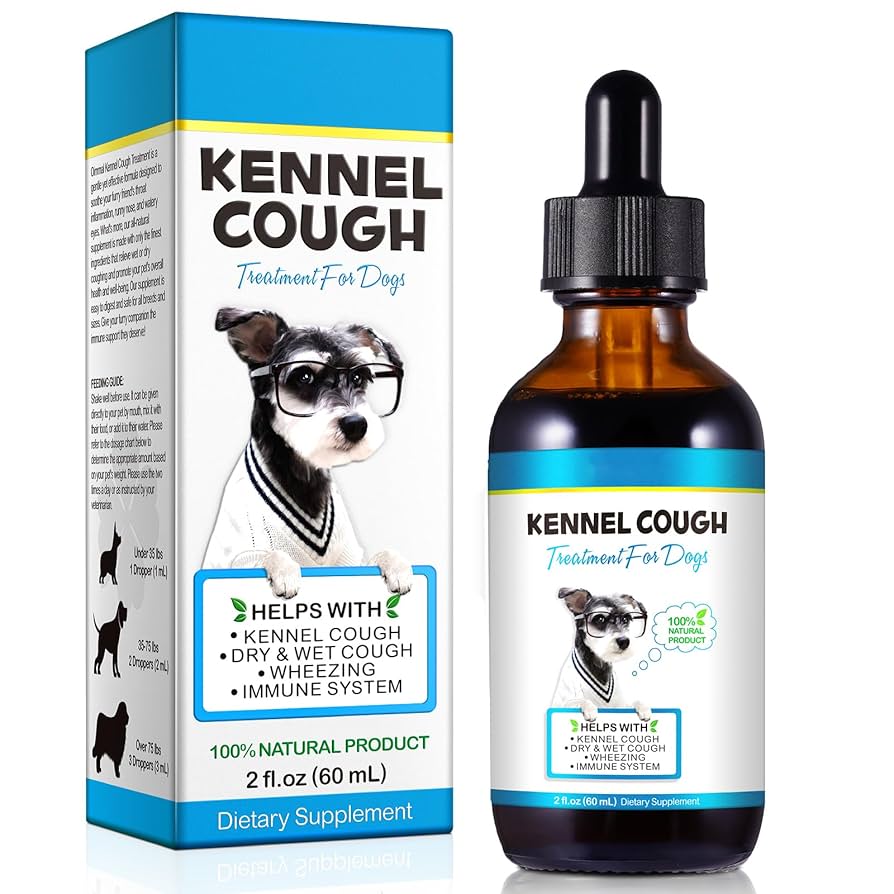
If your dog has kennel cough, you probably feel worried and unsure about what to do next. Kennel cough can make your furry friend uncomfortable and restless, and you want to help them feel better as quickly as possible.
You’ll discover clear steps to take right away, how to ease your dog’s symptoms, and when it’s time to see the vet. Keep reading to learn how to protect your dog and bring comfort back to your home.
Symptoms To Watch
Recognizing the symptoms of kennel cough early can make a big difference in how quickly your dog recovers. You want to keep a close eye on any changes in their behavior or health that could signal the illness. Knowing what signs to watch for helps you act fast and avoid complications.
Common Signs
- Persistent cough:A dry, hacking cough that sounds like something stuck in your dog’s throat is a classic sign.
- Runny nose:Clear or slightly cloudy discharge can appear before or alongside coughing.
- Sneezing:Frequent sneezing may occur as your dog tries to clear irritation in the respiratory tract.
- Reduced energy:Your usually playful dog might seem tired or less interested in activities.
- Loss of appetite:If your dog refuses food or eats less than usual, it could be related to feeling unwell.
When my dog first caught kennel cough, the cough was so sudden and loud it immediately caught my attention. I also noticed she was less enthusiastic about her favorite walks. These small changes were my first clues something was off.
When To See A Vet
If your dog’s cough lasts more than a week or worsens, it’s time to call the vet. Watch for additional signs like:
- Difficulty breathing or rapid breathing
- High fever
- Persistent vomiting or diarrhea
- Severe lethargy or weakness
Don’t wait if your dog shows any of these serious symptoms. Early veterinary care can prevent kennel cough from turning into a more serious infection. Have you noticed how quickly some symptoms can change from mild to severe? Staying alert can save your dog a lot of discomfort.
Credit: www.goodrx.com
Home Care Strategies
Keep your dog calm and rested to help ease kennel cough symptoms. Provide fresh water and a clean, warm space for quick recovery. Visit a vet for proper diagnosis and treatment advice.
When your furry friend comes down with kennel cough, it can be quite distressing. However, there are several effective home care strategies to help them recover comfortably. These strategies not only ease your dog’s symptoms but also ensure they feel safe and loved during their recuperation.Rest And Comfort
Ensuring your dog gets plenty of rest is crucial. Just like humans when they have a cold, your dog needs time to recuperate and regain their strength. Create a cozy, quiet space where they can relax without disturbances. Consider using their favorite blanket or bed to make the area inviting. Monitor their activity and gently discourage any excessive play or excitement. Your calm presence can reassure them, helping to reduce any anxiety they might feel.Humidity And Air Quality
Maintaining a good humidity level can help ease your dog’s cough. A humidifier in the room can make a significant difference by keeping their throat moist and reducing irritation. If you don’t have a humidifier, a steamy bathroom can serve as an alternative. Fresh air is equally important. Ensure the room is well-ventilated, but avoid drafts. Open windows to let in fresh air and circulate it around the room. Remember, a clean environment supports faster recovery. Are you providing the right environment for your dog to heal? Small changes can have a big impact on their well-being.Medications And Treatments
Medications and treatments play a crucial role in managing kennel cough and easing your dog’s discomfort. Knowing which options are safe and effective can make a big difference in recovery speed. Let’s look at how veterinary prescriptions and over-the-counter options can help your furry friend feel better.
Veterinary Prescriptions
Your vet is the best source of tailored treatment when your dog has kennel cough. They may prescribe antibiotics if a bacterial infection is suspected, which helps prevent complications. Sometimes, cough suppressants or anti-inflammatory medications are given to reduce coughing and soothe irritated airways.
It’s important to follow the vet’s dosage instructions carefully. Skipping doses or stopping medication too soon can lead to relapse or resistance. Have you noticed if your dog’s coughing changes after starting medication? Sharing these observations with your vet can guide adjustments to the treatment.
Over-the-counter Options
There are some over-the-counter remedies that might ease your dog’s symptoms but always check with your vet before use. Humidifiers or steam therapy can help keep your dog’s throat moist and reduce coughing fits. Additionally, honey in small amounts may soothe the throat, but be cautious with dosage and vet approval.
Keep in mind that OTC cough suppressants designed for humans are usually unsafe for dogs. Instead, focus on supportive care like rest, hydration, and a clean environment. Have you tried adjusting your dog’s surroundings to reduce irritation? Sometimes simple changes can speed up healing.

Credit: www.amazon.com
Preventing Spread
Preventing the spread of kennel cough is important to protect other dogs and keep your home safe. This illness spreads quickly through close contact and shared spaces. Taking the right steps can stop the infection from moving to other pets.
Isolation Tips
Keep your sick dog away from other dogs. Use a separate room or area just for your dog. Limit visitors and avoid dog parks or group walks. Use a leash and keep distance during bathroom breaks. Wash your hands after handling your dog. Use gloves if possible. Change clothes before meeting other dogs.
Cleaning And Disinfecting
Clean all areas your dog uses daily. Wash bedding, toys, and bowls with hot water. Use pet-safe disinfectants on floors and surfaces. Wipe down collars, leashes, and harnesses regularly. Dispose of tissues or waste safely. Ventilate rooms to reduce germs in the air. Clean hands and clothes often to avoid carrying germs.
Boosting Immunity
Boosting your dog’s immunity plays a crucial role in helping them fight off kennel cough. Strengthening their natural defenses can reduce the severity of symptoms and speed up recovery. You have more control over your pet’s health than you might think, especially through what they eat and the vaccines they receive.
Nutrition And Diet
Good nutrition is the foundation of a strong immune system for your dog. Feeding a balanced diet rich in vitamins and minerals supports their body’s ability to fight infections.
Include foods high in antioxidants like blueberries or carrots to help reduce inflammation. Omega-3 fatty acids found in fish oil also promote immune health and soothe irritated airways.
- Choose high-quality dog food with real meat as the first ingredient.
- Supplement with fresh vegetables safe for dogs, such as green beans or sweet potatoes.
- Avoid processed treats high in sugar, as they can weaken immunity.
Have you noticed how your dog’s energy improves after a dietary change? That’s a sign their body is getting stronger.
Vaccination Importance
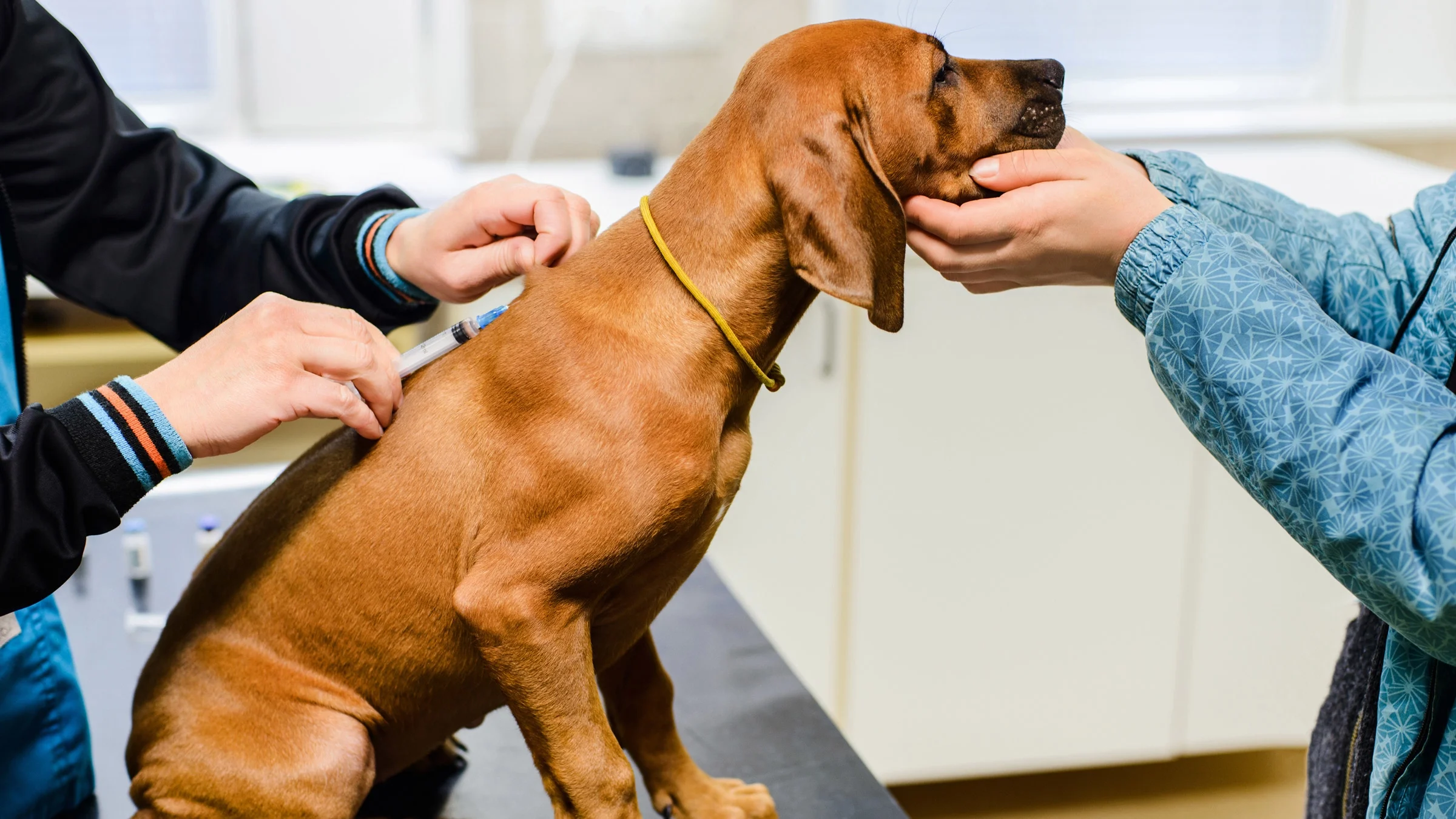
Vaccines are key to preventing kennel cough and other contagious diseases. They prepare your dog’s immune system to recognize and fight the specific bacteria and viruses that cause kennel cough.
Even if your dog spends most of their time at home, vaccination is essential. They can still catch kennel cough from brief contact with other dogs during walks or visits to the park.
Ask your vet about the kennel cough vaccine schedule. Keeping vaccinations up to date minimizes the risk and can lessen symptoms if your dog does get sick.
Is your dog’s vaccination record current? If not, it’s worth a quick visit to your vet to protect your furry friend.

Credit: www.amazon.com
Frequently Asked Questions
What Are The Common Symptoms Of Kennel Cough?
Kennel cough causes a persistent, dry cough, sneezing, and nasal discharge. Dogs may also show lethargy and loss of appetite. Symptoms usually appear within a week of exposure to infected dogs.
How Long Does Kennel Cough Usually Last?
Kennel cough typically lasts 1 to 3 weeks. Most dogs recover without complications. Severe cases may require veterinary care and longer recovery.
Should I Isolate My Dog With Kennel Cough?
Yes, isolate your dog to prevent spreading the infection. Avoid contact with other dogs until symptoms disappear. Proper hygiene helps control the spread.
Can Kennel Cough Be Treated At Home?
Mild cases can improve with rest and hydration. Avoid irritants like smoke and dust. Consult a vet if symptoms worsen or last over two weeks.
Conclusion
Caring for a dog with kennel cough requires patience and attention. Keep your pet calm and rested to help recovery. Offer plenty of water and avoid smoky or dusty areas. Watch for signs that need a vet’s care, like fever or constant coughing.
Early action helps your dog heal faster and feel better. Stay calm and provide love; your dog needs it most now.

Emily Barker is the founder of ChillDogLife.com, a space dedicated to helping pup parents discover the best dog products, lifestyle tips, and cozy ideas for happier homes.
A lifelong dog lover, Emily combines her passion for pets with a knack for research to share trusted recommendations on everything from toys and furniture to health and everyday care.
Her goal is simple: to make life easier, stylish, and more joyful for dogs and the people who love them.




