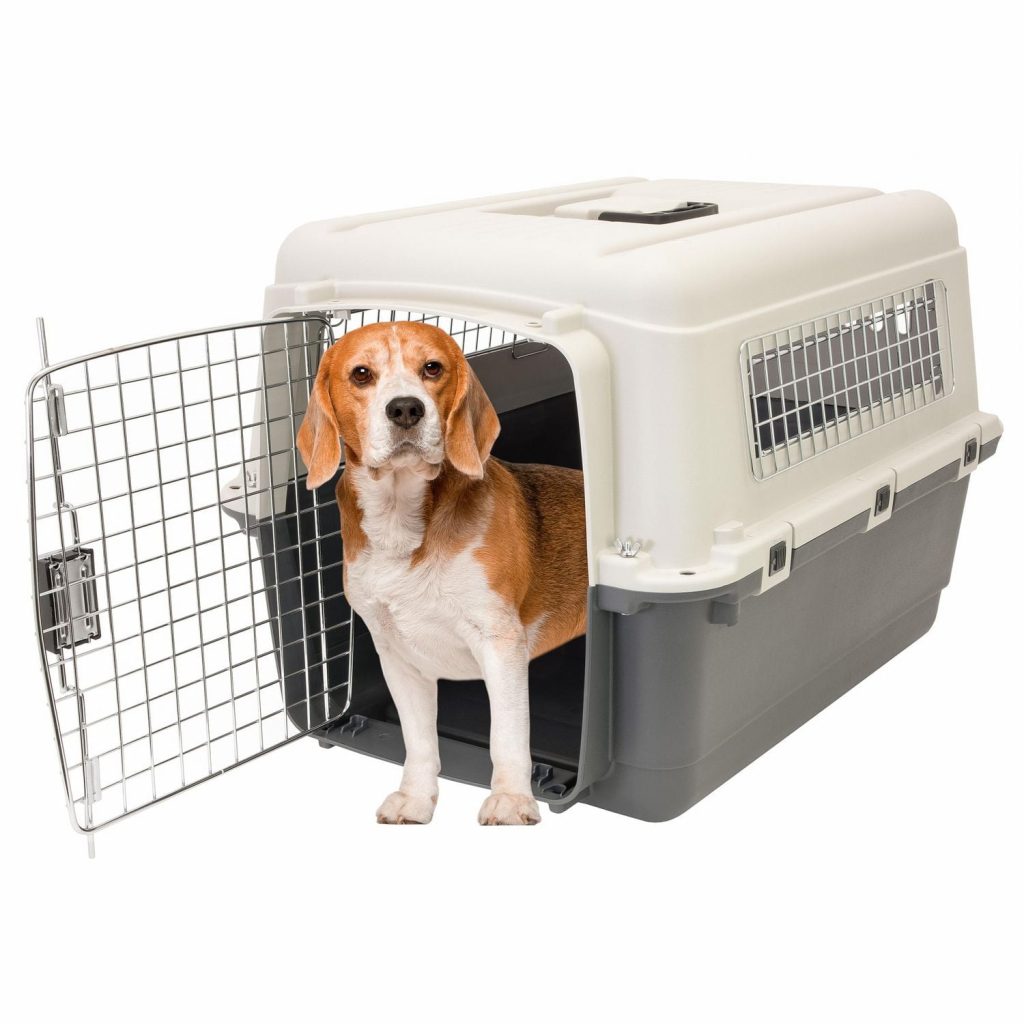
Are you wondering what a dog kennel really is and why it might be important for your furry friend? Whether you’re thinking about a safe space for your dog at home or planning a trip where your pet needs care, understanding dog kennels can make all the difference.
This guide will help you discover what a dog kennel is, how it benefits your dog, and what to look for to keep your pet comfortable and happy. Keep reading to find out everything you need to know about dog kennels and make the best choice for your loyal companion.

Credit: www.amazon.ca
Types Of Dog Kennels
Choosing the right dog kennel depends a lot on your lifestyle and your dog’s needs. Different types of kennels serve different purposes, so understanding the options helps you make the best choice. Let’s look at the main types you can consider for your furry friend.
Indoor Kennels
Indoor kennels are perfect if you want your dog to stay close to you while keeping a defined space. They come in various sizes and materials, from plastic crates to metal wire cages. These kennels are great for house training, calming anxious dogs, or providing a safe spot during busy times.
Think about your living space—do you have room for a kennel in your living room or bedroom? Also, consider ventilation and comfort. Adding a soft bed inside can make it a cozy retreat for your dog.
Outdoor Kennels
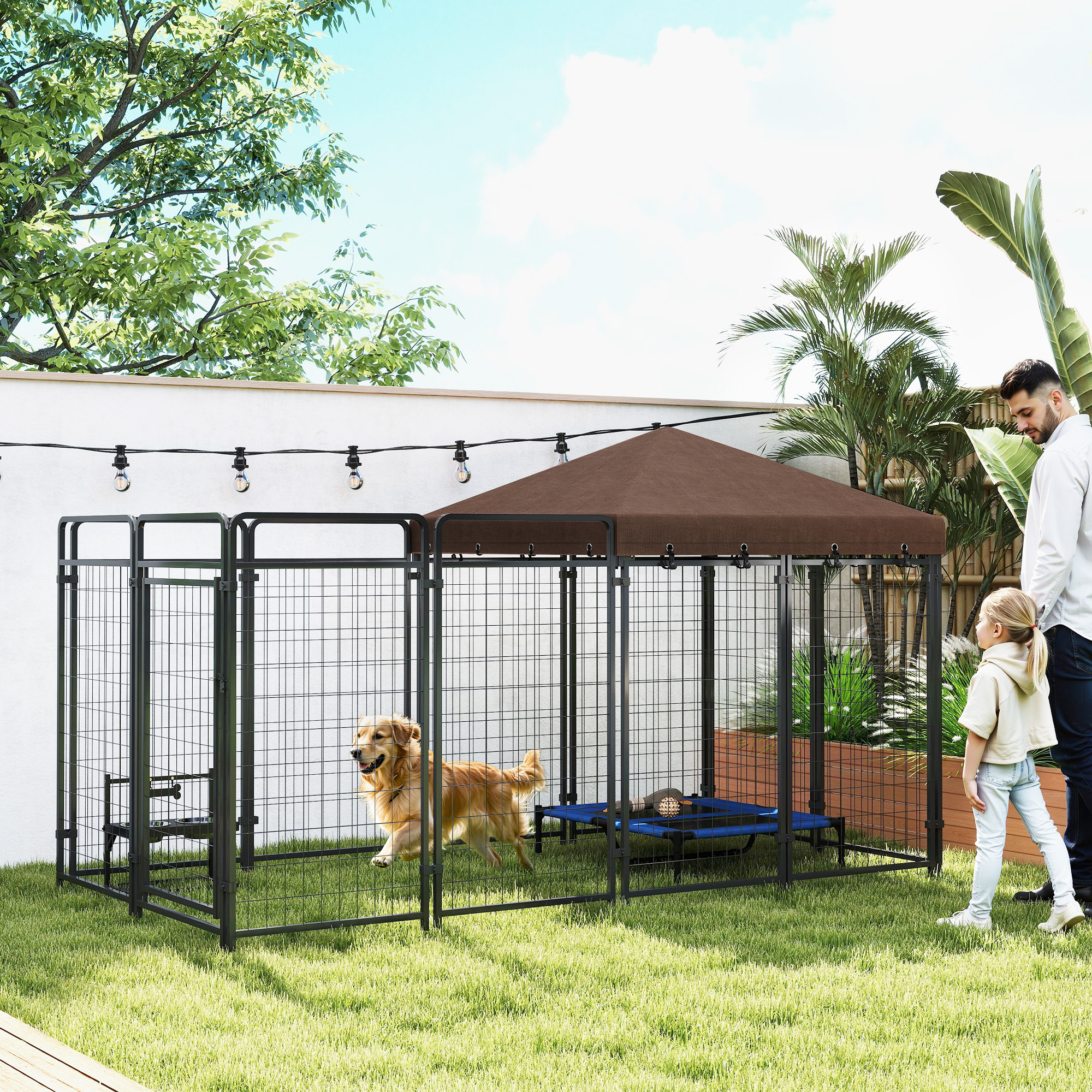
Outdoor kennels are designed to withstand weather conditions and give your dog fresh air and space to move. They often have sturdy frames and are covered with wire mesh or panels. These kennels work well if you have a yard and want your dog to enjoy outdoor time safely.
Keep in mind protection from elements like rain and sun. Adding a shelter or roof to the kennel can provide shade and warmth. Have you checked if your yard has enough space and secure fencing to complement the kennel?
Portable Kennels
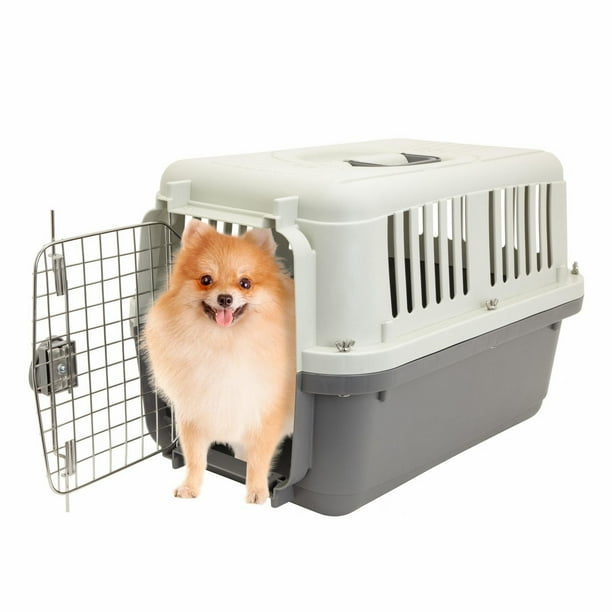
Portable kennels are lightweight and easy to move, making them ideal for travel or temporary use. Many are foldable and come with carrying bags, so you can bring your dog’s familiar space anywhere. These kennels are especially handy for trips to the vet, camping, or visits to friends.
If you travel often or attend dog events, a portable kennel offers convenience without sacrificing your dog’s comfort. You might want to look for models with quick setup features and durable materials for repeated use.
Custom-built Kennels
Custom-built kennels are tailored to your dog’s specific needs and your available space. You can choose the size, materials, and extra features like insulation, lighting, or built-in feeding stations. This option is excellent if you want a unique setup that blends with your home or garden aesthetics.
Customizing a kennel can be an investment, but it pays off if you want something long-lasting and perfectly suited to your dog. Have you considered what unique features would improve your dog’s comfort and safety the most?
Materials Used In Kennel Construction
Choosing the right material for a dog kennel is crucial. Each material offers unique benefits. Understanding these can help you make an informed decision.
Wood Kennels
Wood kennels offer a natural look and feel. They blend well with outdoor surroundings. Wood provides good insulation against temperature changes. However, they may require regular maintenance. Treating the wood prevents rot and pest damage.
Metal Kennels
Metal kennels are known for their durability. They withstand harsh weather conditions. Metal is easy to clean and sanitize. These kennels can be heavy and might rust over time. Choosing galvanized metal reduces rust issues.
Plastic Kennels
Plastic kennels are lightweight and portable. They require minimal maintenance. Plastic is resistant to rot and pests. These kennels provide less insulation compared to other materials. Some pet owners prefer them for indoor use.
Wire Kennels
Wire kennels offer great ventilation. They allow your dog to see the surroundings. Wire is durable and easy to clean. These kennels may not provide adequate insulation. Covering them with a tarp can help during extreme weather.
Size And Space Requirements
Choosing the right size and space for a dog kennel is essential for your pet’s well-being. A kennel that fits your dog properly ensures comfort, safety, and enough room to move around. Understanding how to measure and what dimensions to consider will help you provide a cozy space that your dog will love.
Measuring Your Dog
Start by measuring your dog’s length from the tip of the nose to the base of the tail. Then, measure their height from the floor to the top of their head or ears when they are standing. Don’t forget to add a few extra inches to these measurements to allow your dog to stretch and turn comfortably.
Recommended Kennel Dimensions
Your dog’s size will determine the kennel dimensions you need. As a general rule, the kennel should be at least 1.5 times the length of your dog and about the same height as your dog when standing. For example, if your dog is 24 inches long and 20 inches tall, look for a kennel around 36 inches long and 20 inches high.
Space For Movement And Comfort
Dogs need enough space to stand, sit, lie down, and turn around without feeling cramped. A cramped kennel can cause stress and discomfort, affecting your dog’s mood and health. Think about whether your dog likes to stretch out or curl up, and choose a kennel that accommodates their preferred resting position.
Safety Features To Consider
Safety is the top priority when choosing a dog kennel. The right features protect your dog from harm and keep them comfortable. A well-designed kennel offers good airflow, shields from weather, stays secure, and uses safe materials. These details create a safe space for your dog to relax and play.
Ventilation And Airflow
Proper ventilation keeps fresh air moving inside the kennel. It prevents heat buildup and reduces moisture. Good airflow stops bad smells and lowers the risk of respiratory problems. Look for kennels with mesh panels or vents on multiple sides. This allows air to circulate freely and keeps your dog cool.
Weather Protection
A kennel must protect dogs from rain, wind, and sun. Solid roofs shield from rain and harmful UV rays. Walls block cold wind and help keep warmth inside during winter. Some kennels include raised floors to avoid wet ground. Weather protection ensures your dog stays dry and comfortable year-round.
Secure Latches And Locks
Strong latches prevent dogs from escaping and keep unwanted animals out. Locks should be easy for humans but hard for dogs to open. Check that doors close tightly and do not have gaps. Secure latches add peace of mind, knowing your dog stays safe inside the kennel.
Non-toxic Materials
Materials used should be safe and free of harmful chemicals. Dogs often chew or lick surfaces, so non-toxic paint and finishes are crucial. Choose kennels made from natural wood or pet-safe plastic and metal. Avoid treated wood or toxic glues that could harm your dog’s health.
Choosing The Right Location
Choosing the right location for a dog kennel is vital for your pet’s comfort and safety. The spot should protect your dog from harsh weather and provide a calm environment. It also needs to be easy to reach and keep an eye on. Thoughtful placement makes a big difference in your dog’s well-being and your peace of mind.
Sheltered Areas
Pick a place that offers natural shelter. Trees, walls, or a porch can block wind and rain. A covered spot helps keep the kennel dry and cozy. Avoid open spaces that let cold winds blow through. A sheltered area reduces stress for your dog and keeps the kennel in good shape longer.
Avoiding Extreme Temperatures
Find a location that stays cool in summer and warm in winter. Avoid spots with direct, strong sunlight all day. Shade is important to prevent overheating. In cold weather, avoid places that get icy or very damp. The right temperature keeps your dog healthy and comfortable inside the kennel.
Accessibility And Visibility
Choose a spot easy to access for feeding and cleaning. Close to the house or yard works best. The kennel should be visible from indoors or the garden. This lets you check on your dog often. Good visibility helps you notice if your dog needs help or wants attention.
Maintaining Cleanliness And Hygiene
Keeping your dog kennel clean and hygienic is essential for your pet’s health and comfort. A spotless space reduces the risk of infections and keeps your dog happy. But how do you maintain that fresh, safe environment consistently?
Regular Cleaning Tips
Start with daily spot cleaning. Remove waste, food crumbs, and wet bedding immediately to prevent buildup. Once a week, do a deep clean by scrubbing floors, walls, and any surfaces with pet-safe disinfectants.
Use warm water and gentle brushes to reach corners and crevices. Don’t forget to rinse thoroughly to avoid chemical residues. If your kennel has bedding or blankets, wash them frequently in hot water to kill germs.
Pest Control
Pests like fleas, ticks, and mites can invade a kennel quickly if ignored. Regularly inspect your dog and the kennel for any signs of these unwanted guests. You might notice excessive scratching or small dark spots on bedding.
Use vet-approved pest control treatments on your dog and around the kennel area. Natural deterrents like diatomaceous earth can be spread safely in dry spots. Keeping the area dry and well-ventilated also makes it less inviting for pests.
Odor Management
Bad smells can make your kennel unpleasant for both you and your dog. Effective odor control starts with removing waste promptly and cleaning surfaces often. Baking soda sprinkled on bedding or kennel floors absorbs odors naturally.
Air circulation plays a big role too. Open windows or use fans to keep fresh air flowing. You might also try placing activated charcoal near the kennel to trap odors without harsh chemicals.
Enhancing Comfort Inside The Kennel
Creating a cozy space inside the dog kennel helps your pet feel safe and happy. Comfort inside the kennel makes rest and relaxation easy for dogs. Simple touches can turn a kennel into a favorite spot.
Bedding Options
Soft bedding cushions a dog’s joints and provides warmth. Choose materials that are easy to clean and durable. Some popular choices include:
- Memory foam mats for extra support
- Fleece blankets for softness
- Waterproof pads for protection
Regularly washing bedding keeps the kennel fresh and hygienic.
Toys And Enrichment
Toys help keep dogs entertained and reduce boredom. Chew toys, puzzle feeders, and balls work well inside kennels. Rotate toys to keep your dog interested. Enrichment toys stimulate the mind and ease stress.
Temperature Control
Maintaining a comfortable temperature inside the kennel is vital. Use shade or ventilation for hot days. Add insulated panels or heated pads during cold weather. Avoid placing kennels in direct sunlight or drafty areas.
Training Your Dog To Use The Kennel
Training your dog to use a kennel helps create a safe space for them. A well-trained dog feels calm and secure inside the kennel. Patience and consistency play key roles in this process. Teaching your dog to enjoy the kennel takes time but is rewarding.
Positive Reinforcement Techniques
Use treats and praise to encourage kennel use. Offer a small treat each time your dog enters the kennel. Speak softly and use a happy tone. Place favorite toys inside to make it inviting. Reward calm behavior inside the kennel to build positive feelings.
Gradual Introduction
Start with short kennel sessions to avoid stress. Let your dog explore the kennel without forcing them. Slowly increase the time spent inside the kennel day by day. Close the door briefly while staying nearby. This helps your dog adjust without feeling trapped.
Addressing Anxiety
Some dogs may feel nervous about kennels. Watch for signs like whining or scratching. Comfort your dog with gentle words and slow movements. Use a soft blanket or item with your scent inside. If anxiety persists, try shorter sessions and more rewards.
Common Mistakes To Avoid
Knowing what to avoid is just as important as knowing what to do when choosing or managing a dog kennel. Mistakes can affect your dog’s comfort, safety, and happiness. Let’s look at some common pitfalls that often get overlooked but can make a big difference in your dog’s experience.
Overcrowding
Too many dogs packed into one kennel can cause stress and aggression. Dogs need enough space to move freely and feel comfortable. Think about how you would feel in a crowded room—your dog feels the same.
Overcrowding also increases the risk of spreading illnesses. Make sure your kennel size matches the number of dogs housed. Are you giving your dog enough room to relax and play without feeling trapped?
Neglecting Safety Checks
Safety should never be an afterthought. Regularly inspect the kennel for sharp edges, loose wires, or broken locks that could hurt your dog or allow escape. A small hazard can lead to serious injury or stress.
Check fencing, gates, and locks often. Dogs are surprisingly good at testing boundaries. Have you walked through your kennel recently, imagining yourself as your dog?
Ignoring Your Dog’s Needs
Every dog has unique needs beyond just food and shelter. Failing to consider factors like exercise, social interaction, and mental stimulation can lead to boredom or anxiety. Your dog’s personality matters here.
Observe your dog’s behavior closely. Are they restless, withdrawn, or showing signs of distress? Tailor the environment to fit your dog’s temperament and preferences. What can you add to make your dog’s day better?
Credit: www.aosom.ca
Credit: www.walmart.ca
Frequently Asked Questions
What Is A Dog Kennel Used For?
A dog kennel provides a safe, comfortable space for dogs to rest or stay temporarily. It helps in training, traveling, and housing dogs securely.
How Big Should A Dog Kennel Be?
A dog kennel should be large enough for your dog to stand, turn, and lie down comfortably. Size depends on the breed and age.
Are Outdoor Dog Kennels Safe?
Yes, outdoor dog kennels can be safe if they are weatherproof, secure, and provide adequate shelter and ventilation.
What Materials Are Best For Dog Kennels?
Dog kennels are commonly made from wood, metal, or plastic. Choose materials that are durable, easy to clean, and weather-resistant.
Conclusion
A dog kennel provides a safe and comfortable space for dogs. It helps keep pets secure and happy. Kennels come in many sizes and styles to fit different needs. Choosing the right kennel supports your dog’s well-being. It also makes travel and outdoor time easier.
A good kennel is an important part of dog care. It offers shelter and peace for both dogs and owners. Simple and practical, a kennel benefits every dog family.

Emily Barker is the founder of ChillDogLife.com, a space dedicated to helping pup parents discover the best dog products, lifestyle tips, and cozy ideas for happier homes.
A lifelong dog lover, Emily combines her passion for pets with a knack for research to share trusted recommendations on everything from toys and furniture to health and everyday care.
Her goal is simple: to make life easier, stylish, and more joyful for dogs and the people who love them.




