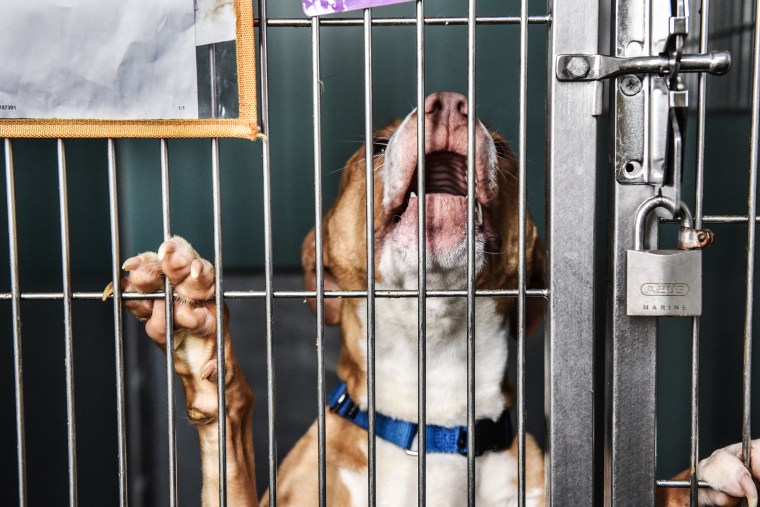
Have you ever wondered where stray dogs find safety or where abandoned pups go when no one else can care for them? A dog shelter is more than just a place with cages—it’s a lifeline for countless dogs in need.
If you care about animals and want to understand how these shelters work, this article is for you. By the end, you’ll see why dog shelters matter and how they might just change your view on helping our furry friends.
Keep reading to discover the heart behind these places and how you can make a difference.
Purpose Of Dog Shelters
Dog shelters serve a vital role in communities by addressing the urgent needs of homeless and abandoned dogs. They offer more than just a roof; these shelters focus on care, safety, and finding new beginnings for dogs. Understanding their purpose helps you appreciate the hard work behind every wagging tail you see in a shelter.
Rescue And Rehabilitation
Dog shelters actively rescue dogs from dangerous or neglectful situations. Many dogs arrive injured, scared, or sick, and shelters provide the medical care they desperately need.
Rehabilitation goes beyond physical healing. Shelters work on behavioral issues too, helping dogs regain trust and social skills so they can thrive in new homes.
Providing Temporary Homes
While dogs wait for adoption, shelters become their temporary homes. These spaces offer safety, food, and comfort during uncertain times.
Temporary housing also gives shelter staff a chance to evaluate each dog’s personality and needs. This ensures they find the right family match later on.
Promoting Adoption
Adoption is the ultimate goal of every dog shelter. They connect dogs with families ready to give them love and care.
Many shelters host events, create profiles, and use social media to showcase dogs looking for homes. Have you ever considered how choosing adoption over buying supports animal welfare?
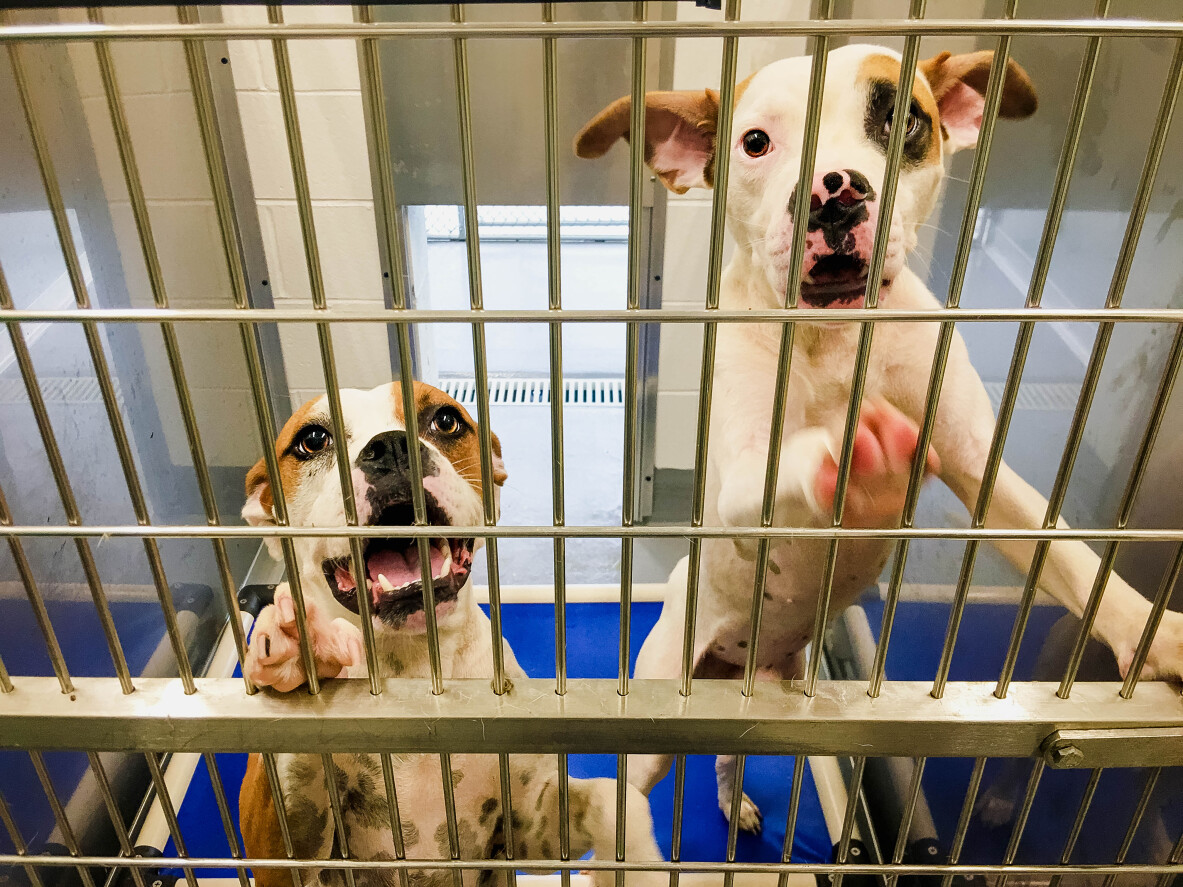
Credit: whowillletthedogsout.org
Types Of Dog Shelters
A dog shelter is a safe place for lost, abandoned, or stray dogs. Different types include public shelters, rescue groups, and foster homes. Each helps dogs find new families and better lives.
Understanding the types of dog shelters can help in choosing the right one for your needs. Each type has unique features and serves different purposes.Municipal Shelters
Municipal shelters are run by local government. They are funded by taxpayer money. These shelters often have a large number of dogs. They take in strays and dogs surrendered by owners. The environment can be stressful due to overcrowding. Municipal shelters usually have basic facilities. They aim to find homes for dogs quickly. Some offer adoption events and community outreach.Private Shelters
Private shelters are run by non-profit organizations. They rely on donations and volunteers. These shelters often provide better care and facilities. Dogs receive medical attention and proper nutrition. Private shelters may focus on specific adoption criteria. They often have fewer dogs, allowing for more personalized care. Many offer training and behavior assessments.Breed-specific Shelters
Breed-specific shelters focus on particular dog breeds. They understand the unique needs of each breed. These shelters often have breed experts. Dogs here receive specialized care and training. They usually have detailed adoption processes. This ensures the right match between the dog and owner. Breed-specific shelters educate the public about breed traits.Rescue Groups
Rescue groups often work without a physical shelter. They rely on foster homes to care for dogs. This provides a home-like environment for each dog. Rescue groups focus on finding the perfect permanent home. They may specialize in specific breeds or dog types. Volunteers are key to their operations. They often organize adoption events and fundraisers. Rescue groups educate communities about responsible pet ownership.Daily Life In A Shelter
Daily life in a dog shelter is a blend of routine, care, and constant attention to the needs of each dog. The environment is busy and filled with moments of hope as shelter workers and volunteers work hard to create a safe space for animals waiting for their forever homes. You might wonder what exactly happens behind the scenes to keep these dogs healthy, happy, and ready for adoption.
Care And Feeding
Every dog in the shelter receives regular meals tailored to their size, age, and dietary needs. Feeding times are structured to maintain consistency and avoid stress.
Volunteers and staff monitor each dog’s eating habits closely, as changes can indicate health issues. Clean water is always available, and bedding is refreshed daily to keep their living spaces comfortable.
Medical Attention
Health checks are a daily priority to spot any signs of illness or injury early. Shelter vets or visiting professionals provide vaccinations, parasite control, and treatment for any medical conditions.
Some dogs arrive with unknown histories and require quarantine periods. This helps prevent the spread of contagious diseases and ensures each dog gets the care they need before joining the general population.
Socialization And Training
Dogs need more than physical care—they need mental stimulation and social interaction to thrive. Shelter staff spend time helping dogs build trust through gentle handling and positive experiences.
Training often starts with basic commands and leash walking to prepare dogs for life in a new home. You might be surprised how quickly a dog’s behavior improves with consistent attention, making them more adoptable and ready to bring joy to a family.

Credit: www.amazon.com
Challenges Faced By Shelters
Dog shelters face many challenges that affect their ability to provide care and find homes for animals. These challenges often require creative solutions and strong community support. Understanding these issues helps you appreciate the hard work shelters do every day.
Overcrowding
Overcrowding is a constant problem in dog shelters. When too many dogs arrive at once, space becomes limited, and the quality of care can suffer. This makes it harder to give each dog the attention and comfort they need to feel safe and happy.
Imagine a shelter designed for 50 dogs suddenly housing 100. The stress on animals and staff increases, and it becomes tough to maintain cleanliness and reduce the spread of illness. How would you feel if your safe space was suddenly too crowded?
Funding And Resources
Most shelters operate on tight budgets, relying heavily on donations and volunteers. Limited funding can restrict access to food, medical care, and proper facilities. This scarcity makes it challenging to meet the dogs’ basic needs consistently.
Sometimes, shelters must prioritize urgent medical cases or essential repairs over other improvements. If you’ve ever donated or volunteered, you’ve helped bridge this gap. What more could you do to support shelters struggling with resources?
Behavioral Issues
Many dogs arrive with behavioral problems due to past trauma or neglect. These issues require special training and patience, which shelters may not always have the staff or time to provide. Without proper attention, these dogs risk being overlooked by adopters.
Working with a shy or aggressive dog is tough but rewarding when progress is made. Have you considered how your time or skills might help a dog overcome these barriers to adoption?
How Shelters Save Lives
Dog shelters play a crucial role in saving lives every day. They offer care and protection to dogs in need. Shelters provide a safe place for lost, abandoned, or injured dogs. They work hard to give these animals a second chance. The impact of shelters goes beyond just housing dogs. They actively prevent unnecessary deaths and help reunite pets with their owners. Education is another key way shelters support communities and protect animals.
Preventing Euthanasia
Shelters reduce the number of dogs euthanized each year. Many shelters follow no-kill policies to save as many lives as possible. They provide medical care and socialization to improve dogs’ chances of adoption. By finding homes, shelters stop dogs from being put down. This effort saves thousands of lives and gives hope to dogs and families.
Reuniting Lost Pets
Shelters help reunite lost dogs with their families quickly. Staff use ID tags, microchips, and detailed records to identify pets. Shelters often serve as a central point for lost and found animals. Reuniting dogs with their owners prevents them from staying in shelters too long. This reduces stress on the animals and frees space for new arrivals.
Community Education
Shelters teach people about responsible pet care and safety. They offer classes and resources on spaying, neutering, and vaccination. Education programs reduce pet overpopulation and prevent diseases. Shelters raise awareness about adopting rather than buying dogs. These efforts create stronger bonds between pets and communities.

Credit: www.nytimes.com
Ways To Support Dog Shelters
Supporting dog shelters helps improve many dogs’ lives. Shelters rely on kind people to care for animals in need. There are simple ways to make a big difference. Giving time, money, or a temporary home all help shelters thrive. Each small act brings hope to dogs waiting for a family.
Volunteering
Volunteering gives shelters extra hands and hearts. Tasks include feeding, cleaning, walking dogs, and socializing them. Volunteers help dogs feel loved and less scared. Shelters always need friendly people to assist daily. It’s a chance to meet dogs and learn about their needs.
Donations
Donations keep shelters running and caring for pets. Money helps pay for food, medicine, and shelter upkeep. People can also donate supplies like blankets, toys, and food. Every donation, large or small, supports shelter animals. Donors provide vital resources for dogs to stay healthy.
Fostering Dogs
Fostering offers dogs a safe, loving home temporarily. It helps dogs adjust to family life and build trust. Foster homes free space in shelters for more animals. Fosters provide care, training, and comfort to dogs. It’s a rewarding way to help dogs on their journey to adoption.
Adopting Pets
Adopting gives a dog a forever home and family. It ends the dog’s stay in the shelter and brings joy. Adopted dogs gain love, safety, and a fresh start. Choosing adoption supports shelter efforts and saves lives. It’s a lifelong commitment with many rewards for both.
Frequently Asked Questions
What Is The Purpose Of A Dog Shelter?
A dog shelter provides a safe place for homeless or abandoned dogs. It offers food, medical care, and shelter. Shelters also help dogs find new, loving homes through adoption programs.
How Do Dog Shelters Help Stray Dogs?
Dog shelters rescue stray dogs from the streets. They provide medical treatment, vaccinations, and rehabilitation. Shelters ensure strays are healthy and ready for adoption.
Can Anyone Adopt A Dog From A Shelter?
Yes, anyone can adopt a dog from a shelter. Shelters require an application and sometimes a home visit. Adoption fees often cover vaccinations and spaying or neutering.
What Services Do Dog Shelters Typically Offer?
Dog shelters offer rescue, medical care, and adoption services. They may provide training, socialization, and foster care programs. Shelters also educate the public about responsible pet ownership.
Conclusion
Dog shelters care for lost and abandoned dogs. They offer a safe place and medical help. Many shelters find new homes for these dogs. Visiting or supporting shelters helps animals in need. Every dog deserves love and a warm home.
Shelters play a key role in this mission. Understanding what a dog shelter does is important. It shows how we can help dogs live better lives. Caring for animals makes our world kinder and happier.

Emily Barker is the founder of ChillDogLife.com, a space dedicated to helping pup parents discover the best dog products, lifestyle tips, and cozy ideas for happier homes.
A lifelong dog lover, Emily combines her passion for pets with a knack for research to share trusted recommendations on everything from toys and furniture to health and everyday care.
Her goal is simple: to make life easier, stylish, and more joyful for dogs and the people who love them.




