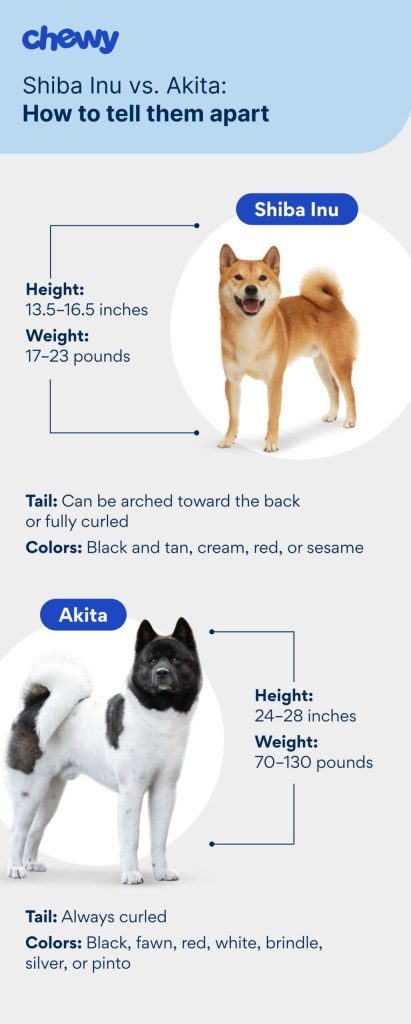
If you have an Akita or are thinking about bringing one into your home, understanding their behavior is key to a happy life together. Akitas are strong, loyal, and often independent dogs.
But without knowing what drives their actions, you might find yourself puzzled or even frustrated. Imagine being able to read your dog’s signals clearly and respond in ways that build trust and harmony. This article will help you unlock the secrets of Akita behavior, so you can enjoy a deeper connection and avoid common challenges.
Ready to discover what makes your Akita tick? Keep reading—you’ll find tips and insights that can change the way you relate to your furry friend.
Akita Personality Traits
The Akita is a strong and loyal dog breed. It has many unique traits that make it special. Knowing these traits helps owners care for them well.
This guide covers four main personality traits of Akitas. These include how they bond, their independence, protectiveness, and social behavior.
Loyalty And Bonding
Akitas are known for deep loyalty to their owners. They form strong bonds and are very affectionate with family members. They often follow their owners closely and want to be near them.
Independence And Stubbornness
Akitas show strong independence and can be stubborn. They like to think for themselves and may resist commands if not trained well. Patience and consistency are key when training an Akita.
- They need clear rules to follow.
- Training should be firm but gentle.
- They respond best to positive reinforcement.
- Early socialization helps reduce stubbornness.
Protective Instincts
| Trait | Description |
| Guarding | Akitas protect their home and family. |
| Alertness | They notice new people or sounds quickly. |
| Loyalty | They stay close to loved ones for safety. |
| Bravery | They do not back down from danger. |
Social Behavior With Family
Akitas are calm and loving with family members. They enjoy spending time with children but need supervision. They may be reserved around strangers but warm up with time.
- Introduce them to family members slowly.
- Give them space when meeting new people.
- Use treats to encourage friendly behavior.
- Keep playtime gentle and supervised.
Credit: www.pets4homes.co.uk
Common Akita Behaviors
Akitas are strong, loyal dogs with distinct behaviors. Understanding these habits helps owners care for them well.
Each Akita shows unique traits shaped by breed history and personality. Learning about these traits improves your bond.
Territorial Nature
Akitas are naturally protective of their homes and family. They may guard their space from strangers and other animals.
This strong sense of territory means Akitas need early training. Clear rules help them understand who belongs and who does not.
Interaction With Other Pets
Akitas can live with other pets if raised together early. They may show dominance toward other dogs.
Careful introductions and supervision help keep peace. Some Akitas prefer to be the only pet in the home.
Activity Levels And Playfulness
Akitas enjoy daily exercise but are not hyperactive. They like short play sessions and walks to stay fit.
After activity, Akitas often relax quietly. They are playful but also calm and reserved indoors.
Vocalizations And Communication
Akitas use various sounds to communicate feelings. They bark, growl, and sometimes make unique vocal noises.
They rarely bark without reason. Paying attention to their sounds helps understand their mood and needs.
Training Challenges
Akita dogs are strong and independent. Training them can be difficult for many owners.
This breed needs patience and understanding. Knowing their behavior helps in training.
Dealing With Stubbornness
Akitas often show stubborn behavior. They like to do things their own way.
To handle this, keep training sessions short but firm. Avoid harsh punishments.
- Use clear and simple commands
- Give rewards for good behavior
- Stay patient and calm during training
Socialization Needs
Akitas need early socialization to behave well around others. They can be wary of strangers.
Expose your Akita to different people, animals, and places. This helps reduce fear and aggression.
- Start socializing when the dog is young
- Use positive experiences with new people
- Introduce to other pets carefully
Establishing Leadership
Akitas respect strong leaders. They need to know who is in charge.
Show confidence and control during training. Avoid being aggressive or weak.
- Set clear rules and boundaries
- Be consistent in enforcing rules
- Use calm and firm voice commands
Consistency In Commands
Akitas learn best with consistent commands. Changing words or rules confuses them.
Use the same words and gestures for each command. Everyone in the household should do this.
- Choose simple command words
- Practice commands daily
- Reward good responses immediately
Effective Training Techniques
Training an Akita dog requires patience and consistency. These dogs are strong-willed but loyal. Using the right techniques helps build trust and good behavior.
Each training approach should focus on the Akita’s unique personality. Clear communication and structure make training easier and more effective.
Positive Reinforcement
Positive reinforcement means rewarding good behavior. It encourages your Akita to repeat actions you want to see.
Use treats, praise, or play as rewards. Avoid punishment because it can cause fear or aggression.
- Give treats right after good behavior
- Use calm and happy voice for praise
- Keep training sessions short and fun
- Be consistent with rewards
Early Socialization Strategies
Socialize your Akita puppy early. Introduce them to new people, dogs, and places. This helps reduce fear and aggression later.
Make these experiences positive and safe. Watch for signs of stress and slow down if needed.
- Invite friends over to meet your puppy
- Visit parks or pet-friendly stores
- Enroll in puppy socialization classes
- Use treats to reward calm behavior around others
Exercise And Mental Stimulation
Akitas need regular exercise to stay happy and healthy. Walks, playtime, and training keep their minds sharp.
Mental stimulation helps prevent boredom, which can cause bad behavior. Use puzzles and new commands to challenge your dog.
- Take daily walks or runs
- Play fetch or tug-of-war
- Teach new tricks or commands
- Use puzzle toys to hide treats
Handling Aggression
Akitas can show aggression if scared or threatened. Stay calm and firm when handling these moments.
Avoid yelling or hitting. Instead, redirect their attention or remove them from the situation.
- Identify triggers that cause aggression
- Use firm commands to interrupt bad behavior
- Provide a safe space for your dog to calm down
- Consult a professional trainer if aggression continues
Living With An Akita
Akitas are large and strong dogs with loyal personalities. They need care and attention to stay happy and healthy.
Living with an Akita means understanding their behavior and needs. This guide helps you create a good home for them.
Creating A Safe Environment
Akitas need a safe space to feel secure. Make sure your home has areas where they can rest quietly.
Secure your yard with strong fences. Akitas can be protective and like to patrol their space.
- Provide a comfortable bed in a quiet spot
- Remove harmful objects and plants
- Keep toxic foods and chemicals out of reach
- Use secure fencing to prevent escapes
Daily Care And Routine
Akitas need daily exercise to stay healthy. Walk them every day and give time for play.
Brush their thick coat regularly to reduce shedding and keep skin healthy. Check their ears and teeth too.
- Walk your Akita for at least 30 minutes daily
- Brush their fur 2-3 times a week
- Feed a balanced diet at regular times
- Check ears, teeth, and nails weekly
Recognizing Stress Signs
Akitas show stress in many ways. Watch for changes in behavior or body language.
Common signs include pacing, yawning, and avoiding eye contact. Early notice helps prevent problems.
- Restlessness or pacing
- Excessive yawning or licking lips
- Avoiding eye contact or hiding
- Growling or snapping when touched
Building A Strong Bond
Spend time with your Akita every day. Play, train, and talk to them calmly to build trust.
Positive experiences make your dog feel safe and loved. Respect their space and be patient.
- Use gentle praise and rewards
- Keep training sessions short and fun
- Offer quiet time after play
- Learn your dog’s favorite activities

Credit: www.reddit.com
Credit: m.youtube.com
Frequently Asked Questions
What Is Typical Akita Dog Behavior?
Akitas are loyal, independent, and protective. They are calm with family but can be reserved with strangers. Early socialization helps manage their strong guarding instincts and ensures balanced behavior.
How Do Akitas Behave With Children?
Akitas are generally good with children they know well. They are gentle but should be supervised around young kids due to their size and strength. Proper training ensures positive interactions.
Are Akitas Aggressive By Nature?
Akitas are not naturally aggressive but can be territorial and protective. Early training and socialization reduce unwanted aggressive behaviors. They respond well to firm, consistent leadership.
How Do Akitas Show Affection?
Akitas express affection through loyalty and quiet companionship. They often stay close to family members and enjoy gentle petting but may not be overly demonstrative.
Conclusion
Akita dogs have strong and unique behaviors. They show loyalty and protectiveness to their family. Training them early helps build good habits. Socializing Akitas makes them friendlier with others. Understanding their needs creates a happy home. These dogs need patience and care every day.
Learning about their behavior keeps both safe. Akitas can be loving pets with right guidance. Each Akita has its own personality to discover. Enjoy the journey of raising an Akita dog.

Emily Barker is the founder of ChillDogLife.com, a space dedicated to helping pup parents discover the best dog products, lifestyle tips, and cozy ideas for happier homes.
A lifelong dog lover, Emily combines her passion for pets with a knack for research to share trusted recommendations on everything from toys and furniture to health and everyday care.
Her goal is simple: to make life easier, stylish, and more joyful for dogs and the people who love them.




