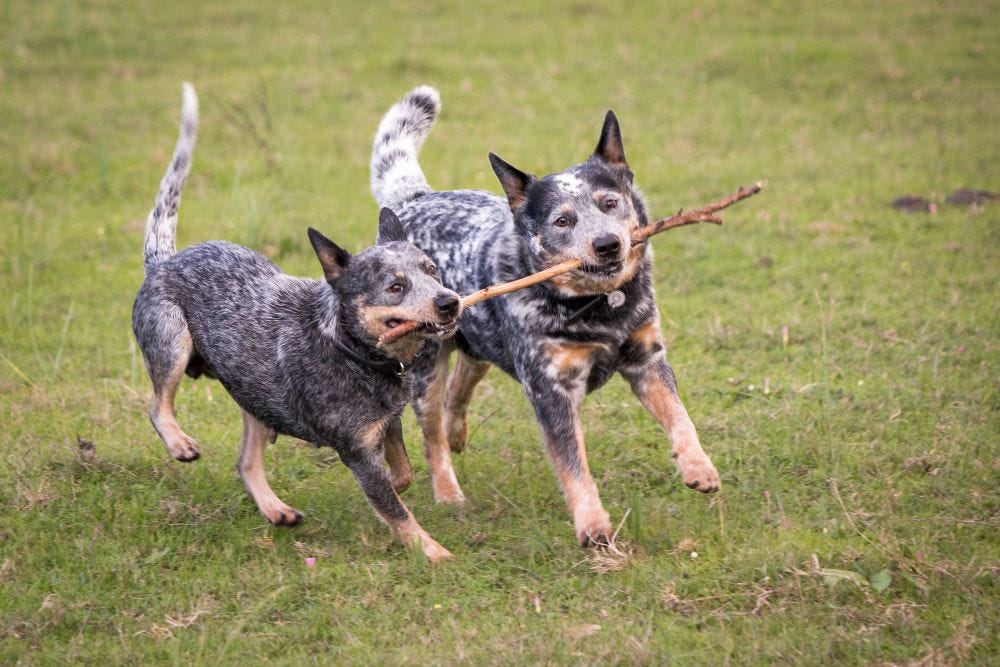
If you own an Australian Cattle Dog or are thinking about getting one, understanding their behavior is key to building a strong bond. These dogs are smart, energetic, and loyal, but they can also be stubborn and intense.
Knowing what makes your dog tick will help you keep them happy and well-behaved. You’ll discover the unique traits of Australian Cattle Dogs and learn how to handle their energy and instincts. By the end, you’ll feel more confident in meeting your dog’s needs and creating a happier home for both of you.
Keep reading to unlock the secrets behind your Australian Cattle Dog’s behavior.
Key Temperament Traits
Australian Cattle Dogs have unique personalities. Their behavior shows many strong traits.
Understanding these traits helps owners care for them better. It also improves training.
Loyalty And Bonding
These dogs form close bonds with their families. They are very loyal and protective.
They enjoy spending time with their owners. They often watch over family members carefully.
High Energy Levels
Australian Cattle Dogs have a lot of energy. They need regular exercise to stay healthy.
Without enough activity, they can become bored. This may lead to unwanted behaviors.
- Daily walks or runs
- Playtime with toys
- Training sessions
- Agility exercises
Intelligence And Problem Solving
They are very smart dogs. They learn commands quickly and solve problems well.
This intelligence makes training easier. It also means they need mental challenges often.
- Use puzzle toys
- Teach new tricks
- Practice obedience
- Provide varied tasks
Credit: pethelpful.com
Social Interaction
Australian Cattle Dogs are lively and smart. They like to be part of a group. Their social behavior is important to understand for a happy pet.
These dogs need regular interaction to stay happy. They enjoy playing and working with people they know.
Behavior With Family
Australian Cattle Dogs are loyal to their family. They form strong bonds and protect their loved ones. They often follow family members around the house.
They enjoy activities like walks and games with family. This breed likes to have a job or task at home. They show affection by being close and alert.
Interaction With Strangers
These dogs are cautious with strangers. They may be shy or reserved at first. They watch new people carefully before trusting them.
Early socialization helps them accept visitors. Training can reduce nervousness around strangers. They rarely show aggression without cause.
Compatibility With Other Pets
Australian Cattle Dogs can get along with other pets. They need proper introductions and supervision at first. Their herding instincts may cause chasing.
They do well with dogs that match their energy. Smaller pets might need extra care to avoid stress. Positive experiences build good relationships.
- Introduce pets slowly and in neutral areas
- Watch body language to prevent fights
- Provide separate spaces if needed
- Use rewards to encourage calm behavior
Training And Obedience
The Australian Cattle Dog is smart and full of energy. Training helps guide their strong will. Obedience builds a good bond between dog and owner.
Starting training early makes learning easier. Consistency and patience are key to success with this breed.
Effective Training Techniques
Use clear commands and short sessions. Reward good behavior with treats or praise. Keep training fun to hold your dog’s attention.
- Use positive reinforcement methods
- Train in a quiet place without distractions
- Keep sessions short and frequent
- Be firm but gentle with corrections
- Practice basic commands daily
Common Challenges
Australian Cattle Dogs can be stubborn and independent. They may test limits if bored or not exercised enough. Early socialization helps reduce fear or aggression.
| Challenge | Tip to Handle |
| Stubbornness | Use consistent rewards and calm corrections |
| High energy | Give plenty of daily exercise |
| Guarding behavior | Socialize with other dogs and people early |
| Separation anxiety | Train short alone times to build confidence |
Mental Stimulation Needs
This breed needs mental challenges to stay happy. Without tasks, they may become destructive or restless. Puzzle toys and obedience games work well.
Try these activities to keep your dog’s mind sharp:
- Hide treats for your dog to find
- Teach new tricks regularly
- Use interactive puzzle feeders
- Set up simple obstacle courses
- Play scent tracking games
Exercise Requirements
Australian Cattle Dogs are very active and energetic. They need plenty of exercise every day to stay happy and healthy.
Without enough activity, they can become bored and may show unwanted behaviors. Regular exercise helps them use their energy in good ways.
Daily Activity Needs
These dogs need at least one to two hours of exercise each day. This time should include both physical and mental activities.
Daily walks, runs, and playtime help keep them fit. Mental challenges like training also keep their minds sharp.
Suitable Activities And Games
Australian Cattle Dogs enjoy activities that use their natural herding skills. They like to run, jump, and solve problems.
Games that involve chasing, fetching, and agility help keep them busy. Training sessions are also good for mental exercise.
- Fetch with a ball or frisbee
- Agility courses
- Hide and seek games
- Obedience training
- Herding practice if possible
Impact Of Insufficient Exercise
Without enough exercise, Australian Cattle Dogs can get restless and stressed. They may start digging, barking, or chewing things.
Lack of activity can lead to weight gain and health problems. It can also cause behavior issues that are hard to fix.
- Increased anxiety and stress
- Destructive behaviors like chewing
- Excessive barking
- Weight and health problems
- Difficulty focusing during training
Herding Instincts
Australian Cattle Dogs are known for their strong herding instincts. These dogs were bred to control cattle and keep them moving.
Their behavior is shaped by this instinct, which shows in how they act around people and animals.
Natural Herding Behaviors
Australian Cattle Dogs often try to herd moving things. They may nip at heels or circle around animals or people.
This behavior helps them guide livestock but can be seen in play or daily life. They watch for quick movements to control the group.
- Watching and stalking moving objects
- Circling to control direction
- Nipping gently to move animals
- Intense focus on their task
Managing Herding Urges
Owners need to manage these strong herding urges to keep the dog calm. Regular exercise helps release their energy.
Training can teach the dog where and when herding is allowed. Using commands helps control their natural drive.
- Daily walks and playtime
- Training sessions with clear commands
- Redirecting herding to toys or games
- Providing mental challenges like puzzles
Safety Considerations
Herding behavior can cause accidents if not controlled. Dogs may nip or chase children or other pets.
Supervision is important, especially with small children. Teaching the dog gentle behavior reduces risk.
- Watch interactions with kids and pets
- Use commands to stop nipping or chasing
- Provide safe outlets for herding energy
- Keep the dog on a leash in public areas

Credit: www.reddit.com
Health And Well-being
Australian Cattle Dogs are energetic and intelligent. Their health and well-being are crucial for a happy life.
Understanding their behavior helps in ensuring they remain healthy and content. Let’s explore key aspects.
Behavioral Signs Of Stress
Stress in Australian Cattle Dogs can affect their behavior. Recognizing signs early is important for their well-being.
- Pacing and restlessness
- Excessive barking or whining
- Destructive chewing
- Withdrawal or hiding
Common Health Issues Affecting Behavior
Health problems can change the behavior of your Australian Cattle Dog. Being aware can help in timely intervention.
| Health Issue | Behavioral Impact |
| Hip Dysplasia | Limping, reduced activity |
| Deafness | Lack of response to commands |
| Dental Problems | Reluctance to eat, irritability |
Preventive Care Tips
Preventive care is key to maintaining your dog’s health. Following these tips can help avoid many issues.
- Regular vet check-ups
- Balanced diet with proper nutrition
- Daily exercise to burn energy
- Grooming to keep coat healthy

Credit: uk.news.yahoo.com
Frequently Asked Questions
What Are Common Australian Cattle Dog Behaviors?
Australian Cattle Dogs are intelligent, energetic, and loyal. They exhibit strong herding instincts and are highly alert. They enjoy physical activities and mental challenges. Early socialization helps manage their protective and sometimes stubborn nature.
How Do Australian Cattle Dogs Show Affection?
They show affection through close physical contact like leaning or resting their head. They are loyal and enjoy spending time with their owners. Despite their independent streak, they bond deeply with family members.
Are Australian Cattle Dogs Good With Children?
Yes, they can be great with children if socialized early. They are protective and energetic but need supervision around small kids. Proper training ensures they behave gently and respectfully with children.
Why Do Australian Cattle Dogs Bark Frequently?
They bark to alert owners of strangers or unusual activity. Their herding background makes them naturally vocal and watchful. Regular exercise and mental stimulation can reduce excessive barking.
Conclusion
Australian Cattle Dogs are smart and full of energy. They need lots of exercise every day. These dogs love to work and stay busy. Training them early helps build good habits. They are loyal and protective of their family. Understanding their behavior makes life easier.
Caring for them means patience and consistency. Enjoy their playful and hardworking nature. Choose activities that keep them active and happy. These dogs make great companions for active people.

Emily Barker is the founder of ChillDogLife.com, a space dedicated to helping pup parents discover the best dog products, lifestyle tips, and cozy ideas for happier homes.
A lifelong dog lover, Emily combines her passion for pets with a knack for research to share trusted recommendations on everything from toys and furniture to health and everyday care.
Her goal is simple: to make life easier, stylish, and more joyful for dogs and the people who love them.




