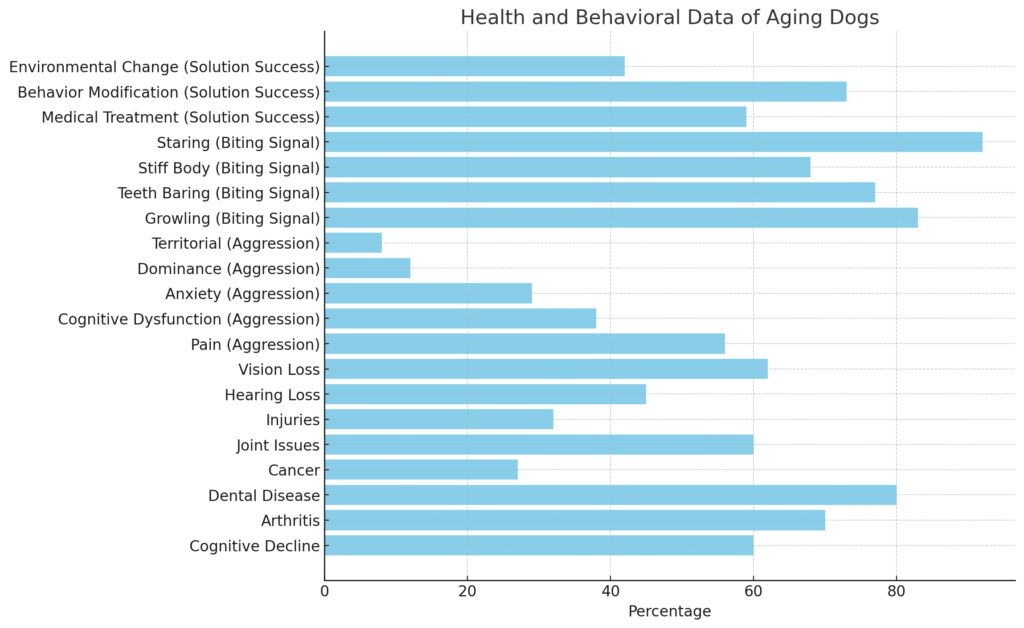
Have you noticed your senior dog acting differently lately? Maybe your once lively companion seems more tired, confused, or even grumpy.
These changes can be worrying, but understanding why they happen is the first step to helping your furry friend feel comfortable and happy. You’ll discover the common behavior changes in older dogs and learn practical tips to support your loyal companion through their golden years.
Keep reading to ensure you’re giving your dog the care and attention they deserve as they age.
Common Behavior Shifts
Senior dogs often show changes in how they act as they grow older. These shifts can be normal signs of aging.
Understanding these changes helps owners give better care and keep their pets comfortable.
Decreased Activity Levels
Older dogs usually move less than when they were young. They may avoid running or playing for long times.
- Less interest in walks or exercise
- Slower movements and fewer jumps
- More time resting during the day
Increased Sleep Patterns
Senior dogs tend to sleep more hours daily. They may nap often and wake up less during the night.
| Age Range | Average Sleep Hours |
| Adult (1-7 years) | 12-14 hours |
| Senior (7+ years) | 16-18 hours |
Changes In Social Interaction
Older dogs may change how they interact with people and other pets. They might seek less attention or become more clingy.
- Avoiding play or petting
- Preferring to stay close to family members
- Showing signs of confusion or anxiety
Credit: www.dwdogtraining.com
Cognitive Changes
Senior dogs often show changes in how they think and remember. These changes can affect their daily life.
Understanding these signs can help you support your dog’s health and comfort as they age.
Signs Of Confusion
Confusion in senior dogs shows as trouble recognizing people or places. They might get stuck in corners or seem unsure of what to do.
Memory Loss Indicators
- Forgetting familiar commands
- Not responding to their name
- Repeating actions or behaviors
- Getting lost in usual walking paths
These signs suggest your dog may be losing short-term memory. Patience and gentle reminders can help them cope.
Disorientation Symptoms
| Symptom | Description | What to Watch For |
| Wandering | Walking aimlessly without purpose | Circling or pacing in one spot |
| Getting Lost | Unable to find familiar rooms or outdoors | Staying stuck in one room or area |
| Staring | Fixed gaze at walls or empty spaces | Long periods of unresponsiveness |
Physical Health Impact
As dogs grow older, their bodies change in many ways. These changes can affect how they behave.
Understanding these changes helps owners care for their senior dogs better. Physical health plays a big role in behavior shifts.
Mobility Challenges
Older dogs often have trouble moving around. Their joints may become stiff or painful.
These problems make dogs less active and slower. They might avoid stairs or jumping.
- Difficulty standing up or lying down
- Reluctance to play or exercise
- Changes in walking or limping
Sensory Decline
Senses like sight, hearing, and smell can weaken in senior dogs. This affects how they react to the world.
Dogs may not notice sounds or objects as well. This can cause confusion or anxiety.
- Less response to noises or calls
- Difficulty seeing in low light
- Reduced interest in smells
Pain And Discomfort Signs
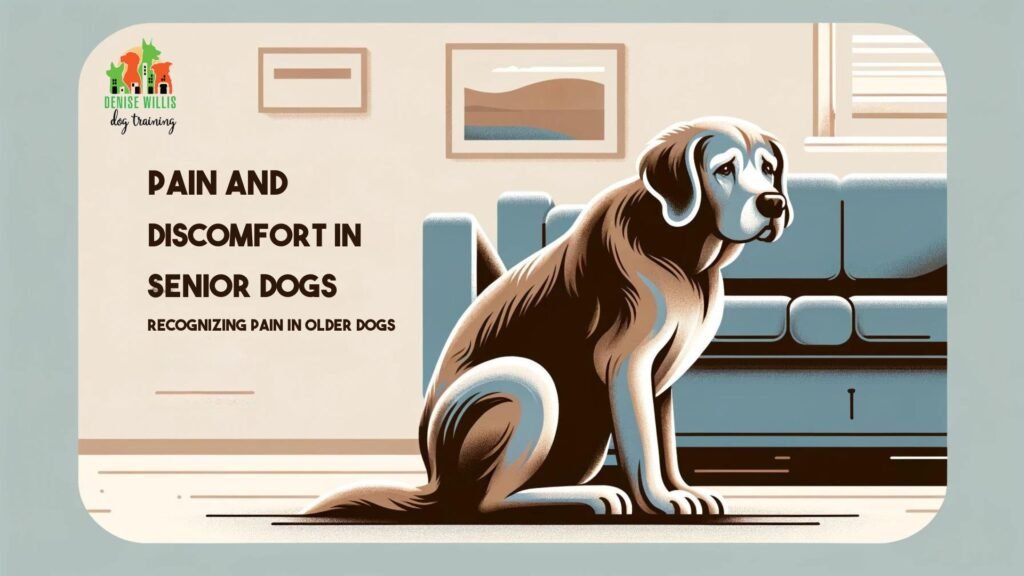
Pain is common in older dogs from arthritis or other illnesses. It changes how they act daily.
Dogs in pain may growl, bite, or hide. They may sleep more or lose appetite.
- Whining or yelping without clear cause
- Avoiding touch or being petted
- Restlessness or trouble sleeping
- Changes in eating or drinking habits
Emotional And Mood Shifts
As dogs age, they may experience changes in their behavior. Senior dogs can show shifts in their emotions and mood. Understanding these changes helps in providing better care.
It’s important to be aware of these changes in senior dogs. They might not behave the same as they did when they were younger.
Increased Anxiety
Older dogs may become more anxious. They might react to new situations or loud noises more than before.
- Watch for pacing or restlessness.
- Notice any changes in eating or sleeping patterns.
- Be aware of excessive barking or whining.
Irritability And Aggression
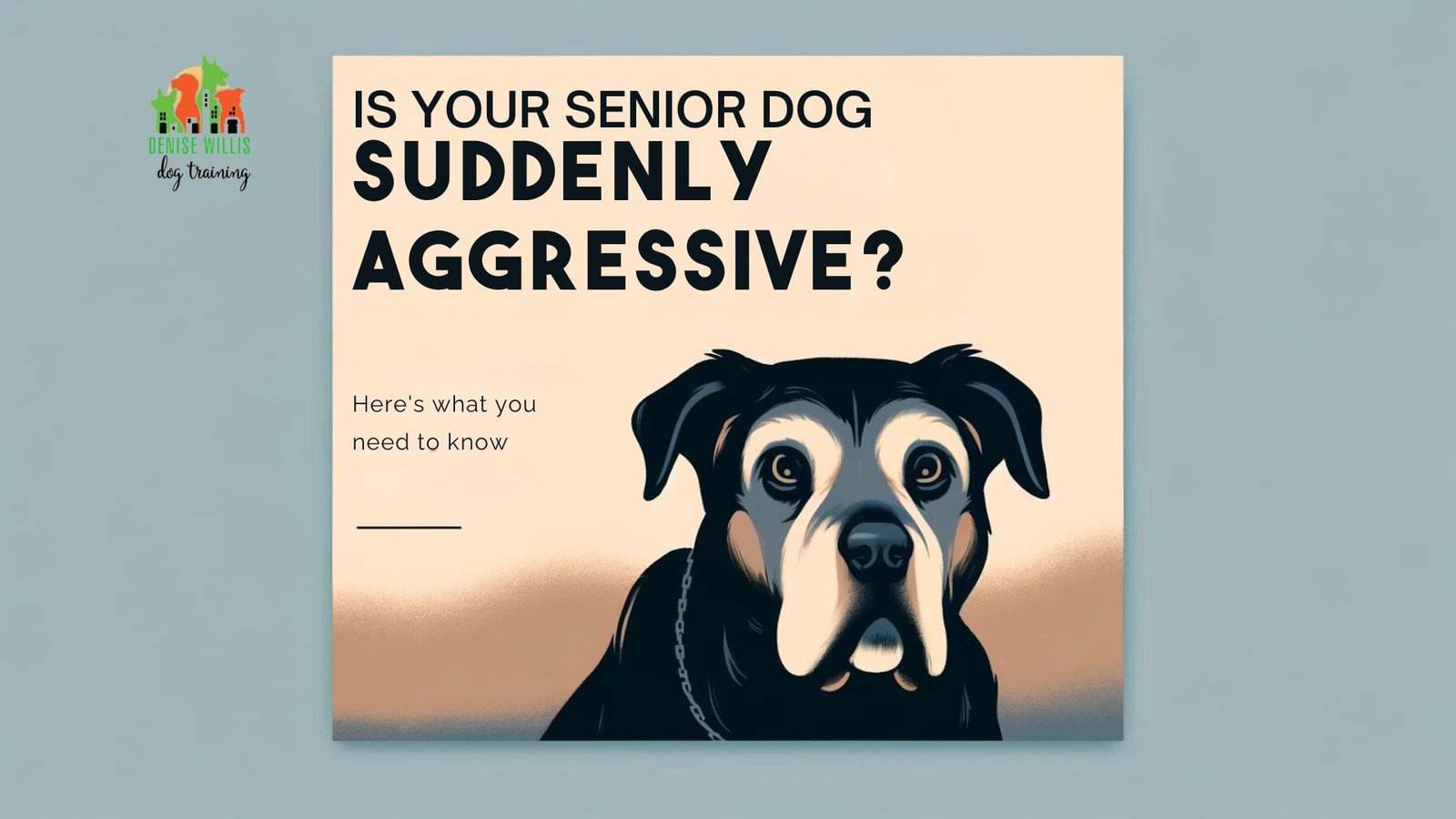
Senior dogs might become irritable. They could show signs of aggression even if they were friendly before.
Ensure you give your dog space. Do not force interactions if they show discomfort.
Depression Symptoms
Depression in dogs can appear as a lack of interest in activities. They may not want to play or go for walks.
| Symptom | Possible Cause |
| Loss of Appetite | Feeling unwell |
| Less Active | Pain or discomfort |
| Withdrawal | Sadness or loneliness |
Changes In Eating And Drinking
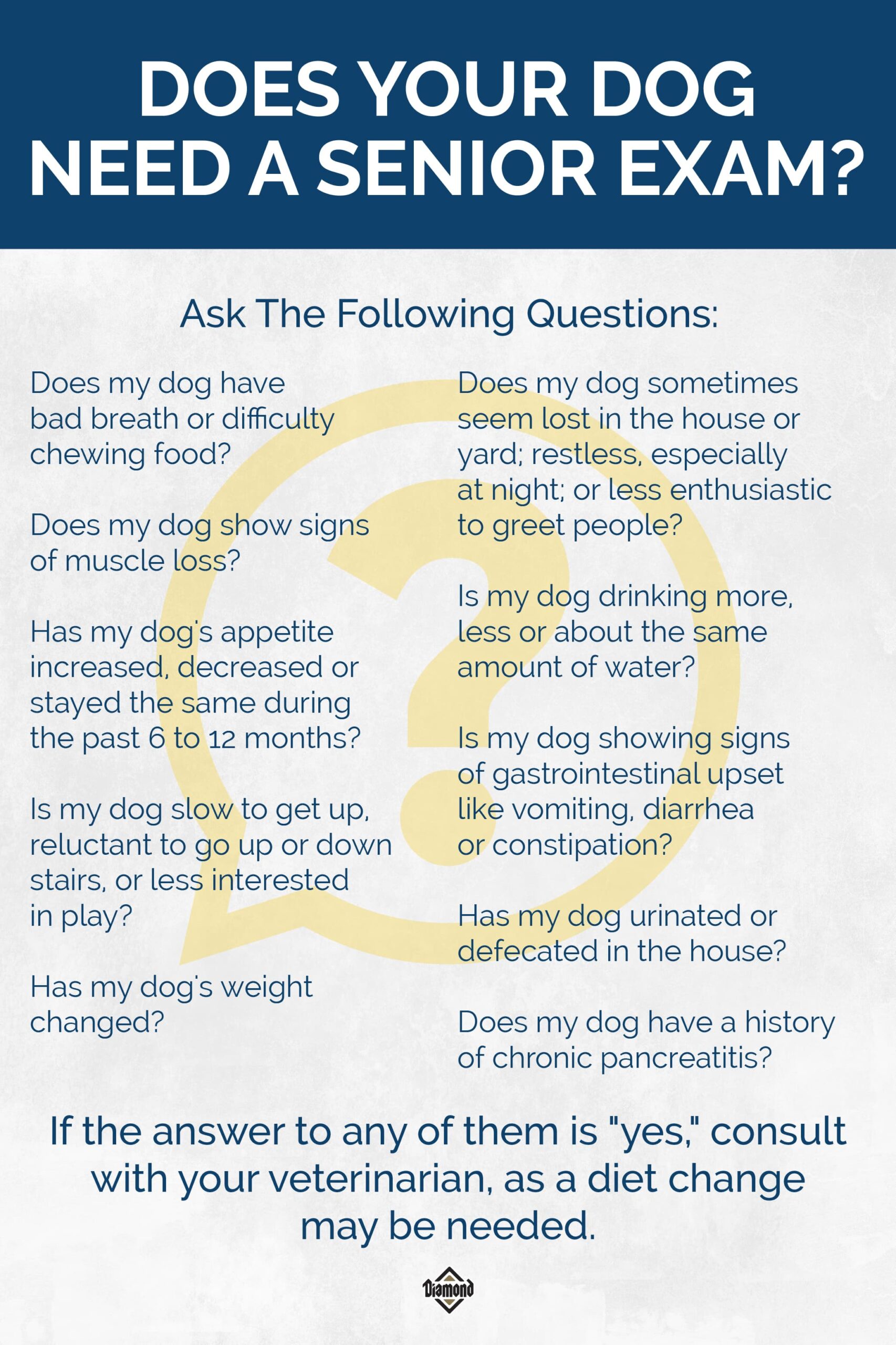
As dogs age, their eating and drinking habits can change. It is important to notice these changes to ensure they stay healthy.
Senior dogs might show different patterns in appetite and hydration. Understanding these changes helps in managing their health better.
Appetite Fluctuations
Older dogs may eat less or more than before. This change can be due to various reasons like dental issues or reduced energy needs.
Monitoring your dog’s eating habits is crucial. A sudden loss or increase in appetite might need a vet’s attention.
- Check for dental problems if eating decreases
- Consult a vet if appetite changes abruptly
- Adjust food types to suit their needs
Hydration Habits
Senior dogs might drink more or less water than usual. Changes in hydration can signal health issues.
Ensure your dog has access to fresh water always. Keep an eye on their drinking patterns to spot any unusual behavior.
- Offer water in multiple locations
- Notice any signs of excessive thirst
- Consult a vet if changes persist
Weight Variations
Weight changes in senior dogs can be common. Loss or gain in weight should be monitored closely.
Regular weighing helps track any significant changes. Adjust their diet as needed to maintain a healthy weight.
- Weigh your dog regularly at home
- Consult a vet for unexplained weight changes
- Modify diet based on weight needs
Credit: www.diamondpet.com
Bathroom Habits Alterations
Senior dogs often show changes in their bathroom habits. These changes can signal health or behavior issues.
Understanding these changes helps owners provide better care and comfort for their aging pets.
House Soiling
Older dogs may start having accidents inside the house. This is called house soiling.
It can happen even if the dog was fully trained before. Medical problems or confusion often cause this behavior.
- Urine stains on floors or carpets
- Feces found in unusual places
- Signs of discomfort or urgency
Frequency Changes
Senior dogs may need to go outside more often or less often than before. This is a change in bathroom frequency.
They might urinate more due to health issues like kidney problems or diabetes. Some dogs may hold it longer due to decreased activity.
- Needing to go out several times a day
- Longer gaps between bathroom breaks
- Signs of discomfort when holding urine
Difficulty Controlling Bladder
Older dogs might lose some control over their bladder. This is called urinary incontinence.
This condition causes leaks or dribbles without warning. It can happen during sleep or activity.
- Wet spots on bedding or furniture
- Dribbling urine while walking
- Sudden urges to urinate
When To Seek Veterinary Help
Senior dogs often show changes in behavior as they age. Some changes are normal, but others need a vet’s attention.
Knowing when to seek veterinary help can keep your dog healthy and comfortable in their later years.
Urgent Behavior Changes
Watch for sudden or severe behavior changes. These can signal health problems that need quick care.
- Confusion or disorientation
- Sudden aggression or fear
- Loss of bladder or bowel control
- Severe anxiety or restlessness
- Refusal to eat or drink
Routine Checkups Importance
Regular vet visits help catch problems early. These checkups keep your dog in good health.
| Checkup Item | Why It Matters |
| Weight Monitoring | Detects obesity or weight loss |
| Dental Exam | Prevents infections and pain |
| Blood Tests | Checks organ function and disease |
| Behavior Assessment | Identifies mental or physical issues |
Behavioral Therapy Options
Therapy can help manage behavior problems in senior dogs. It improves their quality of life.
Common therapy options include:
- Positive reinforcement training
- Environmental enrichment
- Medication prescribed by the vet
- Physical therapy or massage
Credit: www.dwdogtraining.com
Supporting Senior Dogs
Senior dogs show behavior changes as they age. They may move slower or feel tired more often.
Helping your older dog stay comfortable and happy is important. Small changes can make a big difference.
Comfort And Environment Adjustments
Older dogs need softer places to rest. Use beds with extra padding to support their joints.
Keep their living space quiet and easy to reach. Avoid slippery floors or high steps that can cause falls.
- Provide orthopedic beds for joint support
- Place food and water bowls in easy spots
- Use ramps for stairs or furniture
- Keep the area calm and free of loud noises
Exercise And Mental Stimulation
Senior dogs need gentle exercise to keep muscles strong. Short walks help them stay active without strain.
Keep their mind sharp with simple games. Toys that challenge their thinking can reduce boredom and anxiety.
- Take shorter, slower walks daily
- Play hide-and-seek with treats
- Use puzzle toys for mental exercise
- Practice basic commands regularly
Diet And Nutrition Tips
Older dogs need food that supports joint and brain health. Choose diets made for senior dogs.
Watch their weight closely. Extra pounds can strain joints and cause health problems.
- Feed high-quality senior dog food
- Include supplements like omega-3 fatty acids
- Measure food portions to avoid overeating
- Provide fresh water at all times
Frequently Asked Questions
What Are Common Behavior Changes In Senior Dogs?
Senior dogs often become less active and sleep more. They may show confusion or anxiety. Appetite changes and increased irritability are common as well.
How Can I Help My Aging Dog’s Behavior?
Maintain a consistent routine and provide gentle exercise. Regular vet check-ups help detect health issues early. Mental stimulation and a calm environment also support good behavior.
Why Do Senior Dogs Show Anxiety Or Confusion?
Aging can cause cognitive decline, leading to confusion and anxiety. Sensory loss like poor vision or hearing also contributes. These changes affect their behavior and comfort.
When Should I Consult A Vet About Behavior Changes?
Consult your vet if changes are sudden, severe, or worsening. Signs like aggression, disorientation, or loss of appetite need prompt evaluation. Early intervention improves your dog’s quality of life.
Conclusion
Senior dogs change their behavior as they age. These changes can include less energy, more sleep, and new fears. Watching your dog closely helps spot these shifts early. Simple care adjustments can make your dog comfortable and happy. Understanding these changes shows love and respect for your pet.
Keep patience and kindness at the heart of care. Your senior dog still needs your attention and support. Helping them feel safe and loved matters most in their later years.

Emily Barker is the founder of ChillDogLife.com, a space dedicated to helping pup parents discover the best dog products, lifestyle tips, and cozy ideas for happier homes.
A lifelong dog lover, Emily combines her passion for pets with a knack for research to share trusted recommendations on everything from toys and furniture to health and everyday care.
Her goal is simple: to make life easier, stylish, and more joyful for dogs and the people who love them.




