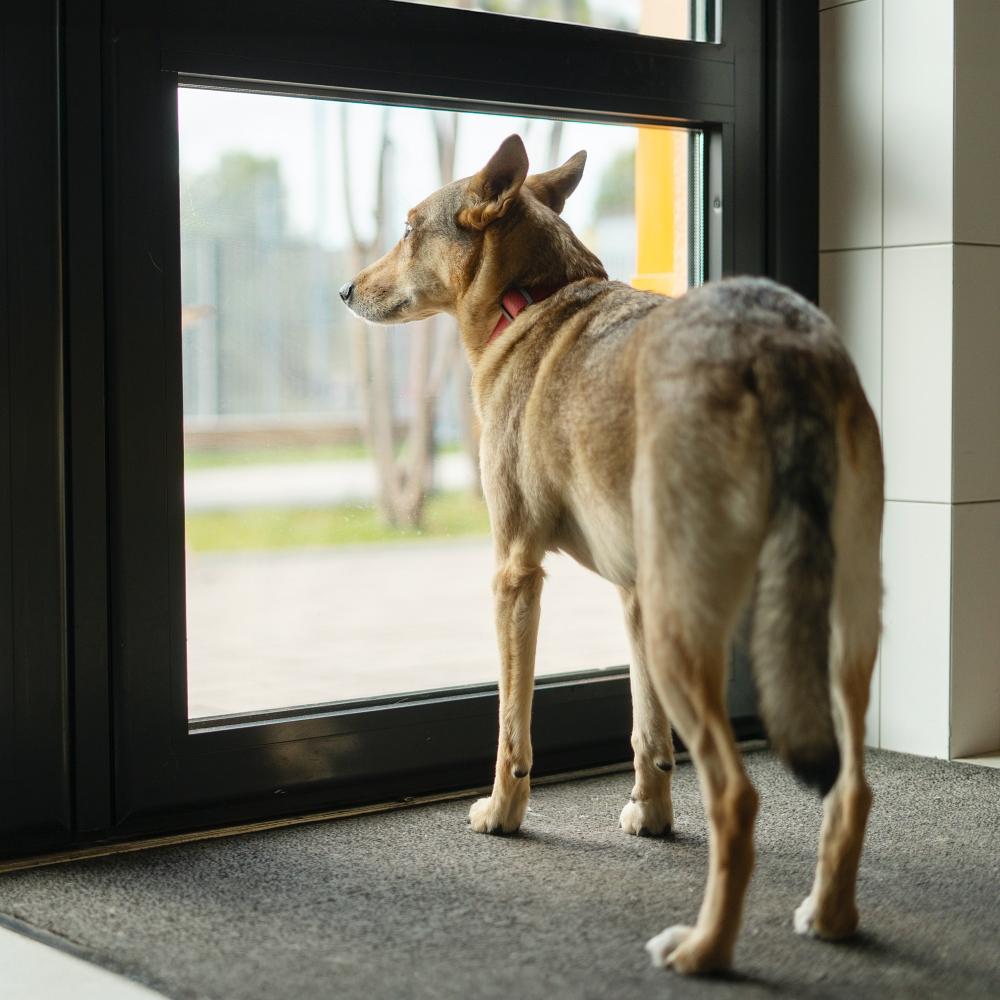
Have you noticed your older dog having accidents in the house lately? It can be frustrating and confusing, especially when your furry friend has been well-trained for years.
You might be wondering why this is happening now and what you can do to help. Understanding the reasons behind these accidents is the first step to making things better for both you and your dog. Keep reading to discover the surprising causes and simple solutions that can bring peace back to your home.
Common Causes Of Indoor Accidents
Indoor accidents in older dogs can be frustrating and worrying for any pet owner. Understanding the root causes helps you respond with patience and effective care. Let’s look at the common reasons why your senior dog might start having accidents inside the house.
Age-related Health Issues
As dogs grow older, their bodies change, affecting how they control bladder and bowel movements. Conditions like kidney disease or diabetes can increase urination frequency and urgency. Have you noticed your dog drinking more water or seeming restless? These signs often point to underlying health problems that need a vet’s attention.
Urinary Tract Infections
Urinary tract infections (UTIs) are a common cause of accidents in older dogs. The discomfort makes it hard for them to hold urine, leading to sudden leaks. If your dog is licking their genital area more than usual or seems to strain while urinating, a UTI might be the culprit. Treating the infection usually stops the accidents, so quick diagnosis is key.
Cognitive Decline
Just like humans, dogs can experience cognitive decline with age. This can cause confusion or forgetfulness, making it tough for them to remember where to go potty. You might find your dog wandering aimlessly or appearing disoriented. Adjusting their routine and providing extra reminders can help manage this challenge.
Mobility Challenges
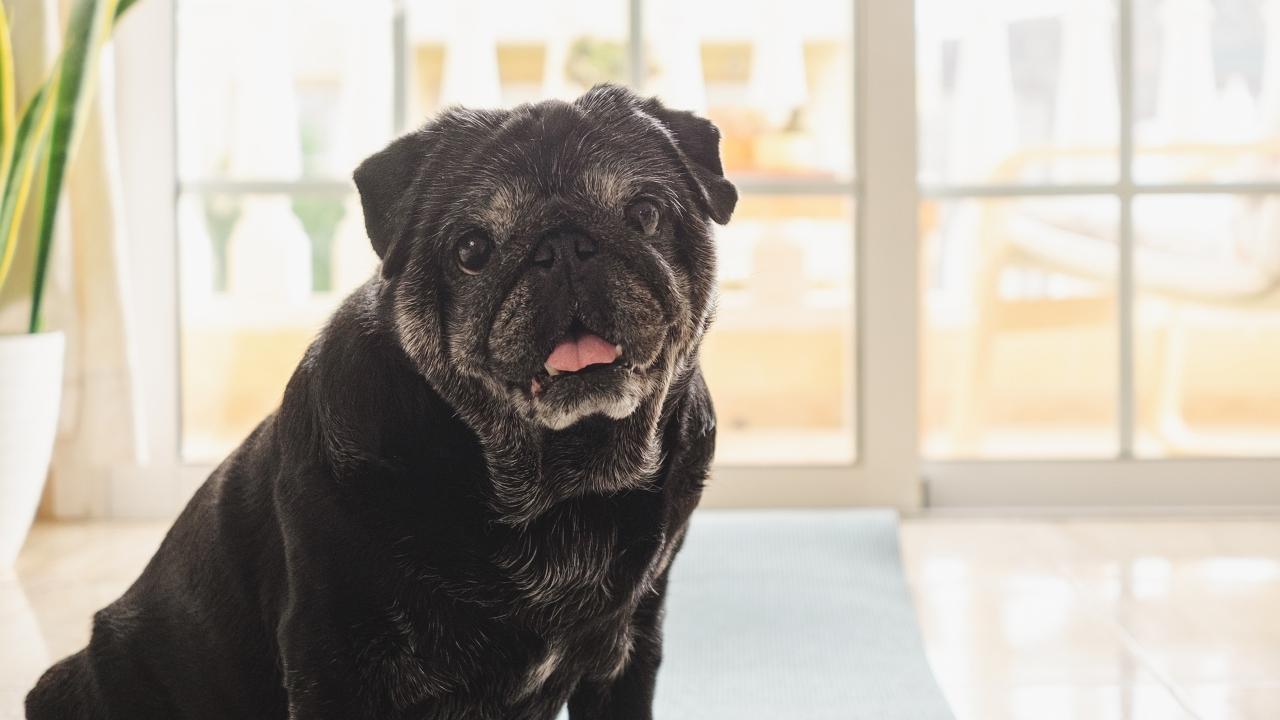
Arthritis and joint pain can make it difficult for older dogs to reach their usual bathroom spots on time. They may hesitate or struggle to move quickly, resulting in indoor accidents. Have you seen your dog limping or avoiding stairs? Improving their comfort with ramps or orthopedic beds can make a big difference.
Credit: pottybuddy.co
Environmental Factors Affecting Behavior
Environmental changes can greatly impact an older dog’s behavior. Dogs thrive on routine and familiar surroundings. Sudden shifts in their environment may cause confusion or stress. Such changes often lead to accidents inside the house. Understanding these factors helps in managing and reducing unwanted behaviors.
Changes In Routine
Older dogs depend on a steady daily routine. Feeding times, walks, and play sessions create comfort. Any change in this routine can cause anxiety and confusion. Moving furniture, changing walking routes, or new family schedules disrupt their sense of normal. This disruption may lead to accidents as the dog feels unsettled.
Stress And Anxiety
Stress affects dogs just like people. Loud noises, visitors, or new pets can create tension. Older dogs may become more sensitive to these stressors. Anxiety can cause loss of bladder control or forgetting house training. Signs include pacing, whining, or hiding. Reducing stress helps maintain good behavior.
Access To Outdoor Spaces
Easy access to outdoor areas encourages proper bathroom habits. If older dogs struggle with mobility, reaching outside may be hard. Limited access can lead to accidents indoors. Steps, slippery floors, or locked doors prevent timely bathroom breaks. Creating safe, accessible outdoor spaces supports their comfort and health.
Medical Conditions Linked To Accidents
Accidents in the house can be frustrating, especially when your older dog suddenly starts having them. Medical conditions often play a significant role in this change. Understanding these health issues can help you respond with compassion and find effective solutions.
Kidney Disease
Kidney disease is a common cause of accidents in older dogs. When the kidneys don’t filter waste properly, your dog may feel the need to urinate more frequently.
You might notice increased thirst and more trips outside. If your dog is having accidents, ask your vet to check kidney function. Early treatment can make a big difference in comfort and control.
Diabetes
Diabetes can cause your dog to drink and urinate excessively. This increased urine output can be hard for your dog to manage, especially if mobility is an issue.
Have you noticed your dog drinking water nonstop? This is a red flag. Managing diabetes with the right diet and medication often reduces accidents.
Arthritis Impact
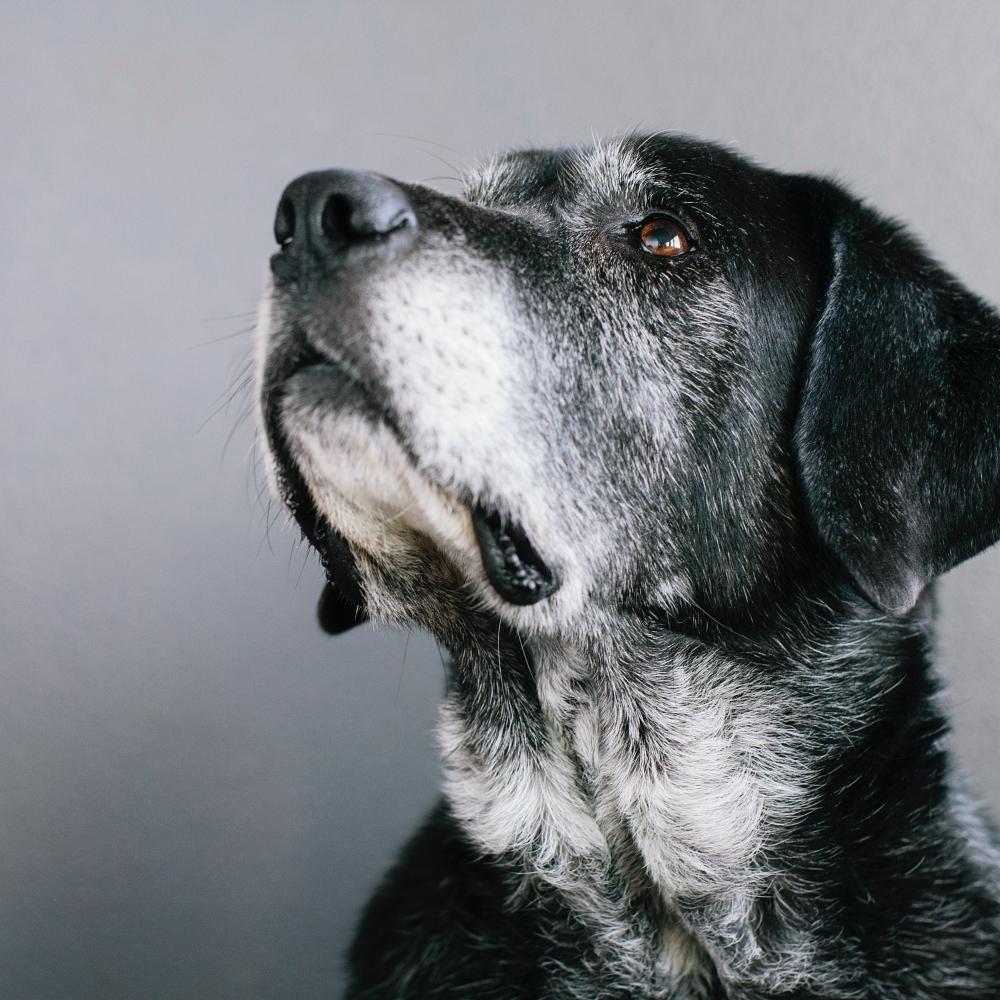
Arthritis doesn’t just cause joint pain; it can also affect bathroom habits. If your dog struggles to get outside or even to their usual potty spot, accidents may happen.
Think about how hard it is for your dog to move when in pain. Adding ramps, softer bedding, or even pain relief can help your dog get out in time. Are you providing enough support to ease their movement?
Credit: pottybuddy.co
Behavioral Reasons Behind Accidents
Older dogs may start having accidents inside the house due to changes in their behavior. These behavioral reasons can be confusing for pet owners. Understanding why your senior dog acts this way helps you respond with patience and care.
Behavior changes can affect your dog’s ability to control where they go. Sometimes, it is not a medical issue but a shift in their habits or feelings.
Marking Territory
Older dogs might mark territory to feel secure. This behavior is common in both male and female dogs. Marking helps them show their presence and claim familiar spaces.
Stress or changes in the home can increase marking. New pets, visitors, or moving to a new house can trigger this behavior. Your dog uses scent to reassure itself in uncertain situations.
Confusion Or Forgetfulness
Senior dogs can become confused or forget where to go. Memory loss can affect their bathroom habits. They might forget commands or the location of their usual potty spot.
Confusion can also make your dog anxious or restless. This state leads to accidents indoors. Patience and a calm routine help ease their stress and guide them gently.
Steps To Manage And Prevent Accidents
Managing and preventing accidents in older dogs requires patience and care. Understanding your dog’s needs and habits helps keep your home clean. It also ensures your pet stays comfortable and happy.
Simple changes and regular routines can reduce accidents. Protecting your furniture and floors saves time and stress. Here are practical steps to help manage and prevent accidents effectively.
Regular Vet Checkups
Schedule vet visits at least twice a year. Regular exams catch health issues early. Problems like urinary infections or kidney disease cause accidents. Your vet may suggest tests or treatments. Early care improves your dog’s quality of life. Always share any accident details with your vet.
Consistent Bathroom Schedule
Set fixed times for bathroom breaks daily. Older dogs benefit from frequent, predictable outings. Take your dog outside after meals and naps. Praise and reward good bathroom habits. Consistency helps your dog learn and remember. Use a leash to guide your dog each time. This routine reduces indoor accidents greatly.
Creating Comfortable Spaces
Designate calm, easy-to-access resting spots for your dog. Soft bedding supports aging joints and muscles. Keep water bowls nearby to stay hydrated. Avoid slippery floors that cause stress or falls. Provide a quiet space for your dog to relax. Comfort reduces anxiety and helps control bathroom needs.
Use Of Protective Products
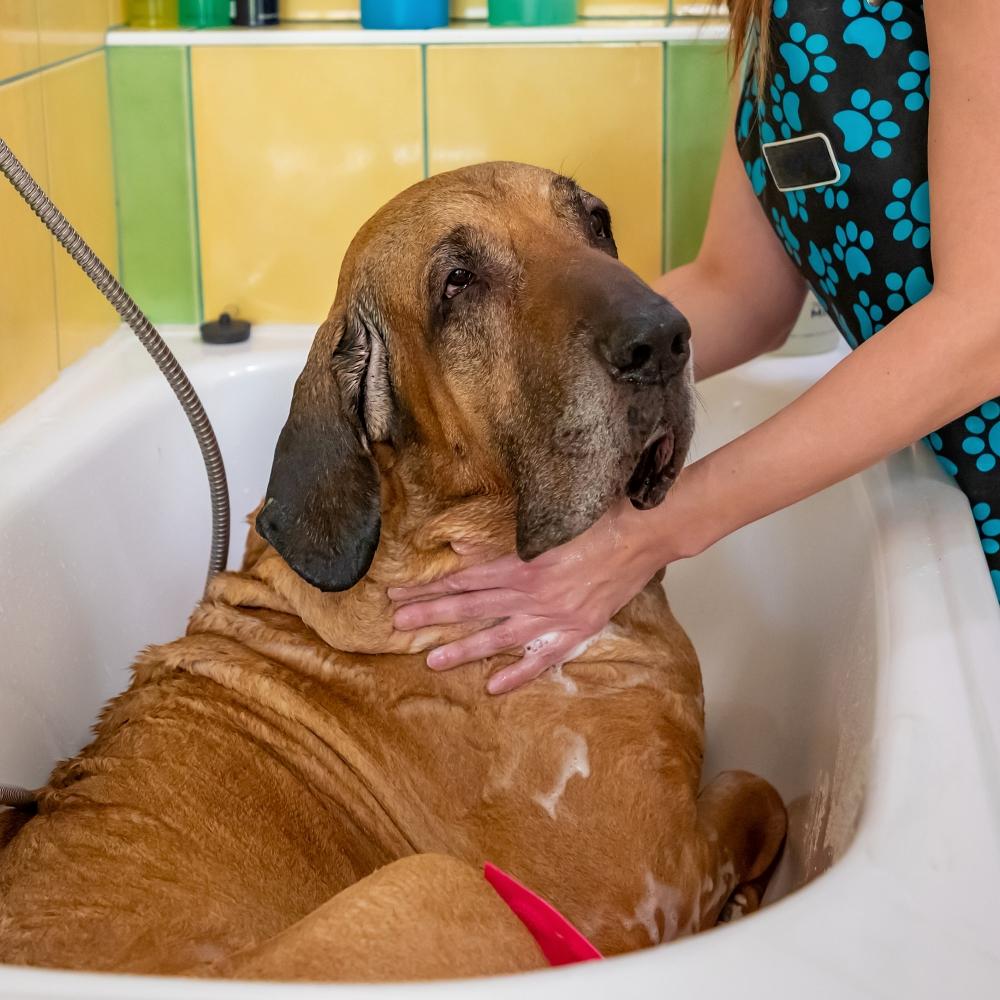
Use waterproof pads in areas your dog frequents. These pads protect floors and carpets from stains. Consider dog diapers or belly bands for severe cases. Wash bedding and pads regularly to avoid odors. Use enzyme cleaners to remove urine smells. Protective products make accidents easier to manage.
Credit: pottybuddy.co
Frequently Asked Questions
Why Is My Older Dog Suddenly Urinating Indoors?
Older dogs may urinate indoors due to urinary tract infections, kidney issues, or cognitive decline. Age-related changes can affect bladder control. Consult a vet to diagnose and treat the underlying cause promptly.
Can Arthritis Cause My Senior Dog To Have Accidents?
Yes, arthritis can make it painful for dogs to reach outdoors. This discomfort may lead to accidents inside. Managing arthritis with medication and easing bathroom trips helps reduce indoor accidents.
How Does Cognitive Dysfunction Affect House Training?
Cognitive dysfunction in older dogs can cause confusion and forgetfulness. This leads to loss of house training habits. Providing mental stimulation and veterinary care can improve behavior and reduce accidents.
Should I Change My Older Dog’s Diet To Prevent Accidents?
Diet changes can support urinary health and digestion in senior dogs. Feeding high-quality, age-appropriate food may reduce accidents. Always consult a vet before altering your dog’s diet for best results.
Conclusion
Understanding your older dog’s accidents can ease your worries. Observe their habits closely. Consult a vet for any health issues. Regular checkups help identify underlying problems. Dietary adjustments might improve their condition. Offer gentle guidance and patience. A loving environment supports their well-being.
Consistent bathroom breaks can reduce accidents. Encourage them with positive reinforcement. Aging pets need our compassion and care. Small changes can make a big difference. Appreciate their loyalty and companionship. Addressing their needs strengthens your bond. Your senior dog deserves comfort and love.

Emily Barker is the founder of ChillDogLife.com, a space dedicated to helping pup parents discover the best dog products, lifestyle tips, and cozy ideas for happier homes.
A lifelong dog lover, Emily combines her passion for pets with a knack for research to share trusted recommendations on everything from toys and furniture to health and everyday care.
Her goal is simple: to make life easier, stylish, and more joyful for dogs and the people who love them.




