Are you wondering how neutering might change your dog’s behavior? You’re not alone.
Many pet owners notice shifts in their furry friend’s actions after the procedure and want to understand what to expect. Whether it’s changes in energy, mood, or habits, knowing what’s normal can help you support your dog better. Keep reading to discover the key behavior changes you might see and how to handle them, so your bond stays strong and happy.
Behavioral Shifts After Neutering
Neutering a dog can cause changes in its behavior. These changes happen because of hormonal shifts after the surgery.
Many owners notice their dogs act differently in some ways. Understanding these changes helps in caring for your pet.
Reduction In Aggression
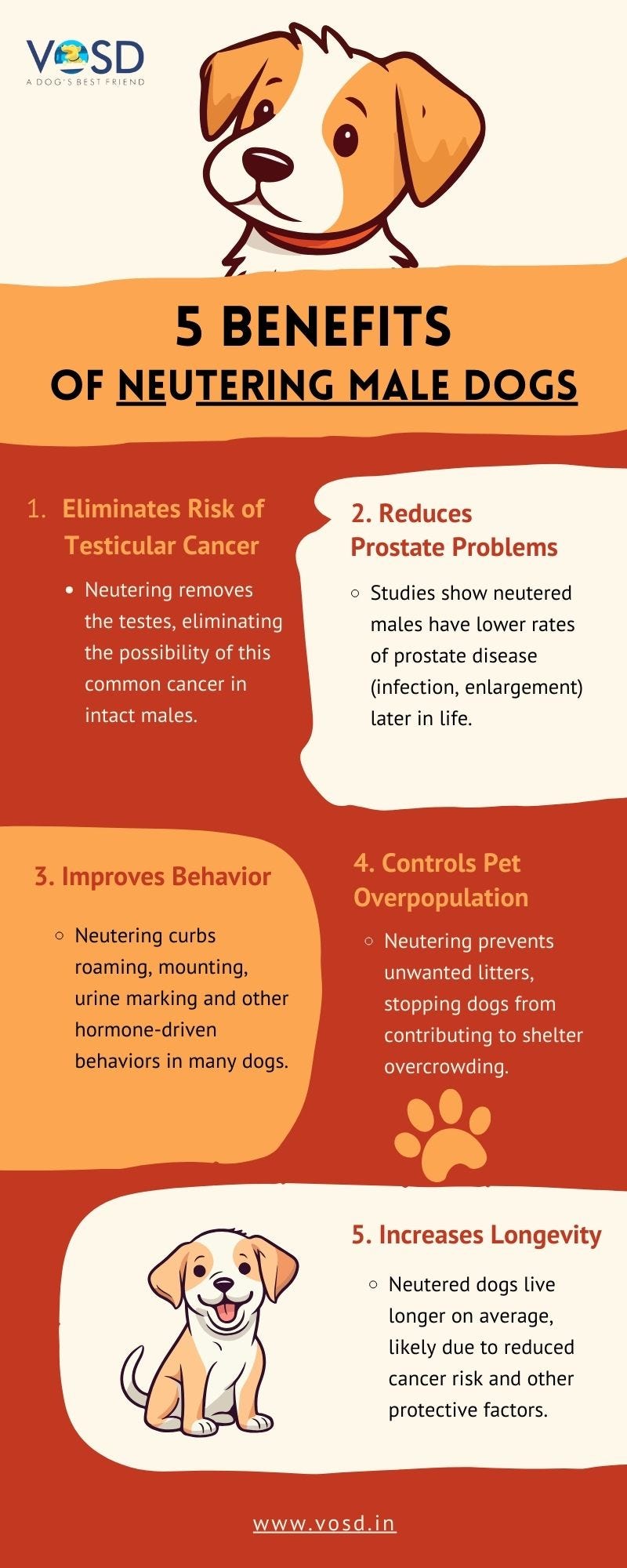
Neutering lowers testosterone levels, which can reduce aggressive behavior. Dogs may become less likely to fight or show dominance.
This change makes social interactions with other dogs and people calmer and safer. It also helps dogs feel less stressed.
Changes In Activity Levels
After neutering, dogs often show a drop in energy and activity. They may rest more and play less than before.
It is important to adjust their exercise routine to match their new energy levels. This prevents weight gain and keeps them healthy.
Impact On Territorial Marking
Neutering reduces the urge to mark territory with urine. This behavior is linked to male hormones and dominance.
Dogs may stop marking inside the house or in new places. This change can make living with them easier and cleaner.
Credit: www.adoptapet.com
Unexpected Behavior Changes
Neutering can change a dog's behavior in ways owners might not expect. These changes may affect their appetite, anxiety, and social actions.
Understanding these shifts helps owners support their dogs better during the adjustment period.
Increased Appetite And Weight Gain
Many neutered dogs eat more than before. This can lead to weight gain if not managed well.
- Neutering lowers metabolism, causing less calorie burn.
- Dogs may feel hungrier due to hormonal changes.
- Owners should watch portion sizes carefully.
- Regular exercise helps control weight gain.
New Anxiety Patterns
Neutered dogs may show new signs of anxiety. This can include fear, restlessness, or clinginess.
Common anxiety signs after neutering:
- Excessive barking or whining
- Destructive chewing or digging
- Hiding or avoiding people
- Pacing or shaking
Alterations In Social Interaction
Some dogs change how they act with other dogs and people after neutering. They may become more shy or less aggressive.
| Behavior | Before Neutering | After Neutering |
| Playfulness | High | Moderate |
| Aggression | Sometimes high | Lower |
| Social Interest | Variable | More calm |
| Territorial Behavior | Strong | Reduced |
Factors Influencing Behavior
Neutering can change a dog’s behavior in many ways. These changes depend on several factors.
Understanding what affects behavior helps owners manage their dogs better after neutering.
Age At Neutering
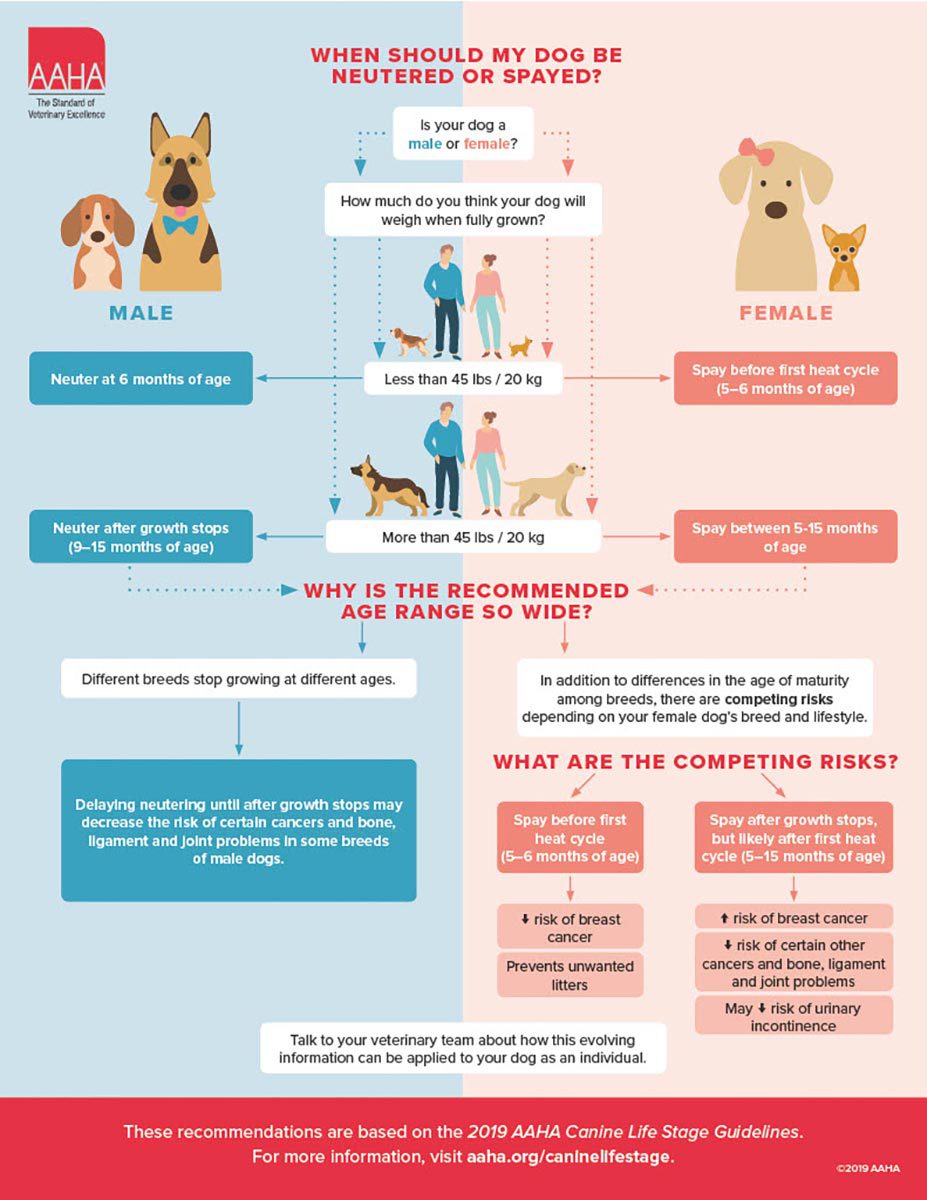
The age when a dog is neutered plays a big role in behavior changes. Younger dogs may show different reactions than older dogs.
Neutering before puberty often reduces some unwanted behaviors like marking and aggression.
- Early neutering may calm hyperactive dogs
- Older dogs might show less change in behavior
- Timing affects hormone levels and habits
Breed Differences
Different dog breeds react in unique ways after neutering. Some breeds show strong behavior changes, others less.
Working breeds may keep their energy, while companion breeds might become more relaxed.
- Large breeds often have slower behavior changes
- Small breeds may show quick mood shifts
- Breed instincts influence post-neuter actions
Individual Personality
Each dog's personality affects how neutering changes behavior. Some dogs are naturally calm; others are more active.
A confident dog might show little change, while a shy dog may become more relaxed after neutering.
- Bold dogs may keep their confidence
- Timid dogs can become less anxious
- Personality shapes response to hormone changes
Managing Post-neutering Behaviors
Neutering a dog can lead to changes in behavior. These changes are normal but need careful management. Proper care helps your dog stay healthy and happy after surgery.
Understanding how to adjust diet, training, and veterinary care can ease the transition. Focus on simple steps to support your dog’s new needs.
Diet And Exercise Adjustments
Neutered dogs often have lower energy needs. Their metabolism can slow down, so diet and exercise need changes to prevent weight gain.
- Feed smaller portions to match lower calorie needs
- Choose foods with balanced nutrients and lower fat
- Keep exercise regular to maintain muscle and burn calories
- Limit treats to avoid extra calories
- Monitor weight weekly to catch gains early
Training Techniques
Behavior changes may include less aggression but more anxiety or fear. Training helps your dog adapt to these shifts and stay confident.
- Use positive reinforcement to reward calm and good behavior
- Keep training sessions short and consistent
- Expose your dog to new situations slowly
- Provide mental stimulation with puzzles and games
- Seek professional help if anxiety or fear grows stronger
Veterinary Support
Your vet can guide you on managing health and behavior after neutering. Regular checkups catch problems early.
| Checkup Type | Purpose |
| Post-surgery exam | Check healing and remove stitches |
| Weight check | Monitor for obesity |
| Behavior consultation | Address anxiety or aggression |
| Diet review | Adjust food plan as needed |
Long-term Effects On Behavior
Neutering a dog can change its behavior over time. These changes often last for years. Knowing what to expect helps owners care for their pets better.
This article looks at three main areas: maturity and calmness, health impacts, and watching behavior closely after neutering.
Changes In Maturity And Calmness
Neutered dogs often show signs of growing calmer as they age. They may lose some of their youthful energy and act more mature. This change helps some dogs settle down and be easier to train.
- Reduced roaming and searching for mates
- Less aggressive behavior in many cases
- Lower levels of dominance and territorial marking
- More focus during training sessions
Potential Health Impacts
Neutering also affects health, which can link to behavior changes. Some dogs may gain weight if they are less active. Certain health risks may increase or decrease after the surgery.
| Health Factor | Effect After Neutering |
| Weight Gain | Possible increase if diet is not adjusted |
| Risk of Certain Cancers | Some types may decrease, others may increase |
| Joint Health | Early neutering may affect growth plates |
| Urinary Health | Risk of urinary incontinence may rise |
Behavioral Monitoring
After neutering, owners should watch their dog’s behavior closely. Changes can be small or big. Tracking these helps catch problems early.
- Note changes in energy and mood
- Watch for new or increased anxiety
- Observe eating and sleeping habits
- Keep training consistent and positive
- Consult a vet if unusual behavior appears
Credit: southeastoakvillevet.ca
Credit: medium.com
Frequently Asked Questions
How Does Neutering Affect Dog Behavior?
Neutering reduces hormone-driven behaviors like marking and aggression. It often calms hyperactive dogs and lowers roaming tendencies. However, changes vary by individual dog and age at neutering.
When Do Behavior Changes Appear After Neutering?
Behavioral changes usually appear within weeks to months after neutering. Some improvements are immediate, but full effects may take up to six months.
Can Neutering Reduce Aggression In Dogs?
Yes, neutering can decrease aggression, especially related to dominance and mating. It helps lower testosterone, which influences aggressive behavior, but training remains essential.
Does Neutering Affect A Dog’s Energy Levels?
Neutering often reduces energy levels and hyperactivity. Dogs may become calmer but still need regular exercise to stay healthy and happy.
Conclusion
Neutering can bring clear behavior changes in dogs. Some may become calmer and less aggressive. Others might show less marking and roaming. These changes help dogs live better with families. Still, each dog reacts in its own way. Watch your pet closely after the procedure.
Give love and patience during the adjustment time. Understanding these changes supports a happy, healthy dog. Keep learning about your dog’s needs every day. This way, you build a strong, lasting bond.

Emily Barker is the founder of ChillDogLife.com, a space dedicated to helping pup parents discover the best dog products, lifestyle tips, and cozy ideas for happier homes.
A lifelong dog lover, Emily combines her passion for pets with a knack for research to share trusted recommendations on everything from toys and furniture to health and everyday care.
Her goal is simple: to make life easier, stylish, and more joyful for dogs and the people who love them.




