Are you tired of constant barking from your dog and wondering if a muzzle could be the quick fix you need? It’s natural to want a simple solution to keep the noise down and bring peace back to your home.
But before you grab a muzzle, it’s important to understand what it really does—and what it doesn’t. You’ll discover whether a muzzle can truly stop your dog from barking and what safer, more effective options might be waiting for you.
Keep reading to find out how to handle barking in a way that respects both you and your furry friend.
How Muzzles Work
Understanding how muzzles work is key to deciding if they are a practical solution for controlling your dog’s barking. Muzzles are designed primarily to prevent biting or chewing, but many wonder if they can also reduce noise. Their effectiveness depends on the type of muzzle and how it fits your dog’s needs.
Types Of Dog Muzzles
There are several types of muzzles, each serving different purposes and comfort levels for your dog:
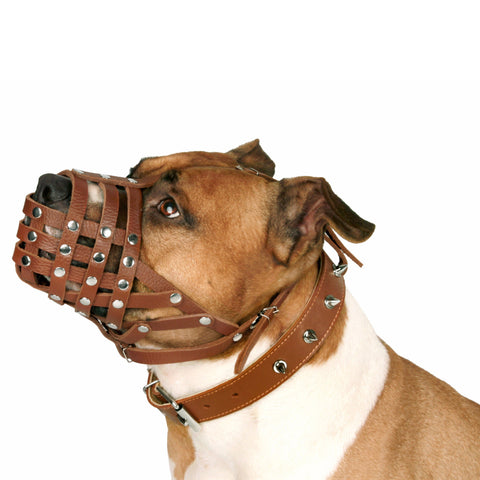
- Basket Muzzles:Made of plastic, rubber, or metal, these allow dogs to breathe, pant, and drink while preventing biting.
- Soft Muzzles:Usually made of nylon or fabric, these restrict the dog’s mouth more tightly but are less comfortable for long periods.
- Mesh Muzzles:Lightweight and breathable, these are often used for short periods and mild control.
- Training Muzzles:Designed specifically for behavioral modification, these often combine comfort with control features.
Functionality In Bark Control
Muzzles do not directly stop barking since barking is a vocal action requiring airflow through the mouth and nose. Some muzzles restrict the dog’s ability to open its mouth fully, which can reduce the volume or intensity of barking but rarely eliminate it completely.
Basket muzzles allow enough space for panting and some vocalization, so barking is still possible but may sound muffled. Soft muzzles limit mouth movement more, often making barking difficult or uncomfortable, but this can cause stress if used improperly.
Have you considered whether your dog’s barking is due to anxiety or excitement? A muzzle won’t address the root cause but can be part of a management strategy combined with training. Using a muzzle without training might simply mask the problem instead of solving it.

Credit: www.amazon.ca
Effectiveness Of Muzzles On Barking
A muzzle can limit a dog’s ability to bark loudly but may not stop barking completely. Dogs might still make noise or show discomfort. Training and understanding the cause of barking work better for long-term results.
Effectiveness of Muzzles on Barking When faced with the challenge of a barking dog, many pet owners consider using a muzzle. It’s natural to wonder if this tool can effectively curb the noise. Let’s dive into the physical and behavioral aspects to understand how muzzles work on barking.Physical Limitations
A muzzle can physically limit a dog’s ability to open its mouth fully. This restriction can reduce the volume and intensity of barking. However, it’s crucial to remember that not all muzzles are created equal. Some designs, like basket muzzles, allow more movement than others, potentially letting some barking through. It’s also worth considering your dog’s comfort. A muzzle should fit snugly but not too tight, ensuring your pet can pant and drink water, essential for their well-being.Behavioral Impact
Beyond physical limitations, muzzles can have a significant impact on your dog’s behavior. Using a muzzle might teach your dog to associate barking with wearing a muzzle, potentially reducing the behavior over time. However, this approach doesn’t address the root cause of barking. Dogs bark for various reasons—boredom, anxiety, or alerting you to something. Understanding why your dog barks is key to finding a long-term solution. Have you noticed if your dog barks less with a muzzle? Observing their behavior can offer insights into whether this tool is effective for your situation. Finding the right balance is essential. A muzzle can be part of the solution, but pairing it with training and understanding your dog’s needs will yield the best results. Is a muzzle the best choice for your barking challenges? It’s worth considering all factors before deciding.Potential Risks Of Using Muzzles
Using a muzzle to stop a dog from barking might seem like a quick fix, but it comes with several potential risks that you should consider carefully. Muzzles can affect your dog’s well-being and behavior in ways you might not expect. Understanding these risks can help you decide if a muzzle is the right choice or if other solutions might work better.
Stress And Anxiety In Dogs
Muzzles can cause your dog significant stress and anxiety, especially if they are not used to wearing one. Dogs rely on their mouths to explore and express themselves, so restricting this can make them feel trapped or scared.
Imagine if you suddenly couldn’t speak or eat comfortably—wouldn’t that make you anxious? Your dog might start to associate the muzzle with negative experiences, which can worsen barking or lead to other behavioral issues.
Look for signs like pawing at the muzzle, shaking, or trying to escape. These are clear signals your dog is uncomfortable and stressed.
Improper Use Consequences
Using a muzzle incorrectly can lead to serious problems. If a muzzle is too tight, it can cause pain or injury. Too loose, and your dog might remove it, making it useless.
Leaving a muzzle on for too long, especially without supervision, can be dangerous. Dogs might struggle to breathe, drink, or pant properly, which is critical for their health.
Have you ever seen a dog left muzzled during an entire walk or at home? This misuse can lead to frustration and even aggressive behavior later on.
Instead of relying solely on a muzzle, consider training techniques and positive reinforcement to reduce barking. If a muzzle is necessary, ensure it fits well and use it responsibly to keep your dog safe and comfortable.

Credit: www.amazon.ca
Alternatives To Muzzles For Barking
Using a muzzle to stop a dog from barking is not always the best solution. Muzzles can cause stress and discomfort for dogs. Many effective alternatives exist that focus on behavior and environment. These options help reduce barking without causing harm or fear. Understanding these alternatives can improve your dog’s happiness and your peace.
Training Techniques
Training helps dogs learn when to bark and when to stay quiet. Positive reinforcement rewards good behavior. Teaching commands like “quiet” or “enough” can control barking.
- Use treats or praise to reward silence.
- Redirect attention with toys or commands.
- Practice regularly in different settings.
- Ignore barking to avoid encouraging it.
Patience is key. Over time, dogs learn to bark less on command.
Environmental Adjustments
Changing a dog’s environment reduces triggers that cause barking. This helps dogs feel calm and safe.
- Close curtains to block outside distractions.
- Use white noise machines to mask sounds.
- Create a quiet, cozy space for rest.
- Limit access to windows or doors.
These small changes can lower stress and reduce barking naturally.
When To Consider A Muzzle
Knowing when to consider a muzzle for your dog is crucial. It’s not just about stopping barking; it’s about safety and control in specific situations. Using a muzzle correctly can protect both your dog and others, but it’s important to understand the right time and purpose for this tool.
Safety Concerns
A muzzle should never be used as a punishment or a permanent solution for barking. It’s designed to prevent biting or chewing in situations where your dog might feel threatened or stressed. If your dog shows aggressive behavior during vet visits or grooming, a muzzle can keep everyone safe.
Remember, a muzzle restricts your dog’s mouth, so it’s essential to choose one that fits well and allows some breathing room. Never leave your dog unattended while wearing a muzzle. Consider your dog’s comfort and always supervise to avoid panic or injury.
Temporary Solutions
Using a muzzle can be a short-term fix while you work on training or behavior modification. It can help in specific cases like vet visits, crowded places, or during introductions to new dogs. However, relying on it long-term to stop barking isn’t effective or kind.
Think of a muzzle as a tool to buy time and keep control, not a magic fix. Pair it with positive reinforcement training to address the root cause of barking. Have you tried calming exercises or environmental changes before resorting to a muzzle?

Credit: collardirect.com
Frequently Asked Questions
Can A Muzzle Completely Stop A Dog From Barking?
A muzzle can reduce a dog’s ability to bark but may not fully stop it. Some muzzles limit mouth movement, making barking difficult but not impossible. Proper training alongside muzzling is essential for better control over barking behavior.
Is Using A Muzzle Safe For Stopping Dog Barking?
Yes, using a properly fitted muzzle is safe for short periods. It prevents biting and can reduce barking but should never replace training. Always monitor your dog to avoid stress or discomfort while muzzled.
What Types Of Muzzles Work Best To Stop Barking?
Basket muzzles are best as they allow panting but limit barking. Soft muzzles restrict mouth movement more but can cause distress. Choose muzzles designed for comfort and safety to effectively manage barking.
Can A Muzzle Address The Root Cause Of Barking?
No, a muzzle only controls barking physically and doesn’t address causes. Training and behavior modification are necessary to solve underlying issues like anxiety or boredom. Use muzzles as a temporary aid, not a permanent solution.
Conclusion
A muzzle may help reduce a dog’s barking temporarily. It stops the dog from opening its mouth fully. But it does not teach the dog why to stop barking. Training and understanding the reason behind barking work better. Dogs need patience and care to change their behavior.
Using a muzzle without training can cause stress. Choose kindness and proper methods to help your dog. This way, barking becomes less of a problem for both of you.

Emily Barker is the founder of ChillDogLife.com, a space dedicated to helping pup parents discover the best dog products, lifestyle tips, and cozy ideas for happier homes.
A lifelong dog lover, Emily combines her passion for pets with a knack for research to share trusted recommendations on everything from toys and furniture to health and everyday care.
Her goal is simple: to make life easier, stylish, and more joyful for dogs and the people who love them.




