
If your dog has started having accidents after being spayed, you’re probably feeling confused and worried. You did everything right, so why is this happening now?
Understanding the reasons behind these accidents can help you find the right solution faster. You’ll discover the common causes and practical tips to get your furry friend back on track. Keep reading to learn what’s really going on with your dog and how you can help.
Common Causes Of Post-spay Accidents
Noticing your dog having accidents after being spayed can be confusing and frustrating. Understanding the common causes behind this behavior helps you address the issue effectively. Let’s break down the main reasons why your dog might be experiencing these post-spay accidents.
Hormonal Changes
Spaying causes a sudden drop in certain hormones, especially estrogen. This hormone plays a role in bladder control, so its decrease can lead to temporary accidents. You might see your dog leaking urine, especially when resting or sleeping.
Have you noticed your dog’s accidents happen mostly when she’s calm or tired? That’s a typical sign of hormonal influence. It usually improves over time as her body adjusts to the new hormone levels.
Urinary Incontinence
Urinary incontinence is a common issue after spaying, especially in middle-aged or older dogs. It means your dog cannot fully control her bladder muscles. This condition can cause constant dribbling or sudden leaks.
Some dogs may need medication or special care to manage this problem. If your dog’s accidents seem frequent and uncontrollable, it’s important to consult your vet for a proper diagnosis.
Behavioral Factors
Sometimes, accidents happen because your dog is stressed or confused after surgery. Changes in routine or discomfort can lead to anxiety, causing her to urinate indoors. Dogs may also forget their training temporarily during recovery.
Observe if accidents occur during moments of excitement or fear. Helping your dog feel secure and maintaining a consistent schedule can reduce these behavioral accidents. Have you tried rewarding calm behavior after surgery?
Medical Complications
Although rare, medical complications like urinary tract infections (UTIs) or bladder inflammation can cause accidents. Surgery might also lead to swelling or irritation around the urinary tract. These issues often come with other signs like frequent licking or discomfort.
If your dog shows pain or unusual symptoms alongside accidents, a vet visit is critical. Early treatment can prevent more serious problems and help your dog recover comfortably.
Hormonal Impact On Urination
Spaying causes changes in your dog’s hormones. These hormonal shifts can affect urination. Understanding this impact helps explain why accidents may occur after surgery. Hormones play a key role in bladder function and control. Let’s explore how these changes affect your dog’s urination habits.
Effect Of Estrogen Reduction
Spaying removes the ovaries, which produce estrogen. Estrogen helps keep the bladder muscles strong. When estrogen levels drop, bladder strength may weaken. This can cause your dog to leak urine or have accidents. Low estrogen also affects the lining of the urinary tract. The lining becomes thinner and less elastic. This makes it harder for your dog to hold urine properly.
Changes In Bladder Control
Bladder control depends on muscle tone and nerve signals. Hormonal changes can disrupt this balance. Weak bladder muscles reduce the ability to hold urine. Nerve signals may become less effective, causing poor bladder closure. Your dog might feel the urge to urinate more often. This leads to accidents, especially during rest or sleep. Some dogs develop a condition called urinary incontinence. It means they leak urine without control.
Identifying Urinary Incontinence
Recognizing urinary incontinence in your dog after spaying is crucial for timely care. This condition happens when your dog loses control over bladder muscles, causing unexpected leaks. Understanding the signs and diagnostic steps helps you act quickly, improving your dog’s comfort and health.
Symptoms To Watch For
Is your dog suddenly having accidents in the house despite being well-trained? Look for these common signs:
- Dribbling urine while resting or sleeping
- Wet spots on bedding or favorite lying areas
- Frequent licking of the genital area
- Strong urine odor inside the house
- Difficulty holding urine during walks or playtime
Sometimes, these symptoms can be subtle. You might notice a damp patch on the carpet but no obvious signs of distress. Have you ever wondered if your dog’s accidents are due to behavior or a medical issue?
Diagnosis Methods
Your vet will start by discussing your dog’s history and symptom details. This helps rule out infections or other conditions with similar signs.
Tests your vet may use include:
- Urinalysis:Checks for infections or crystals causing irritation.
- Blood tests:Assess kidney function and hormone levels.
- Physical exam:Evaluates bladder tone and pelvic muscle strength.
- Imaging (X-rays or ultrasound):Detects anatomical issues or stones.
Accurate diagnosis guides the best treatment plan. Have you noticed if your vet asks specific questions about when accidents happen? This detail often points directly to urinary incontinence.
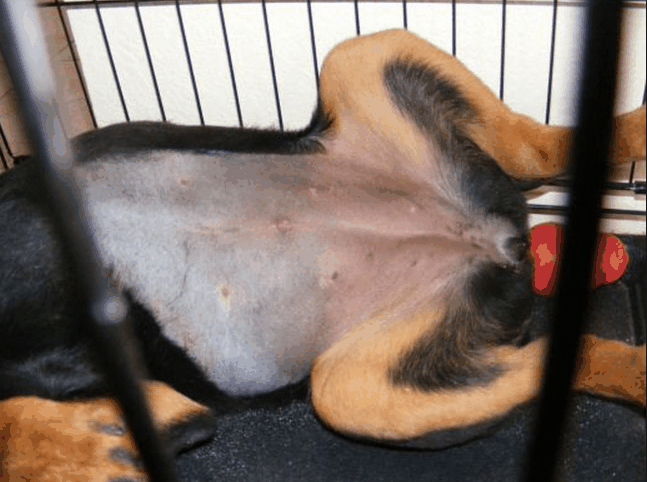
Credit: pethelpful.com
Behavioral Reasons For Accidents
Behavioral reasons often cause dogs to have accidents after being spayed. These reasons relate to how your dog feels and reacts to changes. Understanding these behaviors helps in managing and reducing accidents effectively. Here are some common behavioral causes for accidents in spayed dogs.
Stress And Anxiety
Spaying can be stressful for dogs. The surgery and recovery change their normal life. Stress makes some dogs lose control over their bathroom habits. Anxiety may cause frequent urination or accidents indoors. Dogs feel vulnerable and unsure after surgery, leading to accidents.
Changes In Routine
Spaying can disrupt a dog’s daily routine. Walk times, playtime, and feeding schedules might change. Dogs depend on routine for comfort and security. Sudden changes confuse them and cause accidents. Keeping a steady routine helps dogs feel safe and reduces accidents.
Marking Behavior
Some dogs mark territory with urine. Spaying affects hormones but does not always stop marking. Female dogs may continue marking to show presence or feel secure. This behavior can cause accidents even after surgery. Training and patience help manage marking behavior over time.
Medical Issues Linked To Accidents
Accidents after spaying can signal health problems in your dog. Medical issues often cause sudden changes in bathroom habits. Understanding these issues helps you act quickly and care for your pet properly.
Urinary Tract Infections
Urinary tract infections (UTIs) are common after spaying. Bacteria can enter the urinary tract and cause irritation. Dogs with UTIs may urinate more often and have accidents. They might also lick their genital area more than usual. A vet can diagnose UTIs with a urine test. Treatment usually involves antibiotics to clear the infection.
Bladder Stones
Bladder stones can develop after surgery and cause accidents. These stones irritate the bladder lining and block urine flow. Dogs may strain or show pain when urinating. Blood in the urine is another sign of bladder stones. A vet uses X-rays or ultrasound to detect stones. Treatment may include diet changes, medication, or surgery to remove stones.
Surgical Complications
Complications from spay surgery can cause accidents too. Sometimes the surgery affects the bladder or urethra. This can lead to urine leakage or difficulty controlling urination. Scar tissue or nerve damage might interfere with bladder control. Watch for signs like dribbling urine or sudden accidents. Your vet will check for complications and suggest the right treatment.

Credit: petparentsbrand.com
Treatment Options For Accidents
Accidents after spaying can be frustrating for both dogs and owners. Treatment options vary depending on the cause of the accidents. Some dogs benefit from medications that help control bladder function. Others improve with behavioral changes and training. Diet and lifestyle adjustments can also support better bladder control. Understanding each option helps you find the right solution for your dog’s needs.
Medications For Incontinence
Medications can strengthen bladder muscles and reduce leaks. Your vet may prescribe drugs like phenylpropanolamine or estrogen therapy. These medicines improve bladder tone and control. Always follow your vet’s dosage instructions. Watch your dog closely for side effects. Medications often show results within a few weeks.
Behavioral Training
Training can help manage accidents effectively. Teach your dog to signal when it needs to go outside. Set a consistent bathroom schedule to prevent accidents. Reward your dog for going in the right place. Avoid punishment as it may increase anxiety. Patience and routine play a key role in success.
Diet And Lifestyle Adjustments
Proper diet supports overall urinary health. Feed your dog high-quality food with balanced nutrients. Ensure your dog drinks enough water daily. Regular exercise helps maintain a healthy weight. Overweight dogs may have more bladder problems. Create a calm, stress-free environment to reduce accidents.
Preventive Measures After Spaying
Preventive measures after spaying help reduce accidents in dogs. These steps support healing and keep your pet comfortable. Paying close attention to your dog’s health is important during recovery.
Regular Vet Checkups
Schedule follow-up visits with the vet to monitor healing. The vet checks for infections or complications that may affect bladder control. Early detection of issues helps prevent accidents and discomfort.
Monitoring Behavior Changes
Watch for changes in your dog’s bathroom habits or mood. Restlessness, licking the surgery site, or sudden accidents need attention. Noticing these signs early allows quick action to help your dog.
Maintaining Clean Environment
Keep your dog’s living area clean and dry to avoid infections. Use washable bedding and clean up accidents promptly. A tidy space encourages proper bathroom habits and supports recovery.
When To Seek Veterinary Help
Knowing when to reach out to your vet is crucial if your dog starts having accidents after being spayed. Some accidents might just be part of the healing process, but others could signal something more serious. Paying close attention to your dog’s behavior and physical signs will help you decide when it’s time to get professional help.
Persistent Accidents
If your dog continues to have accidents days or even weeks after surgery, it’s a red flag. Occasional slips can happen, but frequent accidents suggest there might be an underlying issue like a urinary tract infection or bladder weakness. You want to catch these problems early before they cause discomfort or worsen.
Signs Of Pain Or Discomfort
Watch for signs that your dog is in pain, such as whining, licking the surgery area excessively, or reluctance to move. Pain can interfere with normal bathroom habits and indicate complications like infection or internal injury. If your dog shows any of these behaviors, don’t wait to contact your vet.
Sudden Behavior Shifts
Notice if your dog suddenly becomes withdrawn, aggressive, or unusually anxious. These changes might seem unrelated but can be linked to discomfort or distress caused by post-surgical issues. Has your dog stopped eating or become less active? These are clear signals that veterinary evaluation is necessary.

Credit: petparentsbrand.com
Frequently Asked Questions
Why Does My Dog Have Accidents After Spaying?
After spaying, hormonal changes might affect bladder control. This can lead to temporary accidents. Consult your vet if it persists. Ensure your dog has regular bathroom breaks and a stress-free recovery environment. Sometimes, underlying medical issues might also be the cause.
Is It Normal For Dogs To Urinate More Post-surgery?
Yes, increased urination can be normal post-surgery. Anesthesia and stress might cause this temporarily. Ensure your dog stays hydrated and monitor for any signs of infection. If excessive urination continues, consult your veterinarian for guidance and possible further examination.
Can Spaying Affect A Dog’s Bladder Control?
Spaying can affect bladder control due to hormonal changes. Some dogs might experience temporary incontinence. It’s crucial to monitor your dog’s behavior post-surgery. Ensure a comfortable recovery environment. If incontinence persists, seek veterinary advice to rule out other conditions or complications.
How Long Do Post-spaying Accidents Last?
Post-spaying accidents usually resolve within a few weeks. It’s common due to hormonal and physical changes. Provide your dog with a stable routine and frequent bathroom breaks. If accidents continue beyond a month, consult your veterinarian for further evaluation and appropriate treatment.
Conclusion
Spaying can cause changes in your dog’s body and behavior. These changes may lead to accidents in the house. Pay close attention to your dog’s habits and health. Always talk to your vet if accidents continue or worsen. They can find the exact cause and help your dog.
Patience and care are key to helping your dog adjust. With the right support, accidents will likely decrease over time. Your dog will feel better and more comfortable soon.

Emily Barker is the founder of ChillDogLife.com, a space dedicated to helping pup parents discover the best dog products, lifestyle tips, and cozy ideas for happier homes.
A lifelong dog lover, Emily combines her passion for pets with a knack for research to share trusted recommendations on everything from toys and furniture to health and everyday care.
Her goal is simple: to make life easier, stylish, and more joyful for dogs and the people who love them.




