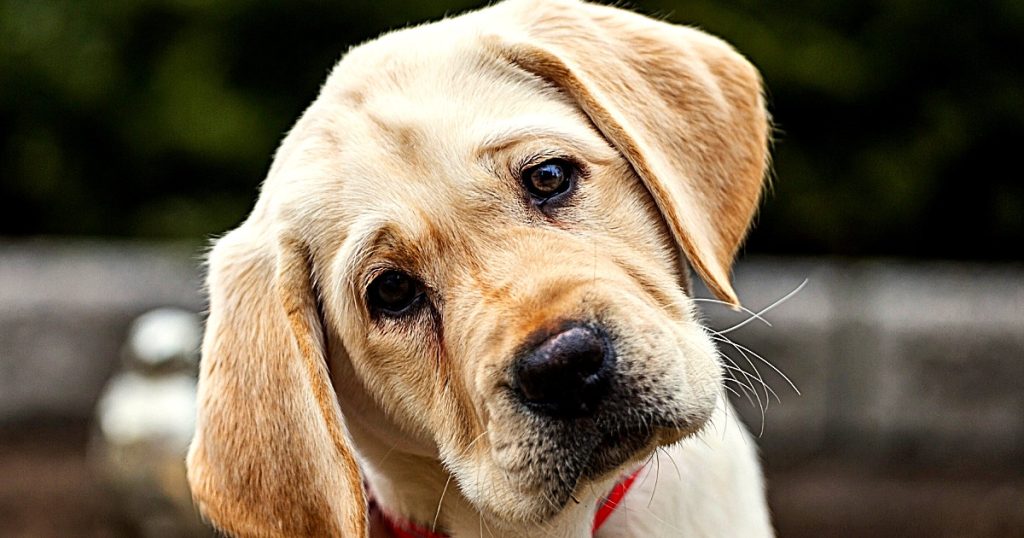
Is your dog suddenly having accidents in the house? It can be frustrating and confusing, especially if your furry friend was always well-trained.
You might be wondering why this is happening now and what you can do to fix it. Understanding the reasons behind these unexpected accidents is the first step to helping your dog—and saving your home from damage. Keep reading to discover the common causes and simple solutions that will get your dog back on track quickly.
Credit: pottybuddy.co
Common Health Issues
Sudden accidents in the house can be frustrating for both you and your dog. Before jumping to behavioral conclusions, it’s important to consider common health issues that might be causing this change. These health problems often affect a dog’s ability to control their bladder or bowels, leading to unexpected messes.
Urinary Tract Infections
Urinary tract infections (UTIs) are a frequent cause of accidents. They cause discomfort and increase the urgency to urinate, sometimes leading your dog to have trouble holding it in. You might notice your dog licking their genital area more often or having a stronger smell in their urine.
If your dog suddenly starts having accidents and shows signs of distress, a quick vet visit can confirm if a UTI is the issue. Treating it early usually resolves the problem quickly.
Diabetes And Other Illnesses
Illnesses like diabetes can cause increased thirst and urination, which might explain new accidents. If your dog is drinking water more than usual, this could be a red flag for an underlying condition. Other diseases such as kidney problems or hormonal imbalances may also affect bladder control.
Pay attention to changes in appetite, energy, or weight along with accidents. Sharing these symptoms with your vet helps get an accurate diagnosis and proper treatment.
Age-related Incontinence
Older dogs often experience incontinence due to weakening muscles or neurological issues. Even well-trained dogs can start having accidents as they age, especially during sleep or long periods alone. This doesn’t mean your dog is misbehaving; it’s a sign their body needs extra care.
Consider scheduling more frequent bathroom breaks and providing easy access to outdoor areas. Have you noticed your senior dog struggling to hold it lately? Adjusting routines can make a big difference in their comfort and your peace of mind.
Credit: medium.com
Behavioral Changes
Behavioral changes in dogs often cause sudden accidents indoors. These changes can stem from emotional distress or shifts in their surroundings. Dogs express discomfort or confusion through accidents. Understanding these behaviors helps address the issue effectively.
Stress And Anxiety
Stress triggers accidents in many dogs. Loud noises, new people, or separation can cause anxiety. An anxious dog may lose bladder control or forget house rules. Watch for pacing, whining, or hiding. These signs often come before accidents.
Changes In Routine Or Environment
Dogs thrive on routine. A change in schedule or home can confuse them. Moving furniture, new pets, or visitors disrupt their comfort zone. This confusion can lead to accidents inside the house. Keep routines stable to reduce stress.
Marking Territory
Marking is a natural behavior for dogs. It happens more in males but can occur in females. Dogs mark to show dominance or claim space. New smells or animals nearby increase marking behavior. This results in small urine spots around the home.
Training And Discipline Factors
Training and discipline play a big role in your dog’s house behavior. Changes in these areas can lead to sudden accidents inside the home. Dogs need clear and steady guidance to understand where to go. Without it, confusion can cause mistakes. Understanding common training and discipline problems helps find the root cause.
Inconsistent Training
Inconsistent rules confuse dogs. One day, they are allowed on the carpet. The next day, they are not. This mixed message makes it hard for dogs to learn proper habits. Consistency in commands and rewards is key. Dogs respond best when they know exactly what to expect every time.
Lack Of Proper Supervision
Supervision prevents accidents before they happen. Dogs often need reminders, especially puppies or new pets. Without watching closely, dogs might relieve themselves indoors. Quick intervention and guiding dogs outside helps build good habits. Supervision also helps catch early signs that a dog needs to go.
Regression In Housebreaking
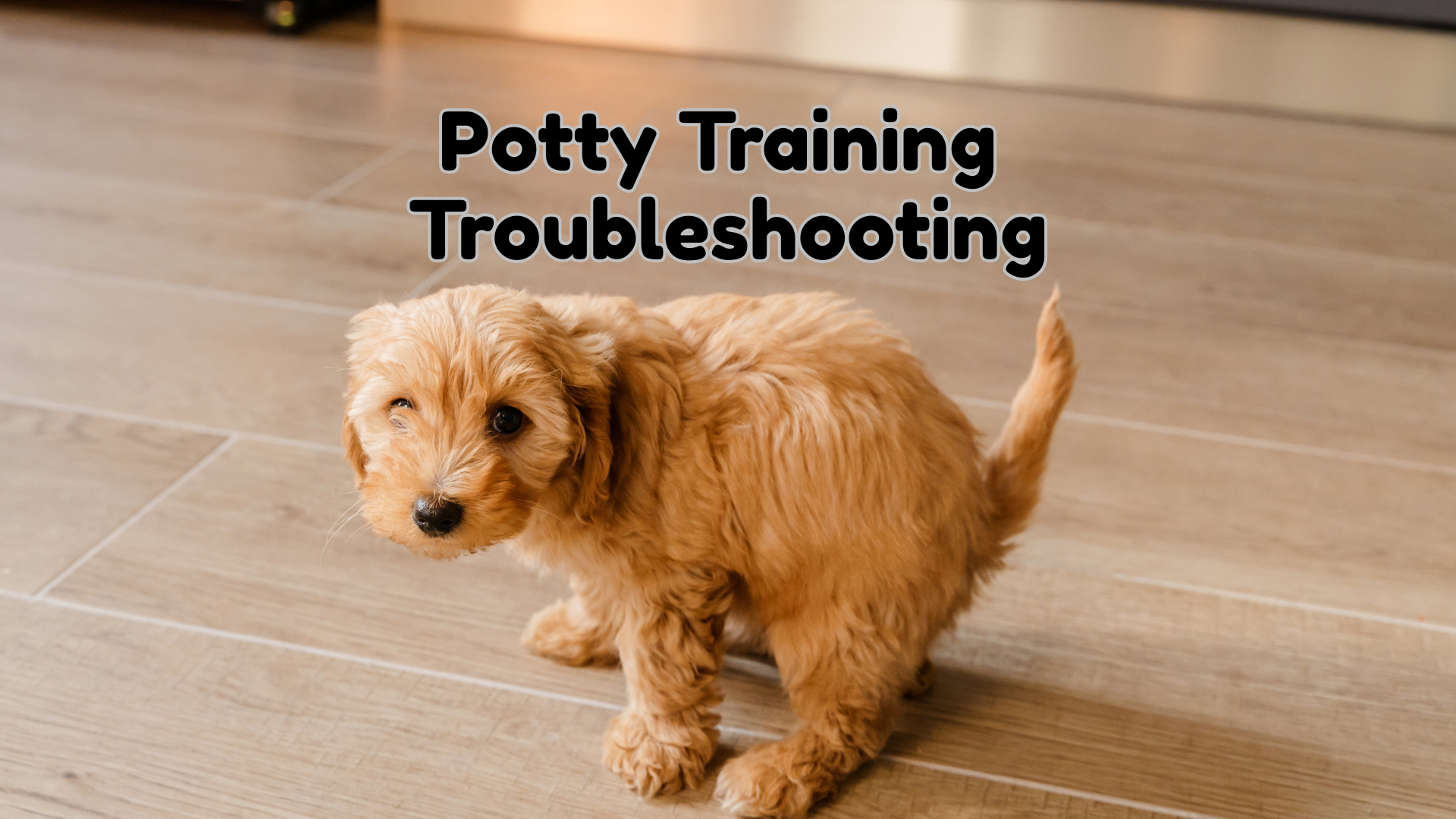
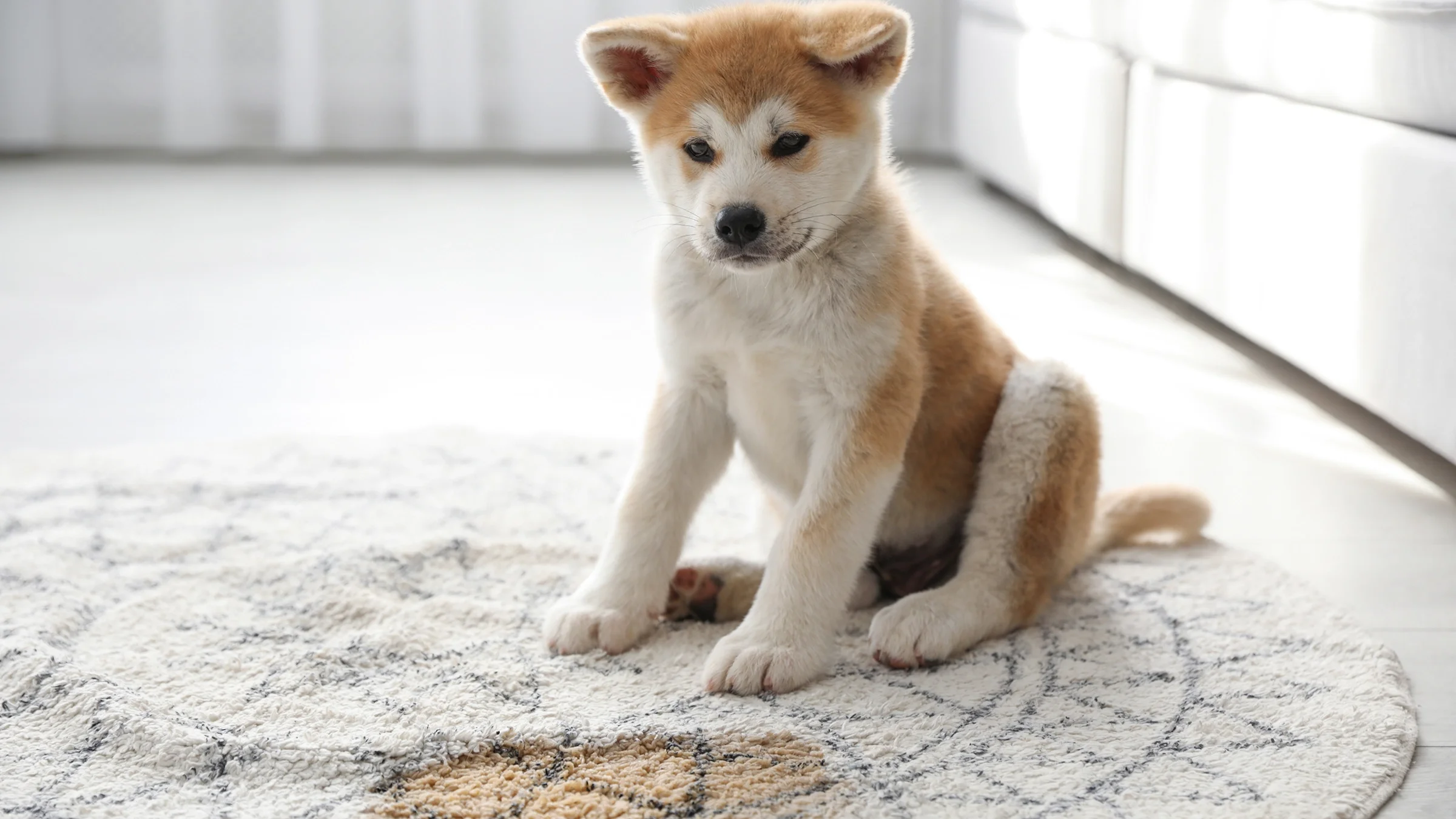
Sometimes, dogs forget house rules after being trained. This is called regression. Stress, illness, or changes in routine can cause this. Puppies and older dogs can both show this behavior. Returning to basics with gentle training and patience can help dogs remember where to go.
Credit: www.goodrx.com
Diet And Hydration
Diet and hydration play a big role in a dog’s bathroom habits. Changes in food or water intake can cause accidents inside the house. A sudden shift in diet or drinking habits might confuse your dog’s body. It can also affect how often your dog needs to urinate or defecate. Understanding these changes helps manage and prevent accidents.
Dietary Changes
Switching your dog’s food can upset their stomach. New ingredients might cause diarrhea or urgency. Even a small change can confuse your dog’s digestion. Some dogs need time to adjust to new diets. Sudden changes can lead to accidents indoors.
Excessive Water Intake
Drinking more water than usual means more bathroom breaks. Dogs may have accidents if they can’t hold it long enough. Hot weather or exercise can increase thirst. Certain health problems also cause excessive thirst. Watch for changes in how much your dog drinks.
Food Allergies
Food allergies can cause stomach upset and diarrhea. These reactions may lead to accidents inside the house. Common allergens include beef, dairy, and grains. Symptoms often include itching and digestive issues. A vet can help identify and manage allergies.
Environmental Triggers
Environmental triggers can cause your dog to have accidents indoors. Dogs are sensitive to changes around them. New sights, smells, and sounds affect their behavior. These changes can make your pet feel stressed or confused. Stress often leads to accidents inside the house. Understanding these triggers helps you manage your dog’s behavior better.
New Pets Or Family Members
Introducing a new pet or family member can unsettle your dog. Your dog may feel jealous or anxious. They may mark their territory by urinating indoors. Your dog might also seek extra attention. This stress can cause sudden accidents in the house. Watch for signs of tension and comfort your dog.
Changes In Household Dynamics
Changes like moving furniture or new routines confuse dogs. They thrive on consistency and routine. Any change can lead to anxiety and accidents. Loud noises or visitors may also stress your dog. These factors disrupt their normal bathroom habits. Keeping a calm environment helps reduce accidents.
Access To Outdoor Spaces
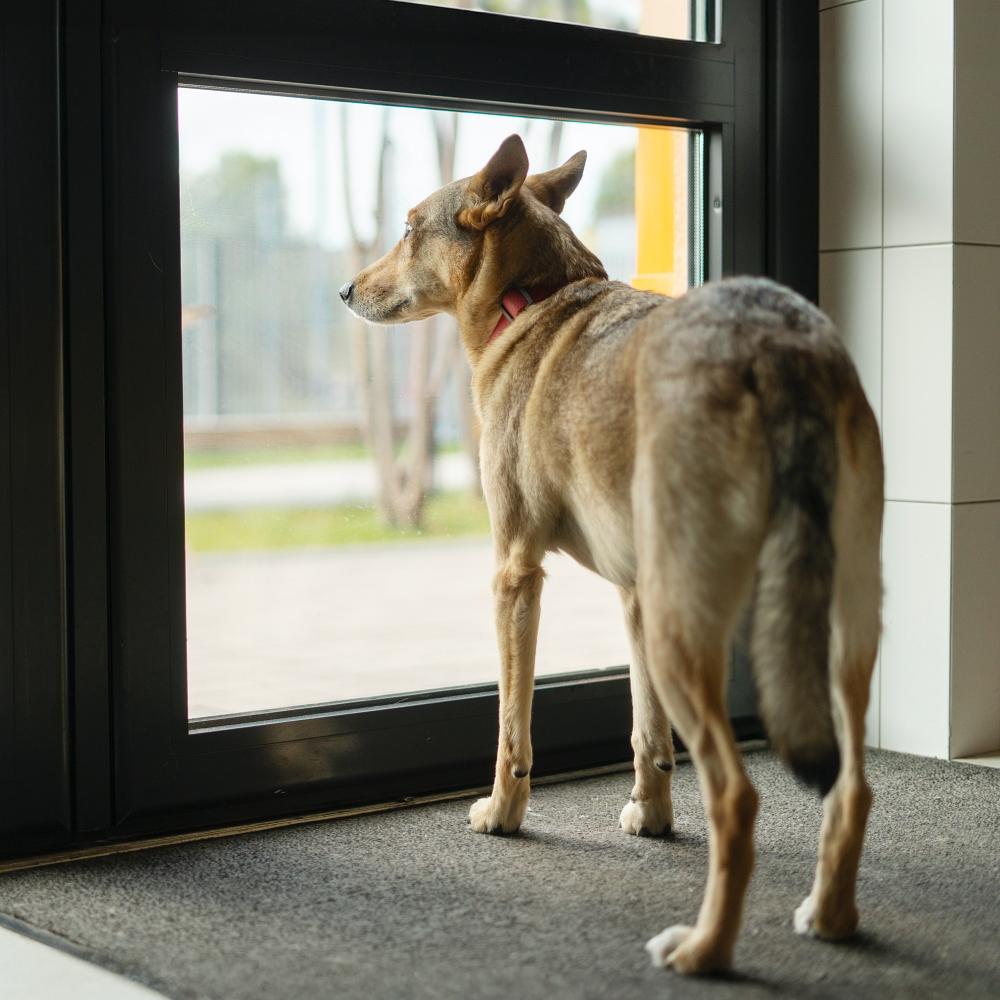
Limited or changed outdoor access affects your dog’s toileting habits. If your dog cannot go outside as usual, accidents may happen. New barriers or locked doors cause frustration. Dogs need regular opportunities to relieve themselves outdoors. Clear and easy access to outside areas prevents accidents inside.
When To See A Veterinarian
Noticing your dog having accidents indoors can be frustrating, but knowing when to seek veterinary help is crucial. Some causes require immediate medical attention to prevent worsening health. Understanding the signs that indicate a serious problem can save your pet’s life.
Identifying Serious Symptoms
Look out for changes beyond just accidents, such as increased thirst, frequent urination, or blood in the urine. If your dog seems lethargic, in pain, or has a fever, these are red flags. Sudden loss of appetite or vomiting alongside house accidents also demands urgent care.
Have you observed your dog straining to urinate or showing signs of discomfort? These symptoms might suggest a urinary tract infection or bladder stones that need prompt diagnosis. Ignoring them can lead to severe complications.
Diagnostic Tests
Your vet will likely start with a physical exam and ask detailed questions about your dog’s habits. Common tests include urinalysis, blood work, and sometimes imaging like X-rays or ultrasounds. These tests help pinpoint infections, kidney issues, or diabetes that might be causing accidents.
Diagnostic tests are not just about finding one problem; they also check for underlying issues that might be connected. For example, a urinary infection could be a symptom of diabetes. Wouldn’t you want a clear answer to prevent ongoing discomfort?
Treatment Options
Treatment depends on the diagnosis but often involves antibiotics for infections or special diets for bladder health. Your vet might also recommend medications to control conditions like diabetes or arthritis that affect your dog’s ability to hold urine. Sometimes, behavioral adjustments and training are combined with medical treatment.
It’s important to follow your vet’s instructions closely and report any changes in your dog’s condition. Have you noticed improvement once treatment started? Monitoring your dog helps catch any recurring issues early.
Preventive Measures
Preventing your dog from having accidents inside the house starts with understanding what might trigger this behavior. Taking proactive steps can help you avoid frustration and keep your home clean. Let’s look at some practical ways to reduce the chances of these accidents happening.
Regular Vet Checkups
Health issues often cause sudden accidents. Urinary tract infections, kidney problems, or even diabetes can make it hard for your dog to hold it in. Regular vet visits help catch these problems early before they become serious.
Have you noticed any changes in your dog’s drinking or bathroom habits? Mentioning these to your vet could reveal underlying health concerns. Keeping up with vaccinations and parasite control also supports your dog’s overall well-being.
Consistent Training Practices
Consistency is key when training your dog to go outside. Stick to a regular schedule for bathroom breaks, especially after meals and naps. Reward your dog immediately for going in the right place to reinforce good behavior.
If your dog is older or newly adopted, you might need to refresh training basics. Patience goes a long way here, as sudden changes can confuse your dog. Have you tried using a specific command or phrase to signal it’s time to go outside?
Maintaining A Stable Environment
Stress and anxiety often lead to indoor accidents. Changes like moving, new family members, or loud noises can unsettle your dog. Creating a calm, predictable environment helps your dog feel secure.
Try to keep feeding times and walks consistent. Provide a quiet space where your dog can relax. Do you think your dog might be feeling stressed? Observing their behavior closely can help you spot triggers you might not have noticed before.
Frequently Asked Questions
Why Is My Dog Having Accidents Suddenly?
Sudden accidents could be due to medical issues, anxiety, or changes in routine. Consult a vet to rule out health problems. Observe any environmental changes that might stress your dog. Addressing these concerns early can prevent further issues and ensure your pet’s well-being.
Can Stress Cause My Dog To Urinate Indoors?
Yes, stress can lead to indoor accidents. Changes like moving homes, new pets, or altered schedules can stress dogs. Identifying and reducing stressors can help. Gradual adjustments and positive reinforcement may ease your dog’s anxiety, reducing accidents.
Could Diet Changes Cause House Accidents In Dogs?
Yes, dietary changes can affect your dog’s bathroom habits. New foods may upset their stomach, leading to accidents. Gradual transitions to new diets can prevent digestive issues. Consult your vet for dietary advice tailored to your dog’s needs.
How Does Age Affect My Dog’s Bathroom Habits?
Aging can lead to decreased bladder control in dogs. Older dogs may develop incontinence or cognitive issues affecting their habits. Regular vet check-ups can help manage age-related changes. Providing easy access to outdoor areas can reduce accidents.
Conclusion
Sudden accidents in the house can signal health or behavior issues. Watch your dog closely to spot changes in habits or mood. Clean accidents quickly to prevent repeat spots. Keep a consistent schedule for walks and bathroom breaks. Consult a vet to rule out medical problems early.
Patience and care help your dog feel safe again. Understanding the cause is the first step to solving the problem. Your dog depends on your attention and support every day.

Emily Barker is the founder of ChillDogLife.com, a space dedicated to helping pup parents discover the best dog products, lifestyle tips, and cozy ideas for happier homes.
A lifelong dog lover, Emily combines her passion for pets with a knack for research to share trusted recommendations on everything from toys and furniture to health and everyday care.
Her goal is simple: to make life easier, stylish, and more joyful for dogs and the people who love them.




