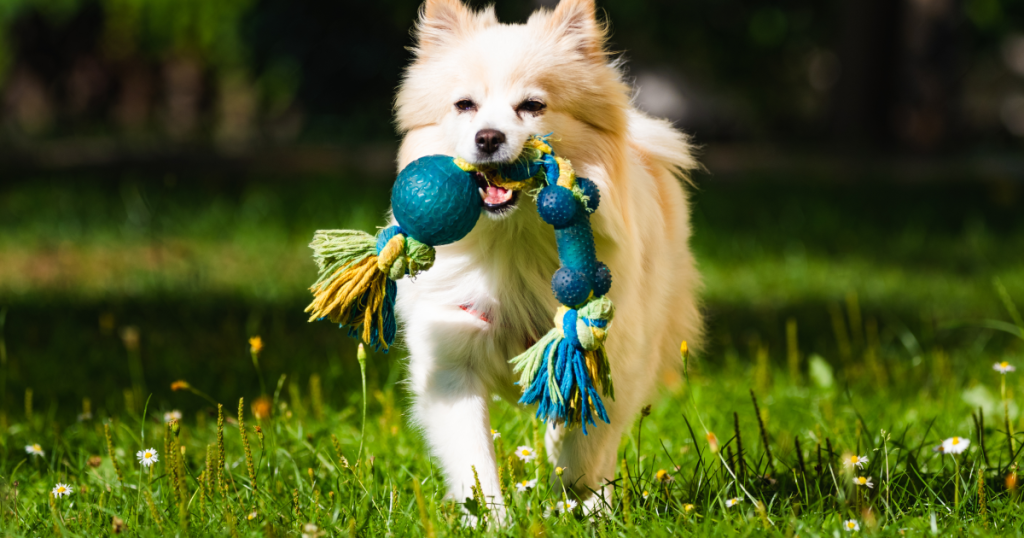
Have you ever noticed your dog whining while playing with a toy and wondered why? It can be confusing and even a little worrying when your furry friend makes those sounds during what should be a fun time.
Understanding why your dog whines can help you connect better with them and make playtime more enjoyable for both of you. Keep reading to discover the surprising reasons behind this behavior and how you can respond to your dog’s needs.

Credit: www.dwdogtraining.com
Common Reasons For Whining
Dogs often whine while playing with toys for several reasons. Understanding these reasons helps you respond well. Whining can mean different things depending on the situation and the dog’s mood.
Here are some common reasons your dog might whine during playtime.
Seeking Attention
Your dog may whine to get your focus. They want you to join the fun or give praise. Whining can be a way to say, “Look at me!” Dogs enjoy interaction and want to keep you involved.
Expressing Excitement
Whining can show that your dog feels happy and excited. Playtime is fun, and whining expresses that joy. It is like a happy sound that means, “This is great!” Excited dogs often make noises to show their energy.
Communicating Discomfort
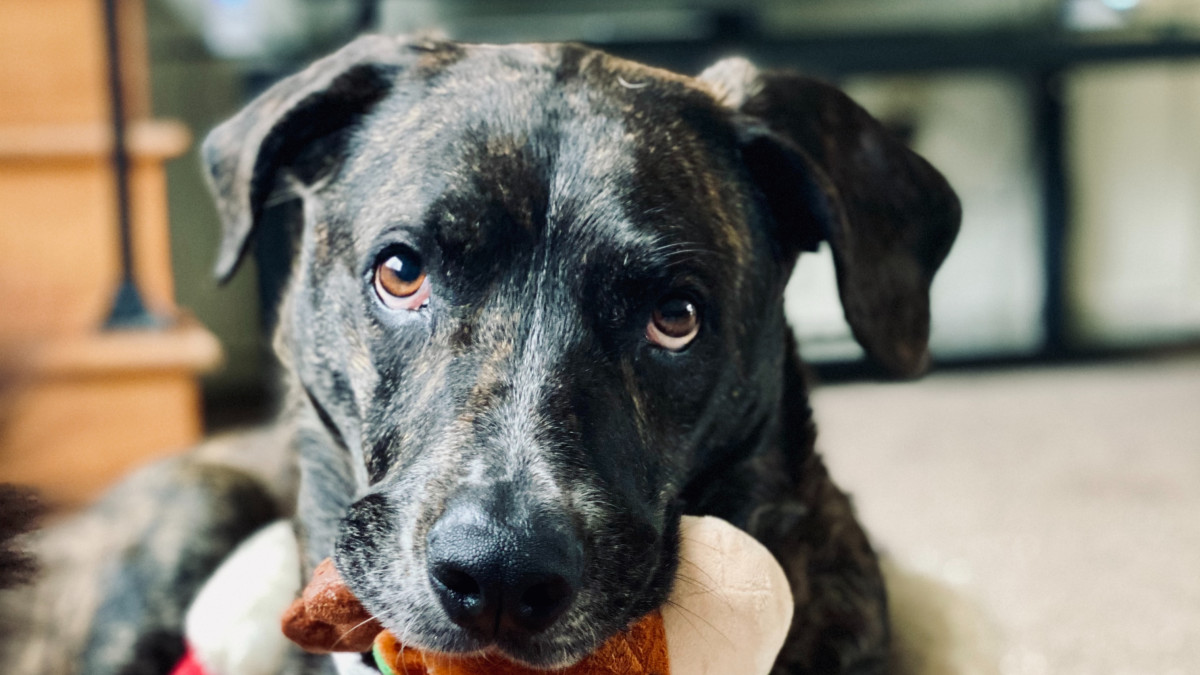
Sometimes whining means your dog feels pain or unease. A toy might be too hard or cause a sore spot. Whining warns you that something is wrong or uncomfortable. Watch for signs of injury or stress during play.
Credit: pethelpful.com
Emotional Triggers Behind Whining
Dogs use whining as a way to express their feelings. While playing with a toy, whining can show various emotions. Understanding these emotional triggers helps improve your bond with your pet. It also guides you in managing their behavior better.
Anxiety And Stress
Whining can signal anxiety or stress during playtime. Some dogs feel unsure about certain toys or environments. They may worry about losing their toy or being interrupted. This stress causes them to whine as a way to seek comfort. Recognizing anxiety helps calm your dog and make playtime fun again.
Frustration During Play
Frustration often causes whining while playing. Your dog might struggle to catch or hold a toy. This can be upsetting, especially for active or smart dogs. Whining shows their disappointment or desire for help. Offering encouragement or easier toys reduces frustration and stops whining.
Overstimulation
Play can sometimes become too intense for dogs. Overstimulation leads to excitement mixed with nervous energy. Whining occurs as a way to release this tension. Watching your dog’s body language helps spot overstimulation early. Pausing play or switching to calm activities lowers stress and whining.
Physical Causes Of Whining
Dogs often whine during play for several physical reasons. Understanding these causes helps you care for your pet better. Whining can signal discomfort or other physical states that need attention. Recognizing the signs early improves your dog’s well-being and comfort.
Pain Or Injury
Whining may mean your dog feels pain. Playing with a toy can sometimes cause small injuries. A paw might get hurt or a joint might ache. Dogs use whining to tell you something is wrong. Watch for limping or avoiding certain moves during play.
Tiredness And Fatigue
Whining can show your dog is tired. Play needs energy, and dogs get tired quickly. When muscles get tired, whining may start. Your dog might want to rest but still feel excited. Giving breaks helps your dog recover and enjoy playtime more.
Sensory Sensitivities
Some dogs have strong reactions to sounds or textures. Toys can make noises or feel strange to sensitive dogs. This can cause whining during play. Sensory sensitivity means your dog is uncomfortable but not hurt. Choosing softer or quieter toys may reduce whining.

Credit: www.skipperspetproducts.com
Behavioral Factors
Understanding why your dog whines while playing with a toy involves looking at behavioral factors. Dogs use whining as a form of communication. It can express excitement, frustration, or a desire for attention. Observing these behaviors helps decode your dog’s feelings during playtime.
Learned Whining Habits
Dogs quickly learn which behaviors get a reaction from their owners. Whining might bring you closer or prompt you to play more. Over time, your dog may whine because it expects a reward or attention. This habit forms when whining consistently leads to positive outcomes.
Seeking Control During Play
Some dogs use whining to take charge of the play session. They may want to change the game or control the toy. Whining can signal a request to switch roles or stop an unwanted move. This behavior shows their attempt to manage the interaction.
Reaction To Toy Type
Different toys can cause different reactions. Squeaky or noisy toys often trigger whining due to excitement or frustration. Soft toys might lead to gentle whining, while tougher toys might cause frustration noises. Your dog’s whining varies depending on the toy’s texture and sound.
How To Respond To Whining
Knowing how to respond when your dog whines while playing with a toy can change the way you interact and strengthen your bond. Your reaction can either calm your dog or increase their anxiety. It’s important to understand the reason behind the whining and respond thoughtfully.
Observing And Assessing
Start by watching your dog closely. Is the whining mixed with excitement, frustration, or discomfort? Notice if it happens only with certain toys or during specific play moments.
Ask yourself: Is your dog trying to tell you something? Maybe they want you to join in or they’re unsure about the toy. Understanding the context helps you decide the best approach.
Positive Reinforcement Techniques
Encourage calm behavior by rewarding your dog when they play quietly. Use treats or praise to show them that relaxed play gets your attention.
If your dog whines, avoid giving the toy or attention immediately. Wait for a pause in whining, then reward. This teaches them that quiet play is more rewarding than whining.
- Offer a favorite treat when your dog stops whining during play.
- Use a calm voice to praise them for gentle behavior.
- Redirect their focus to a different activity if whining persists.
When To Consult A Vet Or Trainer
If whining seems excessive or linked to pain, don’t ignore it. Sometimes, whining during play signals an injury or discomfort you can’t see.
Professional trainers can help if your dog’s whining is due to anxiety or behavioral issues. They can guide you with tailored strategies for your dog’s needs.
Have you noticed any other signs like limping or changes in appetite? These clues can help you decide if a vet visit is necessary.
Preventing Unwanted Whining
Preventing unwanted whining during playtime improves your dog’s happiness. It also helps create a calm and fun environment for both of you. Understanding your dog's needs and reactions is key to stopping whining early.
Choosing Appropriate Toys
Select toys that match your dog’s size and chewing style. Soft toys suit gentle chewers, while tougher toys fit strong jaws. Toys with varied textures keep your dog interested and less likely to whine. Avoid toys that cause frustration or discomfort.
Structured Play Sessions
Set clear playtime limits to avoid overexcitement. Use short, frequent sessions to keep your dog focused and calm. Teach your dog to take breaks during play to reduce stress. Consistent routines help your dog understand when play starts and ends.
Building Confidence And Comfort
Encourage calm behavior with praise and treats. Introduce new toys slowly to prevent anxiety. Create a safe space where your dog feels relaxed during play. Confidence reduces whining and helps your dog enjoy play more fully.
Frequently Asked Questions
Why Does My Dog Whine With Toys?
Dogs often whine while playing with toys due to excitement or frustration. It’s their way of expressing emotions. This behavior can also stem from a desire for attention or wanting to play. Observing your dog's body language can help you understand the reason behind the whining.
Is Whining A Sign Of Stress In Dogs?
Yes, whining can indicate stress in dogs. It might happen if the toy is new or challenging. Stress-related whining may also occur if the environment is unfamiliar. Providing a comfortable space and familiar toys can help reduce stress.
Can Whining Indicate My Dog Is Hurt?
Whining while playing might suggest discomfort or pain. If your dog yelps or seems reluctant to play, consult a vet. Sudden changes in behavior, such as whining, can be a sign of an underlying health issue.
How Can I Stop My Dog From Whining?
To reduce whining, ensure your dog gets enough exercise and mental stimulation. Engage in interactive play sessions and provide puzzle toys. Consistent training and positive reinforcement can also help manage excessive whining during playtime.
Conclusion
Dogs whine while playing for many simple reasons. Sometimes, they feel excited or want attention. Other times, whining shows they need help or feel unsure. Watching your dog closely helps you understand their needs. Playtime becomes more fun and safe this way.
Remember, every dog is different and may whine for unique reasons. Stay patient and kind as you learn your dog’s signals. This helps build a stronger bond and happier play moments together.

Emily Barker is the founder of ChillDogLife.com, a space dedicated to helping pup parents discover the best dog products, lifestyle tips, and cozy ideas for happier homes.
A lifelong dog lover, Emily combines her passion for pets with a knack for research to share trusted recommendations on everything from toys and furniture to health and everyday care.
Her goal is simple: to make life easier, stylish, and more joyful for dogs and the people who love them.




