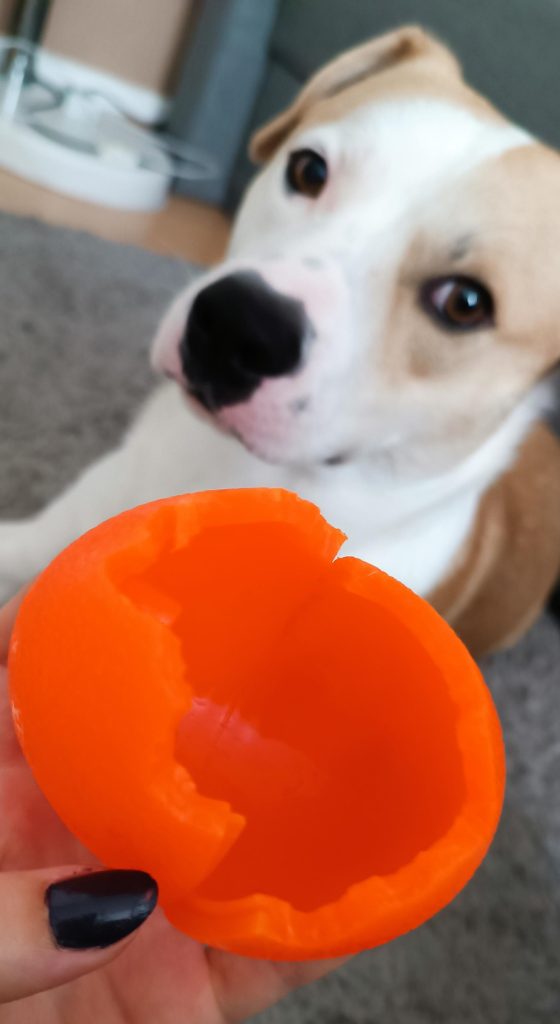
Have you ever noticed your dog chewing her toys right on top of you? It can feel strange or even a little frustrating.
You might wonder why she chooses to do this instead of playing alone. Understanding this behavior can help you connect better with your furry friend and make playtime more enjoyable for both of you. Keep reading to discover the surprising reasons behind this habit and what it means for your bond with your dog.
Dog Chewing Behavior
Understanding why your dog chews her toys on you can shed light on her behavior and needs. Chewing is a natural activity for dogs, but the way they choose to chew can tell you a lot about their emotions and development. Let’s dive into the reasons behind this habit so you can respond with patience and care.
Natural Instincts
Chewing is deeply rooted in a dog’s natural instincts. Dogs use their mouths to explore the world, similar to how humans use their hands. This behavior helps them learn about textures, tastes, and even keeps their jaws strong.
Have you noticed your dog’s preference for certain types of toys? This often reflects their instinctual desire to mimic hunting and chewing on bones. Providing safe chew toys satisfies these instincts and keeps your dog from chewing on inappropriate items.
Teething Phase
Puppies go through a teething phase that usually lasts until they are about six months old. During this time, chewing helps relieve the discomfort of emerging adult teeth. Your dog might chew more vigorously on toys or even on you as a way to soothe sore gums.
If your puppy is chewing on your hands or clothes, offering a cold or frozen chew toy can ease their discomfort. This simple solution redirects their need to chew and protects you from accidental nips.
Boredom And Anxiety
Chewing can also be a response to boredom or anxiety. Dogs left alone for long periods or those without enough mental stimulation often turn to chewing as a way to pass time or calm themselves. This can sometimes explain why your dog chews her toys while sitting close to you.
Have you tried increasing your dog’s exercise or introducing puzzle toys? These activities can reduce anxiety and boredom, making chewing less compulsive. Watching your dog relax instead of obsessively chewing can be a rewarding experience for both of you.

Credit: www.reddit.com
Why Dogs Chew On Owners
Dogs often chew on their owners in ways that leave us wondering about their intentions. This behavior is more than just playful or annoying—it’s a form of communication. Understanding why your dog chews on you can strengthen your bond and help you respond appropriately.
Seeking Attention
Sometimes, your dog chews on you because they want your attention. If you’re busy or distracted, chewing might be their way of saying, “Hey, look at me!”
Try observing when the chewing happens. Does it occur more when you’re on your phone or working? If so, your dog might be asking for a quick play session or some petting.
Instead of pushing them away, offer a toy or engage in a short game to redirect their focus. This teaches them a positive way to get your attention without using their teeth on your skin.
Showing Affection
Your dog’s chewing can also be a gentle way of showing love. Just like humans might hug or hold hands, dogs use their mouths to express closeness.
I once noticed my dog softly nibbling my hand after a long day—never hard or aggressive, just a tender gesture. It felt like her way of saying she missed me.
Recognize these moments and respond with calm petting or kind words. This helps your dog understand that affectionate chewing is a language you both share.
Exploring The Environment
Dogs explore the world through their mouths, especially when they’re young or curious. Chewing on your hand or clothes can be their way of learning about you.
Think about how babies put things in their mouths to understand texture and taste. Dogs do something similar, using chewing as a tool to gather information.
Provide plenty of safe chew toys and rotate them regularly. This gives your dog options to satisfy their curiosity without involving your body as the “test subject.”
Toys And Their Appeal
Understanding why your dog chooses to chew her toys on you starts with recognizing what makes those toys so appealing. Toys aren’t just playthings; they serve multiple roles that satisfy your dog’s natural instincts and emotional needs. Let’s take a closer look at what draws your dog to chew her toys, especially when you’re around.
Texture And Taste
Dogs explore the world with their mouths, so the texture of a toy plays a big role in their interest. Some toys have soft, rubbery surfaces that feel good on their teeth and gums, while others might be tougher and more challenging to chew. You may notice your dog prefers certain toys because they offer a satisfying crunch or resistance.
Taste also matters. Many toys are flavored with ingredients like peanut butter or chicken to keep dogs engaged. Have you ever seen your dog drop a toy after a few minutes, only to come back to one with a stronger scent or flavor? That’s a clear sign taste and texture impact their preference.
Scent Marking
Dogs have an incredible sense of smell, and scent marking is a natural behavior. When your dog chews her toys around you, she might be mixing her own scent with yours, creating a shared “territory.” This bond-building through scent is a subtle but powerful way dogs feel connected.
Think about how your dog’s favorite toy often carries your scent. That familiar smell can calm her and make playtime more enjoyable. Have you noticed your dog choosing a toy you’ve recently handled over others? That’s scent marking in action.
Comfort And Security
Toys can provide more than just fun—they offer comfort and security. When your dog chews on her toys while close to you, it’s often a sign she feels safe and relaxed. The act of chewing releases endorphins, which help reduce stress and anxiety.
Maybe you’ve seen your dog clutch a particular toy during quiet moments or after a busy day. That toy becomes a source of reassurance, much like a security blanket for a child. What toys does your dog reach for when she needs to settle down?

Credit: www.reddit.com
Signs Of Stress Or Discomfort
Noticing your dog chewing her toys on you can be more than just a quirky habit. It might be a subtle sign that she’s feeling stressed or uncomfortable. Understanding these signals helps you respond with care and improve her well-being.
Excessive Chewing
Does your dog chew her toys more than usual and often right next to you? This behavior can indicate anxiety or stress. Dogs sometimes use chewing as a way to self-soothe when they feel uneasy.
If you see her focusing intensely on her toys and ignoring other activities, it might be a red flag. Ask yourself: has anything changed recently in her environment that could be causing her stress?
Changes In Behavior
Have you noticed your dog acting differently besides chewing more? She might be more withdrawn, restless, or even clingy. These shifts in behavior often accompany feelings of discomfort or insecurity.
For example, a usually calm dog suddenly becoming overly vocal or pacing could be trying to tell you something. Watch closely for signs like avoiding eye contact or refusing to play, which might suggest emotional distress.
Physical Health Issues
Sometimes, chewing on toys near you is linked to physical pain or discomfort. Dental problems, skin irritation, or even digestive issues can cause your dog to seek relief through chewing.
Have you checked her teeth and gums recently? If chewing is paired with other signs like drooling, bad breath, or licking paws, a vet visit might be necessary to rule out health problems.
How To Manage Chewing On You
Managing your dog’s habit of chewing on you can feel challenging, but with clear strategies, you can guide your furry friend toward better behavior. It’s important to understand that chewing is a natural activity for dogs, often linked to teething, boredom, or seeking attention. The key is to teach your dog the right outlets for this behavior and reward positive choices consistently.
Redirecting To Appropriate Toys
Whenever your dog starts chewing on you, gently redirect her attention to a toy she’s allowed to chew. Keep a variety of chew toys within reach so you can quickly offer an alternative. You might say, “Here, chew this,” and physically replace your hand with the toy to make the transition clear.
Consistency is crucial. If you let her chew on you sometimes and toys other times, she’ll get confused. Have you noticed which toys she prefers? Offering her favorites can make redirection smoother and more effective.
Positive Reinforcement
Catch your dog in the act of chewing on her toys and immediately praise her with a happy tone or a treat. Dogs learn faster when they connect good behavior with positive outcomes. This will encourage her to choose toys over your fingers.
Try to reward her quickly to link the behavior and the treat in her mind. Have you ever used treats as a reward? If not, this simple step might surprise you with how well it works to shape behavior.
Providing Mental Stimulation
Chewing often happens because dogs are bored or restless. Adding mental challenges like puzzle feeders or training sessions can tire her out mentally and reduce the urge to chew on you. This keeps her mind busy and satisfies her natural instincts.
Think about how much time your dog spends alone or inactive. Could adding interactive toys or short training games during the day make a difference? Offering these outlets can keep her engaged and less likely to target your hands for chewing.
When To Consult A Vet Or Trainer
Knowing when to seek help from a vet or trainer is key for your dog’s well-being. Chewing toys on you might seem normal, but it can signal deeper issues. Early guidance helps prevent problems from growing.
Watch your dog’s behavior closely. Some signs mean professional advice is needed. Don’t wait too long to act. Your dog’s comfort and safety matter most.
Persistent Aggression
Chewing can turn aggressive, showing teeth or growling. This behavior may frighten you or others. Aggression that lasts more than a few days needs expert help. Trainers can teach safe ways to manage this behavior.
Destructive Chewing
Chewing furniture, clothes, or walls is a red flag. This kind of chewing harms your home and stresses your dog. It might mean anxiety or boredom. Trainers help create better habits and keep your dog busy.
Underlying Medical Conditions
Sometimes, chewing is more than a habit. Pain, dental issues, or skin problems can cause discomfort. Your dog may chew to soothe itself. A vet checkup rules out health problems and guides treatment.

Credit: www.ellevetsciences.com
Frequently Asked Questions
Why Does My Dog Prefer Chewing Toys On Me?
Dogs often seek comfort and security from their owners. Chewing toys on you provides them with a sense of safety. Your presence can be calming and reassuring for them. This behavior also strengthens your bond, showing trust and affection. It’s a dog’s way of sharing their playtime with you.
Is It Normal For Dogs To Chew On People?
Yes, it’s normal, especially in puppies. Chewing helps relieve teething discomfort and explore their environment. For older dogs, it’s often a sign of affection or seeking attention. However, consistent chewing on people should be discouraged to prevent injuries. Redirect them to appropriate toys and praise positive behavior.
How Can I Stop My Dog From Chewing On Me?
To stop this behavior, provide plenty of chew toys. Redirect their attention to these toys when they try to chew on you. Consistently reward them for using toys instead of you. Training and positive reinforcement are key. If the behavior persists, consult a professional trainer for guidance.
Why Do Dogs Chew On Personal Items?
Dogs chew on personal items because they carry your scent. Your scent is comforting and familiar to them. They might also chew due to boredom or anxiety. Providing them with engaging toys and regular exercise can help. Ensure they have a variety of chew toys to keep them occupied.
Conclusion
Dogs chew their toys on you for many reasons. It shows trust and love. They may also seek attention or feel playful. Understanding this helps you connect better. Offer safe toys and gentle guidance. Enjoy these moments—they build your bond.
Keep watching your dog’s behavior closely. It helps keep them happy and healthy. Simple care makes a big difference. Your dog’s chewing is a sign of affection. Embrace it with patience and kindness.

Emily Barker is the founder of ChillDogLife.com, a space dedicated to helping pup parents discover the best dog products, lifestyle tips, and cozy ideas for happier homes.
A lifelong dog lover, Emily combines her passion for pets with a knack for research to share trusted recommendations on everything from toys and furniture to health and everyday care.
Her goal is simple: to make life easier, stylish, and more joyful for dogs and the people who love them.




