
Have you ever caught your dog sucking on their toys and wondered why they do it? It might seem a little odd or even confusing at first.
But don’t worry—your furry friend isn’t acting strange without a reason. Understanding why your dog sucks on toys can help you connect better with them and even spot if something needs your attention. Keep reading, because uncovering this simple behavior could change the way you see your dog’s needs and feelings.
Common Reasons Dogs Suck On Toys
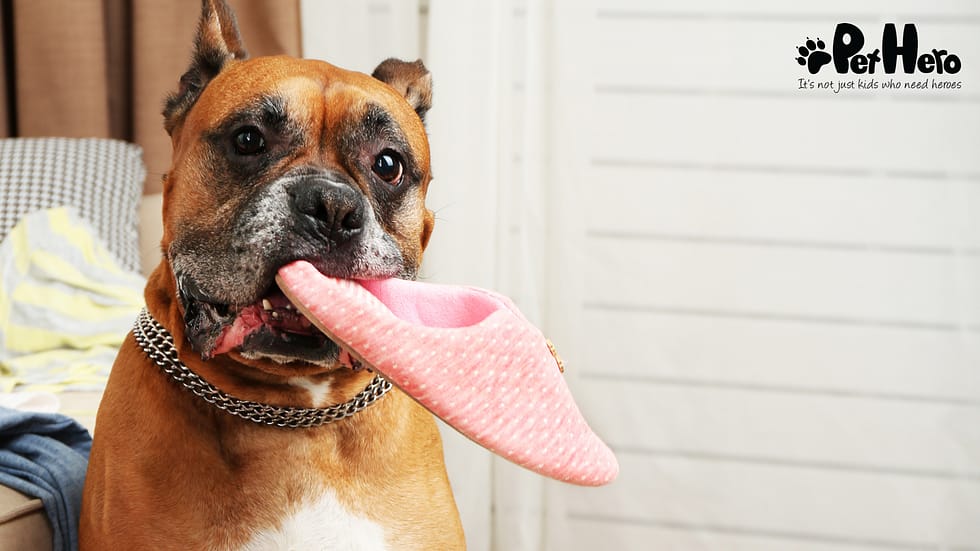
Many dogs suck on toys for different reasons. This behavior can seem strange, but it often serves a purpose for your pet. Understanding why dogs suck on toys helps you care for them better. Here are some common reasons behind this habit.
Comfort And Security
Sucking on toys can give dogs a sense of comfort. It reminds them of their time with their mother and littermates. This action often helps calm nervous or shy dogs. It creates a feeling of safety in an unfamiliar or stressful place. The toy becomes a source of reassurance for your dog.
Teething Relief
Puppies suck on toys to ease teething pain. Their gums feel sore as new teeth grow in. The pressure from sucking helps reduce discomfort. Chewing and sucking on soft toys can soothe their irritated gums. This is a natural way for puppies to cope with growing pains.
Boredom And Anxiety
Dogs may suck on toys when they feel bored or anxious. It serves as a distraction and keeps them busy. This behavior helps reduce stress and nervous energy. Dogs left alone or without enough activity often develop this habit. It acts as a simple coping mechanism to pass time.

Credit: www.reddit.com
Behavioral Factors Behind Toy Sucking
Understanding why your dog sucks on toys can help you address this behavior effectively. Many times, this action stems from underlying behavioral factors that shape how your dog interacts with their environment. Recognizing these factors can guide you in supporting your dog's emotional and mental well-being.
Habit Formation
Dogs often develop habits simply because they find certain actions comforting or enjoyable. Sucking on toys can become a routine behavior, especially if it started during puppyhood when they were weaning. Once established, this habit may persist because it soothes them or helps pass the time.
Think about your dog’s daily routine. Do they tend to suck on toys when they’re alone or feeling bored? You might notice that providing alternative activities or more interaction can reduce this habit.
Attention-seeking Behavior
Sometimes, your dog might suck on toys to get your attention. If you react strongly—whether by laughing, scolding, or playing with them—they learn that this action brings you closer. This can unintentionally reinforce the behavior.
Ask yourself: does your dog engage in this behavior more when you’re busy or not paying attention? Try observing their patterns and respond with calm, positive reinforcement when they choose other ways to connect.
Past Experiences
Your dog’s history plays a big role in their current behaviors. Dogs who were separated from their mothers too early or faced stressful situations might suck on toys as a coping mechanism. This action can mimic the comfort they once received from nursing or close contact.
Consider your dog’s background—rescue dogs especially may use toy sucking as a way to feel safe. Patience and gentle reassurance can help them feel more secure over time, reducing the need for this self-soothing behavior.
Health-related Causes
Dogs often suck on toys due to health reasons. These behaviors can signal discomfort or needs that require attention. Understanding these causes helps ensure your pet stays healthy and happy.
Oral Discomfort
Oral pain can make dogs chew or suck on toys more than usual. Problems like teething, gum disease, or tooth decay cause irritation. Sucking on toys soothes the pain or eases pressure in their mouths. Watch for signs such as drooling, bad breath, or reluctance to eat. These symptoms suggest your dog needs a dental checkup.
Nutritional Deficiencies
Sometimes dogs suck on toys because of missing nutrients in their diet. Lack of minerals like calcium or vitamins can lead to unusual chewing behaviors. Dogs try to get relief or fulfill these needs by sucking on objects. A balanced diet supports overall health and reduces these habits. Consult your vet to check if your dog’s food is meeting all nutritional needs.
Breed And Age Influences
Breed and age play key roles in why dogs suck on toys. Younger dogs often explore the world through their mouths. Different breeds show unique behaviors that can explain this habit.
Puppy Sucking Tendencies
Puppies suck on toys as a comfort behavior. This action reminds them of nursing from their mother. It helps reduce stress and anxiety in new environments. Sucking also soothes teething pain as new teeth grow in. Puppies may keep this habit longer if they were separated early from their mother.
Breed-specific Behaviors
Certain breeds have stronger sucking or mouthing instincts. For example:
- Terriers often use their mouths to explore and play.
- Retrievers may suck on toys as part of their retrieving instinct.
- Small breeds sometimes suck on toys for comfort or warmth.
These natural tendencies vary from breed to breed. Understanding your dog's breed traits helps explain their toy-sucking habits.
When Toy Sucking Becomes A Problem
Toy sucking can be a cute habit for dogs. It often shows comfort or relaxation. But sometimes, this behavior can grow too much. It may start to affect your dog’s health or daily life. Watching closely helps catch these changes early.
Signs Of Excessive Sucking
- Your dog spends hours sucking on one toy daily.
- They ignore food or play to keep sucking.
- The toy shows heavy wear or damage from constant chewing.
- Restlessness or anxiety appears without the toy nearby.
- Your dog tries to suck on other objects, not just toys.
Potential Health Risks
- Worn toys can break, causing choking hazards.
- Swallowing small pieces can block the digestive tract.
- Constant sucking may lead to mouth sores or infections.
- It may signal stress or boredom that needs attention.
- Ignoring these signs can worsen behavior or health issues.
Managing And Redirecting The Behavior
Managing and redirecting your dog’s toy-sucking behavior takes patience and understanding. It’s important to provide the right outlets and guidance to keep your pup happy and healthy. Let’s look at practical ways to offer alternatives and encourage better habits.
Providing Appropriate Toys
Choose toys designed for chewing and sucking, like soft rubber or plush toys made for comfort. Avoid hard toys that might damage teeth if your dog sucks aggressively.
Rotate toys regularly to keep your dog interested and engaged. Sometimes, a new texture or shape is all it takes to shift their focus.
Have you noticed which toys your dog prefers to suck on? Use that preference to select similar safe options that satisfy their urge.
Increasing Physical And Mental Stimulation
Dogs often suck on toys when they’re bored or under-stimulated. Adding daily walks, playtime, and training sessions can reduce this behavior.
Introduce puzzle feeders or treat-dispensing toys to challenge your dog’s mind. Mental exercise tires them out just as much as physical activity.
Ask yourself: Is your dog getting enough exercise? Sometimes a quick extra run or a game of fetch can make a big difference.
Training Techniques
Use positive reinforcement to teach your dog when and where sucking on toys is okay. Reward calm behavior with treats or praise.
If your dog starts sucking inappropriately, gently redirect their attention to an approved toy. Consistency is key to helping them learn.
Try using commands like “leave it” or “drop it” to interrupt unwanted sucking. Practice these commands daily to build strong responses.
When To Consult A Veterinarian Or Behaviorist
If you notice your dog frequently sucking on toys, it’s important to consider when this behavior might signal a deeper issue. Sometimes, this habit is harmless and simply comforting. However, there are moments when consulting a professional can make a big difference for your dog’s health and happiness.
Identifying Underlying Medical Issues
Persistent sucking on toys can sometimes point to physical discomfort. Has your dog recently changed eating habits or shown signs of pain? Dental problems, gastrointestinal issues, or even nutritional deficiencies can cause unusual oral behaviors.
Watch for other symptoms like drooling, bad breath, or reluctance to chew regular food. If these signs appear alongside the sucking habit, it’s time to visit your veterinarian. Early detection of medical issues can prevent more serious problems later on.
Professional Behavior Intervention
If your dog’s sucking seems more linked to anxiety or boredom, a behaviorist can help. Have you noticed this behavior intensify during stressful times like thunderstorms or when you’re away? A behavior specialist can work with you to develop strategies that reduce anxiety and provide healthier outlets for your dog’s energy.
Sometimes, simple changes like more exercise or interactive toys can help, but professional guidance ensures you’re addressing the root cause. Don’t hesitate to ask about training techniques or environmental adjustments that suit your dog’s unique personality and needs.

Credit: www.reddit.com
Credit: pethero.co.za
Frequently Asked Questions
Why Does My Dog Suck On Toys?
Dogs suck on toys for comfort and security. It mimics the nursing behavior from puppyhood. This habit can soothe anxiety and provide a sense of familiarity. If it becomes obsessive, consider consulting a vet. Ensuring your dog has appropriate toys can prevent destructive behaviors.
Is Toy Sucking Normal For Dogs?
Yes, toy sucking is normal and common among dogs. It often serves as a self-soothing behavior. Dogs find comfort and relaxation through this habit. If your dog seems happy and healthy, there’s usually no cause for concern. Always monitor for any changes in behavior.
Should I Be Concerned About Toy Sucking?
Toy sucking is usually harmless. It becomes concerning if it’s obsessive or affects health. Excessive sucking might indicate anxiety or stress. Ensure your dog has a balanced routine and plenty of exercise. Consult a vet if you’re worried about underlying issues.
How Can I Reduce My Dog’s Toy Sucking?
To reduce toy sucking, provide mental stimulation and exercise. Engage your dog with interactive toys and activities. Establish a consistent routine to alleviate anxiety. Positive reinforcement can help redirect this behavior. Consult a professional if needed.
Conclusion
Dogs suck on toys for comfort, fun, or to explore. This behavior is normal and shows their playful side. Watching your dog helps you understand their needs better. Give safe toys to keep them happy and healthy. Remember, patience and care build a strong bond with your pet.
Enjoy the little moments and cherish your dog’s unique habits.

Emily Barker is the founder of ChillDogLife.com, a space dedicated to helping pup parents discover the best dog products, lifestyle tips, and cozy ideas for happier homes.
A lifelong dog lover, Emily combines her passion for pets with a knack for research to share trusted recommendations on everything from toys and furniture to health and everyday care.
Her goal is simple: to make life easier, stylish, and more joyful for dogs and the people who love them.




