Have you ever caught your dog chewing on your other dog’s ears and wondered why? It might seem strange or even a little worrying.
But there’s more to this behavior than meets the eye. Understanding why your dog does this can help you keep both pets happy and healthy. Keep reading, and you’ll discover the surprising reasons behind this curious habit—and what you can do about it.
Credit: www.goodrx.com
Common Reasons Dogs Chew Ears
Dogs chewing each other’s ears is a common sight in many homes with more than one pet. This behavior might seem odd or concerning at first. Understanding the reasons behind it helps pet owners respond appropriately. Dogs use chewing as a way to communicate and interact with each other.
Chewing ears can be part of normal dog behavior. It often shows care or a social connection between dogs. Sometimes, it might signal other needs like attention or grooming. Recognizing these motives helps keep your dogs happy and healthy.
Natural Grooming Behavior
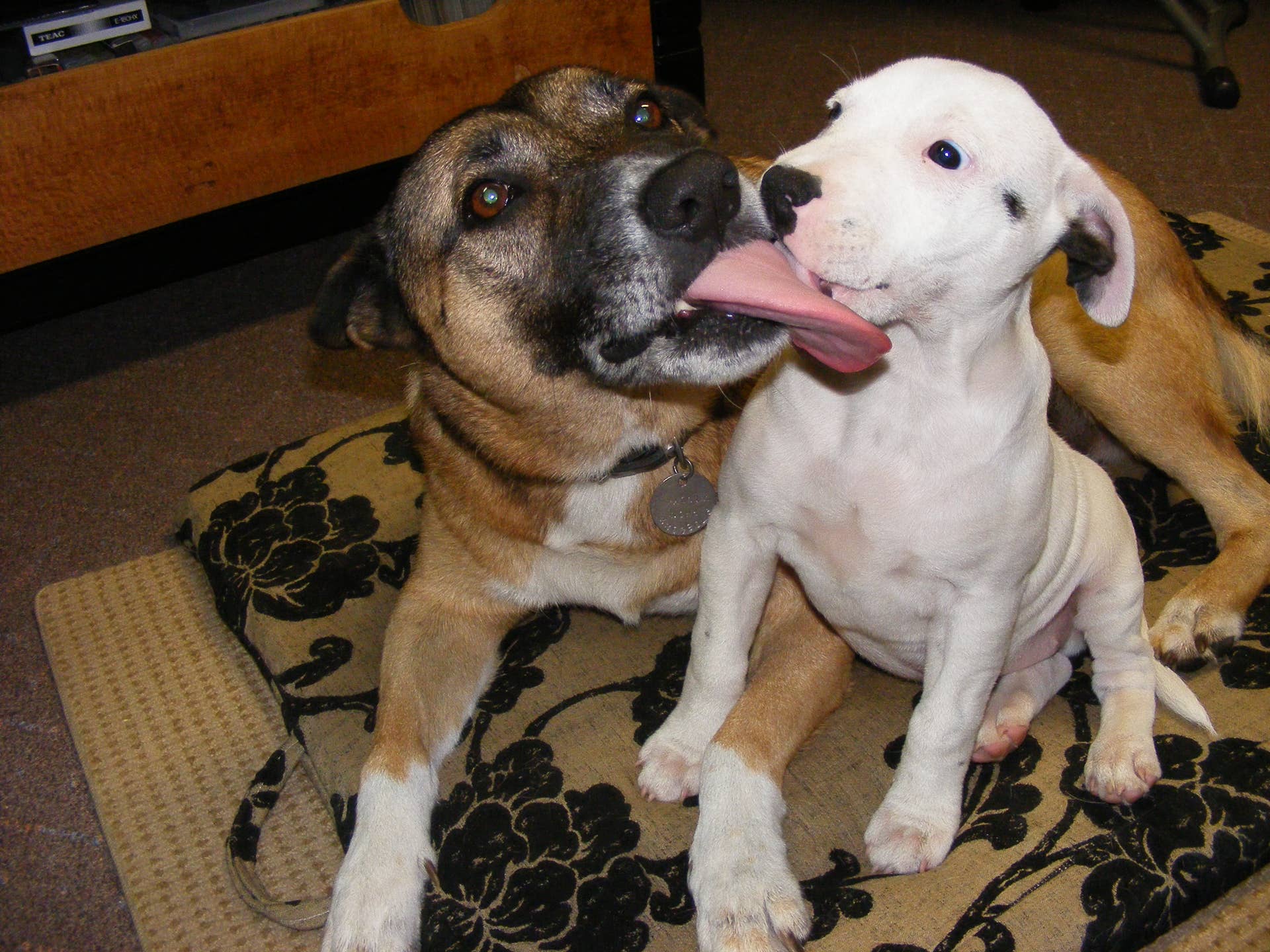
Dogs groom each other to keep clean. Chewing on ears helps remove dirt and debris. This behavior is common among dogs living together. It also helps keep the ears healthy. Grooming builds trust and comfort between dogs.
Social Bonding And Affection
Chewing ears is a way dogs show affection. It strengthens their bond and friendship. Dogs use gentle mouth movements to express care. This action reduces stress and promotes calmness. It is a sign of a close relationship.
Attention-seeking Actions
Sometimes dogs chew ears to get attention. They may want to play or interact. Chewing can be a signal that they feel bored. Dogs need mental and physical stimulation every day. This behavior invites other dogs or humans to respond.

Credit: dope.dog
Health-related Causes
Dogs often chew each other’s ears due to health-related issues. This behavior can signal discomfort or pain in the ear area. Understanding these causes helps in providing proper care and preventing further problems. Below are common health reasons that lead to ear chewing between dogs.
Ear Infections Or Irritations
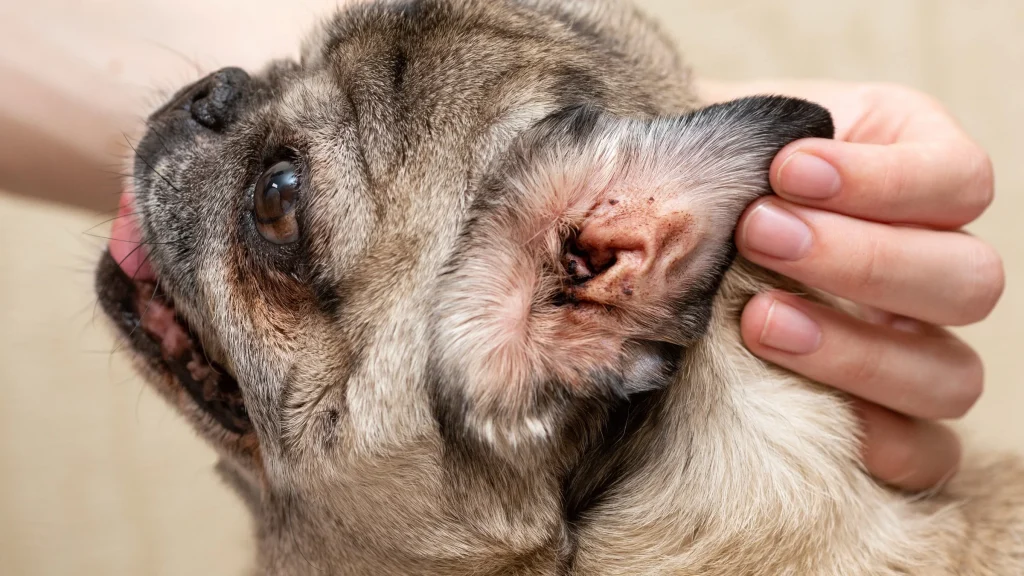
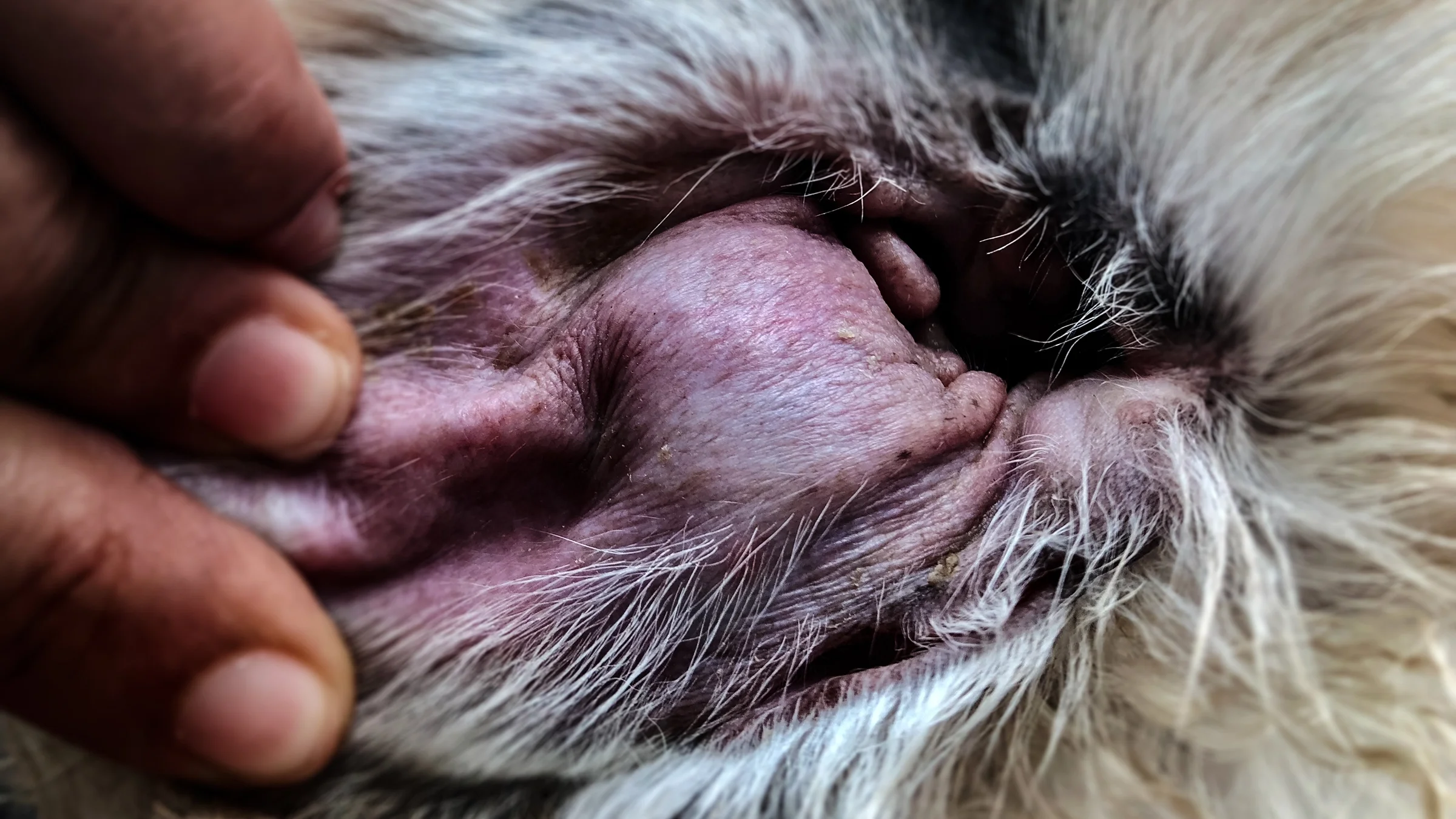
Ear infections cause pain and itchiness. Dogs may chew ears to relieve this discomfort. Bacteria or yeast often cause these infections. Signs include redness, swelling, and a bad smell. Untreated infections worsen and cause more chewing.
Allergies And Skin Conditions
Allergies trigger skin inflammation around the ears. Dogs may lick or chew to soothe the irritation. Common allergens include food, pollen, or dust. Skin conditions like dermatitis also cause itching. Treating allergies can reduce ear chewing behavior.
Parasites And Mites
Parasites like ear mites cause intense itching. Dogs feel the need to scratch or chew ears constantly. These tiny pests live inside the ear canal. They cause redness, discharge, and discomfort. Early treatment removes mites and stops chewing.
Behavioral Factors
Dogs use chewing as a way to communicate and express themselves. Understanding why one dog chews another’s ears involves exploring their behavior. This action can reflect social bonds, emotional states, or natural curiosity. Behavioral factors play a big role in this habit.
Dominance And Hierarchy
Ear chewing can show a dog’s position in the pack. It often signals who is in charge or who submits. The dog chewing may be asserting dominance gently. The dog being chewed might accept this as a sign of respect. This behavior helps keep peace in their social group.
Anxiety And Stress
Dogs sometimes chew ears due to nervousness or stress. Chewing can calm them down, like a self-soothing action. This may happen during changes or unfamiliar situations. If a dog feels anxious, it might chew another’s ears more often. Watching for stress signs is important to help them.
Play And Exploration
Chewing ears can be part of playful behavior. Dogs use their mouths to explore and interact. This type of chewing is usually gentle and short. It helps them learn about their friends and surroundings. Playful ear chewing strengthens bonds between dogs.
When Ear Chewing Becomes Problematic
Ear chewing between dogs can be a normal behavior. It often shows affection or social bonding. But sometimes, it can cause problems that need attention.
Knowing when ear chewing becomes harmful helps protect your dogs’ health. Watch for signs that indicate discomfort or damage.
Signs Of Discomfort Or Injury
- Redness or swelling in the ear
- Scratching or shaking of the head
- Whining or growling during chewing
- Visible wounds or scabs on the ear
- Foul smell from the ear area
These signs show your dog may be in pain or irritated. Ignoring them can lead to infections or worse issues.
Excessive Chewing And Damage
Chewing should be gentle and brief. Excessive or rough chewing can tear skin or cause bleeding.
Repeated damage can lead to permanent ear problems. It may also require veterinary care.
Impact On Dog Relationships
Ear chewing can affect how dogs get along. One dog may feel annoyed or threatened.
Stress from unwanted chewing can cause fights or anxiety. Healthy play is balanced and respectful.
Observe your dogs to ensure their interactions stay positive. Intervene if ear chewing becomes aggressive.
How To Manage Ear Chewing
Managing your dog’s ear chewing habit requires patience and care. This behavior can cause discomfort and lead to infections if ignored. Understanding how to handle it helps keep both dogs happy and healthy. Here are practical ways to manage ear chewing effectively.
Regular Ear Cleaning
Clean your dogs’ ears gently and regularly. Use a vet-approved ear cleaner to remove dirt and wax. This reduces itching and irritation that may cause chewing. Check ears for redness, swelling, or bad odor. Healthy ears lower the chance of chewing due to discomfort.
Providing Enough Exercise And Stimulation
Offer plenty of physical activity to burn off excess energy. Mental stimulation like puzzle toys or training sessions helps too. Boredom often leads to unwanted behaviors like ear chewing. Keep your dogs engaged to reduce this habit.
Using Positive Reinforcement
Reward your dog when it stops chewing ears or behaves calmly. Use treats, praise, or playtime to encourage good behavior. Avoid punishing, as it may increase anxiety or worsen the chewing. Positive reinforcement creates a healthy bond and better habits.
Consulting A Veterinarian
Seek professional advice if ear chewing persists or worsens. A vet can check for infections, allergies, or other medical issues. Sometimes, ear chewing signals a deeper health problem. Early treatment prevents pain and complications for your dogs.
Credit: pethelpful.com
Frequently Asked Questions
Why Do Dogs Chew Each Other’s Ears?
Dogs chew each other’s ears as a form of social interaction. It helps them communicate and bond. Sometimes, it’s a way to establish hierarchy or show affection. This behavior is generally harmless unless it becomes aggressive or excessive. If concerned, monitor their playtime to ensure it remains safe.
Is Ear Chewing A Sign Of Dominance?
Ear chewing can sometimes indicate dominance in dogs. It’s part of their social hierarchy and communication. However, it might also be a playful gesture. Observe your dogs’ overall behavior to determine the context. If the chewing seems aggressive, it may be a dominance issue that requires attention.
How Can I Stop My Dog From Chewing Ears?
To stop ear chewing, redirect your dog’s attention to toys. Consistent training and positive reinforcement can help change the behavior. Ensure your dogs have enough mental and physical stimulation. If the behavior persists, consult a veterinarian or dog behaviorist for tailored advice.
Is It Normal For Puppies To Chew Ears?
Yes, it’s normal for puppies to chew ears. This behavior is part of their social development and learning. Puppies explore the world through their mouths, and ear chewing is often a playful interaction. As they grow, this behavior typically reduces with proper training and socialization.
Conclusion
Dogs chew each other's ears for many reasons. It can show playfulness, grooming, or stress relief. Sometimes, it helps dogs bond and feel close. Watch their behavior to ensure it stays friendly. If chewing seems rough or causes pain, check with a vet.
Understanding why dogs chew ears helps you care better. Keep their interactions safe and happy every day. Small actions like this tell a lot about dog friendships. Always pay attention to how your dogs feel.

Emily Barker is the founder of ChillDogLife.com, a space dedicated to helping pup parents discover the best dog products, lifestyle tips, and cozy ideas for happier homes.
A lifelong dog lover, Emily combines her passion for pets with a knack for research to share trusted recommendations on everything from toys and furniture to health and everyday care.
Her goal is simple: to make life easier, stylish, and more joyful for dogs and the people who love them.




