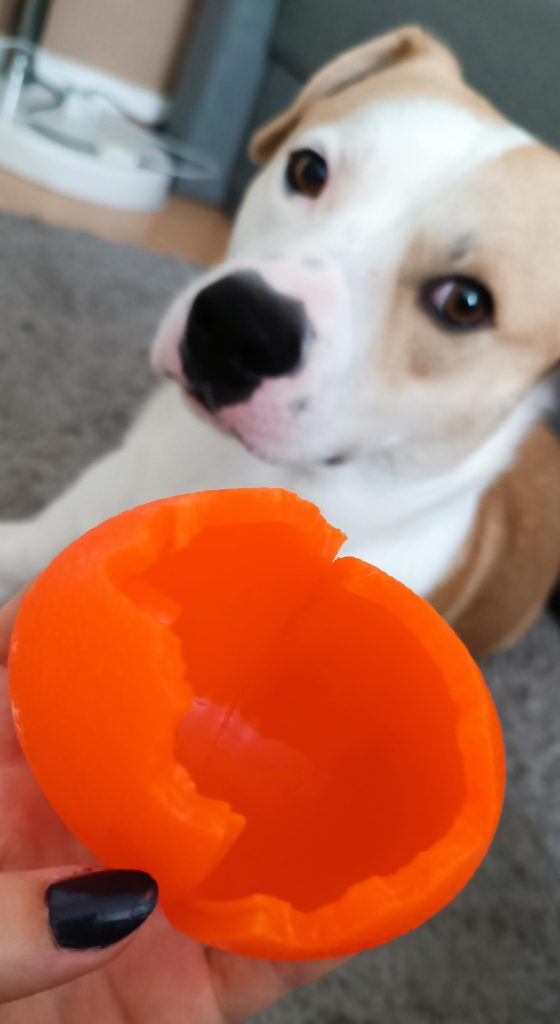
Have you ever caught your dog chewing his toys right on you and wondered why? It might seem odd or even a little annoying, but there’s more to this behavior than meets the eye.
Understanding why your furry friend does this can help you strengthen your bond and keep both of you happier. Keep reading to discover the surprising reasons behind your dog’s toy-chewing habits and how you can respond in a way that feels right for both of you.

Credit: www.reddit.com
Dog Chewing Habits
Understanding your dog’s chewing habits can help you figure out why they chew their toys on you. Chewing is a natural behavior for dogs, but the reasons behind it can vary widely depending on their age, mood, and environment. Let’s break down what normal chewing looks like and how age and teething influence this behavior.
Normal Chewing Behavior
Chewing is one of the main ways dogs explore the world around them. It helps them relieve stress, entertain themselves, and keep their teeth clean. You might notice your dog chewing more when they’re bored or anxious—have you seen your dog start chewing right after you leave the house?
Dogs also chew to strengthen their jaws and maintain healthy teeth. Providing them with safe, durable toys can redirect their chewing away from your belongings. Remember, chewing is not just destructive behavior; it’s an essential part of their daily routine.
Age And Teething Effects
Puppies chew more intensely than adult dogs because of teething. Just like human babies, puppies’ gums hurt as their adult teeth push through, and chewing provides relief. If your puppy is chewing toys on you, they’re likely seeking comfort and distraction.
As your dog grows older, the need to chew lessens but doesn’t disappear. Adult dogs might chew out of habit or to relieve boredom. Have you noticed if your dog chews more when they’re left alone or after exercise? These clues can help you address their specific needs.
Emotional Triggers
Dogs chew their toys on you for reasons beyond play. Their emotions play a big role in this behavior. Understanding these emotional triggers helps you respond better. Chewing can be a way for dogs to express feelings or meet emotional needs.
Seeking Attention
Dogs want your focus and love. Chewing toys on you often means they want attention. This behavior can be a way to start interaction or play. Sometimes, dogs feel ignored and use chewing to get noticed.
Stress And Anxiety
Chewing helps dogs cope with stress. It can calm them down when they feel anxious or scared. Changes in the environment or loud noises may trigger this. Chewing releases tension and makes them feel safer.
Boredom Relief
Dogs need mental and physical activity. Chewing toys on you can be a way to fight boredom. Without enough exercise or stimulation, dogs look for ways to keep busy. Chewing provides comfort and entertainment during dull moments.
Communication Through Chewing
Dogs use chewing as a way to talk to their owners. It is more than just play or boredom. Chewing helps dogs show feelings and send messages. Understanding this behavior improves your bond with your pet. It reveals what your dog feels and thinks.
Expressing Affection
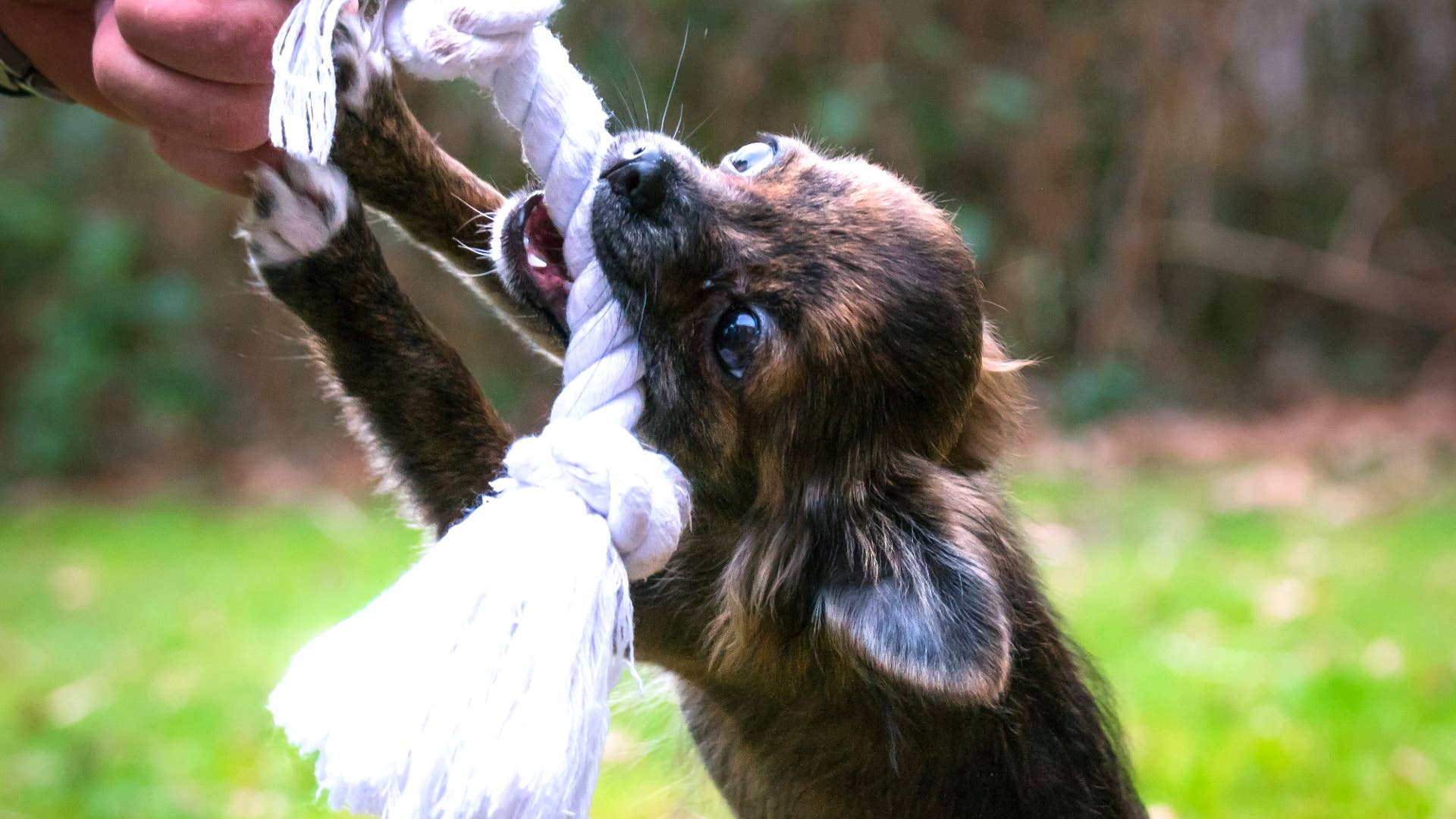
Chewing toys near you can show love and trust. Dogs often chew gently on toys close to their owners. This action means they feel safe and happy. It is a way to share comfort without words. Your dog may also bring you chewed toys as gifts. These small acts show deep affection.
Marking Territory
Chewing leaves a scent from your dog’s mouth on the toy. This scent marks the toy as theirs. It tells other animals, “This belongs to me.” When your dog chews toys near you, it also marks the area as safe. This helps your dog feel secure and connected to you. It is their way to protect their space and their family.
Credit: pethelpful.com
Health Factors
Health plays a big role in why dogs chew their toys on you. Sometimes, chewing is more than just fun or habit. It can signal discomfort or needs related to your dog’s body and diet. Understanding these health factors helps you care better for your furry friend.
Dental Issues
Chewing helps dogs relieve pain in their teeth and gums. Dogs with dental problems often chew more to ease soreness. Issues like tooth decay, gum disease, or loose teeth cause discomfort. Chewing on toys or even on you can be a natural way to soothe their mouth.
Watch for signs like bad breath, bleeding gums, or difficulty eating. These signs mean a vet visit is important. Regular dental care can reduce chewing due to pain.
Nutritional Deficiencies
Sometimes dogs chew because their diet lacks key nutrients. Missing vitamins or minerals can cause unusual chewing habits. Dogs may try to get what they need by chewing more often.
Check your dog’s food for balanced nutrition. A vet can recommend supplements if needed. Proper nutrition supports healthy teeth and overall well-being, lowering the urge to chew excessively.
Environmental Influences
Environmental factors play a big role in why your dog might chew his toys on you. Your dog’s surroundings and daily habits impact their behavior more than you might think. Understanding these influences can help you guide your dog toward healthier chewing habits.
Lack Of Exercise
Dogs need plenty of physical activity to stay calm and focused. Without enough exercise, they often turn to chewing as an outlet for their pent-up energy.
I once noticed my dog chewing on my sleeve after a day spent mostly indoors. Once I started taking him on longer walks and adding play sessions, the chewing on me decreased significantly. Could your dog be trying to burn off energy by chewing?
- Try adding more walks or playtime each day.
- Use fetch or tug-of-war games to tire them out.
- Chewing becomes less of a problem when energy is well spent.
Changes In Routine
Dogs thrive on consistency, so sudden changes in their routine can cause stress and confusion. This stress sometimes shows up as chewing on anything nearby, including your belongings or even your clothes.
After a recent move, my dog started chewing his toys more aggressively and sometimes even on my hands. I realized the disruption was unsettling him. Have you noticed your dog’s chewing increase after changes like new schedules or visitors?
- Keep feeding and walking times consistent.
- Maintain familiar toys and bedding to provide comfort.
- Give your dog extra attention during transitions.

Credit: www.reddit.com
Managing Chewing Behavior
Managing your dog’s chewing behavior takes patience and consistency. Dogs chew for many reasons, including teething, boredom, or stress. Helping your dog chew on the right things protects your belongings and keeps your pet safe.
Providing Suitable Toys
Offer your dog toys designed for chewing. Look for durable toys that match your dog's size and chewing strength. Rotate toys to keep your dog interested. Soft toys may work for gentle chewers, while tough rubber toys suit strong chewers. Avoid toys that can break into small pieces and cause choking.
Training Techniques
Teach your dog which items are okay to chew. Use a firm but calm voice to say “No” when your dog chews something wrong. Immediately give a suitable toy instead. Praise your dog when it chews the right toy. Consistent training helps your dog learn faster. Avoid yelling or punishment, which can cause fear or anxiety.
Redirecting Energy
Chewing can be a way to burn off energy. Provide daily exercise like walks or playtime. A tired dog chews less destructively. Mental activities like puzzle toys also help. Offer chew sessions after exercise to satisfy chewing needs. This balance keeps your dog calm and happy.
Frequently Asked Questions
Why Does My Dog Prefer Chewing On Me?
Dogs often chew on their owners as a sign of affection or attention-seeking behavior. It can also be a comforting activity for them. Ensure your dog has plenty of toys to chew on, and consider redirecting their attention to a toy if the behavior becomes overwhelming.
Is It Normal For Dogs To Chew On Their Owners?
Yes, it’s quite normal for dogs to chew on their owners. This behavior is usually a sign of affection or playfulness. However, if it becomes excessive, consider providing more engaging toys or activities. Training can also help redirect their chewing behavior to more appropriate items.
How Can I Stop My Dog From Chewing On Me?
To stop your dog from chewing on you, provide plenty of chew toys and redirect their focus. Consistently reward them for chewing on appropriate objects. Engage them with interactive play to keep them entertained. Training and positive reinforcement can also effectively reduce this behavior over time.
What Toys Are Best To Prevent Chewing On People?
Durable chew toys, such as rubber or nylon options, can effectively prevent your dog from chewing on people. Puzzle toys can also keep them mentally stimulated and distracted. Rotate the toys regularly to maintain their interest. Always supervise playtime to ensure their safety.
Conclusion
Dogs chew toys on you to feel close and show affection. It helps them explore and stay busy. Sometimes, they seek comfort or want your attention. Watching their behavior helps you understand their needs better. Giving them safe toys keeps them happy and healthy.
Remember, chewing is natural for dogs. Patience and care build a strong bond between you and your pet. Keep learning about your dog’s habits for a happier life together.

Emily Barker is the founder of ChillDogLife.com, a space dedicated to helping pup parents discover the best dog products, lifestyle tips, and cozy ideas for happier homes.
A lifelong dog lover, Emily combines her passion for pets with a knack for research to share trusted recommendations on everything from toys and furniture to health and everyday care.
Her goal is simple: to make life easier, stylish, and more joyful for dogs and the people who love them.




