
Have you ever wanted to give your dog a toy that’s not just fun, but also made with love by you? Sewing your own dog toys is easier than you think, and it lets you create something unique and safe for your furry friend.
Imagine watching your dog happily chew, toss, and carry a toy you crafted yourself. You’ll discover simple steps and helpful tips to sew dog toys that your pet will adore. Ready to get started? Let’s dive in and make playtime extra special for your dog!

Credit: www.reddit.com
Materials Needed
Gathering the right materials is the first step in making dog toys that are both safe and fun for your furry friend. Choosing quality fabrics and stuffing ensures durability and comfort. You don’t need fancy supplies—just some basics that you can find easily or may already have at home.
Fabric Choices
Pick fabrics that are strong and non-toxic. Cotton and fleece are favorites because they are soft, washable, and gentle on your dog’s teeth. Avoid materials that shed fibers easily or have loose threads, as these can be harmful if swallowed.
Think about your dog’s chewing habits. If your pup is a heavy chewer, denim or canvas might be better since they stand up to rough play. Have you noticed what fabrics your dog naturally prefers to chew? That can guide your fabric pick.
Stuffing Options
Stuffing gives the toy shape and a satisfying texture for your dog to bite into. Polyester fiberfill is popular because it’s lightweight and washable. You can find this at craft stores or reuse stuffing from old pillows or plush toys—just make sure it’s clean.
Some pet owners prefer using crinkly plastic inserts or even old socks to add interesting sounds and textures. Would your dog enjoy a toy that makes noise? Adding these can make playtime more exciting.
Basic Sewing Tools
To sew your dog toys, you’ll need a few basic tools: needles, strong thread, scissors, and pins. Using heavy-duty thread helps the toy withstand tugging and chewing. If you have a sewing machine, it can speed up the process, but hand stitching works perfectly well too.
Don’t forget a seam ripper—it’s handy if you need to fix a mistake. How comfortable are you with sewing? Starting with simple stitches can build your confidence before trying more complex designs.
Selecting Safe Fabrics
Choosing the right fabric is one of the most important steps when sewing dog toys. The fabric you pick can affect your pet’s safety and the toy’s longevity. You want materials that are gentle on your dog’s skin but tough enough to handle their chewing habits.
Non-toxic Materials
Dogs explore the world with their mouths, so every fabric you use must be free from harmful chemicals. Avoid synthetic fabrics treated with dyes or finishes that could irritate your pet’s skin or cause allergies.
Natural fibers like cotton, fleece, and denim are usually safer choices. They don’t contain harmful substances and feel soft to the touch. Have you noticed how your dog reacts to certain fabrics? Their comfort often tells you what’s safe.
Check labels for certifications like “Oeko-Tex Standard 100” which ensure fabrics are tested for harmful substances. Also, steer clear of fabrics with loose fibers or stuffing that could be swallowed easily.
Durability Factors
Your dog’s toy must stand up to chewing, tugging, and rough play. Fabrics like heavy-duty canvas or denim can resist tears better than lightweight cotton.
Think about your dog’s chewing style. If your dog is an aggressive chewer, soft fabrics won’t last long and can become choking hazards once torn. Double-stitching and using tight weaves improve strength and reduce wear.
Consider layering fabrics or adding an inner lining for extra durability. Have you ever seen a toy last only a day? Choosing tougher fabric can save you time and money, and keep your dog entertained safely longer.
Simple Toy Designs
Simple toy designs are perfect for making fun and safe dog toys. They require few materials and basic sewing skills. These toys keep your dog entertained without much effort. Choose soft but durable fabrics that withstand chewing and tugging. Bright colors attract your dog’s attention and make playtime lively.
Start with easy shapes and small sizes to fit your dog’s mouth. Fill toys with safe stuffing or squeakers for extra fun. Reinforce seams to make toys last longer. Simple designs let you customize toys for your dog’s preferences and play style.
Tug Toys
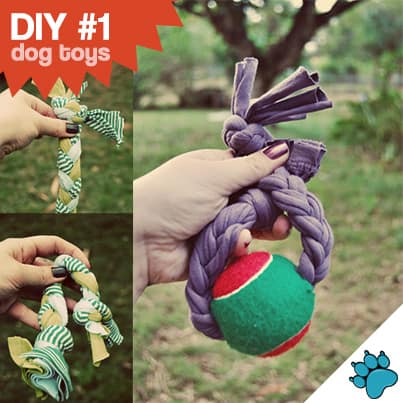
Tug toys are great for interactive play. Use thick strips of fabric or fleece. Braid or knot strips tightly for strength. Sew the ends securely to avoid unraveling. These toys help strengthen your dog’s jaws and provide exercise. They are easy to wash and dry quickly.
Squeaky Toys
Squeaky toys excite dogs with sound. Sew a small squeaker inside a soft fabric pouch. Use double layers to protect the squeaker. Choose fabrics like felt or fleece for softness. Make sure the seams are tight to prevent squeakers from escaping. These toys keep dogs curious and playful.
Chew Toys
Chew toys satisfy dogs’ natural urge to chew. Use tough fabric like denim or canvas. Stuff toys with durable materials to resist biting. Avoid small parts that can be swallowed. Sew all edges with strong thread for durability. Chew toys help keep your dog’s teeth clean and healthy.
Cutting And Preparing Fabric
Cutting and preparing fabric is a crucial step in sewing dog toys. It sets the foundation for how your final product will look and hold up to playtime. Taking your time here ensures you avoid mistakes that can waste materials or affect the toy’s durability.
Measuring And Marking
Accurate measuring is the first step to a well-made dog toy. Use a flexible measuring tape to get precise dimensions, especially for stuffing areas or parts that need to fit together snugly.
Mark your fabric with tailor’s chalk or a fabric marker that won’t bleed through. I learned early on that clear, visible marks save a lot of frustration during cutting and sewing. If your fabric is patterned, align your markings with the pattern to maintain a consistent look.
Cutting Techniques
Sharp scissors are a must for clean edges that prevent fraying. Dull scissors can lead to jagged cuts, making your toy look sloppy and weakening its structure.
Cut slowly and follow your markings exactly. You might want to use pinking shears if your fabric frays easily—this simple tool adds a zigzag edge that keeps threads intact longer.
- Place the fabric on a flat surface to avoid shifting
- Use rotary cutters for straight lines on thicker fabric
- Cut multiple layers if you need identical pieces
Have you ever had a toy fall apart after just a few uses? Often, poor cutting is the culprit. Taking your time to prepare your fabric carefully will save you from redoing your work later.
Basic Sewing Techniques
Basic sewing techniques form the foundation of crafting durable dog toys. These simple skills help create strong seams that hold up against rough play. Understanding hand stitching and machine sewing improves your results. Securing seams correctly keeps stuffing and parts safe from chewing. Let’s explore these essential methods for making pet toys that last.
Hand Stitching
Hand stitching gives you control over small or detailed areas. Use a strong thread like polyester or nylon for durability. A backstitch is ideal because it creates tight, secure seams. Keep stitches close together to avoid gaps. This technique is perfect for attaching small parts or closing openings.
Machine Sewing Tips
Use a heavy-duty needle to sew thick fabrics or multiple layers. Choose a medium stitch length to balance strength and flexibility. Test stitches on scrap fabric before starting your project. Sew slowly and guide the fabric evenly to avoid puckering. Double stitch at the start and end for extra strength.
Securing Seams
Securing seams prevents stuffing from coming out during play. Tie off threads firmly or backstitch at seam ends. Use extra stitches on stress points like corners and openings. Consider adding a second seam line for added durability. This step ensures your dog toy stays intact longer.

Credit: www.marymarthamama.com
Adding Fun Features
Adding fun features to your handmade dog toys makes playtime more exciting. These features can stimulate your dog’s senses and keep them interested longer. Simple additions like sounds or different textures create a more engaging toy. It also shows extra care in your crafting. Experiment with small details that catch your dog’s attention.
Incorporating Squeakers
Squeakers bring a playful sound that dogs love. Choose a squeaker designed for pet toys to ensure safety. Place the squeaker inside the toy’s stuffing before closing the seams. Test the squeaker to make sure it works well and stays in place. Secure it tightly with strong stitches so it won’t fall out. The sound encourages dogs to bite and carry the toy around.
Attaching Ribbons And Tags
Ribbons and tags add texture and visual interest to dog toys. Use soft, non-toxic ribbons that won’t irritate your dog’s skin. Sew ribbons or fabric tags securely into the seams or edges of the toy. Make sure the pieces are short enough to prevent choking hazards. These features provide a fun challenge for dogs who enjoy tugging and chewing. They also help dogs with sensory play and keep toys unique.
Stuffing And Finishing
Stuffing and finishing your dog toys correctly can make all the difference between a durable plaything and one that falls apart after a few chews. This stage requires attention to detail and the right materials to ensure the toy is both safe and fun for your furry friend. Let’s dive into how you can choose the best stuffing and close the toy neatly for lasting enjoyment.
Choosing The Right Stuffing
Picking the right stuffing is crucial for your dog’s safety and the toy’s durability. Avoid anything with small parts or toxic materials. Polyester fiberfill is a popular choice because it’s soft, washable, and holds its shape well.
Consider stuffing made from recycled materials if you want an eco-friendly option. You can also use old t-shirts or fleece scraps, but cut them into small pieces to avoid lumps. Think about your dog’s chewing habits; if they’re aggressive chewers, firmer stuffing or even stuffing combined with crinkly plastic can add durability and interest.
Have you ever seen a toy fall apart because it was overstuffed? Stuffing too tightly can stress seams and cause tears. Stuff your toy just enough to give it shape but still keep it a bit squishy. This balance helps the toy last longer and feel comfortable for your dog to carry around.
Closing The Toy Neatly
Closing your toy neatly is just as important as stuffing it well. A messy seam can open quickly, spilling stuffing everywhere. Use a strong, tight stitch like a whipstitch or ladder stitch to secure the opening.
Double stitching the seams adds extra strength, especially if your dog tends to chew hard. Use thread colors that match your fabric for a clean look. If you’re worried about durability, reinforce the edges with a small strip of fabric or bias tape before stitching closed.
Don’t forget to check your work after closing the toy. Gently tug on the seams to test their strength. Would you trust this toy to survive your dog’s playful bite? If not, reinforce the stitches or add extra layers before giving it to your pet.
Safety Checks
Safety checks are crucial when sewing dog toys. Your furry friend will be chewing, tugging, and tossing these toys around, so durability and non-toxicity are top priorities. Taking a few extra moments to examine your work can prevent choking hazards and extend the toy’s life.
Inspecting Seams
Strong seams keep the stuffing and fabric intact, so double-check every stitch. Use a tight stitch like a backstitch or zigzag to make seams harder to rip. Pull gently on the seams to test their strength—if you spot any loose threads or gaps, reinforce those areas immediately.
I once made a toy that looked perfect but tore after just one play session. That experience taught me to always stress-test seams before giving toys to my dog. Do you take time to check the durability, or do you hope for the best?
Avoiding Small Parts
Small parts like buttons, beads, or glued-on eyes can be dangerous if chewed off and swallowed. Instead, sew eyes and noses using thread or use fabric paint designed for pets. If you want to add textures, consider using different fabric types securely stitched rather than loose attachments.
Think about how your dog plays—are they a heavy chewer? If yes, avoid anything that could come off easily. Your dog’s safety is worth the extra effort to keep toys free from choking hazards.
Maintenance Tips
Keeping your homemade dog toys in good shape helps them last longer and stay safe. Regular care prevents damage and keeps toys clean from dirt and germs. Follow simple steps to maintain these toys effectively.
Cleaning Instructions
Wash fabric dog toys often to remove dirt and bacteria. Use mild soap and warm water. Avoid harsh chemicals that may harm your dog’s skin. Rinse toys well to remove all soap. Let toys air dry fully before giving them back to your dog. For machine-washable toys, use a gentle cycle and a laundry bag.
Repairing Worn Toys
Check toys regularly for loose threads or holes. Fix small tears quickly to avoid bigger damage. Use strong thread and needle for stitching. Double stitch edges for extra strength. Replace stuffing if it becomes exposed or clumpy. Remove parts that your dog could swallow or choke on.
Creative Customizations
Creative customizations bring personality to your sewn dog toys. They turn simple toys into special keepsakes. Custom touches make toys unique and fun for your dog.
Personalized details show care and add charm. Use simple techniques to give toys character and style. These ideas help you create toys that stand out and delight your pet.
Personalized Embroidery
Embroidery adds a personal touch to dog toys. Stitch your pet’s name or a fun design on the fabric. Use thick thread for durability and clear visibility.
Simple patterns like paw prints or bones work well. Embroidery keeps the toy special and easy to identify. It also adds texture that dogs enjoy chewing.
Using Colorful Fabrics
Bright fabrics catch your dog’s attention quickly. Choose soft, durable materials that hold up to chewing. Mix and match colors to make toys lively and playful.
Patterns like stripes or polka dots add fun. Use contrasting colors for visual appeal. Colorful fabrics make toys exciting and help dogs find them easily.
Credit: pethero.co.za
Frequently Asked Questions
How Do I Choose Fabric For Dog Toys?
Choosing the right fabric is crucial for durability and safety. Opt for sturdy materials like denim, canvas, or fleece. Ensure the fabric is non-toxic and doesn’t have loose threads. Avoid easily frayable fabrics. Also, consider your dog’s chewing habits when selecting the fabric for their toys.
Can I Use Recycled Materials For Dog Toys?
Yes, recycled materials can be great for dog toys. Old jeans, t-shirts, and towels are excellent options. Ensure materials are clean and free from harmful chemicals. Check for loose threads or small parts that could be swallowed. Recycling is a sustainable choice for crafting dog toys.
What Tools Do I Need For Sewing Dog Toys?
You’ll need a sewing machine, fabric scissors, and strong thread. A needle, pins, and fabric marker are also useful. Consider using a rotary cutter for precise cuts. Having a cutting mat and measuring tape will help with accuracy. Ensure your tools are in good condition for best results.
How Do I Ensure Dog Toy Safety?
Ensure safety by using non-toxic materials and avoiding small parts. Double-stitch seams for durability. Regularly check for wear and tear, replacing toys when damaged. Monitor your dog during playtime to prevent accidents. Follow these steps to keep your pet safe and entertained.
Conclusion
Sewing dog toys is simple and fun. You can choose safe, soft materials. Cut and sew with care for durability. Handmade toys last longer and feel special. Your dog will enjoy playing with them. Try different shapes and sizes for variety.
This hobby saves money and reduces waste. Start with easy projects to build skills. Enjoy making toys that bring joy and comfort. Keep practicing to improve your sewing craft. Happy sewing and happy dogs!

Emily Barker is the founder of ChillDogLife.com, a space dedicated to helping pup parents discover the best dog products, lifestyle tips, and cozy ideas for happier homes.
A lifelong dog lover, Emily combines her passion for pets with a knack for research to share trusted recommendations on everything from toys and furniture to health and everyday care.
Her goal is simple: to make life easier, stylish, and more joyful for dogs and the people who love them.




