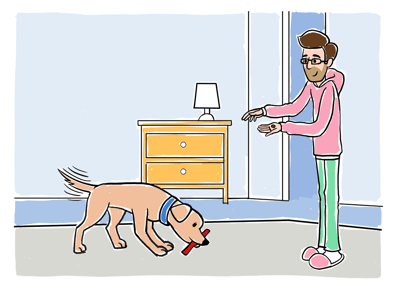
Imagine your dog happily picking up their toys and putting them away without you having to ask twice. Sounds like a dream, right?
Teaching your dog to tidy up can save you time, reduce mess, and strengthen the bond between you and your furry friend. If you’ve ever wished your dog would help clean up, this guide is for you. Keep reading to discover simple, effective steps that make training your dog to put toys away easier than you think.

Credit: www.amazon.co.uk
Benefits Of Teaching Toy Cleanup
Teaching your dog to put toys away might seem like a simple trick, but it offers benefits that go far beyond a tidy room. This training task can improve your daily life in unexpected ways. Have you noticed how small habits in your pet can change the entire atmosphere at home?
Improved Home Organization
Imagine walking into a room free of scattered toys. Your floors stay clear, making cleaning easier and safer. No more stepping on squeaky toys or tripping over balls.
By training your dog to clean up, you save time spent on constant tidying. This habit turns toy mess into a manageable routine instead of a daily chore.
Enhanced Dog Discipline
Teaching toy cleanup sharpens your dog’s ability to follow instructions. This task requires focus and patience, skills that carry over to other behaviors.
When your dog learns to put toys away, it reinforces self-control and listening. These qualities make your dog more responsive and well-behaved in various situations.
Strengthened Owner-pet Bond
Working together on toy cleanup creates shared goals and positive experiences. You and your dog spend quality time learning and celebrating small victories.
Have you noticed how training sessions deepen your connection? This simple activity builds trust and communication, making your relationship stronger every day.

Credit: www.ellevetsciences.com
Choosing The Right Toys
Choosing the right toys plays a key role in teaching your dog to put toys away. The toys should be safe and strong enough to last daily play. Picking toys that match your dog’s size and chewing habits helps keep training fun and stress-free.
Some toys work better for training because they are easy to carry and recognize. This makes it simpler for your dog to learn the task and enjoy the process.
Safe And Durable Options
Choose toys made from non-toxic materials. They should resist chewing and not break into small pieces. Durable toys keep your dog safe during play and training.
- Rubber toys that can handle strong bites
- Rope toys that are sturdy but soft
- Hard plastic toys designed for dogs
Avoid toys with small parts that can be swallowed. Check toys regularly for wear and tear. Replace damaged toys to prevent accidents.
Toys Suitable For Training
Pick toys your dog likes and can easily carry. Toys with handles or ropes help dogs grab and hold them.
- Soft balls that fit your dog’s mouth
- Fetch toys with ropes for easy picking
- Stuffed animals that are lightweight
Using the right toy makes teaching your dog to put toys away faster and more fun. It keeps your dog motivated and focused during training sessions.
Setting Up A Toy Storage Spot
Creating a dedicated spot for your dog’s toys is the first step in training them to tidy up. A clear, organized place helps your dog understand where their toys belong. This area should be easy to reach and simple for your dog to use. Setting up a toy storage spot encourages good habits and keeps your home neat.
Accessible Containers Or Bins
Choose containers or bins that your dog can easily access. Open-top bins or low baskets work well. Avoid containers with lids or complicated openings. The goal is for your dog to reach toys without help. Using bright, colorful bins can attract your dog’s attention.
- Use sturdy, lightweight containers
- Place toys loosely for easy grabbing
- Keep containers at your dog’s height
Consistent Location Importance
Pick one spot and always keep the toy storage there. Consistency helps your dog learn faster. Changing the location confuses your dog. Place the spot in a quiet, low-traffic area. Make sure it is easy for your dog to find every time.
- Use the same spot every day
- Keep the area clean and clutter-free
- Encourage your dog to go to this spot regularly

Credit: tug-e-nuff.com
Basic Commands To Use
Training your dog to put toys away starts with simple commands. These basic commands build good habits and make learning easier. Dogs respond well to clear, consistent instructions. Using the right commands helps your dog understand what you want.
Start by teaching your dog to let go of toys. Then introduce the idea of taking toys in their mouth. Finally, show how to put toys back in a box or basket. Each command prepares your dog for the next step.
Teaching ‘drop It’ And ‘take It’
The ‘Drop It’ command teaches your dog to release a toy on cue. Hold a treat near your dog’s nose. Say “Drop it” clearly. When the dog drops the toy, give the treat immediately. Repeat this several times in short sessions.
The ‘Take It’ command is the opposite. Offer a toy and say “Take it” as your dog reaches for it. Praise your dog when they grab the toy gently. This teaches them to accept toys on command without grabbing suddenly.
Introducing ‘put Away’ Command
Once your dog knows to drop and take toys, teach “Put Away.” Show the toy box or basket. Hold a toy and say “Put away.” Encourage your dog to carry the toy to the box. Use treats and praise when the toy goes inside.
Repeat this step often. Use the same words and gestures. Keep training sessions short and positive. Soon your dog will learn to tidy up toys on command.
Step-by-step Training Process
Training your dog to put toys away can transform your living space and deepen your bond with your furry friend. The process is more than just teaching a trick; it’s about clear communication and positive reinforcement. Here’s a detailed breakdown of how to guide your dog through each stage of this useful skill.
Encouraging Toy Retrieval
Start by making toy retrieval fun and rewarding. Use your dog’s favorite toy and toss it a short distance away. As your dog picks it up, use an enthusiastic tone to say “fetch” or a similar cue.
If your dog doesn’t naturally bring the toy back, try walking toward them with an open hand or gently encouraging them with the toy. This step sets the foundation for cooperation and makes the toy a positive object to interact with.
Guiding To Storage Area
Once your dog comfortably retrieves the toy, introduce the storage area, like a basket or box. Lead your dog to the spot with the toy in mouth. Use a command like “put away” while pointing to the container.
At first, you may need to physically guide their head toward the box or gently hold the toy near it. Be patient—this part connects the action of carrying the toy with the goal of storing it properly.
Rewarding Successful Cleanup
Each time your dog drops the toy into the designated spot, immediately offer praise and a treat. Positive reinforcement encourages your dog to repeat the behavior.
Consistency is key. Gradually reduce the treats but keep the praise high. Have you noticed how your dog’s excitement grows when they realize they’ve done something right? That’s the moment training becomes a game worth playing.
Common Challenges And Solutions
Training a dog to put toys away can be tricky. Some dogs do not show interest in toys. Others might not understand the commands well. Training can also fail if habits are not consistent. Knowing common challenges helps solve problems faster.
Lack Of Interest In Toys
Some dogs do not like playing with toys. They might ignore them or walk away. Try using toys with different textures or sounds. Use treats to encourage play. Make toy time fun and short. Praise the dog when it shows interest.
Difficulty Understanding Commands
Dogs may get confused by too many words. Use simple commands like “put away” or “tidy up.” Repeat the command clearly each time. Show the dog what to do by example. Use hand signals along with words. Reward the dog immediately after success.
Inconsistent Training Habits
Training works best with regular practice. Inconsistent sessions cause confusion. Set a daily routine for training. Keep sessions short and focused. Make sure everyone in the family uses the same commands. Consistency builds clear understanding and faster learning.
Tips For Maintaining The Habit
Keeping your dog trained to put toys away takes ongoing effort. Consistency helps your dog understand this is a regular task. Small, daily actions build a strong habit. Use clear signals and rewards to keep your dog motivated. Adjust your approach based on your dog’s progress. Patience and positive interaction make training enjoyable for both of you.
Regular Practice Sessions
Short, frequent practice helps your dog remember the task. Try to practice at the same time each day. Keep sessions fun and light to hold your dog’s interest. Use the same commands and gestures during every session. Repeat the routine until your dog shows confidence. Consistency in practice leads to better results.
Positive Reinforcement Techniques
Reward your dog immediately after putting toys away. Use treats, praise, or gentle petting as rewards. Positive feedback encourages your dog to repeat good behavior. Avoid punishment or negative reactions; they confuse dogs. Celebrate small wins to keep your dog eager to learn. This approach builds trust and happiness in training.
Adjusting Training As Dog Progresses
Increase the difficulty gradually as your dog improves. Add more toys or increase the distance to the toy box. Reduce the number of treats, but keep giving praise. Watch for signs of boredom or frustration and slow down. Change rewards to keep your dog interested. Tailoring training keeps your dog challenged and engaged.
Frequently Asked Questions
How Can I Teach My Dog To Clean Up Toys?
Start by using a designated toy bin. Use a command like “put away” while guiding your dog to drop toys into it. Reward with treats and praise each time they succeed. Consistency and patience are key to helping your dog learn this new routine.
Why Is It Important For Dogs To Clean Up Toys?
Teaching your dog to clean up toys promotes discipline and keeps your home tidy. It also provides mental stimulation and strengthens your bond with your pet. This routine can make playtime more enjoyable and organized for both you and your dog.
What Age Should I Start Training My Dog?
It’s best to start training your dog to put toys away once they are around 6 months old. At this age, they have the focus and physical ability to understand basic commands. However, dogs of any age can learn this with patience and practice.
Can All Dog Breeds Learn To Put Toys Away?
Yes, all dog breeds can learn to put toys away with the right approach. Some breeds may learn faster due to their natural instincts or intelligence. Be patient and consistent, and tailor your training methods to suit your dog’s personality.
Conclusion
Training your dog to put toys away takes patience and practice. Start small and keep sessions short. Praise your dog often to encourage good behavior. Make cleaning up fun and part of your routine. Soon, your dog will learn to tidy up happily.
Enjoy a cleaner home and a well-trained pet. Keep training consistent, and success will follow. Simple steps lead to great results. Your dog can learn this skill with your help.

Emily Barker is the founder of ChillDogLife.com, a space dedicated to helping pup parents discover the best dog products, lifestyle tips, and cozy ideas for happier homes.
A lifelong dog lover, Emily combines her passion for pets with a knack for research to share trusted recommendations on everything from toys and furniture to health and everyday care.
Her goal is simple: to make life easier, stylish, and more joyful for dogs and the people who love them.




