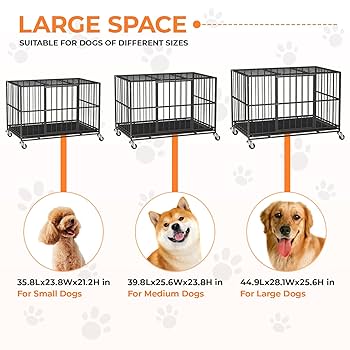
Choosing the right crate size for your dog is more important than you might think. If the crate is too small, your dog won’t be comfortable or happy.
If it’s too big, it might lose its cozy feeling and become less effective. You want your furry friend to feel safe and secure while having enough space to move around. You’ll discover exactly how big your dog’s crate should be, so you can make the best choice for their comfort and well-being.
Keep reading to find out what size fits your dog perfectly—and why it matters more than you realize.

Credit: carlsonpetproducts.com
Choosing The Right Crate Size
Choosing the right crate size is essential for your dog’s comfort and safety. A crate that is too small can make your dog feel cramped, while one that is too large may not provide the cozy, den-like atmosphere dogs often seek. Understanding how to pick the perfect size will help your dog feel secure and relaxed during crate time.
Measuring Your Dog Accurately
Start by measuring your dog from the tip of the nose to the base of the tail. Add a few inches to this length to ensure your dog can stretch out comfortably inside the crate. Also, measure your dog’s height from the floor to the top of the head or ears, whichever is higher.
These two measurements help you pick a crate that gives enough room to stand, turn, and lie down. If your dog sits or stands tall, the crate should allow plenty of headroom. Getting these measurements right is the first step to a happy crate experience.
Considering Dog’s Growth
If you have a puppy, think about how much they will grow. Choosing a crate that fits them now but also allows room for growth can save you from buying multiple crates. However, avoid picking a crate that’s too big for a young puppy—it might make potty training harder.
Some dog owners have found success with divider panels inside larger crates. This way, you can adjust the space as your dog grows. Have you ever bought a crate only to realize it was too small or too large just a few months later?
Crate Size Recommendations By Breed
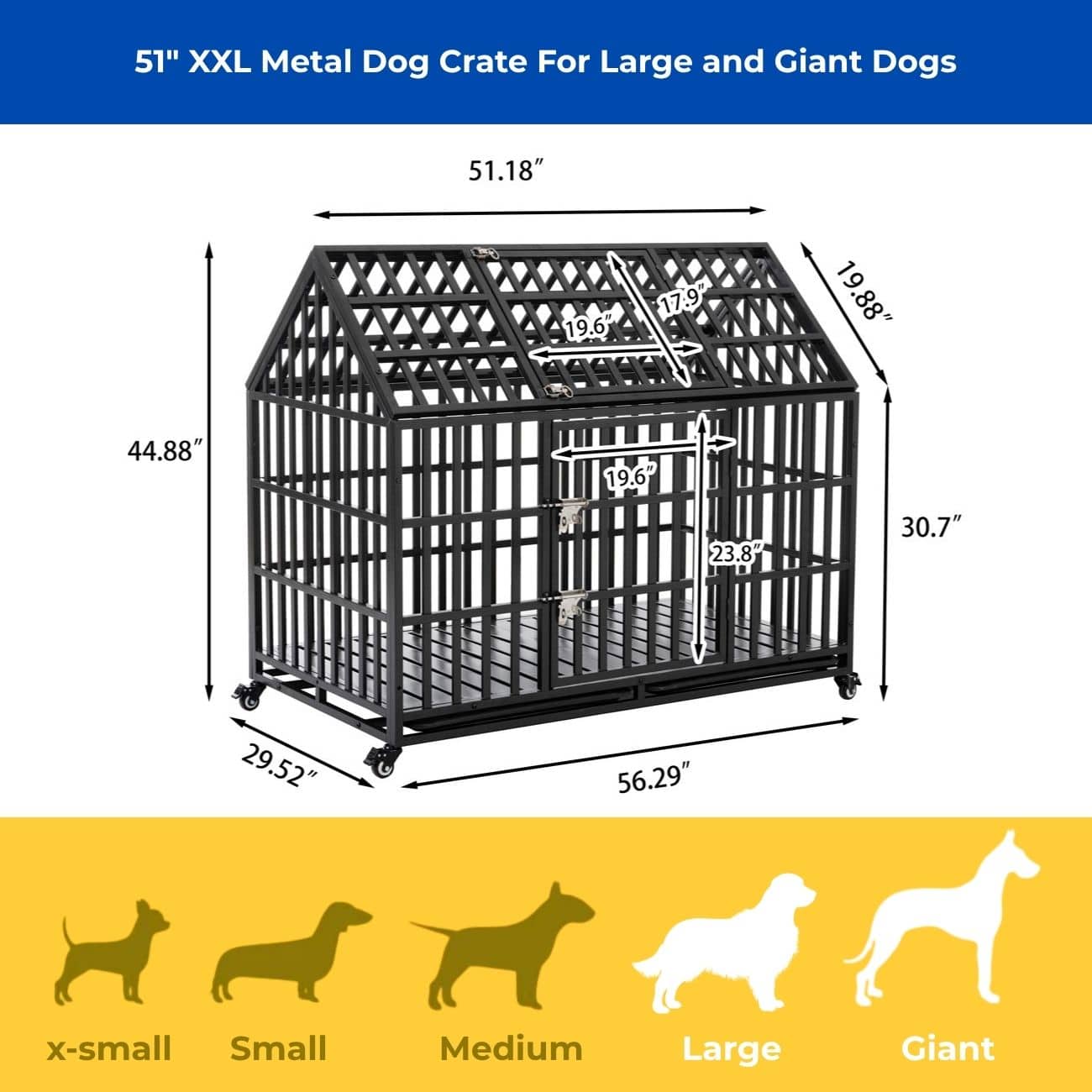
| Breed Size | Approximate Length (inches) | Recommended Crate Size (inches) |
|---|---|---|
| Small Breeds (e.g., Chihuahua, Pomeranian) | 10–15 | 18–24 |
| Medium Breeds (e.g., Beagle, Cocker Spaniel) | 15–22 | 30–36 |
| Large Breeds (e.g., Labrador, Golden Retriever) | 22–27 | 42–48 |
| Giant Breeds (e.g., Great Dane, Saint Bernard) | 27+ | 54 and up |
These recommendations give you a solid starting point. But remember, individual dogs may have unique needs. What breed do you have, and does your dog’s personality affect the crate size you think is best?
Comfort Factors In Crate Selection
Choosing the right crate size for your dog is essential for their comfort and well-being. A well-sized crate not only provides a safe haven for your furry friend but also ensures that they feel secure and happy. Let’s explore the key comfort factors you should consider when selecting a crate for your dog.
Allowing Space To Stand And Turn
Your dog should be able to stand up comfortably and turn around without bumping into the sides of the crate. Imagine being in a cramped space where movement is restricted—it’s not pleasant, right? Ensuring ample space for standing and turning helps your dog relax and feel at ease in their crate.
Room For Bedding And Toys
A cozy crate isn’t complete without comfortable bedding and a few toys. Adding soft bedding can make the crate feel like a personal haven for your pet. Moreover, including a few toys can keep them entertained and reduce anxiety when they are alone.
Ventilation And Visibility
Proper ventilation is crucial for your dog’s comfort and safety. Crates with good airflow prevent overheating and maintain a fresh environment. Additionally, visibility allows your dog to see their surroundings, reducing feelings of isolation and keeping them connected to the household action.
When selecting a crate, consider these factors carefully to create a comfortable and inviting space for your pet. Wouldn’t you want your dog to have a space that feels just right?
Types Of Dog Crates
Choosing the right type of crate is key for your dog’s comfort and safety. Different crates serve different needs. Some are better for travel, others for home use. Knowing the types helps in picking the best one for your dog’s size and habits.
Wire Crates
Wire crates are strong and provide good ventilation. They let your dog see outside, reducing anxiety. These crates often fold flat for easy storage. Wire crates come with a removable plastic tray for easy cleaning. They suit dogs who like to watch their surroundings.
Plastic Crates
Plastic crates offer a cozy, den-like space. They block views, which helps shy or nervous dogs feel safe. These crates are lightweight and good for travel. Many airlines require plastic crates for flying pets. They have solid sides that protect dogs from drafts and noise.
Soft-sided Crates
Soft-sided crates are light and easy to carry. They are ideal for calm dogs and short trips. These crates usually have mesh panels for ventilation. They fold up small for storage or travel. Soft-sided crates are not for strong chewers or dogs who like to dig.
Adjustable And Expandable Crates
Adjustable and expandable crates offer flexibility for dogs of all sizes and ages. These crates grow with your pet, saving money and space. They provide a comfortable environment that adapts to your dog’s changing needs. Many designs allow easy adjustments, making them ideal for puppies and adult dogs alike.
Benefits Of Expandable Designs
- Adjust to your dog’s size as it grows.
- Save money by avoiding multiple crates.
- Offer more comfort with added space.
- Easy to change size without extra tools.
- Perfect for travel and home use.
When To Upgrade Crate Size
Upgrade your crate if your dog looks cramped inside. Watch for signs like difficulty turning or lying down. Puppies need larger crates as they grow quickly. If your dog feels stressed or restless, the crate might be too small. Choose a crate that fits your dog’s full adult size for best comfort.
Common Mistakes In Crate Sizing
Choosing the right crate size for your dog is important. Many dog owners make common mistakes in crate sizing. These errors can cause discomfort and stress for your pet. Understanding these mistakes helps you pick the right crate easily.
Choosing Too Small Or Too Large
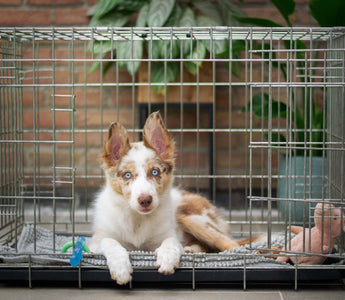
A crate that is too small limits your dog’s movement. Your dog cannot stand, turn, or lie down comfortably. This causes anxiety and restlessness. On the other hand, a crate that is too large removes the feeling of security. Dogs may use one corner as a bathroom. The crate should be just big enough for your dog to move naturally.
Ignoring Dog’s Behavior And Preferences
Every dog has unique habits and needs. Some dogs like cozy, snug spaces. Others prefer more room to stretch out. Ignoring these preferences may make your dog avoid the crate. Watch how your dog reacts to different crate sizes. Adjust the crate size based on your dog’s comfort and behavior.
Credit: www.lillyandmax.com
Tips For Introducing Your Dog To The Crate
Introducing your dog to a crate takes patience and care. The goal is to make the crate a safe and comfortable place. This helps your dog feel happy and secure inside it. Use gentle steps to build a positive connection with the crate.
Creating A Positive Space
Place the crate in a quiet and cozy spot. Add a soft blanket or bed inside. Use your dog’s favorite toys or treats to encourage curiosity. Leave the door open at first. Let your dog explore the crate on their own terms.
- Put tasty treats near and inside the crate.
- Speak softly and offer praise when your dog approaches.
- Feed meals inside the crate to build good feelings.
Keep the crate a happy place. Avoid forcing your dog inside. This builds trust and comfort.
Gradual Acclimation Techniques
Start with short stays inside the crate. Sit nearby and stay calm. Slowly increase the time your dog spends inside. Close the door gently for a few seconds at first.
- Use a calm voice to reassure your dog.
- Give treats and praise after each crate session.
- Gradually extend crate time as your dog relaxes.
Never use the crate as punishment. This keeps the experience positive. Patience helps your dog adjust happily over time.
Credit: bullybeds.com
Frequently Asked Questions
How To Measure Dog For The Right Crate Size?
Measure your dog’s length from nose to tail base. Add 2-4 inches for comfort. Measure height from floor to ears. This ensures your dog fits comfortably in the crate.
What Crate Size Suits Large Dog Breeds?
Large dogs need crates at least 42 inches long. Ensure enough height and width for standing and turning. Bigger crates prevent discomfort and stress.
Can A Crate Be Too Big For A Dog?
Yes, too large crates may cause anxiety. Dogs prefer a snug, den-like space for security. Choose a crate size that fits your dog well.
Should Puppies Have Smaller Crates Than Adult Dogs?
Yes, puppies need smaller crates for coziness and security. Gradually increase crate size as they grow to adult dimensions. This helps with training and comfort.
Conclusion
Choosing the right crate size keeps your dog safe and happy. A crate should be big enough to let your dog stand, turn, and lie down comfortably. Too small feels cramped. Too large may cause accidents inside. Measure your dog before buying.
Think about your dog’s growth if it is still a puppy. A good crate supports training and travel. It becomes your dog’s cozy space. Remember, comfort matters most for your furry friend’s well-being. Select wisely and enjoy peaceful moments together.

Emily Barker is the founder of ChillDogLife.com, a space dedicated to helping pup parents discover the best dog products, lifestyle tips, and cozy ideas for happier homes.
A lifelong dog lover, Emily combines her passion for pets with a knack for research to share trusted recommendations on everything from toys and furniture to health and everyday care.
Her goal is simple: to make life easier, stylish, and more joyful for dogs and the people who love them.




