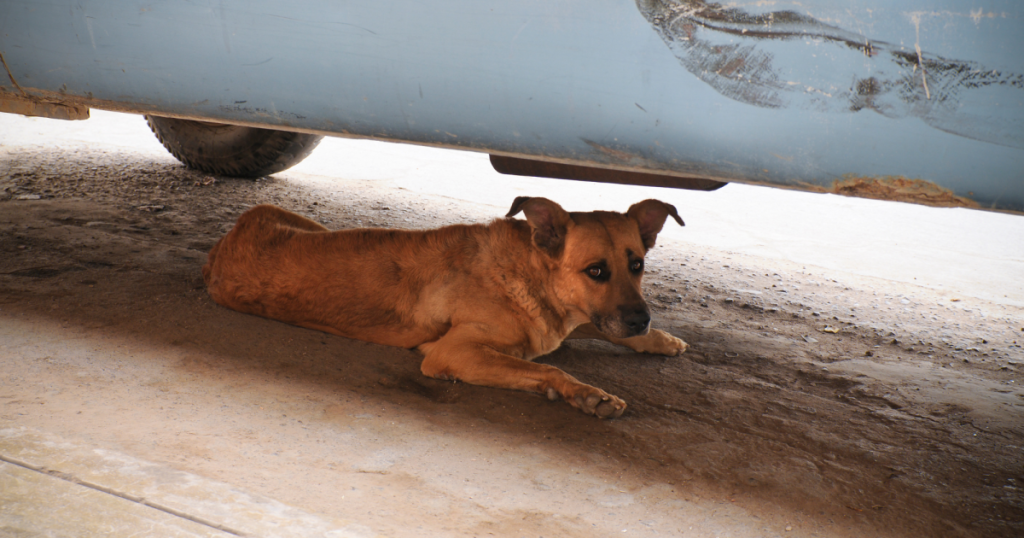
Finding a stray dog can be both heartwarming and overwhelming. You want to help, but you might wonder, “Where exactly should I take this dog?” Your actions can make a huge difference in that dog’s life.
Whether you’re unsure about the next step or worried about the dog’s safety, this guide will walk you through the best places to take a stray dog. Keep reading to discover how you can turn your kindness into real help.

Credit: www.nytimes.com
Animal Shelters
Finding the right place to take a stray dog can be a challenging decision. Animal shelters play a crucial role in providing safety, medical care, and a chance for these dogs to find a new home. Understanding the types of shelters available helps you make the best choice for the stray dog’s well-being.
Municipal Shelters
Municipal shelters are run by local governments and serve as the first stop for many stray animals. They often have limited resources but are equipped to handle a large number of incoming animals quickly. If you find a stray dog, taking it to a municipal shelter ensures it is registered and checked for a microchip, which might help reunite it with its owner.
These shelters sometimes face overcrowding, so animals may only stay for a short period before they are put up for adoption or, unfortunately, euthanized. Have you ever wondered how busy your local shelter might be? Calling ahead can save time and make sure the dog gets immediate help.
Private Shelters
Private shelters are usually run by nonprofit organizations. They often rely on donations and volunteers, giving them more flexibility in the care and treatment of stray dogs. These shelters can provide specialized medical care and behavior assessments to improve the dog’s chances of adoption.
Because private shelters are not government-funded, their resources and policies can vary widely. Some may focus on certain breeds or sizes, while others work with all kinds of animals. You can check their websites or social media to see if they can take in the dog you found.
No-kill Shelters
No-kill shelters promise not to euthanize healthy or treatable animals, which can be comforting to you and the stray dog. These shelters often have longer waiting lists but provide a safer, more stable environment for animals in need. If you want to ensure the dog has the best chance at life, no-kill shelters are worth considering.
However, no-kill shelters sometimes have strict intake policies and may require an appointment. Don’t hesitate to ask what their process is — your proactive approach can make a big difference. What would you feel if you knew the dog you helped was in a no-kill shelter, safe and cared for?

Credit: www.youtube.com
Rescue Organizations
Rescue organizations play a key role in helping stray dogs find safety. These groups work hard to provide shelter, food, and medical care. They also look for good homes for these dogs. Choosing the right rescue can improve a stray dog’s chance of a happy life.
Breed-specific Rescues
Breed-specific rescues focus on certain dog breeds. They understand the breed’s needs and behavior well. These rescues offer specialized care and training. They also connect dogs with families who appreciate their breed. This helps the dog adjust better and find the right match.
Local Rescue Groups
Local rescue groups serve communities nearby. They know the area’s shelters and resources. These groups respond quickly to stray dog reports. They provide shelter and medical help close to home. Local support often means faster care and less stress for the dog.
Foster Networks
Foster networks rely on volunteers who care for dogs at home. This gives dogs a safe, loving environment before adoption. Foster homes help dogs adjust to family life. They also spot health or behavior issues early. Foster networks increase space in shelters and improve dog welfare.
Veterinary Clinics
Veterinary clinics play a vital role in caring for stray dogs. These clinics offer professional help to ensure the dog’s health and safety. Taking a stray dog to a veterinary clinic is a responsible step. The experts can provide medical attention and guide you on the next actions.
Emergency Care
Veterinary clinics provide urgent care for injured or sick stray dogs. They can treat wounds, infections, or other health problems quickly. Emergency services stabilize the dog’s condition and prevent further harm. Clinics have the right tools and medicines for critical situations.
Temporary Holding
Some veterinary clinics offer temporary shelter for stray dogs. This holding period allows time to find the dog’s owner or arrange adoption. Dogs stay safe and receive basic care during this time. Clinics keep the dogs comfortable and monitor their health closely.
Health Assessments
Veterinarians perform thorough health checks on stray dogs. They look for signs of disease, parasites, or injuries. Vaccinations and treatments are given as needed. Health assessments help decide the best care plan for each dog. This step is crucial before placing dogs in new homes.

Credit: www.humanerescuealliance.org
Animal Control Services
Animal control services play a crucial role in managing stray dogs safely and humanely. These services are designed to protect both the animals and the community by ensuring strays are handled responsibly. Understanding how animal control works can help you make informed decisions if you ever find a stray dog.
Reporting Strays
When you spot a stray dog, your first step is to report it to your local animal control office. Many communities have dedicated hotlines or online forms for this purpose. Providing detailed information, such as the dog’s location, behavior, and appearance, helps responders act quickly and accurately.
Have you ever wondered how much information really matters? Even small details like whether the dog appears injured or aggressive can influence the urgency and approach of animal control officers. Your report could be the key to a safe rescue.
Pickup Procedures
Animal control officers are trained to handle stray dogs with care to prevent harm to the animal and themselves. They often use humane traps or leashes and work to minimize stress during capture. Once picked up, the dog is usually taken to a shelter or veterinary clinic for evaluation.
It’s important to know that officers prioritize safety and follow strict protocols. If you find a stray, avoid attempting to catch it yourself unless you are confident and it’s safe. Let professionals manage the pickup to ensure the best outcome.
Legal Considerations
Different areas have specific laws regarding stray dogs, including how long they must be held at shelters and when they may be adopted or euthanized. Animal control services adhere to these laws to protect both the dog’s rights and public safety. You can often find these regulations on your city’s or county’s website.
Understanding these rules can help you navigate what happens after reporting a stray. For example, some places require a waiting period for the original owner to claim the dog. Knowing this can prepare you emotionally and practically if you decide to adopt a stray yourself.
Community Resources
Community resources play a vital role in helping stray dogs find safety and care. These resources connect people who find stray dogs with groups and places that offer support. They make it easier to give these animals a second chance at life.
Many communities organize events and use online tools to spread the word about lost and found pets. Neighbors often come together to help, creating a network of care for stray dogs. Knowing about these options can make a big difference for the dog and the person who found it.
Pet Adoption Events
Pet adoption events gather many animals looking for homes. These events are a good place to bring a stray dog. Volunteers and shelters staff these events ready to assist. Visitors can learn about the dog’s needs and personality. This face-to-face interaction helps find the right home quickly.
Events often feature on-site veterinary checks and microchipping. They provide a chance to meet other pet lovers and experts. These gatherings also spread awareness about stray dogs and adoption benefits.
Online Platforms
Online platforms serve as hubs for sharing information about stray dogs. Websites and social media groups allow quick posting of found animals. Photos, descriptions, and locations can reach many people fast.
These platforms connect finders with local shelters and rescue groups. They help reunite lost dogs with their families. Some sites offer advice on care and legal steps to take. These tools expand the community’s reach beyond local limits.
Neighborhood Support
Neighbors often form the first line of help for stray dogs. Talking to nearby residents can reveal if someone lost their pet. Local bulletin boards and community centers may post notices about found dogs.
Neighborhood groups sometimes organize search teams or foster homes. These efforts create a caring network around the stray dog. Trust and communication within the community increase the dog’s chances of safety.
Preparing For Safe Transfer
Preparing for the safe transfer of a stray dog helps protect both you and the dog. Careful preparation reduces stress and injury risks. It also makes the journey smoother and safer for everyone involved.
Handling Tips
- Approach slowly and calmly to avoid scaring the dog.
- Use a leash or a slip lead to keep control.
- Wear gloves to protect your hands from bites or scratches.
- Speak softly to help the dog stay calm.
- Offer treats to build trust before moving the dog.
Transport Guidelines
- Choose a secure carrier or crate if possible.
- Keep the dog inside the vehicle to prevent escape.
- Ensure good ventilation in the transport area.
- Place a blanket or towel for comfort and grip.
- Drive carefully, avoiding sudden stops or sharp turns.
Safety Precautions
- Check the dog for injuries before moving it.
- Avoid direct eye contact, which may seem threatening.
- Keep other pets and people away during transfer.
- Have emergency contacts ready, such as local shelters or vets.
- Wash your hands thoroughly after handling the dog.
Frequently Asked Questions
Where Can I Safely Take A Stray Dog?
You can take a stray dog to local animal shelters, rescue groups, or veterinary clinics. These places provide care and help find the dog a home.
How Do I Find Nearby Animal Shelters For Strays?
Search online using keywords like “animal shelters near me” or check local government websites. They often list shelters and rescue organizations.
Should I Call Animal Control For A Stray Dog?
Yes, contacting animal control ensures professionals handle the stray safely. They have the resources to care for and rehome the dog.
Can Veterinary Clinics Help With Stray Dogs?
Many veterinary clinics accept strays or can guide you to shelters. They can also check the dog’s health and scan for microchips.
Conclusion
Taking a stray dog to the right place helps save its life. Animal shelters and rescue groups offer care and find homes. Some vets also provide help or advice. Acting quickly gives the dog a better chance. Always stay calm and gentle with the animal.
Your kind actions can make a big difference. Every stray deserves safety and love. Remember, your choice matters for the dog’s future.

Emily Barker is the founder of ChillDogLife.com, a space dedicated to helping pup parents discover the best dog products, lifestyle tips, and cozy ideas for happier homes.
A lifelong dog lover, Emily combines her passion for pets with a knack for research to share trusted recommendations on everything from toys and furniture to health and everyday care.
Her goal is simple: to make life easier, stylish, and more joyful for dogs and the people who love them.




