
Have you ever thought about opening your home and heart to a dog in need? Fostering a dog is more than just giving a pet a place to stay—it’s about making a real difference in a life.
But what does it truly mean to foster a dog? How does it impact you, the dog, and the community? If you’re curious or considering becoming a foster caregiver, this article will guide you through everything you need to know.
By the end, you’ll understand why fostering could be one of the most rewarding choices you ever make. Keep reading to discover how your care can change a dog’s world—and maybe yours too.
Fostering Basics
Fostering a dog can be a deeply rewarding experience, but it’s important to understand the basics before you start. Knowing what fostering really means, why it matters, and whether you’re suited for it will help you make the best decision for both you and the dog. Let’s break down the essential points you need to know about dog fostering.
What Is Dog Fostering
Dog fostering means providing temporary care to a dog in your home until they find a permanent family. You become a safe place for them to heal, learn, and grow. It’s not adoption, but it often feels just as impactful because you’re shaping their future.
Foster dogs might come from shelters, rescues, or situations where they can’t stay where they are. Your home becomes a stepping stone in their journey to a forever home.
Why Foster Dogs
Fostering saves lives. Many shelters are overcrowded, and foster homes free up space for more dogs in need. You give a dog a chance to experience life outside of a kennel, which improves their chances of adoption.
It also helps dogs adjust to real home environments. You can teach basic manners, help with socialization, and identify any health or behavioral issues. Your time and care can make a huge difference in how quickly a dog finds a permanent family.
Have you ever thought about how a short period of kindness can change a dog’s whole life?
Who Can Foster
Almost anyone with a stable living environment can foster a dog. Whether you have a large yard or a small apartment, what matters most is your willingness to care and commit time to the dog.
Some fosters have busy schedules but still find ways to provide love and structure. If you’re concerned about expenses, many rescue groups cover food and vet costs.
Ask yourself: Do you have patience, time, and a safe space for a dog to thrive? If yes, you might be ready to foster and make a real difference.
Choosing The Right Dog
Choosing the right dog to foster is a crucial step that can shape your entire experience. It’s not just about picking a cute face—you need a dog that fits your life and home. This ensures a smoother transition for both you and the dog, making fostering rewarding and manageable.
Assessing Your Lifestyle
Start by looking closely at your daily routine. Do you work long hours or have a flexible schedule? Dogs that need lots of exercise or constant attention might not fit well if your time is limited.
Think about your living space, too. A large, active dog might struggle in a small apartment, while a calm, smaller dog could be perfect. Your lifestyle affects not only the dog’s happiness but also your ability to care for it properly.
Matching Dog Temperament
Temperament matters more than looks. Some dogs are naturally energetic and playful, while others prefer quiet and calm environments. Ask yourself: do you want a dog to join you on runs or one to relax with on the couch?
Consider how the dog interacts with people and other animals. If you have kids or other pets, a gentle, patient dog is often a better match. Knowing your comfort level with different behaviors will help you foster a dog that fits your personality.
Considering Age And Size
Age impacts care needs. Puppies require training and lots of energy, while older dogs might need less activity but more medical attention. Choosing the right age depends on how much time and effort you’re ready to invest.
Size also plays a big role. Large dogs may need more space and stronger management skills. Smaller dogs can be easier to handle but might have delicate health or temperament issues.
What kind of dog fits your home and heart? Taking time to match these factors will make fostering a positive experience for both you and the dog.
Preparing Your Home
Preparing your home for a foster dog is more than just clearing a space. It means creating a welcoming and secure environment that helps your new furry friend feel safe and comfortable from day one. Thoughtful preparation can ease the transition for both you and the dog, setting the stage for a successful foster experience.
Safe Spaces For Dogs
Dogs need a quiet place where they can relax and feel secure. Designate a specific area in your home as their safe space—this could be a crate, a cozy corner with a dog bed, or a quiet room away from heavy foot traffic.
Make sure this area is free from hazards like electrical cords or small objects they could swallow. A calm environment helps reduce anxiety, especially for dogs who are new to a home or have experienced trauma. Have you thought about what kind of retreat your foster dog might need to feel truly at ease?
Essential Supplies
Before bringing a dog home, gather the basic supplies you’ll need. These include food and water bowls, a comfortable bed, toys, grooming tools, and cleaning supplies for accidents.
Don’t forget essentials like a leash, collar with ID tags, and waste bags for walks. Having these ready means you can focus on bonding instead of scrambling to find items. What items do you think are absolute must-haves for your foster dog’s comfort and care?
Setting Boundaries
Establish clear rules and boundaries from the start. Decide which rooms or furniture are off-limits and communicate these boundaries to everyone in your household.
This consistency helps the dog understand their new environment and reduces confusion. Boundaries can also protect your belongings and prevent stress. How will you enforce these rules gently yet firmly to help your foster dog adjust smoothly?
Daily Care And Routine
Fostering a dog means providing care and comfort every day. A daily routine helps the dog feel safe and loved. It also builds trust between you and the dog. The main parts of this routine include feeding, exercise, and grooming. Each part plays a role in the dog’s health and happiness.
Feeding And Nutrition
Feeding a foster dog requires attention to its diet and schedule. Use high-quality dog food that fits the dog’s age and health needs. Feed the dog at the same times each day. This helps keep their digestion regular and reduces anxiety. Always provide clean water. Avoid giving human food that may harm the dog. Monitor the dog’s weight and adjust portions as needed.
Exercise And Playtime
Exercise keeps a foster dog healthy and happy. Daily walks help burn energy and reduce stress. Playtime strengthens your bond and teaches good behavior. Choose toys that are safe and fun. Let the dog explore new smells and sights during walks. Tailor exercise to the dog’s breed and energy level. Short sessions work well for shy or older dogs.
Grooming Tips
Grooming is part of daily care and helps the dog feel clean. Brush the dog’s coat regularly to remove dirt and loose hair. Check ears and eyes for signs of infection. Trim nails carefully to avoid pain. Bathing depends on the dog’s breed and activity level. Use dog-friendly shampoo to protect their skin. Grooming also gives a chance to spot health issues early.
Building Trust And Bonding
Building trust and bonding with a foster dog is a key part of their care. Dogs may arrive scared or unsure. They need time to feel safe and loved. This process creates a strong connection. It helps the dog adjust to new surroundings and people. Trust grows through gentle actions and consistent care. Bonding makes the dog more confident and happy. It prepares them for a loving forever home.
Patience And Compassion
Patience is essential in fostering a dog. Some dogs take longer to trust humans. Showing calm and gentle behavior helps ease their fears. Compassion means understanding the dog’s feelings. Avoid rushing or forcing interactions. Let the dog come at their own pace. Small, positive steps build a strong bond. Celebrate little progress and stay consistent.
Training Basics
Basic training supports trust and communication. Simple commands like “sit” and “stay” create structure. Use rewards such as treats or praise to encourage good behavior. Training sessions should be short and fun. Clear signals help the dog understand expectations. Consistent routines make the dog feel secure. Training is a chance to deepen your connection.
Recognizing Stress Signals
Dogs show stress in many ways. Watch for signs like:
- Whining or barking
- Hiding or avoiding contact
- Yawning or lip licking
- Tense body posture
- Excessive panting
Recognizing these signs helps prevent fear or anxiety. Respond with calmness and space. Allow the dog to relax before trying again. Respecting their limits builds trust and comfort. Understanding stress signals is key to a happy foster experience.

Credit: www.letsrescuedogs.net
Health And Safety
Fostering a dog means caring deeply for its health and safety. This responsibility includes routine care and quick response to health issues. A safe environment helps the dog feel secure and loved. Understanding key health practices makes fostering easier and more rewarding.
Vet Visits And Vaccinations
Regular vet visits keep the dog healthy. The vet checks for illnesses and gives vaccines. Vaccinations protect against dangerous diseases. Keeping a vaccination schedule prevents many health problems. Always keep records of vet visits and shots.
Managing Medical Issues
Some foster dogs arrive with medical needs. Follow the vet’s instructions carefully for treatment. Watch for signs of pain or discomfort. Give medicines on time and in the right dose. Keep a calm and clean space for healing.
Emergency Preparedness
Accidents can happen anytime. Know the nearest emergency vet clinic. Keep a first aid kit ready at home. Learn basic pet first aid skills. Having emergency contacts saves precious time during crises.
Working With Shelters
Fostering a dog means working closely with animal shelters to provide temporary homes for dogs in need. This partnership is essential to ensure each dog receives the care and attention required during their transition period. Understanding how to collaborate effectively with shelters can make your fostering experience smoother and more rewarding.
Communication And Support
Clear communication with the shelter staff is key. They provide vital information about the dog’s health, behavior, and special needs, which helps you prepare for your foster role. Don’t hesitate to ask questions or request advice; shelters often offer ongoing support to help you handle challenges.
Imagine receiving detailed notes about a shy dog’s triggers and favorite toys before bringing them home. This insight lets you create a calm environment and build trust faster. Regular updates to the shelter about the dog’s progress also help staff plan the next steps for adoption.
Foster Agreements
Before taking a dog home, you’ll likely sign a foster agreement. This document outlines your responsibilities and the shelter’s expectations. It covers topics like veterinary care, supplies, and how to handle emergencies.
Review the agreement carefully to know what is covered and what you need to provide. For example, some shelters cover medical expenses, while others may ask you to pay upfront and get reimbursed later. Understanding these details prevents surprises and keeps the relationship positive.
Transitioning Dogs To Adoption
Your role doesn’t end when the dog is ready for adoption; you help prepare them for their forever home. Socializing the dog and exposing them to new experiences can increase their chances of being adopted quickly.
Share stories and photos of your foster dog with the shelter’s network or on social media. Personal stories often catch the eye of potential adopters more than standard profiles. Have you thought about how your daily interactions could be the key to a dog finding a loving family?

Credit: www.thebondbetween.org
Emotional Rewards And Challenges
Fostering a dog brings many feelings. It is a mix of happiness and hard moments. The emotional journey can be very strong. Understanding these feelings helps prepare for the experience. It also makes the time with the dog more meaningful.
Joy Of Saving Lives
Saving a dog from a shelter feels very special. You give the dog a safe and loving place. Watching the dog grow healthy and happy brings great joy. Each small step, like learning to trust, feels like a big win. This happiness stays with you long after the dog leaves.
Handling Separation
Letting go of a foster dog can be very hard. You form a strong bond with the dog. Saying goodbye may bring sadness and loss. It helps to remember you gave the dog a better life. The dog’s new family gives hope and comfort during this time.
Maintaining Self-care
Fostering needs energy and patience. Taking care of yourself is important too. Rest and breaks keep your spirit strong. Talking with other foster parents can give support. Balance helps you stay ready for each new dog.
Tips For Successful Fostering
Fostering a dog is a rewarding experience that needs care and effort. Success in fostering comes from understanding the dog’s needs and your role. Small actions can create a big impact. Follow practical tips to make fostering smooth and joyful.
Networking With Other Fosters
Connect with people who also foster dogs. They share useful advice and emotional support. Join local groups or online communities. Share your experiences and ask questions. Learning from others helps you handle challenges better. It builds a support system around you and the dogs.
Continuing Education
Keep learning about dog behavior and care. Read books, watch videos, or attend workshops. Understand common health issues and training techniques. The more you know, the better you can help dogs. Education improves your confidence and fosters better outcomes for dogs.
Advocating For Dogs
Speak up for the dogs you foster. Share their stories with friends and family. Help find loving homes by spreading awareness. Use social media to show their personalities. Being their voice helps dogs find permanent families faster. Your advocacy makes a real difference in their lives.
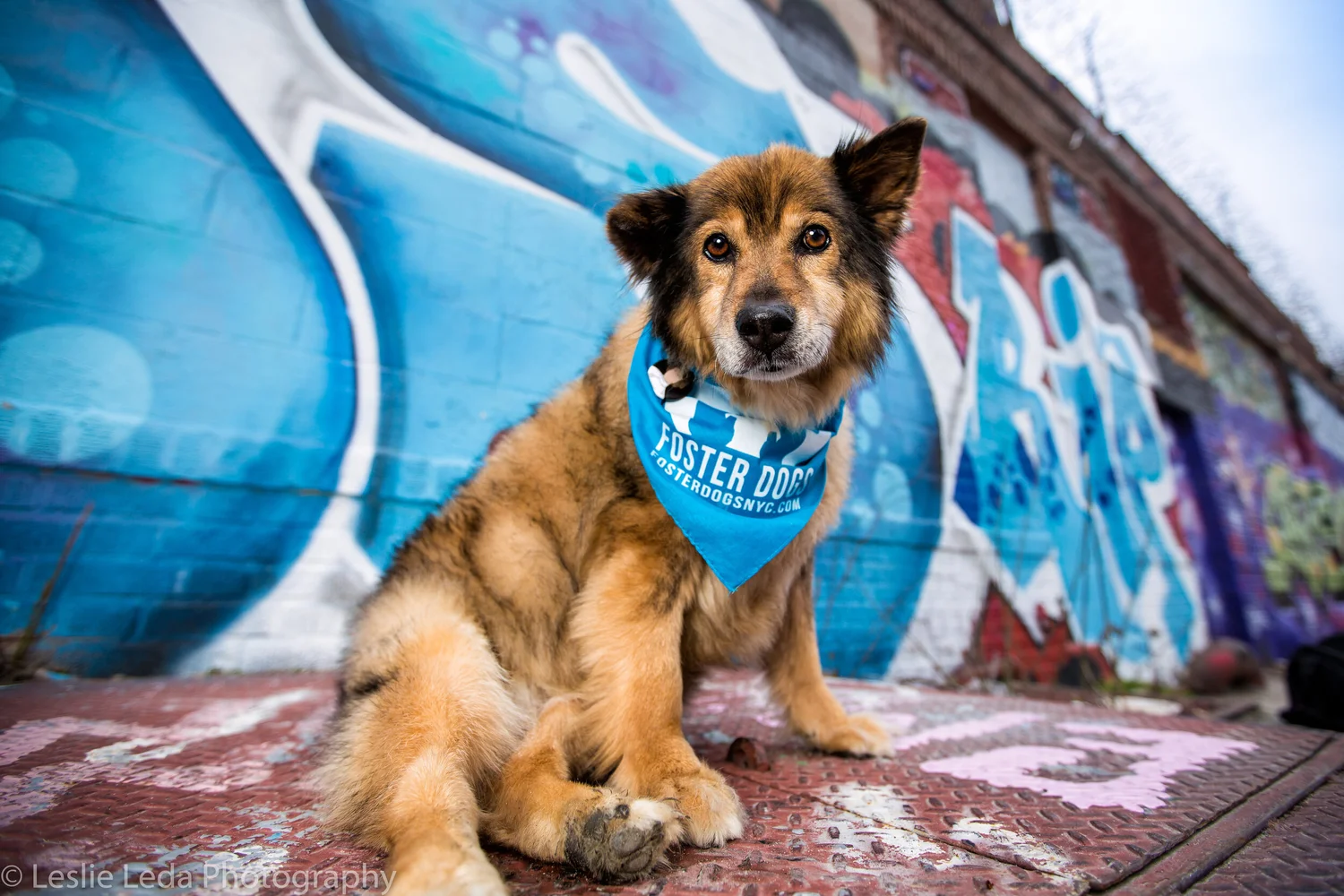
Credit: www.fosterdogsnyc.com
Frequently Asked Questions
What Is Dog Fostering?
Dog fostering involves temporarily caring for a dog in your home. It’s a commitment to provide love and care until the dog finds a permanent home. Fosters help socialize dogs, making them more adoptable. This experience can be rewarding and impactful, both for the dog and the foster family.
How Long Do You Foster A Dog?
The fostering duration varies depending on the dog’s needs. It can range from a few weeks to several months. Some dogs find homes quickly, while others take longer. Fostering agencies usually provide guidelines on expected timeframes, ensuring you’re prepared for the commitment involved.
Do You Need Experience To Foster A Dog?
No prior experience is necessary to foster a dog. Organizations provide training and support to first-time fosters. Enthusiasm, a love for animals, and a safe environment are the key requirements. Fostering is a learning experience, and you’ll gain valuable skills along the way.
What Are The Costs Of Fostering A Dog?
Most fostering organizations cover essential expenses like food and medical care. Fosters may cover minor costs like toys or treats. It’s advisable to clarify financial responsibilities with the organization beforehand. This ensures a clear understanding of what costs are covered during the fostering period.
Conclusion
Fostering a dog means giving a pet a safe home for some time. It helps dogs feel loved and cared for. You play a key role in their journey to find a forever home. Each small act of kindness makes a big difference.
It teaches patience, love, and responsibility. Many dogs need a chance to heal and grow. Your help brings hope and happiness to these animals. Fostering is a simple way to change lives, one dog at a time. It feels good to know you saved a life.
Would you consider opening your heart and home?

Emily Barker is the founder of ChillDogLife.com, a space dedicated to helping pup parents discover the best dog products, lifestyle tips, and cozy ideas for happier homes.
A lifelong dog lover, Emily combines her passion for pets with a knack for research to share trusted recommendations on everything from toys and furniture to health and everyday care.
Her goal is simple: to make life easier, stylish, and more joyful for dogs and the people who love them.




