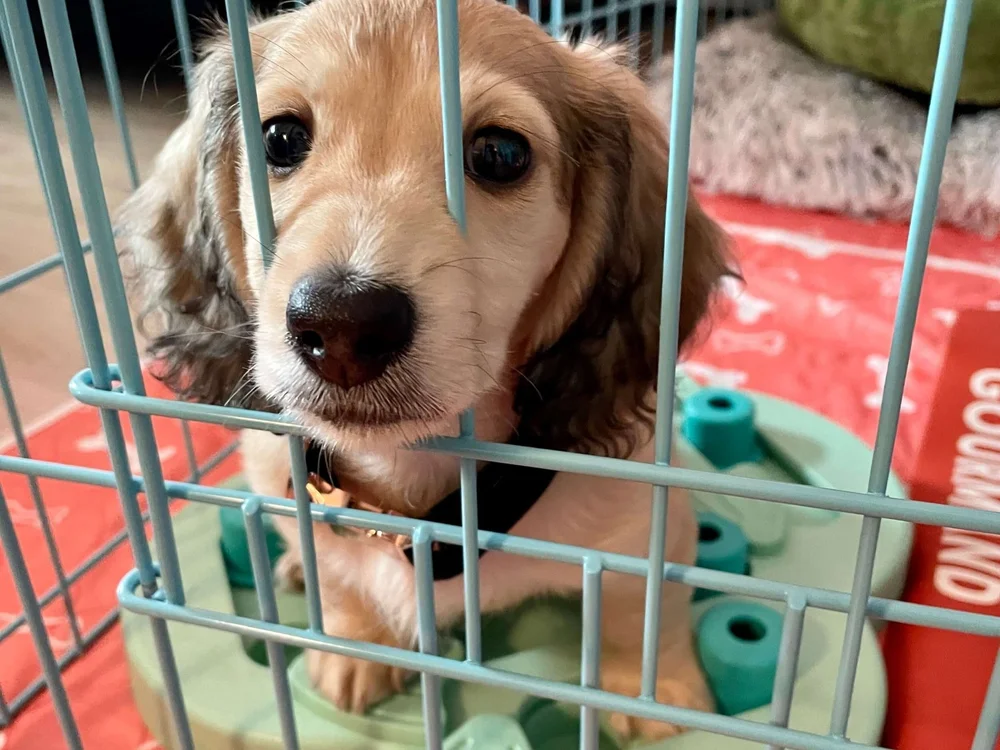
Have you ever wondered how long your dog can stay in a kennel without feeling stressed or uncomfortable? Whether you’re planning a trip or need a safe place for your furry friend during busy days, knowing the right amount of time your dog can spend in a kennel is crucial.
You want your dog to feel happy and secure, not lonely or anxious. Keep reading to discover the key factors that affect your dog’s comfort and how to make kennel time as smooth as possible for both of you.

Credit: www.care.com
Factors Affecting Kennel Duration
Several factors influence how long a dog can stay comfortably in a kennel. Each dog is unique, and understanding these factors helps ensure their well-being during kennel time. These elements affect the dog’s physical and emotional state while confined.
Dog’s Age And Health
Puppies and older dogs need shorter kennel stays. Young dogs require frequent breaks and more attention. Older dogs may have health issues that limit their time in a kennel. Dogs with medical conditions need extra care and monitoring.
Breed And Temperament
Different breeds handle kennel time differently. Active breeds may become restless quickly. Calm breeds might tolerate longer periods. Temperament plays a role in stress levels during confinement. An anxious dog may need shorter stays or special accommodations.
Kennel Size And Comfort
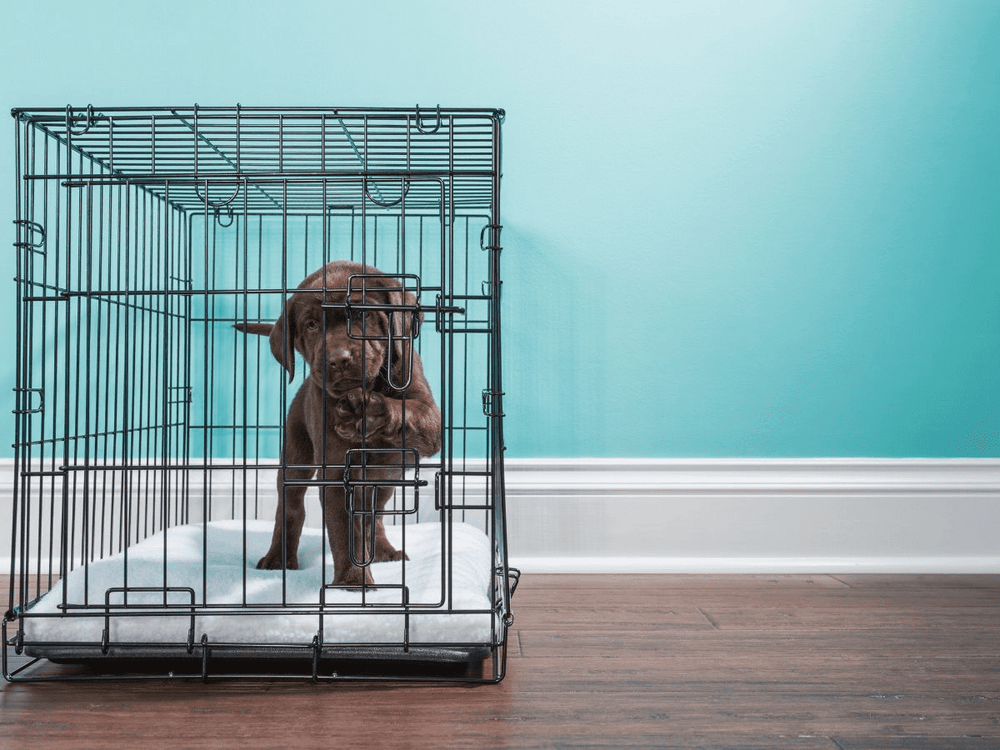
The kennel must be large enough for the dog to move freely. Space to stand, turn, and lie down is essential. Comfortable bedding and proper ventilation improve the dog’s experience. A cramped or poorly designed kennel can cause distress and discomfort.
Credit: www.thalinepal.com
Recommended Time Limits
Knowing the recommended time limits for keeping your dog in a kennel is key to ensuring their comfort and well-being. Dogs need regular exercise, social interaction, and mental stimulation, which can be compromised if they spend too long confined. Setting clear boundaries on kennel time helps prevent stress and behavioral problems.
Short-term Stays
Short-term kennel stays usually last a few hours up to a full day. This is ideal for times when you’re busy or running errands and can’t give your dog your full attention. Most dogs can handle this without issue, especially if they’re used to crate training and have familiar toys or blankets.
Try to keep these stays under 6 hours whenever possible. If your dog has been resting or sleeping, they’ll likely be calm and happy to relax. But if you notice restlessness or barking, it’s a sign they need a break sooner.
Extended Kenneling
Extended kenneling refers to leaving your dog in a kennel for more than 8 hours, often overnight or longer. This should be avoided unless absolutely necessary. Dogs require bathroom breaks, food, and mental engagement throughout the day.
When extended kenneling is unavoidable, provide plenty of exercise before and after. Consider scheduling multiple short breaks or hiring a pet sitter to visit during the day. Your dog’s health and happiness depend on these regular interactions.
Signs Your Dog Needs A Break
How can you tell if your dog has been in the kennel too long? Watch for pacing, whining, scratching at the door, or destructive behavior once released. These signs show your dog is stressed and needs more freedom.
Also, check for physical signs like restlessness or excessive panting. If your dog starts to avoid the kennel or seems anxious when entering, it’s time to reassess their kennel routine. Are you providing enough breaks and activities outside the kennel?
Preparing Your Dog For Kenneling
Getting your dog ready for time in a kennel can make all the difference in how they handle the experience. It’s not just about dropping them off and picking them up later. Thoughtful preparation helps your dog feel safe and less stressed, turning a potentially tough situation into a calm one.
Familiarizing The Space
Before kennel time, let your dog explore the space where they will stay. If possible, visit the kennel together a few times. Walk around the area, let your dog sniff and get used to the sounds and smells.
This simple step can reduce anxiety because your dog won’t feel like they’re stepping into the unknown. You can also try setting up a similar crate or small space at home to practice staying in it for short periods.
Providing Comfort Items
Bringing along familiar items can soothe your dog while they’re away from home. Pack their favorite blanket, toys, or even a piece of your clothing with your scent on it.
These items act like anchors, reminding your dog of home and making the kennel feel less lonely. Have you noticed how your dog curls up with a specific toy? That toy can be the key to comfort during kennel stays.
Establishing A Routine
Dogs thrive on routine. Try to keep feeding, walking, and playtimes consistent before and during their kennel stay.
This predictability helps your dog feel secure and understand what to expect each day. If the kennel can follow your dog’s usual schedule, it can make the transition smoother and reduce stress for both of you.
Safety Tips During Kennel Time
Keeping your dog safe and comfortable during kennel time is very important. Dogs need care and attention even when inside a kennel. Simple steps can make their stay better and less stressful. Focus on their basic needs and watch their behavior closely.
Hydration And Feeding
Always provide fresh water in the kennel. Change the water often to keep it clean. Feed your dog according to their usual schedule. Use a bowl that won’t tip over easily. Avoid leaving food for too long to prevent spoilage. Proper hydration and feeding keep your dog healthy and happy.
Regular Exercise
Dogs need exercise outside the kennel every day. Take your dog for walks before and after kennel time. Play with them to release energy and reduce stress. Exercise helps prevent anxiety and boredom inside the kennel. Even short activity sessions improve your dog’s mood.
Monitoring Behavior
Watch your dog’s behavior during kennel stays. Look for signs of stress like barking, whining, or pacing. Note any changes in eating or bathroom habits. Comfort your dog if they seem anxious. Report unusual behavior to a vet or trainer for advice. Early attention keeps your dog safe and calm.
Alternatives To Long Kennel Stays
Keeping your dog in a kennel for long periods can be stressful for both you and your pet. Luckily, there are several alternatives that provide comfort, care, and social interaction without the confinement. These options help maintain your dog’s well-being and reduce anxiety during your absence.
Doggy Daycare
Doggy daycare offers a lively environment where your dog can play and socialize with other dogs. It’s a great way to keep your pet active and mentally stimulated throughout the day. Many daycares provide structured activities, ensuring your dog doesn’t get bored or lonely.
Think about how your dog reacts to other dogs and new experiences. Would they enjoy a day filled with playtime and interaction? If yes, daycare could be a perfect fit that breaks up the day and provides exercise.
In-home Pet Sitting
In-home pet sitting allows your dog to stay in their familiar surroundings while receiving personalized care. A sitter visits your home to feed, walk, and play with your dog, reducing stress linked to new environments. This option suits dogs that prefer quiet time and minimal change.
Have you noticed your dog gets nervous in strange places? Sitting at home might help them stay calm and comfortable. Plus, it gives you peace of mind knowing your dog is exactly where they feel safest.
Family Or Friend Assistance
Enlisting help from family or friends can be a wonderful alternative to kennels. Someone your dog already trusts can provide companionship and care, making the experience less intimidating. This option often creates a more relaxed atmosphere for your dog.
Do you have a trusted neighbor or relative who knows your dog’s habits and needs? Their familiar presence can ease your dog’s anxiety and keep their routine steady. Plus, it strengthens bonds between your dog and loved ones.
Credit: www.sadiesrulesk9training.com
Frequently Asked Questions
How Long Can Dogs Stay In Kennels?
Dogs can typically stay in kennels for up to two weeks. However, each dog’s comfort varies. Factors like age, health, and temperament can influence their ability to handle kennel stays. Always monitor your pet’s behavior and consult with a veterinarian for personalized advice before extending the duration.
Are Long Kennel Stays Stressful For Dogs?
Yes, long kennel stays can be stressful for some dogs. Being away from their familiar environment might cause anxiety. To reduce stress, ensure the kennel provides proper care, attention, and playtime. Familiar items like toys and blankets can also help comfort your dog during their stay.
How Do I Prepare My Dog For Kennel Stays?
Preparing your dog for kennel stays involves gradual exposure. Start with short visits to the kennel. Bring along familiar items like their favorite toy or blanket. This helps them adjust to the new environment. Ensure vaccinations are up-to-date and communicate any special needs to the kennel staff.
What Should Kennels Provide For Dogs?
Kennels should provide a safe and clean environment for dogs. Essential services include regular feeding, water access, and exercise. They should also offer comfortable bedding and social interaction. Some kennels provide additional services like grooming and training. Always choose a kennel that meets your dog’s specific needs.
Conclusion
Dogs need breaks from kennels to stay happy and healthy. Short stays work best to avoid stress or boredom. Always watch your dog’s behavior for signs of discomfort. Give them plenty of water, toys, and comfort while inside. Remember, kennels are a tool, not a home.
Treat your dog with care and love during kennel time. This helps keep them calm and safe. A happy dog means a happy owner. Keep kennel time short and sweet for the best results.

Emily Barker is the founder of ChillDogLife.com, a space dedicated to helping pup parents discover the best dog products, lifestyle tips, and cozy ideas for happier homes.
A lifelong dog lover, Emily combines her passion for pets with a knack for research to share trusted recommendations on everything from toys and furniture to health and everyday care.
Her goal is simple: to make life easier, stylish, and more joyful for dogs and the people who love them.




