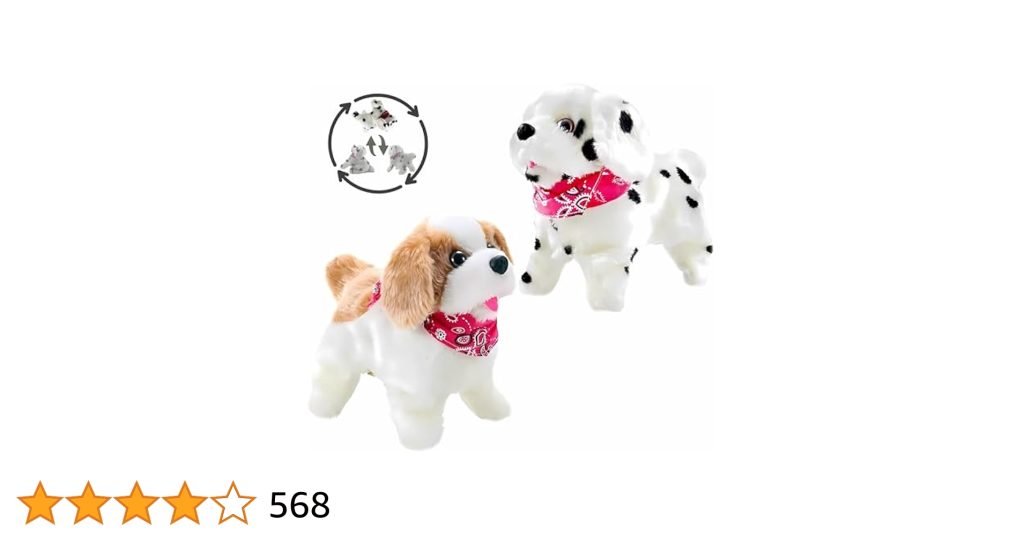
Are you curious about what makes a toy dog so special? Maybe you’ve seen these tiny pups and wondered if they’re the right fit for your home.
Toy dogs are more than just small dogs—they bring unique joy, companionship, and charm that can brighten your day in surprising ways. If you want to understand what a toy dog really is and how it could fit into your life, keep reading.
This guide will help you discover everything you need to know before welcoming one of these delightful little friends.
Toy Dog Breeds
Toy dog breeds are small, charming dogs loved by many. Their tiny size makes them perfect for apartments and small homes. These dogs bring joy and companionship with their lively spirits and adorable looks.
Many toy breeds have a rich history and unique traits. They often adapt well to family life and can be great pets for first-time dog owners. Understanding their characteristics helps in choosing the right breed for your lifestyle.
Popular Toy Breeds
- Chihuahua
- Pomeranian
- Yorkshire Terrier
- Maltese
- Pug
- Shih Tzu
- Papillon
Breed Characteristics
- Size: Usually under 10 pounds
- Coat: Can be long, short, curly, or smooth
- Lifespan: Often 12 to 16 years
- Exercise Needs: Low to moderate
- Grooming: Varies from minimal to regular brushing
Temperament Traits
- Friendly and social with family
- Alert and often vocal
- Affectionate and loves attention
- Can be stubborn but trainable
- Good with children and other pets when socialized
Size And Appearance
Toy dogs are small companions known for their charming size and looks. Their size makes them perfect for apartments and small spaces. Despite their tiny bodies, they often have big personalities. Their appearance varies widely across different breeds, giving each toy dog a unique charm. Understanding their size and appearance helps in choosing the right toy dog for your home.
Typical Weight And Height
Toy dogs usually weigh between 4 to 12 pounds. Their height ranges from 6 to 10 inches at the shoulder. This small size makes them easy to carry and manage. These dimensions make toy dogs ideal for people who want a compact pet. Their petite size does not mean they lack energy or spirit.
Coat Types And Colors
Toy dogs have various coat types, including smooth, long, curly, and wiry. The coat texture depends on the breed and care. Common coat colors include black, white, brown, cream, and combinations of these. Some toy dogs have solid colors, while others have spots or patterns. Their coat needs regular grooming to keep it healthy and shiny.
Care And Maintenance
Taking care of a toy dog means paying attention to their unique needs. These tiny companions require specific care to stay healthy and happy. Understanding their grooming, exercise, and diet needs will help you give your toy dog the best life possible.
Grooming Needs
Toy dogs often have delicate coats that need regular brushing to avoid mats and tangles. Depending on the breed, you might need to brush your dog daily or a few times a week. Bathing should be gentle and not too frequent—about once a month usually works.
Trimming around the eyes and paws keeps your dog comfortable and prevents infections. Nail clipping is important too; long nails can cause pain or walking problems. Have you noticed how a well-groomed toy dog seems more lively and confident?
Exercise Requirements
Despite their small size, toy dogs need daily exercise to stay fit and mentally sharp. Short walks and play sessions of 20 to 30 minutes usually suffice. Too much exercise can tire them out quickly, so pay attention to their energy levels.
Interactive toys and gentle games inside your home can keep your dog entertained on rainy days. How do you keep your toy dog active when outdoor time isn’t an option? Mixing short walks with indoor play can make a big difference.
Diet And Nutrition
Toy dogs have fast metabolisms but small stomachs, so feeding them small, frequent meals is ideal. Choose high-quality dog food formulated for small breeds to meet their energy needs. Avoid overfeeding, as toy dogs can easily gain weight, leading to health problems.
Fresh water should always be available. Adding a few healthy treats during training or play is great, but keep treats minimal to maintain a balanced diet. What treats does your toy dog love, and how do you keep them healthy at the same time?

Credit: www.amazon.ca
Health Concerns
Toy dogs are adorable companions, but their small size often comes with specific health concerns. Understanding these issues helps you care for your furry friend better and ensures a long, happy life. Knowing what to watch for and how to prevent problems is key to keeping your toy dog healthy.
Common Health Issues
Toy dogs often face unique health challenges due to their tiny frames. Dental problems are very common because their small mouths can crowd teeth, leading to pain and infections. You might notice bad breath or difficulty eating if this happens.
Patellar luxation, where the kneecap slips out of place, is another frequent issue. It can cause limping or reluctance to move. Toy dogs can also develop tracheal collapse, making breathing noisy or difficult, especially when excited or stressed.
Because of their size, toy dogs are prone to hypoglycemia (low blood sugar), which can cause weakness or seizures. If your dog seems unusually tired or shaky, check their sugar levels quickly. These health concerns need your attention early on to avoid serious complications.
Preventive Care Tips
Regular vet visits are crucial for spotting problems before they become serious. Schedule check-ups every six months, especially for dental cleanings and joint evaluations. Your vet can also guide you on the right diet to maintain your dog’s energy and weight.
Brush your toy dog’s teeth several times a week to reduce tartar buildup and prevent gum disease. Use a toothbrush and toothpaste designed for dogs to keep it safe and effective. Watch their activity to avoid overexertion, which can stress their joints and breathing.
Provide a warm, safe environment to help prevent hypoglycemia, especially for puppies. Feeding small, frequent meals can keep their blood sugar stable throughout the day. Have you noticed any unusual behavior in your toy dog lately? Early action can make all the difference.
Training And Socialization
Training and socialization are key to raising a happy toy dog. These small breeds need gentle guidance and positive experiences. Early training helps them learn good habits. Socialization teaches them to be comfortable around people and other pets. Both improve behavior and build a strong bond with their owner.
Basic Training Tips
Start with simple commands like sit, stay, and come. Use treats and praise to encourage good behavior. Keep training sessions short, around 5 to 10 minutes. Toy dogs have short attention spans. Be patient and consistent. Avoid harsh corrections; these dogs respond best to kindness. Practice training daily to reinforce lessons.
Social Behavior
Expose your toy dog to different people and places early. Introduce them to other dogs in calm settings. This reduces fear and aggression. Toy dogs often feel safer with familiar faces. Help them feel confident with new experiences. Watch their body language to avoid stress. Proper socialization leads to a friendly and well-adjusted pet.
Living With Toy Dogs
Living with toy dogs offers a unique blend of companionship and convenience. These small companions fit comfortably into many lifestyles, but understanding their needs is key to a happy home. Let’s look at how toy dogs adapt to different living situations and family dynamics.
Suitable Home Environments
Toy dogs thrive in smaller spaces like apartments or cozy homes because of their compact size. You don’t need a large backyard, but they still need daily walks and playtime to stay healthy and happy.
Consider the noise level in your home. Toy dogs can be sensitive to loud sounds, so a quieter environment helps them feel secure. If you live in a busy neighborhood, providing a calm indoor space can reduce their stress.
Have you thought about the temperature in your home? Toy breeds often have thin coats, so they might need sweaters or blankets during colder months to stay warm.
Compatibility With Families And Pets
Toy dogs usually get along well with children, but supervision is important. Their small size means they can be easily hurt by rough play. Teaching kids gentle handling ensures safety for everyone.
If you already have pets, toy dogs can fit in well with proper introductions. They often bond quickly with other dogs, but watch out for larger pets that might play too roughly or be unaware of the toy dog’s fragility.
Think about your family’s activity level. Toy dogs enjoy interactive time and respond well to training, making them great companions for families willing to engage daily. What steps will you take to include your toy dog in family routines?
Choosing The Right Toy Dog
Choosing the right toy dog is more than just picking a cute companion. It’s about finding a match that fits your daily habits, home environment, and long-term commitment. The right choice will bring joy and ease, while the wrong one can lead to frustration and unmet needs.
Matching Lifestyle And Breed
Each toy dog breed has unique traits. Some are energetic and need regular playtime, while others prefer quiet moments on your lap. Think about your daily routine—do you have time for frequent walks and active play?
For example, if you live in a small apartment and work long hours, a low-energy breed like the Chihuahua might suit you better than a lively Papillon. On the other hand, if you love outdoor activities, a toy breed with higher stamina could be a great partner.
Consider your household too. Do you have kids or other pets? Some toy breeds are more tolerant and social, while others prefer a calm environment. Matching your lifestyle with the breed’s personality helps prevent future challenges.
Adoption Vs. Buying
Deciding between adoption and buying impacts your experience and the dog’s future. Adoption gives a home to a dog in need and often includes health checks and initial training.
Buying from a reputable breeder allows you to learn about the puppy’s lineage and health history. However, it requires careful research to avoid unethical breeding practices.
Ask yourself: Are you prepared to handle a dog that might need extra care or training? Adoption might mean more patience but also more reward. Buying might offer predictability but demands due diligence.
Both paths have their value. The key is choosing a dog that fits your heart and your home.
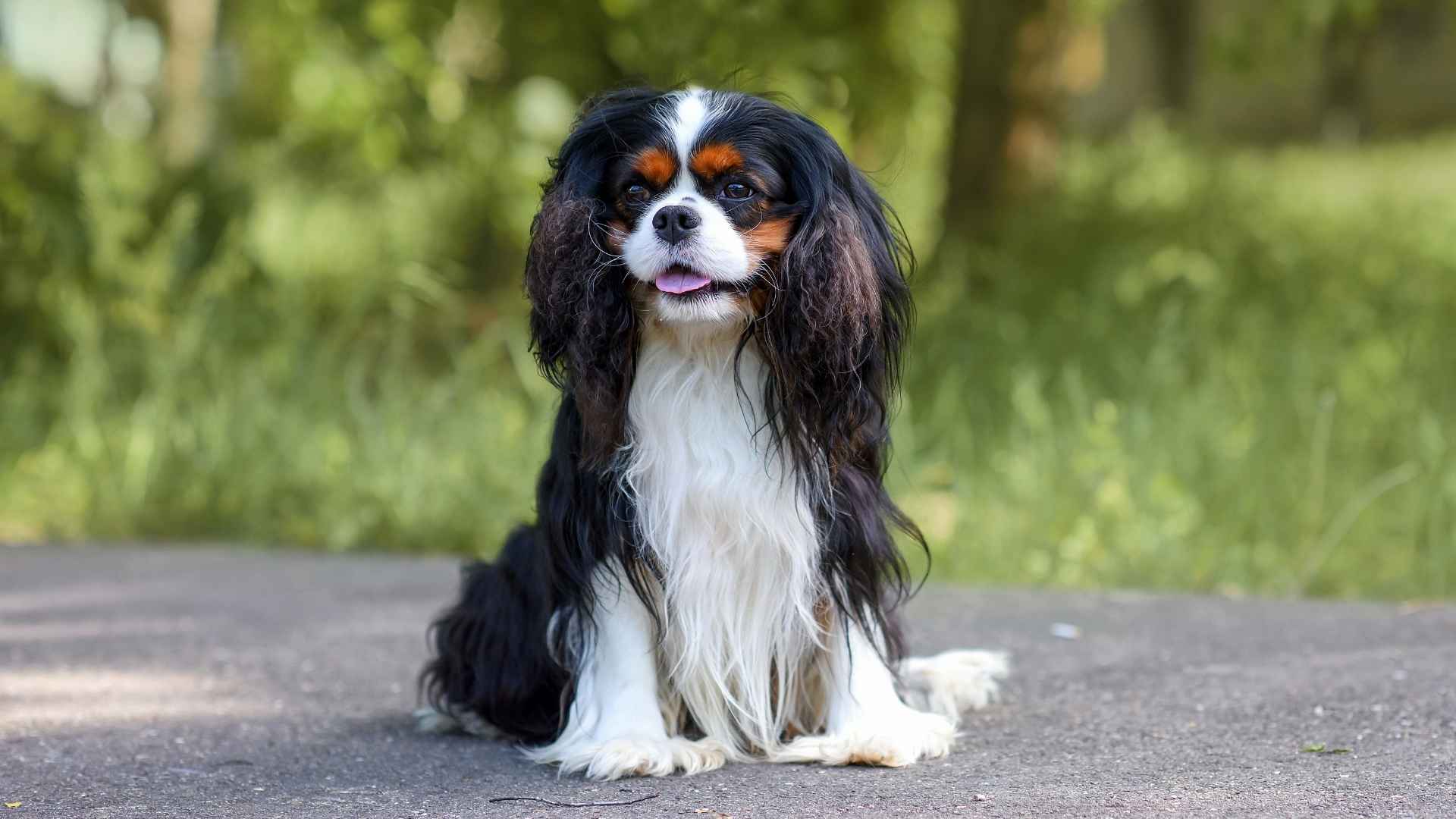
Credit: worldanimalfoundation.org
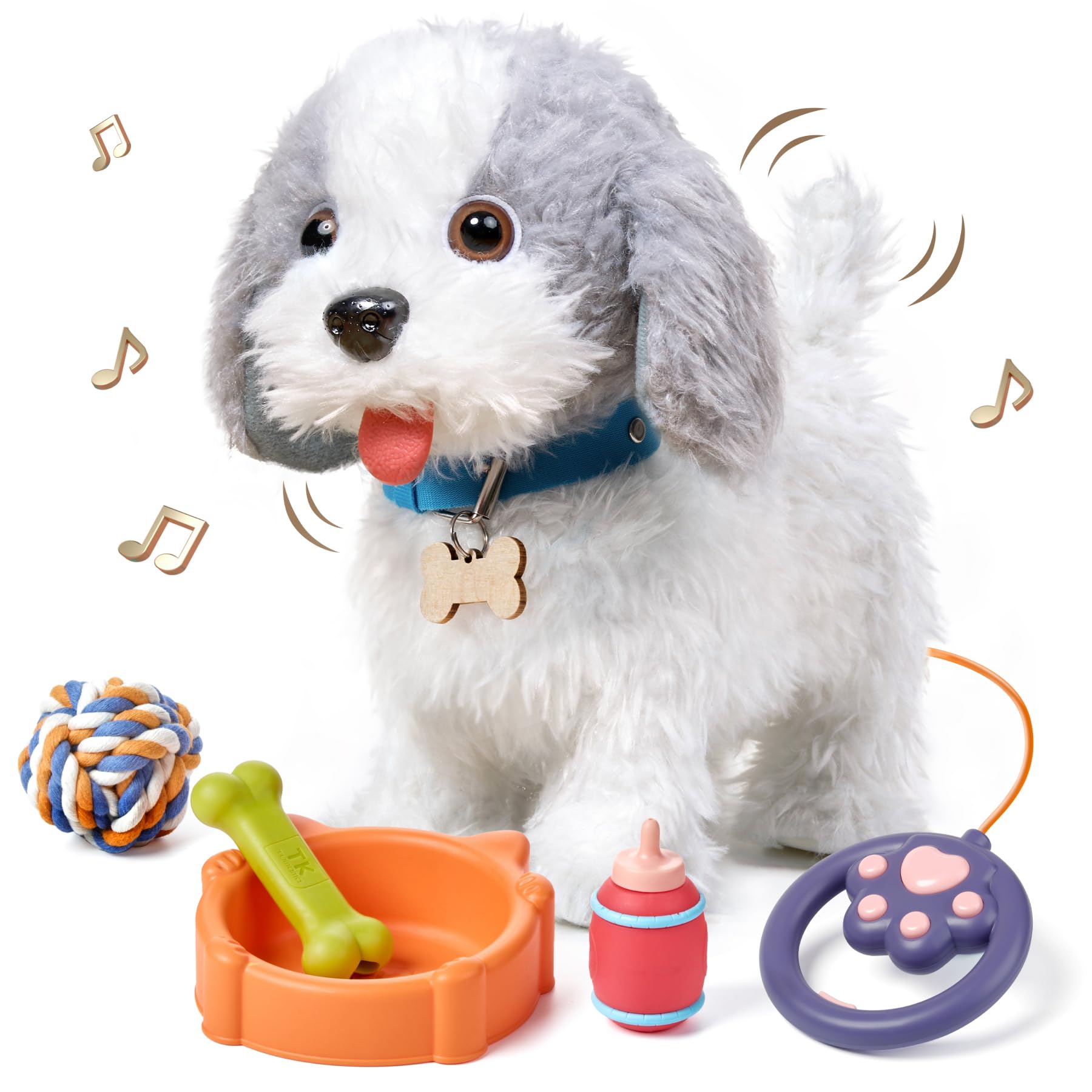
Credit: www.amazon.ca
Frequently Asked Questions
What Defines A Toy Dog Breed?
Toy dog breeds are small, weighing up to 15 pounds. They are bred for companionship, with gentle temperaments. These dogs are perfect for apartments or small homes. Despite their size, they are energetic and playful. Toy breeds include Chihuahuas, Pomeranians, and Maltese.
They often have long lifespans, providing years of joy.
Are Toy Dogs Good With Children?
Yes, toy dogs can be great with children. They are typically friendly and affectionate. However, supervision is crucial to prevent accidental injuries. Teach children to handle them gently. Toy dogs thrive in loving environments. Proper training and socialization enhance their compatibility with kids.
Remember, each dog’s temperament is unique.
How To Care For A Toy Dog?
Caring for a toy dog involves regular grooming and vet check-ups. Provide a balanced diet suitable for their size. Ensure they get daily exercise, like short walks or playtime. Socialize them with people and other pets. Monitor their health closely, as they can be prone to specific breed-related issues.
Do Toy Dogs Bark A Lot?
Toy dogs are known for being vocal. They often bark to alert owners or express excitement. Training can help manage excessive barking. Positive reinforcement techniques work well. Understanding their triggers is essential. Early socialization reduces anxiety-induced barking. Each breed has unique tendencies, so research is advisable before adopting.
Conclusion
Toy dogs are small, friendly, and full of personality. They fit well in apartments and small homes. These dogs need love and care like any other pet. They bring joy and companionship to many families. Choosing a toy dog means choosing a lively, loyal friend.
Their small size makes them easy to handle and train. Remember, every dog needs attention and proper care. Toy dogs can brighten your days with their charm. They are perfect for people who want a gentle, playful pet.

Emily Barker is the founder of ChillDogLife.com, a space dedicated to helping pup parents discover the best dog products, lifestyle tips, and cozy ideas for happier homes.
A lifelong dog lover, Emily combines her passion for pets with a knack for research to share trusted recommendations on everything from toys and furniture to health and everyday care.
Her goal is simple: to make life easier, stylish, and more joyful for dogs and the people who love them.




