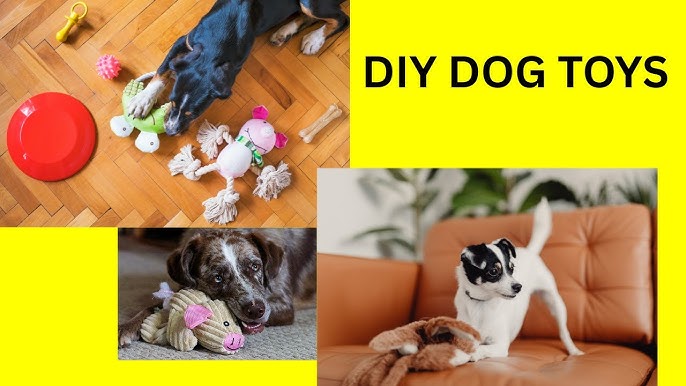
Are you looking for fun and affordable ways to keep your dog happy and entertained? Making DIY dog toys is easier than you think, and it’s a great way to show your furry friend some extra love.
Imagine watching your dog’s tail wag with excitement as they play with a toy you created just for them. In this guide, you’ll discover simple, safe, and creative ideas that anyone can try at home. Ready to surprise your dog with something special?
Let’s get started!

Credit: www.marymarthamama.com
Benefits Of Diy Dog Toys
Making DIY dog toys brings many benefits for both pets and owners. It allows you to create safe, fun, and unique toys tailored to your dog’s needs. Crafting toys at home also offers a chance to use materials wisely and reduce waste. Enjoy the process of making something special for your furry friend.
Cost Savings
DIY dog toys help save money. Store-bought toys can be expensive and wear out fast. Using household items or inexpensive materials cuts costs. You can make multiple toys without spending much. This is great for dogs who chew a lot or lose toys often.
Customization Options
Making toys yourself lets you customize size, shape, and texture. Choose fabrics and stuffing safe for your dog. Tailor toys to your dog’s play style and chewing habits. Add scents or sounds to keep your dog interested. Personalization ensures your dog enjoys every toy.
Eco-friendly Materials
DIY toys often use recycled or natural materials. Old clothes, towels, or socks can become new toys. This reduces plastic waste and saves the planet. Using eco-friendly materials means fewer chemicals and toxins around your dog. It’s a simple way to protect the environment and your pet.
Safe Materials For Dog Toys
Choosing the right materials for your DIY dog toys is crucial for your pet’s safety and enjoyment. Unsafe materials can cause choking hazards, allergic reactions, or other health issues. Let’s look at some practical tips to help you pick safe and durable items for your furry friend.
Non-toxic Fabrics
Always select fabrics that are free from harmful chemicals and dyes. Organic cotton, felt, and fleece are great choices because they are soft and safe if your dog chews on them. Avoid synthetic materials that might contain toxins or irritants.
I once made a tug toy using old t-shirts, ensuring they were washed with pet-safe detergent. Not only did my dog love it, but I also felt confident it wouldn’t cause any harm. What fabrics do you have at home that could be repurposed safely?
Durable Components
Your dog’s toy should withstand rough play without falling apart. Look for strong threads, reinforced seams, and sturdy fabrics that won’t shred easily. Materials like denim or canvas work well for toys that need to last.
Consider using old jeans or heavy-duty fabric scraps to create toys. These can take a beating and reduce the chance of small pieces breaking off. Would your dog’s chewing style benefit from a tougher toy?
Avoiding Small Parts
Small parts like buttons, beads, or plastic eyes can be dangerous if swallowed. Instead, opt for embroidered features or securely stitched designs to keep your toy safe. Loose parts increase the risk of choking or digestive blockages.
When I made a squeaky toy, I sewed the sound device inside layers of fabric without any exposed parts. This kept the toy intact and safe during playtime. How can you redesign your toy ideas to eliminate small, detachable pieces?
Simple Diy Toy Ideas
Creating simple DIY dog toys is a fun way to keep pets entertained and happy. These toys use everyday items found at home. They are safe, budget-friendly, and easy to make. Crafting toys also strengthens the bond between owner and dog. Here are some easy ideas to try today.
T-shirt Rope Tug Toy
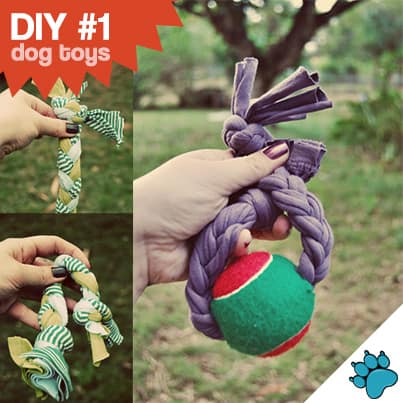
Use an old t-shirt to make a tug toy. Cut the shirt into long strips. Braid the strips tightly for durability. Knot both ends to secure the braid. This toy is great for playing tug-of-war. It is soft on your dog’s teeth and easy to wash.
Tennis Ball Treat Dispenser
Take a tennis ball and cut a small hole in it. Make the hole big enough for treats to fall out slowly. Fill the ball with small dog treats. Let your dog roll the ball to get the treats. This toy stimulates their mind and encourages activity.
Sock And Ball Puzzle
Find a clean sock and a small ball. Place the ball inside the sock’s toe area. Tie a knot just above the ball to keep it inside. Your dog will enjoy shaking and chewing this puzzle toy. It challenges their problem-solving skills in a fun way.

Credit: pfoten.net
Interactive Toys To Stimulate Dogs
Interactive toys are fantastic for keeping your dog mentally sharp and physically active. They challenge your dog to think, problem-solve, and stay engaged, which can reduce boredom and destructive behavior. Creating these toys yourself allows you to customize the difficulty and materials based on what your dog enjoys most.
Hide And Seek Treat Toys
Hide and seek treat toys are simple but highly effective. You can use old tennis balls or empty plastic bottles with holes cut out just big enough for treats to fall through.
Hide small treats inside and let your dog figure out how to get them. Watching your dog use its nose and paws to free the treats is rewarding for both of you.
Have you noticed how much your dog’s tail wags when they finally get that last treat? It’s a sign that this game truly excites them.
Snuffle Mats
Snuffle mats mimic grass and encourage natural foraging behavior. You make them by tying strips of fleece to a rubber mat with holes, creating lots of little pockets.
Scatter dry kibble or small treats inside the fleece layers. Your dog will love sniffing and digging through the mat to find every piece.
This toy works wonders for slowing down fast eaters while stimulating their mind. Can you imagine the satisfaction your dog feels sniffing out hidden rewards?
Diy Puzzle Boxes
DIY puzzle boxes can be as simple or complex as you want. Use a cardboard box and cut different-sized holes where treats can be hidden inside.
Add obstacles like small cups or tubes inside to make your dog figure out how to move things around. This kind of toy improves problem-solving skills and keeps your dog curious.
Try changing the setup every week to keep the challenge fresh. What new puzzles can you create to keep your dog’s brain working hard?
Repurposing Household Items
Repurposing household items offers a simple and eco-friendly way to make dog toys. It saves money and reduces waste. Many common items can become fun and safe toys for dogs. This approach lets you create custom toys that match your dog’s play style.
Choose items that are clean and free of sharp edges. Always supervise your dog while playing with homemade toys. Replace toys if they become worn or damaged.
Using Old Socks
Old socks make great chew toys and tug ropes. Fill a sock with soft stuffing or another sock for extra bulk. Tie a strong knot at the open end to keep everything inside. Some dogs love to shake and carry sock toys around.
For extra fun, insert a tennis ball inside the sock before tying it. This creates a bouncy toy that dogs enjoy chasing. Wash the sock toy regularly to keep it fresh and safe.
Recycling Plastic Bottles
Empty plastic bottles become crunchy chew toys. Remove the cap and label before giving it to your dog. The crackling sound can excite your pet during playtime.
Wrap the bottle in a piece of old fabric or a sock to soften it. This prevents sharp edges from hurting your dog’s mouth. Always check the bottle for cracks or broken parts after use.
Upcycling Fabric Scraps
Fabric scraps turn into braided tug toys or soft chew toys. Cut strips of fabric and braid them tightly for strength. Tie knots at both ends to secure the braid.
Use old t-shirts, jeans, or cotton cloth for durability. These toys are gentle on teeth and perfect for gentle chewers. Wash fabric toys often to keep them clean and safe.
Tips For Toy Durability
Making durable DIY dog toys saves money and keeps your pet happy. Strong toys last longer and resist rough play. Follow these tips to build toys that stand up to chewing and tugging.
Reinforcing Seams
Seams are the weakest points in most dog toys. Use double stitching or a strong sewing pattern to secure them. Backstitch at the start and end of each seam to prevent unraveling. Consider using nylon thread for extra strength. This ensures the toy holds together during intense play.
Choosing Strong Materials
Select materials that resist tearing and biting. Heavy-duty fabrics like canvas or denim work well. Avoid thin or delicate fabrics that rip easily. Natural rubber or tough fleece can add durability. Use stuffing that does not clump or break apart. Durable materials make your toy last longer and safer for your dog.
Regular Safety Checks
Inspect toys regularly for loose threads, holes, or damage. Remove or repair toys showing wear to avoid choking hazards. Wash toys often to keep them clean and odor-free. Replace toys that become too worn or unsafe. Regular checks protect your dog and extend the toy’s life.
Engaging Dogs With Homemade Toys
Engaging dogs with homemade toys offers fun and learning in one package. These toys boost your dog’s mental and physical health. They also deepen the bond between you and your furry friend. Simple materials and creativity make toys that keep dogs curious and happy.
Training With Toys
Toys can turn training sessions into exciting moments. Use homemade toys to teach commands and tricks. Reward your dog with playtime using the toy. This builds positive habits and makes learning fun. Soft tug toys or treat puzzles work well for training.
Encouraging Playtime
Playtime helps dogs burn energy and reduce stress. Homemade toys invite dogs to chase, fetch, and chew. Use bright colors and interesting textures to catch their attention. Safe and durable toys keep dogs engaged longer. Playtime with toys also prevents boredom and bad behavior.
Rotating Toys For Interest
Dogs lose interest in the same toys quickly. Rotate homemade toys every few days to keep excitement high. Store some toys out of reach and swap them regularly. This makes each toy feel new and special again. Rotating toys helps maintain your dog’s curiosity and happiness.
Credit: pethero.co.za
Frequently Asked Questions
How Do I Make A Diy Dog Toy?
To make a DIY dog toy, use materials like old t-shirts, tennis balls, or ropes. Braid or knot them to create interactive toys. Ensure they are durable and safe for your dog to chew. DIY toys can be a cost-effective way to engage and entertain your pet.
What Are Safe Materials For Dog Toys?
Safe materials for dog toys include natural rubber, cotton, and fleece. Avoid toxic substances like lead or BPA. Always choose non-toxic, durable materials that withstand chewing. Regularly inspect toys for wear and tear to prevent choking hazards. Safety should be your top priority when making or choosing dog toys.
How Do I Make A Rope Toy For Dogs?
To make a rope toy, braid three long strips of fabric tightly. Knot both ends securely to prevent unraveling. Use durable materials like old t-shirts or towels. Rope toys are great for tug-of-war and chewing. Always supervise your dog during play to ensure safety.
What Are The Benefits Of Diy Dog Toys?
DIY dog toys are cost-effective and customizable. They provide mental stimulation and physical exercise for your pet. Making toys at home allows you to choose safe, durable materials. Personalizing toys can cater to your dog’s preferences and play style, enhancing their enjoyment and well-being.
Conclusion
Making DIY dog toys saves money and keeps pets happy. You can use simple materials found at home. These toys help your dog stay active and healthy. Always check toys for safety before giving them. Have fun creating and sharing toys with your furry friend.
Small efforts bring big joy to your dog’s day. Try different ideas and see what your dog loves most. Keep playtime safe and exciting with homemade toys.

Emily Barker is the founder of ChillDogLife.com, a space dedicated to helping pup parents discover the best dog products, lifestyle tips, and cozy ideas for happier homes.
A lifelong dog lover, Emily combines her passion for pets with a knack for research to share trusted recommendations on everything from toys and furniture to health and everyday care.
Her goal is simple: to make life easier, stylish, and more joyful for dogs and the people who love them.




