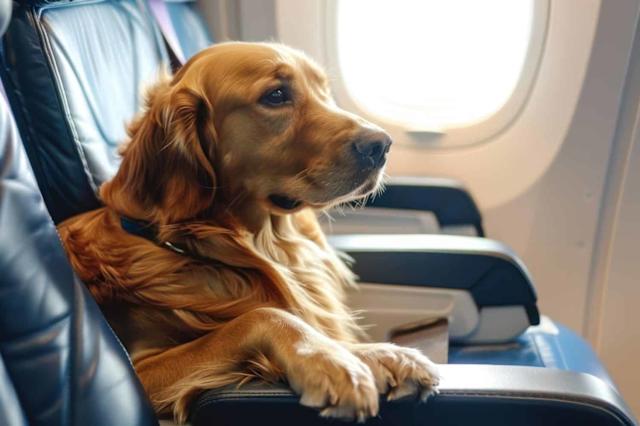
Traveling with your dog on a plane can feel overwhelming. You want to keep your furry friend safe and comfortable, but the rules and preparations might seem confusing.
What do you need to pack? How do you choose the right carrier? Will your dog be allowed in the cabin or need to go in the cargo hold? If you’ve asked yourself these questions, you’re in the right place.
This guide will walk you through everything you need to know to travel smoothly with your dog by plane. Keep reading to make your next trip stress-free for both you and your pet.
Preparing For Air Travel With Your Dog
Preparing for air travel with your dog requires careful planning. Each step helps ensure a smooth and safe journey for your pet. Proper preparation reduces stress for both you and your dog. Focus on key areas like choosing the right carrier, booking the flight, and completing health checks.
Choosing The Right Carrier
Select a carrier that fits your dog's size and comfort needs. It must meet airline regulations for in-cabin or cargo travel. Look for carriers with good ventilation and secure locks. Soft-sided carriers are flexible and fit under seats easily. Hard-sided carriers offer extra protection for strong or anxious dogs.
- Measure your dog while standing and lying down
- Ensure enough space for turning and lying comfortably
- Check airline carrier size requirements
- Choose a carrier with a leak-proof bottom
Booking Your Flight
Book your flight early to secure a spot for your dog. Some airlines limit the number of pets per flight. Confirm the airline’s pet travel policy before buying tickets. Choose direct flights to reduce travel time and stress. Inform the airline you will travel with a dog at booking.
- Reserve your pet’s spot as soon as possible
- Consider flight times when your dog is usually calm
- Ask about fees and necessary paperwork
- Prepare for security screening with your pet
Health Checks And Vaccinations
Visit the vet well before the flight. Ensure your dog’s vaccinations are current and valid. Obtain a health certificate stating your dog is fit to fly. Discuss travel anxiety or motion sickness with your vet. Keep all documents handy during the trip.
- Schedule a vet check 10-14 days before travel
- Update rabies and other required vaccines
- Request a health certificate from your vet
- Ask about calming options if needed
Credit: www.discovermagazine.com
Airport Procedures For Traveling Dogs
Traveling with your dog through the airport can be a smooth experience if you understand the specific procedures involved. Airports have clear rules to keep pets safe and ensure the process moves quickly for everyone. Knowing what to expect at each stage will help you stay calm and keep your dog comfortable.
Check-in Process
Check-in for traveling dogs usually requires extra time, so arrive early to avoid stress. You’ll need to present your dog's health certificates, vaccination records, and booking confirmation at the counter. The staff may ask questions about your dog’s breed, size, and temperament to decide if they travel in the cabin or cargo.
Some airlines require you to fill out additional paperwork or pay a pet fee. Have your dog’s carrier ready for inspection—it should meet airline size and ventilation standards. I once forgot a key document and had to wait while the airline verified details, so double-check everything before you leave home.
Security Screening
At security, you’ll handle your dog while the carrier goes through the X-ray machine. You’ll be asked to carry your dog through the metal detector. If your dog is nervous or large, request a private screening area to reduce stress.
Keep treats or a favorite toy handy to calm your pet during this process. Watch how your dog reacts and be prepared to reassure them with gentle words. Have you noticed how much your dog picks up on your mood during these moments?
Waiting Areas
After security, find a quiet spot away from crowds to wait before boarding. Airports vary in their pet-friendly amenities—some offer designated pet relief areas. Use these spaces to let your dog stretch and relieve themselves before the flight.
Bring water and a collapsible bowl to keep your dog hydrated, especially if delays occur. Sitting in a busy terminal can be overwhelming for pets, so consider using a lightweight blanket over the carrier to create a cozy, calm environment. What small comforts could you add to make waiting easier for your dog?
In-flight Tips For Dogs And Owners
Flying with a dog can be stressful for both the pet and the owner. The cabin environment is unfamiliar and noisy. Dogs may feel anxious or restless. Preparing for these challenges helps make the trip smooth and safe. These tips focus on keeping your dog calm, managing feeding and hydration, and handling noise and movement during the flight.
Keeping Your Dog Calm
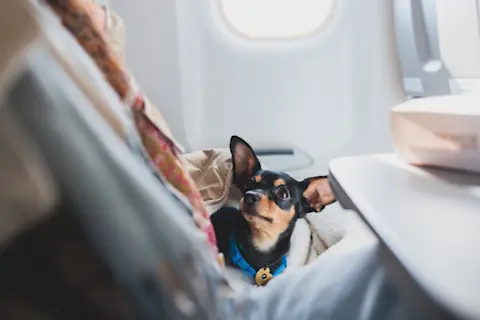
Stay relaxed to help your dog feel safe. Speak softly and use a calm tone. Bring your dog’s favorite blanket or toy. These familiar items provide comfort and reduce stress. Avoid sudden movements or loud noises near your dog. Offer gentle petting if your dog enjoys it. Practice deep breathing to stay composed yourself. Your calm energy helps your dog remain calm too.
Feeding And Hydration
Feed your dog a small meal a few hours before boarding. Avoid heavy or rich food to prevent stomach upset. Provide fresh water before and after the flight. Carry a portable water bowl for easy access. Limit water intake during the flight to avoid accidents. Do not feed your dog during takeoff or landing. This reduces the chance of nausea or choking.
Managing Noise And Movement
Use a snug and well-ventilated crate or carrier. This keeps your dog secure and reduces stress. Cover the crate lightly with a breathable cloth to block bright lights. Bring ear protection if your dog is noise-sensitive. Gently reassure your dog during turbulence or loud noises. Avoid taking your dog out of the carrier during the flight. Movement can increase anxiety and disturb other passengers.

Credit: www.reddit.com
Dealing With Different Airlines’ Policies
Traveling with your dog on a plane means navigating a maze of airline policies. Each airline has its own rules that can affect how you plan your trip. Understanding these differences early can save you from last-minute surprises and help keep your pet comfortable throughout the journey.
In-cabin Vs. Cargo Travel
Some airlines allow small dogs to travel in the cabin with you, while larger pets may need to fly in the cargo hold. Airlines usually set size and weight limits for in-cabin pets, so check your dog’s measurements against those rules.
Flying in the cabin means your dog stays close, which can reduce stress. But if your dog must fly cargo, research how the airline handles pet safety and temperature control. Have you checked whether your dog’s breed or temperament suits in-cabin travel?
Breed And Size Restrictions
Many airlines restrict certain breeds, especially brachycephalic dogs like pugs or bulldogs, due to breathing issues at high altitudes. Some carriers won’t accept pets above a certain size or weight for in-cabin travel.
Knowing these restrictions early helps you decide whether to book with a specific airline or look for alternatives. If your dog falls into a restricted breed or size, consider how this impacts your travel comfort and their wellbeing.
Additional Fees And Documentation
Almost all airlines charge extra fees for traveling with pets, but the amount varies widely. Some airlines charge a flat fee; others base the cost on the pet’s size or the length of the flight.
Documentation is just as important. Airlines may require health certificates, proof of vaccinations, or special permits. Have you gathered all the necessary paperwork to avoid delays at the airport?
Post-flight Care For Your Dog
After your plane touches down, your dog’s journey isn’t quite over. Post-flight care is essential to help your furry friend recover from the travel experience and settle into their new environment. Paying attention to their needs right after the flight can make a huge difference in their comfort and well-being.
Handling Jet Lag And Stress
Dogs can experience jet lag just like humans. Their internal clocks get disrupted, especially after crossing multiple time zones. You might notice your dog acting restless or unusually tired.
Help them adjust by keeping their routine as normal as possible. Try to feed and walk them at the usual times according to the new local time. Patience is key—stress can linger for a day or two, but gentle care will ease their transition.
Hydration And Exercise
Air travel often dehydrates your dog, so offering fresh water as soon as you land is crucial. Don’t wait until they seem thirsty—proactively provide water to prevent dehydration.
Exercise is equally important to help your dog stretch out and relieve built-up tension. A short walk or play session can work wonders. This also helps regulate their digestion and keeps their mood balanced.
Recognizing Signs Of Discomfort
Being alert to signs of discomfort can prevent minor issues from becoming serious. Watch for excessive panting, whining, or unusual behavior such as hiding or refusing to eat.
If your dog shows any of these signs, give them space and comfort, but also consider a quick check-up with a vet if symptoms persist. Your attentiveness can make a real difference in their recovery.

Credit: www.aol.com
Frequently Asked Questions
Can Dogs Fly In The Cabin With You?
Yes, small dogs can fly in the cabin if they fit under the seat. Airlines have specific size and weight limits. Always check with your airline for their pet policy. Your dog must remain in a carrier during the flight.
Booking in advance is recommended as space is limited.
What Documents Are Needed For Flying With A Dog?
You will need a health certificate issued by a vet, usually within 10 days of travel. Some airlines require proof of vaccinations. International flights may need additional documentation, like a pet passport. Always check your airline’s and destination’s specific requirements beforehand to ensure a smooth journey.
How Do You Prepare A Dog For Air Travel?
Start by familiarizing your dog with its carrier. Take short trips to get your dog accustomed. Ensure your dog is comfortable and relaxed in confined spaces. Feed your dog a light meal a few hours before the flight. Avoid sedatives unless advised by a veterinarian.
How Much Does It Cost To Fly A Dog?
The cost varies by airline and destination. Typically, flying a dog in the cabin ranges from $50 to $250. Checked baggage and cargo options may be more expensive. Always check your airline’s pet fees and book in advance to avoid surprises.
Factor in additional costs like carrier and travel supplies.
Conclusion
Traveling with your dog on a plane takes some planning. Pack their favorite toys and snacks for comfort. Always check airline rules before booking your ticket. Keep your dog calm with gentle words and care. Remember to arrive early for smooth check-in.
Traveling can be fun for both you and your pet. A little preparation helps your dog feel safe. Enjoy your trip and create happy memories together.

Emily Barker is the founder of ChillDogLife.com, a space dedicated to helping pup parents discover the best dog products, lifestyle tips, and cozy ideas for happier homes.
A lifelong dog lover, Emily combines her passion for pets with a knack for research to share trusted recommendations on everything from toys and furniture to health and everyday care.
Her goal is simple: to make life easier, stylish, and more joyful for dogs and the people who love them.




