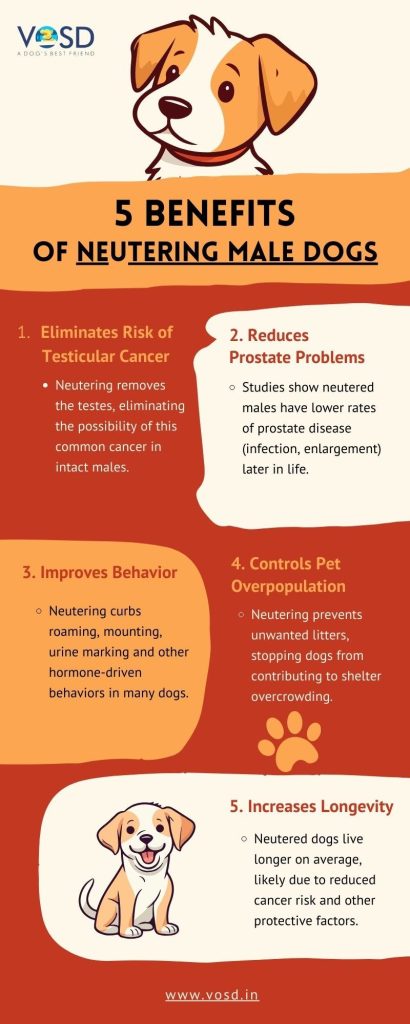
Are you thinking about neutering your dog but unsure if it’s the right choice? Understanding the benefits can help you make the best decision for your furry friend’s health and happiness.
Neutering is more than just a routine procedure—it can improve your dog’s behavior, protect them from serious health risks, and even make life easier for you as a pet owner. Keep reading to discover how neutering can bring lasting positive changes to your dog’s life and strengthen the bond you share.
Health Advantages
Choosing to neuter your dog offers more than just behavior benefits—it can significantly boost their overall health. Understanding these health advantages can help you make an informed decision that supports your dog’s well-being for years to come. Here’s a closer look at how neutering impacts your dog’s health.
Lower Risk Of Certain Cancers
Neutering reduces the risk of testicular cancer to zero since the testicles are removed during the procedure. It also lowers the chances of prostate problems, including cancer.
Many pet owners notice peace of mind knowing their dogs are less likely to develop these serious illnesses. Have you considered how cancer prevention might improve your dog’s quality of life?
Prevention Of Reproductive Diseases
Neutering prevents infections like pyometra, a dangerous uterine infection common in unspayed females. It also reduces the risk of prostate infections and inflammation in males.
These diseases can cause severe pain and require expensive treatment. Avoiding them can save you unexpected vet bills and keep your dog comfortable.
Improved Longevity
Studies show neutered dogs often live longer than those left intact. This is partly due to fewer health complications and less risky behaviors like roaming or fighting.
Your dog’s lifespan could be extended by years, giving you more time to share memories and adventures together. Isn’t that a goal worth aiming for?
Behavioral Improvements
Neutering your dog can lead to noticeable behavioral improvements that make life easier for both you and your pet. Many dog owners find that after neutering, their dogs become more manageable and less prone to troublesome behaviors. These changes can improve your dog’s quality of life and strengthen your bond.
Reduced Aggression And Roaming
Neutering often lowers aggressive tendencies in dogs. This is because it reduces testosterone levels, which influence dominance and territorial behavior.
Dogs that aren’t neutered tend to roam more, searching for mates. After neutering, many dogs show less interest in wandering off, helping keep them safe and close to home.
Have you noticed your dog trying to escape or act aggressively? Neutering might be the key to calming these instincts.
Decreased Marking And Mounting
Marking with urine can be a frustrating problem, especially indoors. Neutered dogs generally mark less because their urge to claim territory diminishes.
Mounting behavior, often linked to dominance or hormonal drives, usually decreases after neutering. This makes social interactions with other pets and people smoother.
Imagine fewer awkward moments during visits or walks. That’s a practical benefit you might appreciate right away.
Calmer Temperament
Many dog owners report a calmer, more relaxed pet post-neutering. This doesn’t mean your dog loses personality, but the hyperactive or overly excitable behavior tends to soften.
A calmer dog is easier to train and less likely to develop anxiety or stress-related behaviors.
Would a more peaceful companion make your daily routine less stressful? Neutering often helps achieve this balance.
Population Control
Population control is a crucial reason to consider neutering your dog. It directly affects the number of stray and unwanted animals in your community. Taking action on this can save countless lives and reduce the stress on local shelters.
Reducing Unwanted Litters
Neutering prevents your dog from contributing to unplanned litters. Every unplanned litter increases the number of puppies needing homes, often overwhelming families and shelters. You can help stop the cycle of abandonment by ensuring your pet doesn’t reproduce accidentally.
Think about how many dogs you see in your neighborhood without a home. Each one likely came from an unwanted litter. By neutering your dog, you’re playing a part in lowering those numbers.
Impact On Shelter Overcrowding
Shelters are often packed beyond capacity, with many dogs waiting for adoption. Neutering lowers the number of stray and surrendered dogs entering these shelters. This means fewer resources are stretched thin, and more animals receive the care they deserve.
Your decision to neuter can make a direct difference in reducing overcrowding. It helps shelters focus on improving conditions and increasing adoption rates instead of managing endless intake.
Community Benefits
Neutering dogs benefits the entire community by reducing stray populations. Fewer strays mean fewer risks of diseases, accidents, and disturbances caused by roaming animals. Your choice supports a safer and healthier environment for everyone.
Have you noticed how neighborhoods with many stray animals tend to face more challenges? Neutering helps address these issues at the root, creating a more balanced and responsible pet-owning culture.

Credit: 4pawsclinic.org
Financial Savings
Neutering your dog can lead to significant financial savings that benefit both your wallet and your peace of mind. While the upfront cost of the procedure might seem like an expense, the long-term reduction in medical and behavioral costs can be substantial. Have you considered how much you could save by preventing common health issues and troublesome behaviors?
Lower Veterinary Costs Over Time
Neutered dogs are less likely to develop costly health problems such as testicular cancer, prostate disease, and certain infections. These conditions often require expensive treatments and ongoing veterinary visits.
By neutering, you reduce the chance of emergency vet visits due to injuries from fights or roaming. This preventative step can save you hundreds, sometimes thousands, in medical bills over your dog’s lifetime.
Fewer Behavioral Training Expenses
Unneutered dogs often exhibit behaviors like marking territory, aggression, and excessive roaming. These behaviors can lead to costly training sessions or even damage that requires repair.
Neutering can help curb these unwanted behaviors, making your dog easier to manage and reducing the need for professional trainers. Think about how much time and money you could save by avoiding repeated behavior correction.
Timing And Considerations
Deciding the right time to neuter your dog involves more than just scheduling a vet visit. It requires understanding the best age for the procedure, weighing potential risks, and consulting a professional who knows your pet’s specific needs. Getting these factors right can make a significant difference in your dog’s health and behavior.
Best Age For Neutering
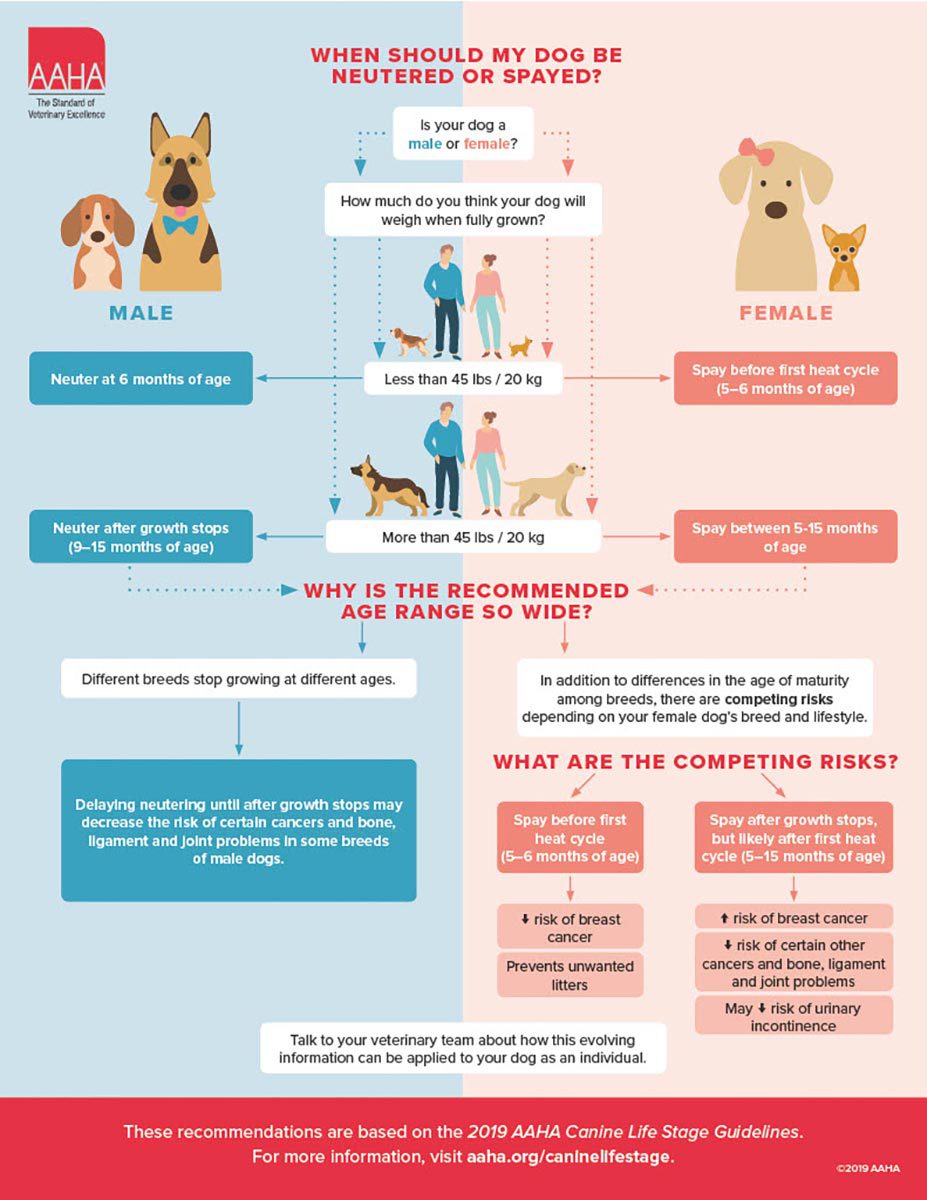
Most vets recommend neutering dogs between 6 and 9 months old. This timing allows your dog to grow and develop normally while preventing unwanted behaviors and health issues.
However, breed size can influence the ideal age. Larger breeds might benefit from waiting a bit longer to allow full bone growth. Have you noticed changes in your dog’s behavior or health that make you question the timing? That’s a clue to discuss options with your vet.
Potential Risks And Side Effects
Neutering is generally safe, but it’s not without risks. Some dogs may experience temporary weight gain or changes in activity levels after the surgery.
There’s also a small chance of complications like infection or adverse reactions to anesthesia. Being aware of these possibilities helps you monitor your dog closely post-surgery and act quickly if something seems off.
Consulting Your Veterinarian
Your vet is your best resource for making the right decision about neutering. They can provide personalized advice based on your dog’s breed, age, and health status.
Don’t hesitate to ask questions about the procedure, recovery, and how to prepare your dog. Have you talked openly with your vet about your concerns? Clear communication ensures you feel confident and ready for the next steps.

Credit: www.reddit.com
Credit: southeastoakvillevet.ca
Frequently Asked Questions
Why Should I Neuter My Dog?
Neutering your dog prevents unwanted litters and reduces pet overpopulation. It also decreases the risk of certain cancers and diseases. Neutered dogs are often less aggressive and less likely to roam. This leads to a longer and healthier life for your pet.
Does Neutering Affect My Dog’s Behavior?
Yes, neutering can positively affect your dog’s behavior. It often reduces aggression, marking, and roaming tendencies. Neutered dogs are typically calmer and less likely to develop certain behavioral issues. This makes them easier to manage and more enjoyable companions.
Will Neutering Help My Dog’s Health?
Neutering significantly benefits your dog's health. It reduces the risk of testicular cancer and prostate issues. Additionally, it can decrease the likelihood of certain infections and diseases. Overall, neutered dogs tend to live longer, healthier lives.
How Does Neutering Reduce Pet Overpopulation?
Neutering prevents unwanted litters, directly reducing the number of homeless pets. It helps control the pet population and decreases the strain on animal shelters. By neutering your dog, you’re contributing to a solution for pet overpopulation.
Conclusion
Neutering your dog brings many health and behavior benefits. It helps prevent unwanted puppies and reduces certain cancer risks. Your dog may become calmer and less likely to roam. This choice also supports community efforts to control stray animals. Caring for your dog means making smart, kind decisions.
Neutering is one way to keep your pet healthy and happy. Think about these benefits when planning your dog’s care. A small step with big rewards for you and your dog.

Emily Barker is the founder of ChillDogLife.com, a space dedicated to helping pup parents discover the best dog products, lifestyle tips, and cozy ideas for happier homes.
A lifelong dog lover, Emily combines her passion for pets with a knack for research to share trusted recommendations on everything from toys and furniture to health and everyday care.
Her goal is simple: to make life easier, stylish, and more joyful for dogs and the people who love them.




