If you’re a dog owner, you want the best for your furry friend. One important decision you might be considering is whether to get your dog neutered.
You might wonder, “Is it really worth it? ” The truth is, neutering offers several benefits that can improve your dog’s health and behavior. It can also make your life easier and save you money in the long run. Keep reading to discover how neutering can protect your dog and strengthen the bond you share.
Credit: www.beehivevets.co.uk
Health Benefits
Neutering your dog offers many health benefits. It helps protect your dog from serious health problems. This can lead to a longer, happier life.
Reduced Risk Of Certain Cancers
Neutering lowers the chance of testicular cancer in male dogs. It also reduces the risk of prostate cancer. These cancers can be painful and hard to treat. Neutering helps keep your dog safer from these diseases.
Prevention Of Reproductive Diseases
Neutering stops conditions like prostatitis and testicular infections. These diseases cause discomfort and can lead to more problems. It also prevents unwanted pregnancies, which can affect your dog’s health. This simple procedure protects your dog’s reproductive system.
Lowered Chances Of Infections
Neutered dogs have fewer infections in their reproductive organs. This means less need for antibiotics or other treatments. Lower infection rates support your dog’s overall well-being. It keeps your pet healthier and more active.
Behavioral Improvements
Getting your dog neutered can lead to noticeable behavioral improvements that make daily life easier for both of you. These changes often show up fairly quickly and can help you enjoy a more relaxed and well-behaved pet. Let’s look at some specific ways neutering can improve your dog’s behavior.
Decreased Aggression
Neutering often reduces aggressive tendencies in male dogs. This is because the surgery lowers testosterone levels, which influence dominance and territorial behaviors. If your dog has shown signs of growling, snapping, or fighting with other dogs, neutering might help calm those instincts.
Think about your walks—do you worry about your dog reacting aggressively to other dogs? After neutering, many owners notice fewer confrontations, making outings more enjoyable and less stressful.
Reduced Marking And Roaming
Dogs frequently mark territory with urine to communicate dominance or attract mates. Neutering can significantly cut down on this marking behavior, especially indoors. This means less cleaning up and fewer unpleasant odors in your home.
Roaming is another common issue, as unneutered dogs often wander far to find mates. This puts them at risk of accidents or getting lost. Neutered dogs are usually more content staying closer to home, giving you peace of mind.
Calmer Temperament
Many owners notice their dogs become more relaxed after neutering. Without the strong drive to seek out females, dogs tend to have a steadier, calmer temperament. This can make training easier and reduce hyperactive or anxious behaviors.
Have you ever felt your dog’s energy was overwhelming or unpredictable? Neutering might help smooth out those highs and lows, leading to a more balanced companion who’s easier to live with.
Population Control
Population control plays a crucial role in managing the overall health and well-being of the dog community. Neutering your dog directly impacts this by limiting the chances of unplanned puppies entering the world. This helps maintain a balanced dog population and reduces the strain on shelters and rescue groups.
Preventing Unwanted Litters
One of the most effective ways to prevent unwanted litters is by neutering your dog. If your pet is not neutered, accidental breeding can happen easily, especially if your dog roams outside or interacts with other dogs. Unplanned litters often lead to puppies without homes, and many end up in shelters.
Think about the last time you saw a litter of stray puppies—did you wonder where their owners were? By neutering your dog, you take a direct step in stopping these situations before they begin. It’s a responsible choice that protects your dog and the wider community.
Helping Reduce Stray Dog Numbers
Stray dogs often face harsh conditions, including hunger, disease, and accidents. Neutering helps reduce the number of strays by cutting down on the number of dogs born without homes. This means fewer dogs roaming streets and fewer animals competing for limited resources.
Animal shelters struggle to care for every stray dog, and many are forced to make tough decisions. By neutering your dog, you contribute to lowering these numbers, giving shelters a better chance to focus on care and rehabilitation. It’s a small action with a big impact on the entire community.
Financial Savings
Neutering your dog can lead to significant financial savings over time. This procedure helps prevent many health problems and costly situations. It also reduces the chance of unexpected expenses related to puppies. Saving money is an important reason many pet owners choose neutering.
Lower Veterinary Costs Over Time
Neutering lowers the risk of certain diseases. These include infections and cancers of the reproductive organs. Treating these illnesses can be expensive. Preventing them saves on future vet bills.
Neutered dogs often have fewer behavior problems. This means fewer visits to trainers or vets for behavioral issues. Less medication and fewer treatments are needed. The cost of the neuter surgery is often less than treating these problems later.
Avoiding Expenses Related To Litters
Unneutered dogs can father many puppies. Caring for a litter costs money for food, vaccines, and vet visits. Finding good homes for puppies can also be costly and stressful.
Neutering stops unwanted litters. It prevents the financial burden of raising or rehoming puppies. This choice helps avoid unplanned expenses and the challenges of caring for multiple dogs.
Community Benefits
Neutering your dog benefits more than just your pet. It helps create a safer and cleaner community. Fewer stray and aggressive dogs mean a better place for everyone. These changes improve the quality of life for all residents and pets in the area.
Reducing Dog-related Complaints
Neutered dogs are less likely to roam or fight. This reduces noise from barking and howling at night. Fewer fights mean fewer injuries to dogs and people. It also lowers the chance of dogs running into traffic. Communities see fewer reports of aggressive or nuisance dogs.
Supporting Animal Welfare Efforts
Neutering helps control the dog population. This means fewer stray and homeless dogs on the streets. Animal shelters face less overcrowding and stress. More resources can be used to care for sick or injured animals. Communities benefit from safer streets and happier animals.
Credit: southeastoakvillevet.ca
Timing And Considerations
Deciding when to neuter your dog involves more than just picking a date. It requires careful thought about your dog’s health, behavior, and lifestyle. Understanding the right timing and what to consider can make a big difference in the benefits your dog receives from the procedure.
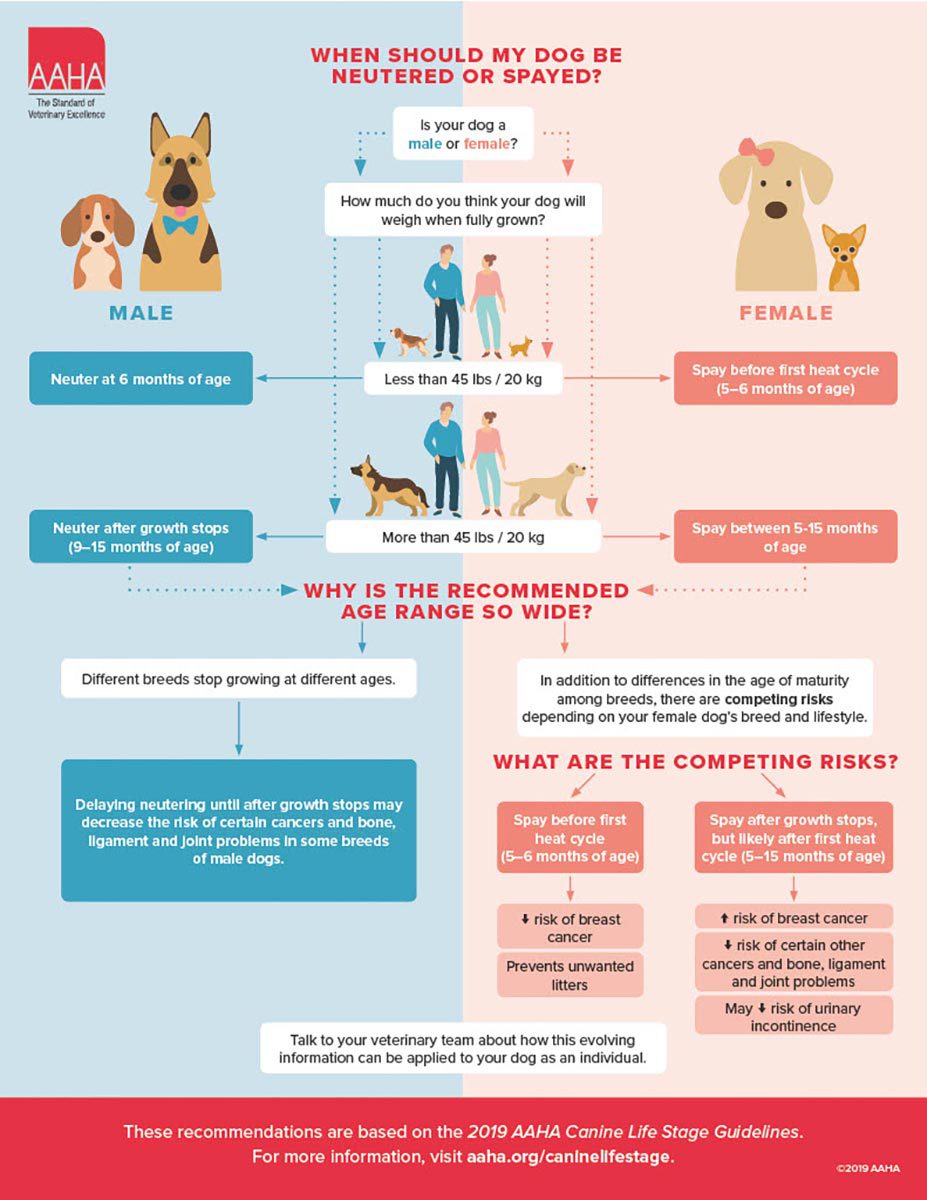
Best Age For Neutering
The ideal age to neuter your dog varies depending on breed, size, and health. Many veterinarians recommend neutering between 6 to 9 months old, before your dog reaches sexual maturity. However, larger breeds might benefit from waiting until they are a bit older to allow proper bone growth.
Waiting too long can increase the chance of unwanted behaviors like marking or aggression. On the other hand, neutering too early may affect growth or hormone balance. Have you considered how your dog’s breed and growth rate might impact the timing?
Potential Risks And Side Effects
Neutering is generally safe but, like any surgery, it carries some risks. These can include infection, bleeding, or reactions to anesthesia. Most dogs recover quickly without complications.
Some studies suggest early neutering might increase risks of joint problems or certain cancers in specific breeds. It’s important to weigh these risks against the benefits, such as reduced aggression and lower chances of certain diseases.
Consulting With Your Veterinarian
Your vet is your best resource for timing neutering. They can assess your dog’s unique health needs and lifestyle factors to recommend the best age. Be open about your concerns and ask questions about risks and benefits.
Discuss any breed-specific considerations and your dog’s behavior. A tailored plan will help ensure your dog’s health is prioritized while maximizing the benefits of neutering.
Credit: zigly.com
Frequently Asked Questions
Why Should I Neuter My Dog?
Neutering your dog prevents unwanted litters and reduces overpopulation. It can also decrease the risk of certain cancers. Behavioral issues like aggression and roaming are often reduced. Neutering promotes a longer, healthier life for your pet.
Does Neutering Calm My Dog Down?
Yes, neutering can calm male dogs by reducing aggressive and territorial behaviors. It decreases testosterone levels, leading to less roaming and marking. While not a complete solution, it contributes to a more relaxed pet.
Is Neutering Safe For My Dog?
Neutering is a routine and safe procedure for most dogs. Complications are rare and veterinarians take precautions to minimize risks. Your dog may experience mild discomfort after surgery, but recovery is usually quick and uneventful.
When Is The Best Age To Neuter A Dog?
The ideal age for neutering varies based on breed and size. Generally, it’s recommended between six and nine months. Consult with your veterinarian for the best time for your specific dog to ensure optimal health benefits.
Conclusion
Neutering your dog brings many health benefits. It helps prevent certain cancers and infections. Your dog may behave calmer and less aggressive. It reduces the chance of unwanted litters. This can lower stress for both you and your pet. Neutering also supports better community pet control.
Choosing to neuter shows care for your dog’s wellbeing. It is a simple step with lasting rewards. Consider this choice to keep your dog happy and healthy.

Emily Barker is the founder of ChillDogLife.com, a space dedicated to helping pup parents discover the best dog products, lifestyle tips, and cozy ideas for happier homes.
A lifelong dog lover, Emily combines her passion for pets with a knack for research to share trusted recommendations on everything from toys and furniture to health and everyday care.
Her goal is simple: to make life easier, stylish, and more joyful for dogs and the people who love them.




