
You want the best for your furry friend, and that includes feeding them the right food at the right time. But when exactly should you switch your puppy from puppy food to adult dog food?
Getting this timing right is crucial for your dog’s health and happiness. If you’re unsure or worried about making the switch too early or too late, keep reading. This guide will help you understand the perfect age to start adult dog food, so your dog grows strong and stays healthy for years to come.
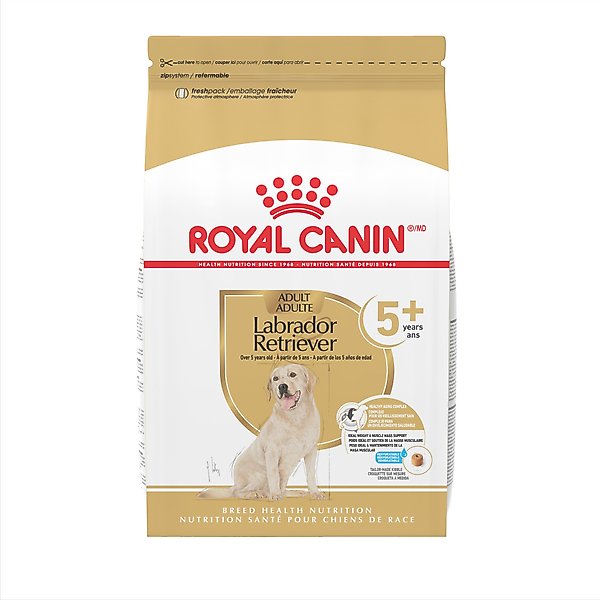
Credit: www.chewy.com
When To Switch To Adult Dog Food
Feeding your dog the right food is important for health. Puppies need special nutrition. Adult dog food suits grown dogs better.
Knowing the right time to change food helps your dog stay healthy. This guide explains when to switch to adult dog food.
Age Guidelines By Breed Size
| Breed Size | Age to Switch |
| Small Breeds | 9 to 12 months |
| Medium Breeds | 12 months |
| Large Breeds | 12 to 18 months |
| Giant Breeds | 18 to 24 months |
Small dogs grow faster and switch earlier. Large and giant dogs take longer to mature. Follow these age guidelines for a smooth change.
Signs Your Dog Is Ready
- Your dog stops growing taller or heavier
- Coat looks shiny and healthy
- Energy levels stay steady, not hyperactive
- Teeth have finished replacing puppy teeth
- Your vet agrees your dog is mature enough
These signs help you know if your dog can eat adult food. Each dog is different, so watch for these clues.
Why Timing Matters
Switching food too early can miss important nutrients for growth. Switching too late can cause weight gain or poor health.
Good timing helps your dog:
- Maintain a healthy weight
- Get the right vitamins and minerals
- Support strong bones and muscles
- Avoid digestive problems
Differences Between Puppy And Adult Food
Choosing the right food for your dog is important. Puppy food and adult dog food have key differences. These differences help meet the needs of dogs at different life stages.
Understanding these differences can help you decide when to switch from puppy food to adult food.
Nutritional Needs
Puppies need more calories than adult dogs. Their bodies grow fast and need extra energy. Puppy food has higher protein and fat levels. Adult dog food has fewer calories to prevent weight gain.
Both foods contain vitamins and minerals, but the amounts differ. Puppies need more calcium and phosphorus for bone growth. Adult dogs need balanced nutrients to maintain health.
Ingredient Variations
Puppy food has ingredients that support brain and eye development. Ingredients like DHA and antioxidants are common. Adult dog food focuses on ingredients that support joint health and digestion.
- Puppy food: higher protein, fat, DHA, calcium, antioxidants
- Adult food: balanced protein and fat, joint support, fiber
- Puppy food: smaller kibble size for easier chewing
- Adult food: kibble size varies based on breed
Impact On Growth And Health
Feeding the wrong food can affect your dog’s growth and health. Too much adult food can slow puppy growth. Too much puppy food can cause obesity in adult dogs.
| Dog Age | Recommended Food | Reason |
| Birth to 12 months | Puppy Food | Supports rapid growth and development |
| 12 months and older | Adult Food | Maintains health and weight |
| Senior dogs (7+ years) | Senior Food | Supports aging joints and digestion |
Transitioning Your Dog’s Diet
Knowing when to switch your dog to adult food is important for their health. Most dogs start eating adult food around one year old.
Changing your dog’s diet needs to be done carefully. This helps avoid upset stomachs and keeps your dog happy.
Step-by-step Switching Process
Start by mixing a small amount of adult food with your dog’s current food. Gradually increase the adult food over ten days.
- Day 1-3: 25% adult food, 75% puppy food
- Day 4-6: 50% adult food, 50% puppy food
- Day 7-9: 75% adult food, 25% puppy food
- Day 10: 100% adult food
This slow change helps your dog adjust to the new taste and nutrients.
Managing Digestive Changes
Your dog may have loose stools or mild upset during the switch. This is normal if it lasts a few days.
Keep fresh water available and avoid sudden treats. If issues last more than a week, talk to your vet.
- Watch for diarrhea or vomiting
- Feed smaller, frequent meals
- Keep meals consistent in time and amount
- Contact vet if problems persist
Tips For Picky Eaters
Some dogs refuse new food at first. Try warming the food slightly to bring out the smell.
You can also mix in a little low-sodium broth or a small amount of wet food to encourage eating.
- Warm food to room temperature
- Add low-sodium broth for flavor
- Mix wet food with dry food
- Keep feeding times regular
- Be patient and avoid giving too many treats
Credit: www.petsmart.com
Special Considerations For Senior Dogs
Senior dogs need special care in their diet to stay healthy. Their bodies change as they age, affecting their food needs.
Choosing the right adult dog food at the right age helps support their health. Adjusting meals can improve their quality of life.
Adjusting Food For Aging Pets
As dogs grow older, they may need fewer calories but more nutrients. Their metabolism slows down, and they become less active.
- Reduce fat content to prevent weight gain
- Increase fiber to support digestion
- Add joint supplements like glucosamine
- Choose food with antioxidants for immune support
When To Consult A Vet
Talk to your vet before changing your dog’s diet. They can spot health problems early and suggest the best food options.
Regular vet visits help track your dog’s weight, energy, and overall health. This ensures the diet matches their needs.
Customizing Diet For Health Issues
| Health Issue | Dietary Needs |
| Kidney Disease | Low protein and phosphorus |
| Arthritis | Omega-3 fatty acids and joint supplements |
| Obesity | Low fat and controlled calories |
| Dental Problems | Soft or wet food to ease chewing |
Common Mistakes To Avoid
Feeding your dog the right food at the right age is very important. Many dog owners make mistakes when switching to adult dog food. These errors can affect your dog’s health.
Knowing what to avoid helps you give your dog the best nutrition. Here are some common mistakes and tips to prevent them.
Switching Too Early Or Late
Changing your dog’s food to adult food at the wrong time can cause problems. Puppies need special nutrients that adult food may not have. Waiting too long can also affect their growth and health.
- Switch too early: Puppy may lack essential nutrients for growth.
- Switch too late: Adult food may not fit their energy needs.
- Follow your vet’s advice for the right timing.
Ignoring Breed-specific Needs
Different dog breeds have different nutritional needs. Small breeds may need more calories per pound than large breeds. Some breeds require special nutrients for joint health or coat condition.
| Breed Size | Key Nutritional Needs |
| Small Breeds | Higher calorie density, small kibble size |
| Large Breeds | Joint support, controlled calories |
| Active Breeds | Extra protein and energy |
| Sensitive Breeds | Limited ingredients, hypoallergenic options |
Overlooking Quality Of Ingredients
Not all adult dog foods are the same. Low-quality ingredients can harm your dog’s health. Look for foods with real meat and healthy nutrients.
Watch out for these common ingredient issues:
- Fillers like corn and wheat that provide little nutrition
- Artificial colors, flavors, and preservatives
- Unclear or vague ingredient labels
- Low protein content
Choosing The Right Adult Dog Food
Switching your dog to adult food is an important step. It helps meet their changing nutritional needs.
Understanding what to look for in dog food can make a big difference. Here are some tips to guide you.
Reading Labels Effectively
Labels contain vital information about the dog food. Knowing what to look for ensures your dog gets proper nutrition.
- Check the first few ingredients for quality protein sources.
- Avoid foods with excessive fillers or artificial additives.
- Look for a balance of proteins, fats, and carbohydrates.
Balancing Protein And Fat
Protein and fat are essential for your dog’s health. They provide energy and support muscle growth.
| Nutrient | Purpose |
| Protein | Builds and repairs tissues |
| Fat | Provides energy and supports a healthy coat |
Considering Allergies And Sensitivities
Some dogs have allergies or sensitivities. Choosing the right food can help avoid health issues.
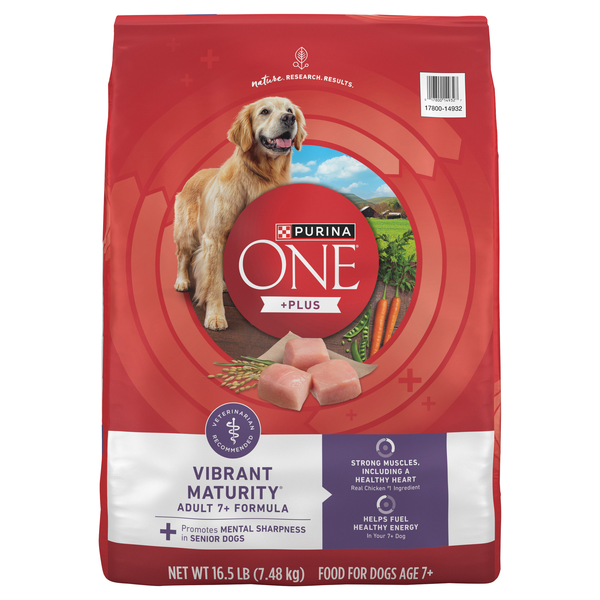
Credit: foodlion.com
Frequently Asked Questions
When Should Puppies Switch To Adult Dog Food?
Puppies usually switch to adult dog food between 12 and 18 months. Small breeds transition earlier, around 12 months. Large breeds may wait up to 18 months. This timing ensures they receive proper nutrients for growth and maintenance.
How To Know If My Dog Needs Adult Food?
Signs include slowing growth and decreased energy. If your dog looks fully grown and less playful, it’s time. Consult your vet for the best transition age based on breed and health.
Can I Feed Adult Dog Food To A Puppy?
Adult dog food is not suitable for puppies. It lacks essential nutrients for growth and development. Feeding adult food too early can cause nutritional deficiencies and health issues.
What Are The Benefits Of Adult Dog Food?
Adult dog food supports maintenance, energy balance, and healthy weight. It contains fewer calories than puppy food and more fiber. This formula helps keep adult dogs healthy and active.
Conclusion
Choosing the right time to switch your dog to adult food matters a lot. Most dogs start adult food between one and two years old. Watch your dog’s size and energy to know the best moment. Healthy food helps your dog stay strong and happy.
Always check with your vet for advice. Feeding adult dog food too early or late can cause issues. Keep your dog’s needs in mind and adjust feeding as they grow. This simple change supports their health for many years.

Emily Barker is the founder of ChillDogLife.com, a space dedicated to helping pup parents discover the best dog products, lifestyle tips, and cozy ideas for happier homes.
A lifelong dog lover, Emily combines her passion for pets with a knack for research to share trusted recommendations on everything from toys and furniture to health and everyday care.
Her goal is simple: to make life easier, stylish, and more joyful for dogs and the people who love them.




