If you have a 5-month-old puppy, you’re probably wondering what the best food is for their growth and health. Can your puppy eat adult dog food, or is it better to stick with puppy formulas?
What happens if you switch too soon? Choosing the right food now can shape your puppy’s future well-being, energy, and happiness. Keep reading to find out what experts say and how you can make the best choice for your furry friend.
Puppy Nutritional Needs
Puppies grow quickly and need food that supports their development. Their diet differs from adult dogs.
Choosing the right food helps puppies build strong bones and stay healthy.
Growth And Development Requirements
At five months old, puppies are in a rapid growth phase. They need more calories than adult dogs.
Puppy food has higher energy to support their active lifestyle and body changes.
- Extra calories fuel growth and play
- More protein helps build muscles
- Balanced fat supports brain development
- Proper calcium and phosphorus strengthen bones
Key Nutrients For Puppies
Puppies need specific nutrients to grow healthy and strong. These differ from adult dog needs.
Important nutrients include protein, fats, vitamins, and minerals in the right amounts.
- Protein:Builds muscles and body tissues
- Fats:Provide energy and support brain health
- Calcium & Phosphorus:Develop strong bones and teeth
- Vitamins:Aid in immune system and metabolism
- Omega fatty acids:Promote healthy skin and coat
Differences Between Puppy And Adult Dog Food
Puppies and adult dogs have different nutrition needs. Their food formulas change to support their growth and health.
Puppy food has special nutrients to help young dogs grow strong bones and muscles. Adult dog food keeps fully grown dogs healthy.
Calorie Content Variations
Puppy food has more calories than adult dog food. Puppies use more energy to grow and explore their world.
Adult dogs need fewer calories to stay healthy. Too many calories can cause weight gain in adult dogs.
- Puppy food: higher calorie content
- Adult food: lower calorie content
- Calories help meet energy needs at different life stages
Protein And Fat Levels
Puppy food contains more protein and fat than adult dog food. These nutrients support muscle growth and brain development.
Adult dogs need less protein and fat because their growth slows. Balanced amounts help maintain their weight and health.
- Puppy food: higher protein and fat
- Adult food: moderate protein and fat
- Proper levels support energy and body maintenance
Vitamin And Mineral Differences
Puppy food has extra vitamins and minerals like calcium and phosphorus. These help build strong bones and teeth.
Adult dog food has balanced vitamins and minerals for maintenance. Too much calcium can harm adult dogs’ health.
| Vitamin/Mineral | Puppy Food | Adult Food |
|---|---|---|
| Calcium | Higher for bone growth | Lower for maintenance |
| Phosphorus | Higher for development | Lower for balance |
| Vitamin D | Higher for bone health | Balanced for adults |
Risks Of Feeding Adult Food To Puppies
Feeding adult dog food to a 5-month-old puppy can cause health problems. Puppies need special nutrition for their growth.
Adult dog food lacks some nutrients that puppies require. This can affect their development and overall health.
Potential Nutrient Deficiencies
Puppies need higher levels of protein, fat, and vitamins than adult dogs. Adult food may not meet these needs.
- Lower protein can slow muscle growth.
- Less fat reduces energy for active puppies.
- Insufficient calcium and phosphorus can weaken bones.
- Missing vitamins may affect the immune system.
Digestive Issues
Puppy stomachs are sensitive. Adult food can cause upset and poor digestion.
| Symptom | Cause |
| Diarrhea | Rich ingredients hard to digest |
| Constipation | Low fiber in adult food |
| Vomiting | Sudden diet change |
| Gas and bloating | Fat content mismatch |
Impact On Growth
Improper nutrition can slow your puppy’s growth. This may lead to lasting health problems.
Key impacts of feeding adult food to puppies:
- Slower bone development
- Weaker muscles
- Delayed brain and organ growth
- Lower energy levels

Credit: wefeedraw.com
When To Transition To Adult Dog Food
Feeding your puppy the right food is important for healthy growth. At some point, you will need to switch from puppy food to adult dog food. Knowing when to make this change helps your puppy stay strong and healthy.
This guide explains the signs your puppy is ready and the recommended age for switching to adult food.
Signs Your Puppy Is Ready
Watch for these signs that your puppy can start eating adult dog food.
- Your puppy’s growth has slowed down.
- They have reached about 80% of their adult size.
- Your vet confirms their development is on track.
- Your puppy’s energy levels seem steady, not too high.
- Their teeth and bones are strong and healthy.
Recommended Age For Switching
The best age to switch depends on your puppy’s breed and size. Small breeds grow faster than large breeds.
| Breed Size | Recommended Age to Switch |
| Small Breeds | 9 to 12 months |
| Medium Breeds | 12 months |
| Large Breeds | 12 to 18 months |
| Giant Breeds | 18 to 24 months |
How To Switch Food Safely
Switching a 5-month-old puppy to adult dog food needs care. The change should be slow to avoid stomach upset.
Proper transition helps your puppy adjust to new nutrients and taste without stress.
Gradual Transition Process
Start mixing a small amount of adult dog food with your puppy’s current food. Increase the adult food amount slowly each day.
It usually takes about 7 to 10 days to fully switch the diet. This helps the puppy’s digestive system adapt well.
- Day 1-3: 25% adult food, 75% puppy food
- Day 4-6: 50% adult food, 50% puppy food
- Day 7-9: 75% adult food, 25% puppy food
- Day 10: 100% adult dog food
Monitoring Your Puppy’s Reaction
Watch your puppy for any signs of discomfort like vomiting or diarrhea. These can mean the food change is too fast.
Check if your puppy stays active and keeps a healthy appetite during the switch.
- Look for changes in stool quality
- Note any vomiting or nausea
- Observe energy levels and mood
- Contact your vet if problems last more than two days

Credit: www.houndsy.com
Alternative Feeding Options
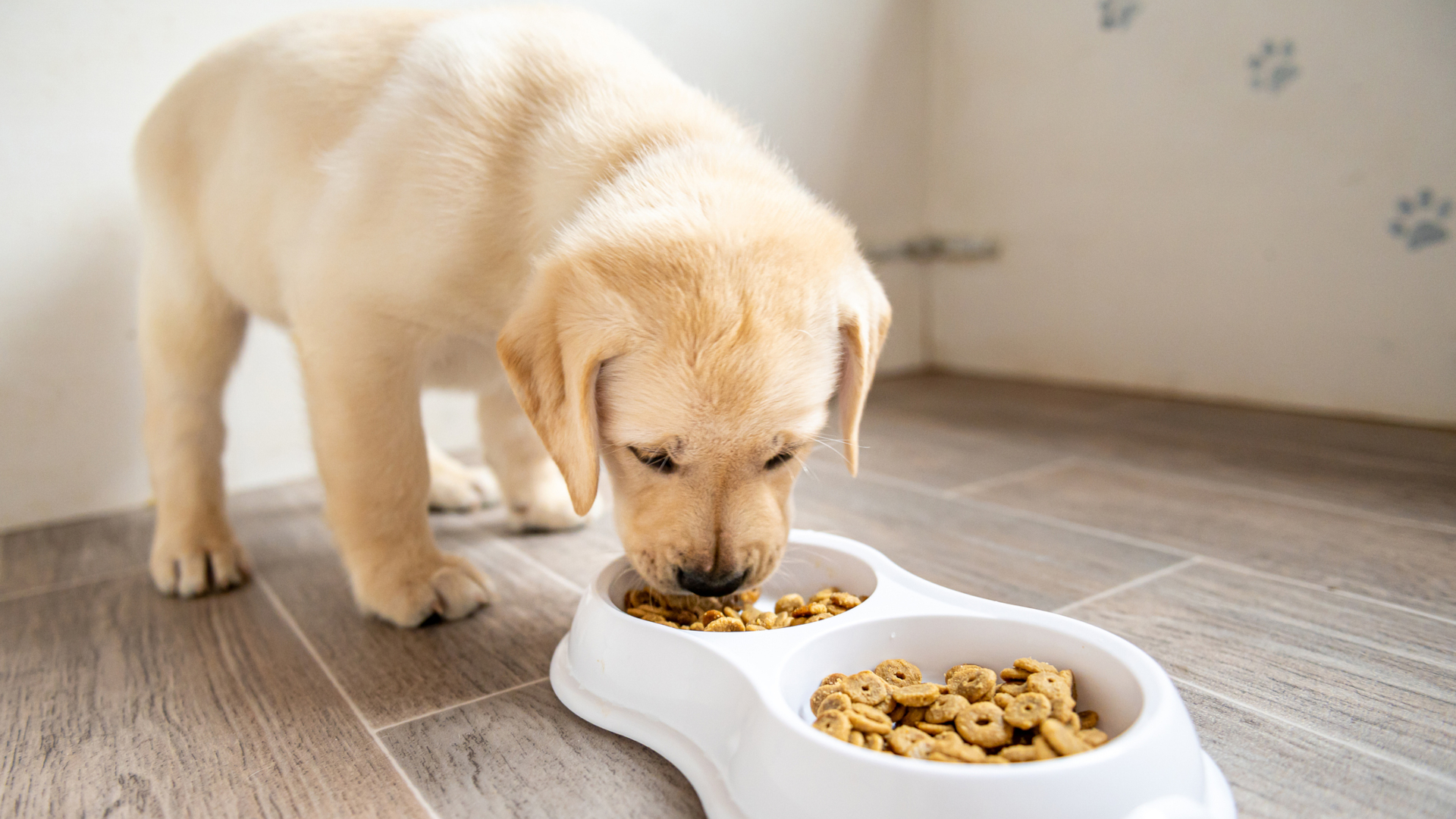
A 5-month-old puppy has special dietary needs. Feeding them adult dog food may not provide the right nutrients. Puppies need a balanced diet for growth and energy.
There are several options you can consider to ensure your puppy gets the best nutrition. Choosing the right food is important for their development and health.
Puppy-specific Formulas
Puppy-specific formulas are specially designed to meet their nutritional needs. These formulas contain the right balance of protein, fat, and vitamins.
Puppy food supports bone growth and brain development. It is often richer in calories to fuel their active lifestyle.
- Higher protein content for muscle development
- Essential fatty acids for healthy skin and coat
- Added minerals like calcium for strong bones
Consulting Your Veterinarian
A veterinarian can provide guidance on the best diet for your puppy. They can recommend specific brands or types of food that suit your puppy’s needs.
Your vet can also help identify any dietary issues early. Regular check-ups ensure your puppy is healthy and growing well.
- Discuss any food allergies or sensitivities
- Get advice on portion sizes and feeding schedules
- Ensure vaccinations and deworming are up to date
Credit: www.petsradar.com
Frequently Asked Questions
Can A 5 Month Old Puppy Eat Adult Dog Food?
A 5 month old puppy can eat adult dog food, but it’s not ideal. Puppies need extra nutrients for growth. Puppy food supports bone and muscle development better than adult formulas.
What Happens If A Puppy Eats Adult Dog Food Early?
Feeding adult dog food too early may cause nutrient deficiencies. Puppies might miss essential vitamins and minerals. This can affect their growth and immune system negatively.
When Should I Switch My Puppy To Adult Dog Food?
Most vets recommend switching at 12 months old. Large breeds might need longer puppy food feeding. Switching too early can harm your puppy’s development.
Is Adult Dog Food Safe For Small Breed Puppies?
Adult dog food is not formulated for small breed puppies. Small breeds need higher calorie and nutrient intake. Puppy food ensures they grow strong and healthy.
Conclusion
Feeding a 5-month-old puppy adult dog food is not ideal. Puppies need extra nutrients for healthy growth. Adult food lacks the right balance for puppies. Choosing puppy-specific food supports strong bones and energy. Always check with your vet before changing diets.
Proper nutrition helps your puppy grow happy and strong. Keep their diet suited to their age and needs. This simple step ensures a healthy future for your dog.

Emily Barker is the founder of ChillDogLife.com, a space dedicated to helping pup parents discover the best dog products, lifestyle tips, and cozy ideas for happier homes.
A lifelong dog lover, Emily combines her passion for pets with a knack for research to share trusted recommendations on everything from toys and furniture to health and everyday care.
Her goal is simple: to make life easier, stylish, and more joyful for dogs and the people who love them.




