
Is your dog turning one soon, and you’re wondering if it’s time to switch to adult food? You might be asking yourself, “Can my 1-year-old dog eat adult food without any issues?” Choosing the right food at this stage is crucial for your dog’s health and happiness.
You’ll discover what changes your furry friend’s body goes through at one year, why food matters more than you think, and how to make the best choice for your dog’s diet. Keep reading to ensure your loyal companion stays healthy and full of energy!
Age Milestones For Dog Food
Choosing the right food for your dog depends on their age. Dogs need different nutrients at different life stages. Feeding the correct food helps keep your dog healthy and active.
Many dog owners wonder if a 1-year-old dog can eat adult food. This depends on when your dog reaches certain age milestones. Understanding these milestones helps you decide when to change your dog’s diet.
Puppy Vs Adult Food
Puppy food has more calories and nutrients for growth. It supports strong bones, muscles, and brain development. Adult food has balanced nutrients for maintenance and energy.
Puppy food is softer and easier to chew. Adult food has more fiber to help digestion. Feeding the right food keeps your dog healthy at every stage.
- Puppy food: higher calories, protein, and fat
- Adult food: balanced nutrients, fewer calories
- Puppy food supports growth and development
- Adult food supports daily energy and health
When To Switch Foods
Most dogs switch from puppy to adult food between 9 and 12 months old. Large breeds may need puppy food longer, up to 18 months. Small breeds often switch earlier, around 9 months.
Watch your dog’s size, energy, and growth rate. If your dog is still growing fast, keep puppy food. If growth slows, it is time to switch to adult food.
- Small breeds: switch at about 9 months
- Medium breeds: switch at about 12 months
- Large breeds: switch between 12 to 18 months
- Consult your vet for your dog’s specific needs
Nutritional Needs Of A 1 Year Old Dog
At one year old, dogs are usually transitioning from puppy food to adult food. Their bodies need the right nutrients to stay healthy and active. Feeding the proper diet supports growth and energy.
Understanding the energy needs and key nutrients helps you choose the best food. This guide explains what a 1 year old dog requires for good health.
Energy Requirements
A 1 year old dog needs enough calories to maintain activity and body weight. Energy needs vary by size, breed, and activity level. Adult dog food usually meets these needs well.
- Small breeds need fewer calories but more frequent meals.
- Large breeds require balanced energy to support joints and muscles.
- Active dogs burn more calories and need nutrient-rich food.
- Less active dogs need fewer calories to avoid weight gain.
Key Nutrients To Consider
Several key nutrients keep your dog healthy. Look for protein, fat, vitamins, and minerals in the food. Each nutrient supports different body functions.
| Nutrient | Purpose | Sources |
| Protein | Builds muscles and repairs tissue | Meat, eggs, fish |
| Fat | Provides energy and supports skin health | Animal fats, oils, fish oil |
| Calcium | Strengthens bones and teeth | Dairy, bone meal, supplements |
| Vitamins A, D, E | Boost immune system and vision | Vegetables, fish oils, liver |
| Fiber | Aids digestion and bowel health | Vegetables, grains |
Pros And Cons Of Adult Dog Food At One Year
Many dog owners wonder if they should switch their 1-year-old dogs to adult food. This decision can impact your dog’s health and development.
It’s important to weigh the benefits and risks before making the switch. Consider your dog’s specific needs and consult with your vet.
Benefits Of Switching Early
Adult dog food can offer balanced nutrition for dogs who are no longer puppies. It helps maintain a healthy weight as they grow into adulthood.
- Contains fewer calories to prevent weight gain
- Rich in nutrients for skin and coat health
- Supports joint health with added supplements
Potential Risks
Switching too early might not meet a young dog’s calorie needs. Puppies require more energy to support their rapid growth.
| Factor | Risk |
| Calorie Intake | May be too low for active dogs |
| Growth Needs | Insufficient for developing puppies |
| Nutrient Balance | May lack specific nutrients for young dogs |

Credit: www.hillspet.com
Signs Your Dog Is Ready For Adult Food
As your puppy grows, their nutritional needs change. You may wonder when to switch them to adult dog food. Knowing the signs helps make the transition smooth.
Let’s explore the indicators that show your one-year-old dog might be ready for adult food. These signs include physical and behavioral changes.
Physical Indicators
Physical changes are the first signs. Your dog starts reaching their adult size around one year. Their weight will stabilize.
- Steady weight without rapid growth
- Fully developed teeth for chewing
- Reduced appetite for puppy food
Behavioral Changes
Behavioral shifts are key indicators too. Your dog might show less interest in puppy food. They may also have more energy and need different nutrients.
Observe your dog’s interaction with food. If they seem bored or leave food uneaten, it’s a sign.
- Increased playfulness and energy
- Less interest in traditional puppy kibble
- More social behaviors with other adult dogs
Transitioning To Adult Dog Food
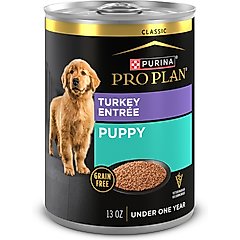
Changing your dog’s food from puppy to adult can be tricky. It is important to do it slowly.
This helps your dog’s stomach adjust and stay healthy during the change.
Step-by-step Feeding Guide
Start by mixing a small amount of adult food with your dog’s puppy food. Gradually increase the adult food portion over two weeks.
- Mix 25% adult food with 75% puppy food for 3 days.
- Mix 50% adult food with 50% puppy food for 4 days.
- Mix 75% adult food with 25% puppy food for 4 days.
- Feed 100% adult food after two weeks.
Tips To Avoid Digestive Issues
Switching food too fast can cause stomach upset. Watch for diarrhea or vomiting.
| Tip | What to Do |
| Slow Transition | Change food over 10-14 days |
| Small Meals | Feed smaller portions more often |
| Hydration | Always provide fresh water |
| Monitor | Check your dog’s behavior and stool |
Credit: www.chewy.com
Expert Recommendations
Many dog owners ask if their 1-year-old dog can eat adult food. This is a common concern as dogs grow and their nutrition needs change. Experts share advice on when and how to switch your dog to adult food.
Understanding expert advice helps you make the best choice for your dog’s health and well-being. This guide covers key tips from veterinarians and how to choose quality adult dog food.
Veterinarian Advice
Veterinarians say most dogs can start eating adult food at about one year old. Large breeds may need puppy food longer, up to 18-24 months. Watch your dog’s growth and energy levels to decide the right time.
- Consult your vet before changing food.
- Switch slowly over 7 to 10 days to avoid upset stomach.
- Monitor your dog’s weight and coat condition.
- Adjust portions based on activity level and health.
Choosing Quality Adult Food
Choose adult dog food with balanced nutrients. Look for high protein, good fats, and vitamins. Avoid foods with fillers like corn or soy. Quality matters for your dog’s health and energy.
| Key Nutrient | Recommended Amount | Purpose |
| Protein | 18-25% | Muscle maintenance and energy |
| Fat | 8-15% | Energy and healthy skin |
| Fiber | 3-5% | Digestive health |
| Calcium | 1-1.5% | Bone strength |
Special Considerations
Feeding a 1 year old dog adult food needs care. Dogs at this age are still growing or just finished growth.
Choosing the right food depends on many factors. Some dogs may need special diets or nutrients.
Breed And Size Factors
Large and small breeds have different nutritional needs. Large dogs grow slower and need food that supports joints.
Small breeds have faster metabolisms and may need higher calorie food. Breed traits affect energy and digestion.
- Large breeds need food with joint support ingredients
- Small breeds require calorie-dense food
- Breed size affects feeding amounts and frequency
Health Conditions Impact
Some dogs have health issues that change diet needs. Conditions like allergies or kidney problems need special food.
Adult food might not suit dogs with health problems. Consult a vet to pick the best diet for your dog’s health.
Credit: www.thinkjinx.com
Frequently Asked Questions
Can A 1-year-old Dog Eat Adult Dog Food?
Yes, most 1-year-old dogs can start eating adult dog food. Their growth phase slows, needing balanced adult nutrition.
When Should I Switch My Dog To Adult Food?
Switch your dog to adult food around 12 months old. Consult your vet for breed-specific timing advice.
Is Adult Dog Food Safe For Small Breeds At 1 Year?
Adult dog food is generally safe for small breeds at 1 year. Choose formulas suited to their size and energy.
What Are The Risks Of Feeding Adult Food Too Early?
Feeding adult food too early may cause nutrient imbalance. Puppies need higher protein and fat for proper growth.
Conclusion
A 1-year-old dog can start eating adult food carefully. Make sure the new food meets your dog’s needs. Watch for any signs of stomach upset or allergies. Gradually switch foods to help your dog adjust. Consult your vet for the best advice and timing.
Healthy food supports your dog’s growth and energy. Feeding the right food keeps your dog happy and strong. Keep your dog’s diet balanced and nutritious every day. Choose quality adult food for a smooth transition. Your dog’s health depends on good nutrition and care.

Emily Barker is the founder of ChillDogLife.com, a space dedicated to helping pup parents discover the best dog products, lifestyle tips, and cozy ideas for happier homes.
A lifelong dog lover, Emily combines her passion for pets with a knack for research to share trusted recommendations on everything from toys and furniture to health and everyday care.
Her goal is simple: to make life easier, stylish, and more joyful for dogs and the people who love them.




