Are you wondering when it’s the right time to switch your furry friend to adult dog food? Feeding your dog the right food at the right age is crucial for their health and happiness.
If you make the switch too early or too late, it can affect their growth, energy, and overall well-being. You’ll discover the key signs to look for and the perfect age to make that important change. Keep reading to give your dog the nutrition they truly need as they grow!
Credit: www.businessinsider.com
When To Switch To Adult Food
Feeding your dog the right food at the right age helps their health. Puppies need special food for growth. Adult dogs need food for maintenance.
Knowing when to switch to adult food depends on your dog’s development. It is not the same for every dog.
Signs Your Dog Is Ready
Watch for signs that your dog is ready to eat adult food. These signs show that their growth is slowing down.
- Your dog has reached their adult height.
- Their teeth have fully grown in.
- Your dog’s energy levels are steady, not hyperactive.
- Puppy coat is changing to adult fur.
- Your vet confirms your dog’s growth stage.
Breed And Size Considerations
Different breeds and sizes grow at different speeds. This affects when to switch their food.
| Dog Size | Typical Age to Switch | Notes |
| Small Breeds | 9 to 12 months | Grow faster; switch earlier. |
| Medium Breeds | 12 months | Average growth rate. |
| Large Breeds | 12 to 18 months | Grow slower; switch later. |
| Giant Breeds | 18 to 24 months | Longest growth period. |
Differences Between Puppy And Adult Food
Dogs need different foods at different life stages. Puppy food is not the same as adult dog food. Understanding the differences helps keep your dog healthy.
Puppies grow fast and need special nutrition. Adult dogs have other needs to stay active and fit. Let’s explore these differences in detail.
Nutritional Needs
Puppies need more protein and fat than adult dogs. These nutrients support growth and energy. Adult dogs need balanced nutrition to maintain their health without gaining weight.
Here are key nutritional differences:
- Protein:Higher in puppy food for muscle growth.
- Fat:More fat for puppy energy needs.
- Vitamins and minerals:Adjusted amounts to support development or maintenance.
Calorie Content
Puppy food contains more calories per serving. Puppies burn more energy growing and playing. Adult dog food has fewer calories to prevent weight gain.
| Food Type | Calorie Content | Purpose |
|---|---|---|
| Puppy Food | High | Supports fast growth and energy |
| Adult Dog Food | Moderate | Maintains weight and health |
Ingredient Variations
Puppy food uses ingredients that are easy to digest and rich in nutrients. Adult food focuses on ingredients that support joint health and digestion.
- Soft proteins for puppies’ sensitive stomachs
- Added DHA in puppy food for brain development
- Glucosamine and chondroitin in adult food for joints
- Fiber levels adjusted to adult digestion
Transitioning Your Dog’s Diet
Dogs usually switch to adult food between 12 and 18 months old. This change helps meet their new nutritional needs. Transitioning slowly keeps your dog healthy.
Changing food too fast can upset their stomach. It is important to plan the transition carefully. This guide explains how to do it right.
Gradual Food Changes
Start by mixing a small amount of adult food with puppy food. Gradually increase the adult food over 7 to 10 days. This helps your dog adjust without problems.
- Day 1-3: 25% adult food, 75% puppy food
- Day 4-6: 50% adult food, 50% puppy food
- Day 7-9: 75% adult food, 25% puppy food
- Day 10: 100% adult food
Watch your dog’s reaction during this time. If they refuse food or have diarrhea, slow down the process.
Managing Digestive Health
Changing food affects your dog’s digestion. Keep an eye on their stool and appetite. Healthy digestion means the transition is going well.
Give your dog plenty of fresh water. Avoid sudden treats or new snacks. This supports a smooth change in diet.
- Check for loose stools or constipation
- Note any vomiting or loss of appetite
- Keep water available at all times
- Consult a vet if problems last more than a few days
Special Cases And Exceptions
Dogs need different food types as they grow. Many dogs switch to adult food after puppyhood. Some cases require extra care in choosing the right diet. Age is not the only factor when changing food.
This guide covers special cases and exceptions for feeding adult dog food. It helps owners know when to switch based on breed, age, and health.
Senior Dogs
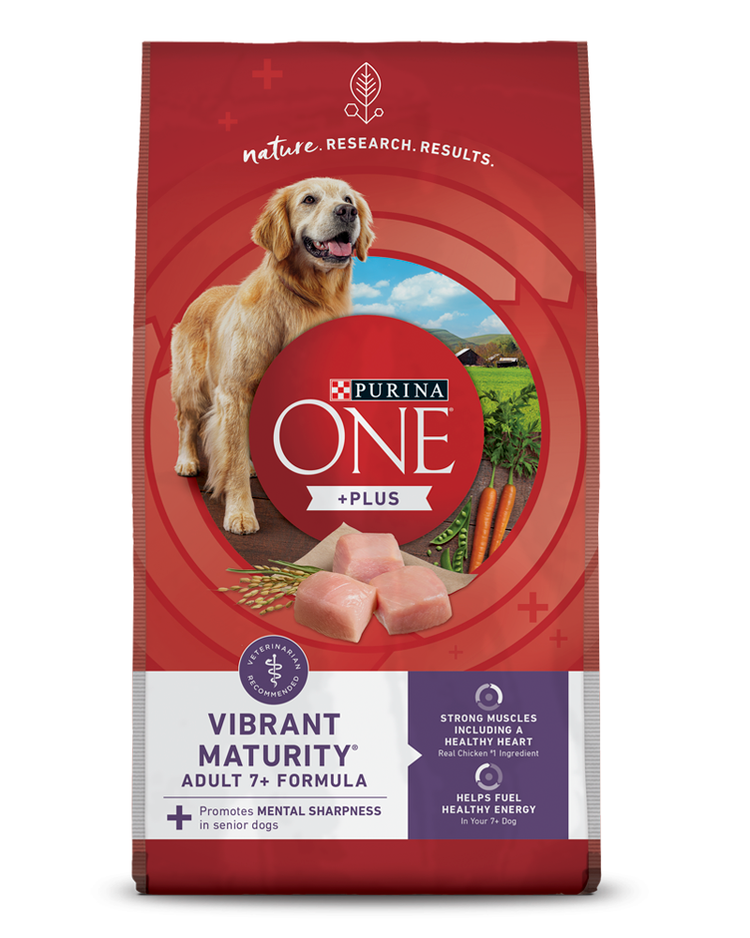
Senior dogs often need food different from adult dogs. Their metabolism slows down, and they may need fewer calories. Nutrients like protein and fiber become important to keep them healthy.
- Most dogs become seniors around 7 years old.
- Large breeds may become seniors earlier, around 5 to 6 years.
- Senior dog food has lower calories and more joint support.
- Consult a vet before switching to senior dog food.
Small Vs Large Breeds
Small and large dog breeds grow and mature at different rates. This affects when they should start adult food. Large breeds take longer to grow, so their food needs change later.
| Breed Size | Switch to Adult Food Age | Notes |
| Small Breeds | 9 to 12 months | Faster growth, earlier switch |
| Medium Breeds | 12 months | Standard adult food timing |
| Large Breeds | 12 to 18 months | Slower growth, delayed switch |
| Giant Breeds | 18 to 24 months | Longest growth period |
Health Issues Impacting Diet
Health problems can change when dogs need adult food. Some dogs need special diets at different ages. Always ask a vet if your dog has health issues.
Common health issues affecting diet include:
- Allergies that require special ingredients
- Kidney or liver problems needing low protein
- Weight issues needing low-calorie food
- Dental problems requiring soft food
These conditions may delay or speed up switching to adult food.
Tips For Choosing The Right Adult Food
Choosing the right adult food for your dog is important for its health. Dogs need balanced nutrition as they grow older.
Knowing when to switch and what to look for can keep your dog healthy and happy.
Reading Labels
Dog food labels give important details about ingredients and nutrients. Read them carefully to understand what your dog will eat.
Look for the guaranteed analysis, ingredient list, and feeding guidelines on the package.
- Check protein and fat levels for energy
- See if the food meets AAFCO standards
- Avoid foods with many fillers like corn and wheat
Consulting Your Veterinarian
Your vet knows your dog’s health and needs best. Ask them when to switch to adult food and what type suits your dog.
Vets can recommend special diets if your dog has allergies or health issues.
- Discuss your dog’s age and activity level
- Ask about portion sizes and feeding frequency
- Get advice on brands or homemade diets
Quality Ingredients To Look For
Good adult dog food has high-quality ingredients that support health. Protein should come from real meat or fish.
Check for whole grains, vegetables, and added vitamins and minerals.
- Real meat or fish as first ingredient
- Healthy fats like fish oil or flaxseed
- Fruits and vegetables for vitamins
- No artificial colors or preservatives

Credit: www.pethealthclub.com
Credit: www.purina.com
Frequently Asked Questions
When Should I Switch My Dog To Adult Food?
Most dogs transition to adult food between 12 to 18 months. Small breeds mature faster, switching around 12 months. Large breeds may need puppy food up to 18 months. Consult your vet for the best timing based on your dog’s breed and size.
Why Is Adult Dog Food Important?
Adult dog food meets the nutritional needs of mature dogs. It contains balanced protein, fats, and vitamins for maintenance. Puppy food is higher in calories, which can cause weight gain in adults. Feeding adult food supports healthy weight and overall wellbeing.
Can I Feed Adult Food To Puppies?
Adult dog food is not ideal for puppies. Puppies need higher protein and calorie levels for growth. Feeding adult food too early can stunt growth and cause nutrient deficiencies. Always use puppy-specific food until your dog reaches maturity.
How To Know If My Dog Is Ready For Adult Food?
Signs include reaching full size, stable weight, and decreased growth rate. Your vet can confirm if your dog is ready. Transition gradually over 7-10 days to avoid digestive upset. Monitor your dog’s energy and stool consistency during the switch.
Conclusion
Dogs usually switch to adult food between one and two years. This change supports their growth and energy needs. Watch your dog’s size and activity to know the right time. Feeding adult food too early or late can cause health issues.
Choose high-quality food that matches your dog’s breed and lifestyle. Regularly check with your vet for the best advice. This helps your dog stay healthy and happy for years. Simple steps make a big difference in your dog’s life.

Emily Barker is the founder of ChillDogLife.com, a space dedicated to helping pup parents discover the best dog products, lifestyle tips, and cozy ideas for happier homes.
A lifelong dog lover, Emily combines her passion for pets with a knack for research to share trusted recommendations on everything from toys and furniture to health and everyday care.
Her goal is simple: to make life easier, stylish, and more joyful for dogs and the people who love them.




