
The Age-Old Debate: Should You Wet Dog Kibble? Are you tired of watching your furry friend turn up their nose at their dry kibble?
Do you worry that their dry food might not be providing them with the hydration and nutrition they need? You’re not alone. As a responsible dog owner, you want to ensure your canine companion is eating the best food possible, but the question remains: should you wet dog kibble?
We’ll delve into the pros and cons of wetting your dog’s kibble, exploring the benefits and drawbacks of this popular trend. By the end of this post, you’ll be equipped with the knowledge to make an informed decision that’s right for your furry friend. So, let’s get started and find out whether wetting dog kibble is the right choice for your pup.
Benefits Of Wetting Dog Kibble
Wetting dog kibble offers several benefits that can improve your pet’s eating experience. It changes the texture and moisture level of the food, making it easier for dogs to enjoy their meals. This simple step can help support your dog’s health and well-being in multiple ways.
Improved Hydration
Adding water to dry kibble increases your dog’s daily water intake. Dogs that don’t drink enough water may face dehydration risks. Wet kibble helps keep your dog hydrated, especially in hot weather or for dogs that eat dry food only. Hydration supports kidney function and overall health.
Easier Digestion
Soaked kibble softens, making it gentler on your dog’s stomach. Dogs with dental issues or sensitive teeth find wet food easier to chew. Wet kibble also breaks down faster in the digestive system. This can reduce stomach upset and improve nutrient absorption.
Enhanced Flavor And Aroma
Moistening kibble releases more aroma and flavor. Dogs rely heavily on their sense of smell to enjoy food. Wet kibble often smells stronger and tastes better to picky eaters. This can encourage dogs to eat more and enjoy mealtime.

Credit: www.houndsy.com
Potential Downsides Of Wetting Kibble
Wetting your dog’s kibble might seem like a simple way to make mealtime more appealing, but it’s important to be aware of potential downsides. Adding water to dry food can lead to issues that affect your dog’s health and eating experience. Knowing these risks helps you decide what’s best for your furry friend.
Risk Of Bacterial Growth
Once kibble is moistened, it becomes a breeding ground for bacteria if left out too long. Bacteria multiply quickly in damp food, especially at room temperature. This can cause stomach upset or more serious health problems for your dog.
Always feed wet kibble immediately and discard any leftovers. Have you noticed your dog refusing wet food after it sits for a while? That could be their instinct warning you about spoilage.
Nutrient Loss Concerns
Adding water to kibble might dilute some nutrients, especially water-soluble vitamins like B and C. These vitamins can leach out into the water and degrade faster once exposed to air. Over time, this could reduce the overall nutritional value of your dog’s meal.
To keep nutrients intact, wet the kibble just before feeding. Do you want to risk lowering the quality of your dog’s diet for convenience?
Texture Preferences
Not all dogs enjoy the mushy texture that comes with wetting kibble. Some dogs prefer the crunch and find wet food less satisfying. Texture plays a big role in how much and how eagerly your dog eats.
Observe how your dog reacts when you add water. Are they eating less or seeming less excited at mealtime? Their preference might surprise you.
When To Wet Your Dog’s Food
Knowing when to wet your dog’s kibble can improve their eating experience. Wetting food adds moisture and softens the kibble, making it easier to chew and digest. This can be helpful in certain situations and for specific dog groups. Understanding these moments can help you care better for your dog’s health and comfort.
Puppies And Senior Dogs
Puppies often struggle with hard kibble because their teeth are still developing. Wetting the food makes it softer and easier for them to chew. This helps them eat comfortably and get the nutrition they need.
Senior dogs may have weaker teeth or gums. Wetting kibble reduces the effort needed to chew. It also helps prevent irritation and encourages them to eat regularly.
Dogs With Dental Issues
Dogs with dental problems such as broken teeth, gum disease, or tooth pain find dry kibble difficult to eat. Wetting the food can reduce discomfort and make mealtime less stressful. It also helps ensure they get enough nutrients despite their dental issues.
After Physical Activity
After exercise, dogs may feel thirsty and tired. Wetting their kibble adds hydration and cools down their mouth. This can make eating more appealing and help them recover faster.
Adding water to kibble after activity also supports digestion and keeps dogs refreshed.

Credit: www.houndsy.com
How To Properly Wet Dog Kibble
Wetting dog kibble can make meals easier to eat and more appealing for some dogs. Doing it right helps keep your pet healthy and happy. Learn how to wet kibble properly for the best results.
Choosing The Right Liquid
Use clean water at room temperature for soaking kibble. Avoid hot water as it can damage nutrients. Broth is another good option but choose low-sodium or homemade versions. Do not use milk or sugary drinks that can upset your dog’s stomach.
Ideal Soaking Time
Soak kibble just long enough to soften it, usually 5 to 10 minutes. Over-soaking can make the food mushy and less tasty. Check the texture often and stop soaking when the kibble is soft but not falling apart.
Safe Feeding Practices
- Serve the soaked kibble immediately to prevent bacteria growth.
- Clean the feeding bowl after every meal to keep it hygienic.
- Introduce wet kibble slowly to avoid digestive upset.
- Monitor your dog’s reaction and adjust soaking time or liquid type accordingly.
Alternatives To Wetting Kibble
Wetting dog kibble is a common practice to make meals softer and more appealing. Still, there are other ways to enhance your dog’s eating experience without adding water directly to the kibble. These alternatives can improve flavor, add nutrients, and increase hydration in a natural way.
Adding Broths And Toppers
Adding broths or toppers is a tasty way to boost kibble flavor. Use low-sodium chicken or beef broth to keep it healthy. Broths add moisture without diluting nutrition. You can also sprinkle freeze-dried meat or vegetable toppers. These small additions make meals more exciting.
Mixing With Wet Food
Mixing dry kibble with wet food balances texture and taste. Wet food adds moisture and richness naturally. It makes kibble easier to chew and digest. This combo suits picky eaters or dogs with dental issues. Choose quality wet food for best results.
Hydration Through Treats
Certain treats help with hydration too. Frozen fruits like blueberries or watermelon pieces offer moisture and vitamins. Ice cubes made from broth or diluted juice are fun and hydrating. These treats keep your dog refreshed between meals without watering down the kibble.
Signs Your Dog Prefers Wet Or Dry Food
Figuring out whether your dog prefers wet or dry food can make mealtime more enjoyable for both of you. Dogs, like people, have individual tastes and needs. Paying attention to their preferences can also improve their overall health and happiness.
Observing Eating Habits
Watch how your dog approaches each type of food. Do they eagerly gobble up wet food but pick at dry kibble? Or do they crunch through dry kibble quickly but leave wet food untouched?
Notice if they finish one type more consistently or seem more excited. Your dog’s enthusiasm can reveal what they truly enjoy eating.
Monitoring Digestive Health
Digestive comfort is a big clue to your dog’s food preference. Wet food often contains more moisture, which might help if your dog struggles with constipation or dehydration.
If your dog experiences fewer tummy troubles with one type, that’s a sign worth noting. Keep track of stool quality, gas, and any upset stomach symptoms after meals.
Behavioral Cues
Beyond eating speed, look for subtle signs like tail wagging or nudging the bowl for more. Does your dog seem restless or hesitant around one type of food?
Sometimes, dogs vocalize their preference by barking or whining when they want a specific meal. Have you noticed your dog showing clear excitement or disinterest during mealtime?
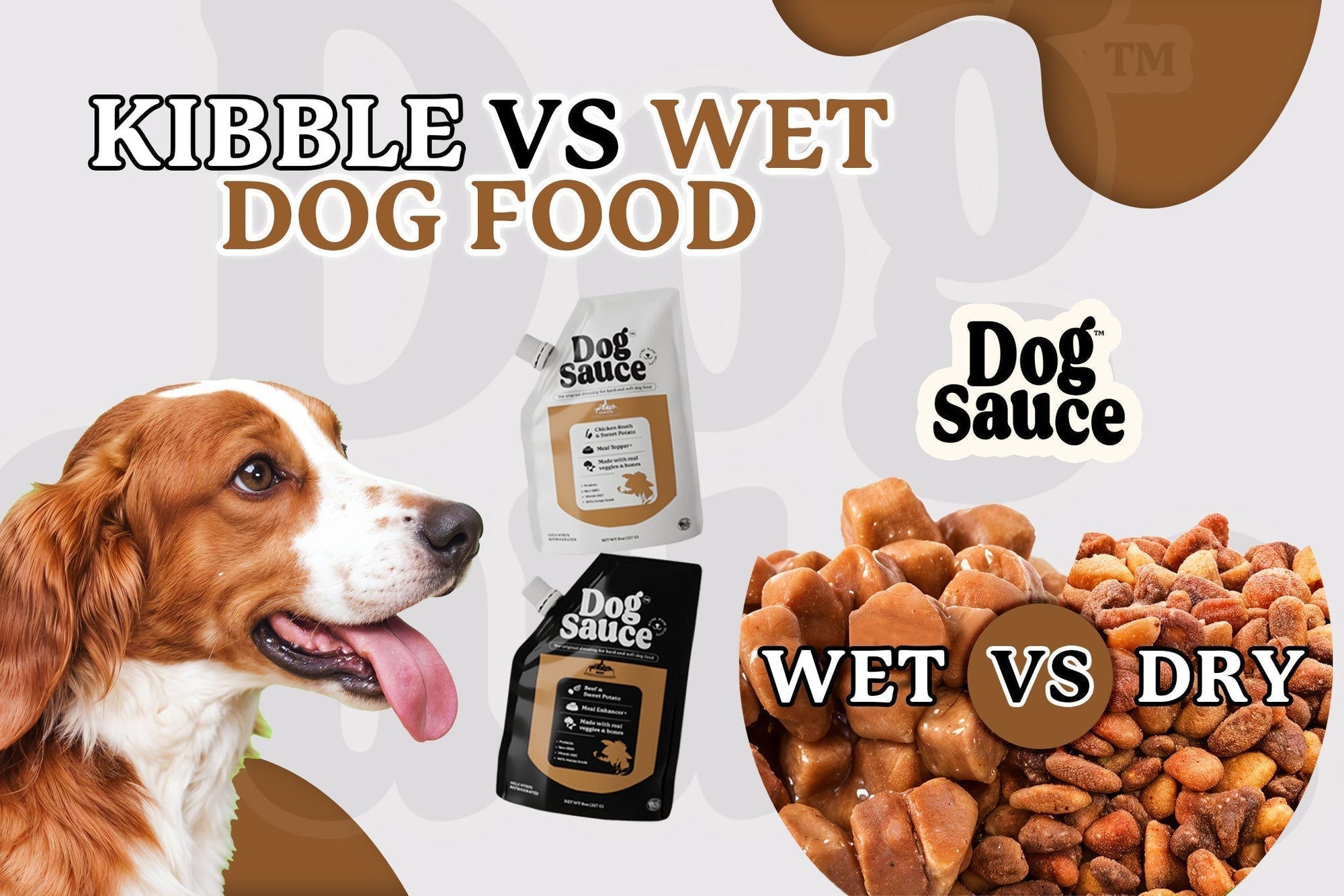
Credit: dogsauce.co
Frequently Asked Questions
Is It Safe To Wet Dog Kibble?
Yes, wetting dog kibble is generally safe. It can make the food more palatable and easier to chew. Ensure you use fresh water and serve it immediately to prevent bacterial growth. Always consult your veterinarian before making changes to your dog’s diet.
Does Wetting Kibble Help With Digestion?
Wetting kibble can aid digestion by softening the food. This makes it easier for dogs to chew and swallow. It can be particularly beneficial for puppies and older dogs. However, monitor your dog’s response and consult a vet if digestion issues persist.
How Much Water Should I Add To Kibble?
Add enough water to cover the kibble lightly. Typically, a 1:1 ratio of water to kibble works well. Adjust based on your dog’s preference and the kibble’s absorption rate. Always ensure the mixture remains fresh and serve immediately.
Can Wetting Kibble Improve My Dog’s Hydration?
Wetting kibble can slightly improve hydration by increasing your dog’s water intake. However, it’s not a substitute for fresh drinking water. Ensure your dog has access to clean water at all times, especially during hot weather or after exercise.
Conclusion
Wet dog kibble can help with digestion and hydration. Some dogs enjoy the softer texture more. It may also slow down fast eaters. But dry kibble keeps teeth cleaner and lasts longer. Think about your dog’s needs and preferences. Try wetting a small amount first.
Watch how your dog reacts to the change. Balance convenience, health, and your dog’s taste. This way, you choose what works best for both. Simple changes can make mealtime better and happier.

Emily Barker is the founder of ChillDogLife.com, a space dedicated to helping pup parents discover the best dog products, lifestyle tips, and cozy ideas for happier homes.
A lifelong dog lover, Emily combines her passion for pets with a knack for research to share trusted recommendations on everything from toys and furniture to health and everyday care.
Her goal is simple: to make life easier, stylish, and more joyful for dogs and the people who love them.




