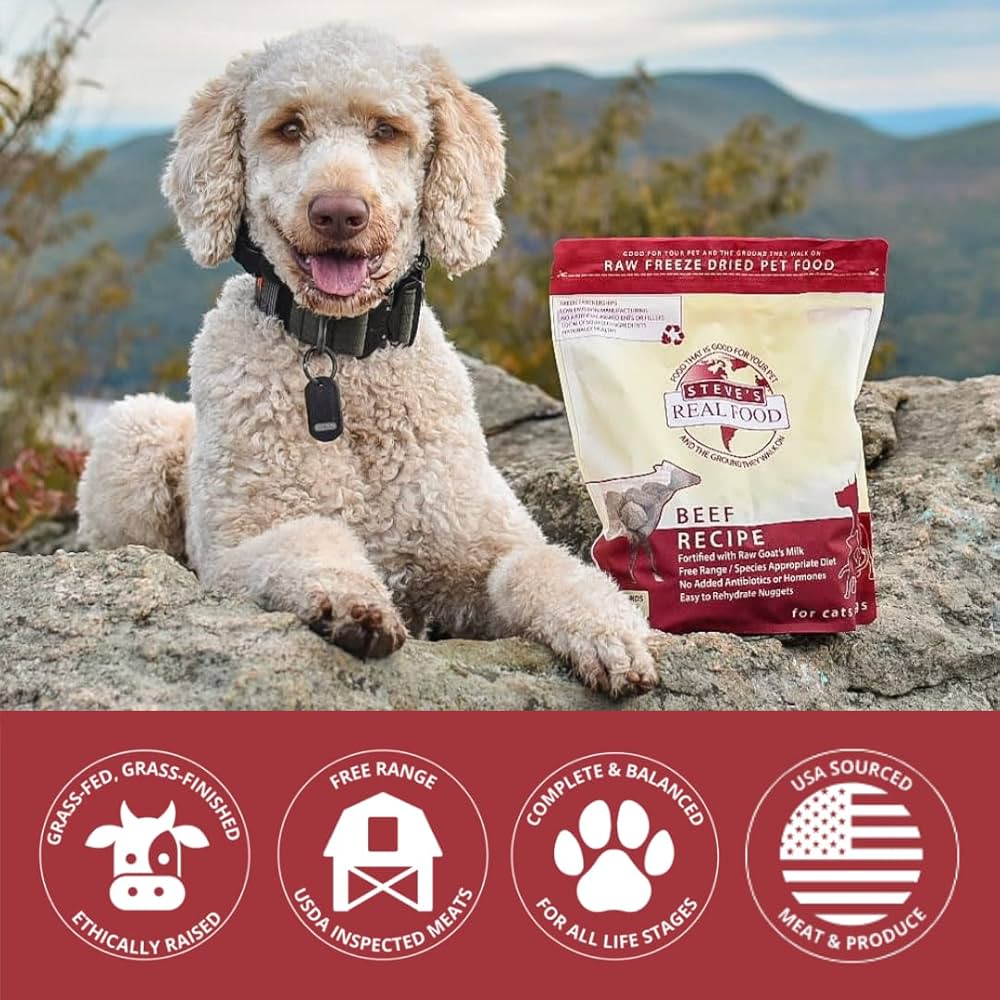
Looking to give your furry friend the best nutrition possible? You’re not alone.
Many dog owners are turning to raw food diets to ensure their pets enjoy a healthier, happier life. But where can you buy raw food for your dog? With so many options out there, finding the right place might feel overwhelming.
Don’t worry; this guide will help you discover the best sources for raw dog food, making the process simple and stress-free. By the end of this article, you’ll know exactly where to go to get the best quality meals for your canine companion. Let’s dive in and find the perfect solution for your pup’s needs.
Benefits Of Raw Food For Dogs
Feeding dogs raw food is becoming popular among pet owners. Raw food means fresh meat, bones, and vegetables.
This diet aims to give dogs natural nutrition like they would eat in the wild. It can improve their health in many ways.
Nutritional Advantages
Raw food contains high levels of protein and healthy fats. These nutrients help dogs build strong muscles and have energy.
Raw diets often include vitamins and minerals that keep dogs healthy. These nutrients come from fresh ingredients without fillers.
- High protein supports muscle growth
- Natural vitamins boost immune system
- Essential minerals improve bone strength
- Healthy fats provide energy and brain support
Improved Digestion
Raw food is easier for dogs to digest than processed kibble. It contains natural enzymes that help break down food.
Better digestion means fewer stomach problems and less gas. Dogs may have smaller and firmer stools with raw diets.
- Natural enzymes aid digestion
- Less filler means less digestive stress
- Improves nutrient absorption
- Reduces bad odor in stools
Enhanced Coat And Skin Health
Raw food helps dogs have shiny coats and healthy skin. The fats in raw diets keep skin moisturized and soft.
Dogs eating raw food often show less itching and dry skin. Their fur looks thicker and more vibrant.
- Omega-3 and Omega-6 fats improve skin health
- Reduces skin allergies and irritation
- Makes coat shiny and smooth
- Supports healthy hair growth
Types Of Raw Dog Food
Raw dog food comes in different forms to suit your pet’s needs and your lifestyle. You can find ready-made meals, frozen options, or prepare food at home. Each type has its own benefits and considerations.
Choosing the right raw food depends on your dog’s health, your budget, and how much time you want to spend preparing meals. Here are the main types to consider.
Pre-made Raw Meals
Pre-made raw meals come ready to serve. They often include a balanced mix of meat, bones, and vegetables. These meals save time and reduce the risk of missing important nutrients.
- Available in pet stores and online
- Often made from high-quality ingredients
- Portioned for easy feeding
- Some brands offer grain-free options
Frozen Vs. Freeze-dried Options
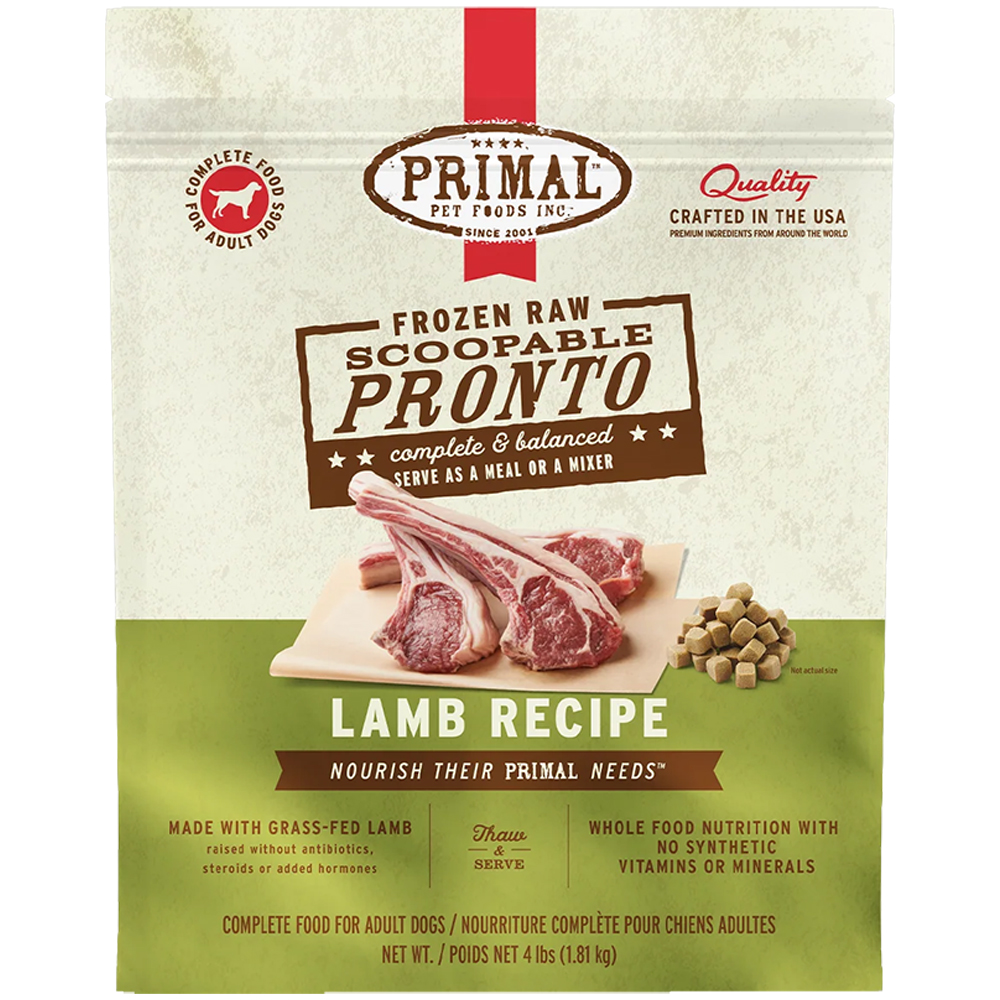
Frozen raw food keeps nutrients well but needs freezer space. Freeze-dried food lasts longer and is easier to store. Both types keep the food fresh and safe for your dog.
| Type | Storage | Preparation | Price |
| Frozen | Freezer required | Thaw before feeding | Moderate |
| Freeze-Dried | Room temperature | Add water or feed dry | Higher |
Homemade Raw Food Ingredients
You can make raw meals at home using fresh ingredients. This option lets you control what your dog eats. It takes time but can be cost-effective and tailored to your pet’s needs.
- Meat: beef, chicken, turkey, or lamb
- Organs: liver, kidney, heart
- Raw bones for calcium and teeth health
- Vegetables like carrots, spinach, and broccoli
- Supplements such as fish oil or vitamin E
Trusted Online Retailers
Finding raw food for your dog online can be easy and safe. Many trusted retailers offer fresh and high-quality options. It is important to choose sellers that provide clear information about their products.
Below are some reliable places to buy raw dog food. They include specialized websites, big pet stores, and subscription services. Each option has its own benefits for your pet’s diet.
Specialized Raw Food Websites
These websites focus only on raw dog food. They offer a wide range of meats and recipes. Many provide detailed ingredient lists and sourcing information. Some popular choices are:
- Primal Pet Foods
- Stella & Chewy’s
- Darwin’s Natural Pet Products
- Nature’s Variety
- Instinct Raw
Major Pet Supply Stores
Big pet supply stores sell raw dog food too. They often carry well-known brands and have customer reviews. You can order online and get home delivery or pick up in store.
| Store | Raw Food Brands | Delivery Options |
| Petco | Primal, Stella & Chewy’s | Home delivery, In-store pickup |
| PetSmart | Nature’s Variety, Instinct | Home delivery, In-store pickup |
| Chewy | Darwin’s, Instinct, Stella & Chewy’s | Home delivery only |
Subscription Services
Subscription services deliver raw dog food on a schedule. They make feeding easier by sending fresh food regularly. Many offer customizable plans based on your dog’s size and needs.
- Choose delivery frequency
- Select preferred protein types
- Adjust portions as your dog grows
- Pause or cancel anytime

Credit: drjudymorgan.com
Local Sources For Raw Dog Food
Finding raw food for your dog can be easier if you look locally. Many places sell fresh, raw ingredients suitable for dogs. Buying local supports small businesses and ensures fresher products.
Here are some common local sources where you can buy raw food for your dog. Each offers different options and benefits.
Farmers Markets
Farmers markets often have vendors selling fresh meat and produce. You can find raw meat cuts and sometimes organs suitable for dogs. It is a good place to ask questions and learn about the source of the food.
- Look for meat vendors who sell raw cuts
- Ask about organic or grass-fed options
- Check if vendors offer bones safe for dogs
- Buy seasonal fresh vegetables for added nutrition
Butcher Shops
Butcher shops provide a wide range of fresh meats. Many butchers can offer custom cuts or special orders for raw dog food. They can guide you on safe bones and organ meats.
| Meat Type | Common Options |
| Beef | Ground, chunks, bones, liver |
| Chicken | Whole, wings, necks, gizzards |
| Lamb | Chops, ground, heart, kidney |
| Pork | Shoulder, ribs, liver, heart |
Local Pet Stores
Local pet stores sometimes stock raw dog food or frozen raw diets. They may carry pre-packaged raw meals or loose raw meat. Staff can offer advice on safe feeding practices.
Tips for buying raw food at pet stores:
- Check the packaging date and storage instructions
- Ask if they have locally sourced options
- Look for balanced mixes including meat, bone, and organs
- Confirm if the food meets safety standards
Choosing Quality Raw Food
Choosing the right raw food for your dog is important for their health. Good quality food gives your dog the nutrients they need.
Look closely at what you buy. This helps you feed your dog safe and healthy meals every day.
Checking Ingredient Lists
Always read the ingredient list on the package. Make sure the food contains real meat as the first ingredient.
- Look for named meats like chicken, beef, or lamb
- Avoid foods with fillers like corn or soy
- Check for added vitamins and minerals
- Watch out for artificial colors or preservatives
Sourcing And Transparency
Check where the raw food ingredients come from. Good brands share detailed information about their sources.
| Source Type | What to Look For |
|---|---|
| Farm | Local farms with humane animal treatment |
| Processing | Clean facilities with strict hygiene |
| Packaging | Sealed and refrigerated for freshness |
Certifications And Safety Standards
Look for food that meets safety rules. Certifications show that the food is tested and safe for dogs.
- Check for USDA or FDA approval
- Look for AAFCO feeding trials or guidelines
- Choose brands with third-party lab testing
- Make sure the food follows raw feeding safety standards
Storage And Handling Tips
Keeping raw food safe for your dog needs care and attention. Proper storage and handling keep food fresh and healthy.
Follow simple steps to avoid spoilage and keep your dog safe from germs and bacteria.
Freezing And Thawing Safely
Freeze raw dog food in small portions to keep it fresh longer. Always thaw food in the fridge or cold water, never at room temperature.
- Use airtight containers or sealed bags to prevent freezer burn.
- Label packages with the date of freezing.
- Thaw food in the refrigerator overnight or in cold water if needed quickly.
- Do not refreeze thawed food to avoid bacteria growth.
Preventing Contamination
Raw food can carry bacteria. Cleanliness helps avoid contamination and keeps your dog healthy.
| Action | Why It Helps |
|---|---|
| Wash hands before and after handling raw food | Stops germs from spreading to other surfaces |
| Clean all bowls, knives, and cutting boards thoroughly | Removes leftover bacteria and food particles |
| Keep raw food separate from other foods | Prevents cross-contamination |
| Store raw dog food on the bottom shelf of the fridge | Prevents drips onto other foods |
Proper Portioning And Serving
Serving the right amount of raw food keeps your dog healthy and reduces waste.
- Divide large packages into daily portions before freezing.
- Use clean utensils to serve food to avoid germs.
- Feed your dog fresh portions and store leftovers quickly.
- Check portion sizes based on your dog’s weight and needs.
Common Concerns And Myths
Many dog owners wonder about feeding raw food. Some worry about safety and nutrition. Others think raw food is too expensive.
This guide looks at common concerns and myths. It helps you understand raw dog food better.
Safety Risks
People often worry about bacteria in raw meat. Salmonella and E. coli are the main concerns. But proper handling can reduce risks.
- Keep raw food refrigerated or frozen
- Use clean bowls and utensils
- Wash hands after handling raw meat
- Buy from trusted suppliers
Nutritional Balance
Some think raw food lacks nutrients dogs need. A balanced diet is key. Raw meals must include protein, fat, vitamins, and minerals.
| Nutrient | Sources in Raw Food |
| Protein | Muscle meat, organs |
| Fat | Animal fat, fish oil |
| Calcium | Raw bones, supplements |
| Vitamins | Vegetables, fruits |
| Minerals | Organ meat, bone meal |
Cost Considerations
Raw food can seem costly. Some raw ingredients cost more than kibble. But buying smart helps save money.
- Buy in bulk from wholesale stores
- Choose local farms for fresh meat
- Freeze leftovers to avoid waste
- Make homemade raw meals

Credit: drjudymorgan.com
Credit: www.petfood.express
Frequently Asked Questions
Where Can I Buy Raw Food For My Dog Locally?
You can buy raw dog food at specialty pet stores and some farmers’ markets. Local butchers may also offer suitable raw meat cuts. Always ensure the source follows strict hygiene and quality standards for pet safety.
Are Online Stores Reliable For Buying Raw Dog Food?
Yes, many online stores specialize in raw dog food with quality guarantees. Look for customer reviews, certifications, and clear ingredient lists to ensure product safety. Choose reputable brands with transparent sourcing and handling practices.
What Types Of Raw Food Are Best For Dogs?
Best raw foods include muscle meat, organs, bones, and vegetables. Ensure a balanced diet by combining these components properly. Consult a veterinarian for tailored advice on your dog’s dietary needs.
How To Check The Quality Of Raw Dog Food?
Check for freshness, proper packaging, and clear ingredient labeling. Quality raw food should be free from additives and preservatives. Look for reputable brands with third-party testing and good customer feedback.
Conclusion
Finding the right place to buy raw food for your dog matters. Fresh, quality ingredients keep your dog healthy and happy. Many stores and online shops offer safe options. Choose sources that provide clear information and good reviews. Always check the product’s freshness and safety standards.
Feeding raw food can be simple and rewarding with the right supplies. Your dog will enjoy a natural diet made with care. Keep exploring trusted sellers to find the best fit for your pet.

Emily Barker is the founder of ChillDogLife.com, a space dedicated to helping pup parents discover the best dog products, lifestyle tips, and cozy ideas for happier homes.
A lifelong dog lover, Emily combines her passion for pets with a knack for research to share trusted recommendations on everything from toys and furniture to health and everyday care.
Her goal is simple: to make life easier, stylish, and more joyful for dogs and the people who love them.




