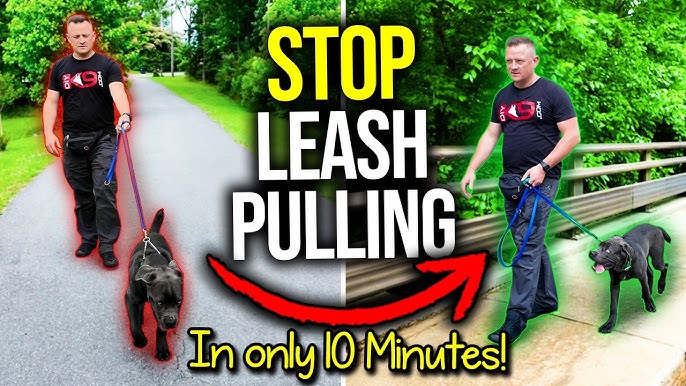
If your dog pulls on the leash every time you go for a walk, you know how frustrating it can be. It makes walks stressful, tiring, and less enjoyable for both of you.
But what if you could change that? Imagine walking your dog calmly by your side, feeling relaxed and in control. You’ll discover simple, effective steps to stop your dog from pulling on the leash. By the end, you’ll have the tools to turn every walk into a pleasant experience.
Keep reading—your peaceful walks start here.

Credit: www.reddit.com
Why Dogs Pull On Leash
Understanding why your dog pulls on the leash is key to changing this behavior. Dogs don’t pull just to be difficult; there are reasons behind their actions that you can learn to recognize. Knowing these reasons helps you address the root causes effectively and enjoy calmer, more enjoyable walks together.
Common Causes
Many dogs pull because they are excited to explore the world. Walking is a thrilling experience full of new smells, sights, and sounds that can be hard to resist.
Some dogs pull out of habit, especially if they have never been taught to walk politely. If your dog learned that pulling gets them where they want faster, they’ll keep doing it.
Physical factors like breed tendencies or high energy levels can also play a role. For example, working breeds often have a lot of drive to move and explore, making leash pulling more common.
Behavioral Triggers
Certain triggers can make your dog pull more strongly. Passing other dogs, people, or animals often excites or stresses them, prompting pulling as a reaction.
Distractions like squirrels or loud noises can cause sudden lunges forward. Your dog’s focus shifts away from you, making leash control challenging.
Fear or anxiety can also trigger pulling as your dog tries to escape an uncomfortable situation. Have you noticed your dog pulling more in busy or noisy places?
Recognizing these triggers lets you prepare and manage your dog’s behavior better. Next time you walk, watch closely for what causes your dog to pull and try to address it calmly.
Choosing The Right Equipment
Choosing the right leash and harness helps control your dog’s pulling. A front-clip harness reduces pulling by redirecting your dog’s movement. Proper equipment makes walks safer and more comfortable for both you and your dog.
Choosing the right equipment can make walks enjoyable. The right gear helps control your dog’s pulling. It also ensures their comfort and safety.Harness Vs Collar
A harness provides better control without choking. It distributes pressure evenly across the body. This reduces strain on the neck. Harnesses are ideal for strong pullers. They give more control and comfort. Collars are simple and easy to use. They are suitable for well-trained dogs. But they can cause neck strain if the dog pulls. Consider your dog’s size and behavior. Choose what feels right for them.Leash Types
Standard leashes are 4 to 6 feet long. They offer control and safety. They are suitable for everyday walks. Retractable leashes give freedom to roam. But they can encourage pulling. They are not ideal for training. Adjustable leashes can be shortened or lengthened. They offer flexibility in various situations. Choose a leash that suits your training needs. Consider material and durability. Ensure it matches your dog’s strength and size.Basic Training Techniques
Training your dog to stop pulling on the leash starts with mastering some basic techniques. These foundational skills set the stage for enjoyable walks and better communication between you and your pet. Simple, consistent practice can lead to significant improvements in your dog’s leash manners.
Teaching Loose Leash Walking
Loose leash walking means your dog walks calmly beside you without pulling ahead. Begin by holding the leash with a little slack. When your dog starts to pull, stop walking immediately.
This pause teaches your dog that pulling won’t get them where they want to go. Wait until the leash slackens, then resume walking. Your dog learns that staying close means moving forward.
Try changing directions occasionally to keep your dog focused on you. This technique encourages your dog to pay attention rather than rushing ahead. How might your dog's behavior change if the walk only moves when they walk calmly?
Using Treats And Rewards
Treats and rewards make training more enjoyable for your dog. Carry small, tasty treats during walks to reinforce good behavior instantly.
When your dog walks nicely beside you, offer a treat and praise. This positive feedback helps your dog connect calm walking with rewards.
Try varying the rewards to keep your dog motivated: use a favorite toy or enthusiastic verbal praise along with treats. How can you use rewards to turn a frustrating walk into a fun learning experience?

Credit: www.amazon.ca
Advanced Training Tips
Advanced training tips help you move beyond basic commands to truly control your dog’s behavior on the leash. These techniques require patience and consistency but deliver impressive results. You’ll learn how to manage your dog’s impulses and keep walks enjoyable for both of you.
Stopping Pulling Mid-walk
When your dog starts pulling, stop immediately instead of continuing forward. Stand still and wait for your dog to relax and loosen the leash. This teaches your dog that pulling stops the walk, while calm walking moves it forward.
Use a clear command like “Easy” or “Wait” as you stop. Once the leash slackens, praise your dog and resume walking. This moment of pause trains your dog to check in with you before moving ahead.
Have you noticed how your dog reacts when you stop? Their response is a clue to how well they understand leash manners. Consistency here builds respect and attention during walks.
Handling Distractions
Distractions like other dogs, people, or noises can make leash training harder. Start by practicing in low-distraction areas to build focus. Gradually increase the challenge as your dog improves.
Use treats or favorite toys to redirect your dog’s attention when distractions appear. Keep your voice calm and encouraging to prevent excitement from escalating. This keeps your dog tuned into you rather than the distraction.
Try changing your walking pace or direction if your dog fixates on a distraction. This technique helps your dog learn to follow your lead instead of chasing after every stimulus. Can you imagine how smoother walks could be with just a little more control?
Consistency And Patience
Consistency and patience form the foundation of leash training. Dogs learn best through steady routines and calm repetition. Progress may be slow, but regular effort leads to lasting change. Staying patient helps avoid frustration and keeps training positive for both you and your dog.
Setting Realistic Goals
Set small, clear goals for leash walking. Start with short walks around the house or yard. Gradually increase the distance as your dog improves. Celebrate small successes like walking calmly for a few steps. Realistic goals keep training manageable and motivate steady progress.
Maintaining Regular Practice
Practice leash walking every day, even if only for a few minutes. Consistent practice helps your dog understand expected behavior. Use the same commands and signals each time. Avoid long gaps between sessions to prevent confusion. Regular practice builds good habits that last.
Common Mistakes To Avoid
Stopping your dog from pulling on the leash requires patience and the right techniques. However, many dog owners make common mistakes that can make training harder or even worsen the behavior. Recognizing these pitfalls will help you stay on track and build better communication with your dog.
Yanking The Leash
Pulling harder on the leash may seem like a quick fix, but it often backfires. Your dog might get scared or confused, which can increase anxiety and pulling.
I once tried yanking my dog’s leash to stop her, but she just pulled back harder. Instead, loosening the leash and rewarding calm walking worked much better.
Instead of pulling, try:
- Stopping immediately when your dog pulls
- Waiting for your dog to relax before moving forward
- Using treats to encourage walking beside you
Inconsistent Commands
Using different words or tones for the same command can confuse your dog. Consistency helps your dog understand exactly what you want.
Imagine telling your dog “heel” one day, then “walk” the next, without clear signals. Your dog won’t know which behavior is correct.
Keep commands simple and consistent by:
- Choosing one word for each action (like “stop,” “heel,” or “easy”)
- Using the same tone and body language every time
- Making sure everyone who walks your dog uses the same commands
What commands do you use with your dog? Are they clear and consistent enough to help your dog learn?
When To Seek Professional Help
Sometimes, stopping your dog from pulling on the leash needs more than patience. Professional help can make a big difference. Knowing when to seek a trainer saves time and stress. It helps your dog learn better walking habits faster.
Signs You Need A Trainer
- Your dog pulls hard despite consistent training at home.
- The leash pulling causes safety concerns for you or others.
- Your dog reacts aggressively or fearfully during walks.
- Training methods you try do not improve behavior.
- You feel overwhelmed or unsure how to handle the pulling.
Recognizing these signs early allows you to act before problems worsen. A trainer can offer guidance and tailored techniques.
Choosing A Trainer
- Look for trainers with certification from recognized organizations.
- Choose someone who uses positive, reward-based methods.
- Check reviews or ask for references from other dog owners.
- Ensure the trainer understands your dog’s breed and behavior.
- Find a trainer who communicates clearly and patiently.
A good trainer builds your confidence and strengthens your bond with your dog. Take time to find the right fit for both of you.

Credit: www.amazon.ca
Frequently Asked Questions
How Can I Train My Dog To Stop Pulling On Leash?
Use positive reinforcement by rewarding your dog when walking calmly. Stop walking if the dog pulls. Consistency and patience help teach loose leash walking effectively.
What Type Of Leash Helps Reduce Pulling?
A front-clip harness or head halter provides better control. These tools discourage pulling by redirecting your dog’s attention back to you during walks.
Why Does My Dog Pull On The Leash?
Dogs pull due to excitement, lack of training, or to explore surroundings. Understanding this helps you apply proper techniques to reduce pulling behavior.
How Long Does Leash Training Usually Take?
Leash training varies but typically takes a few weeks. Consistent daily practice and positive reinforcement speed up the learning process.
Conclusion
Stopping your dog from pulling on the leash takes patience and practice. Consistent training helps your dog learn better walking habits. Use gentle guidance and reward good behavior often. Small steps lead to big improvements over time. Enjoy walks more when your dog walks calmly beside you.
Keep training sessions short and fun to hold your dog’s attention. Remember, every dog learns at its own pace. Stay calm and positive during training. Soon, your walks will feel easier and more pleasant for both of you.

Emily Barker is the founder of ChillDogLife.com, a space dedicated to helping pup parents discover the best dog products, lifestyle tips, and cozy ideas for happier homes.
A lifelong dog lover, Emily combines her passion for pets with a knack for research to share trusted recommendations on everything from toys and furniture to health and everyday care.
Her goal is simple: to make life easier, stylish, and more joyful for dogs and the people who love them.




